Telcos Flip Networks into AI Grids with NVIDIA's Blackwell Muscle
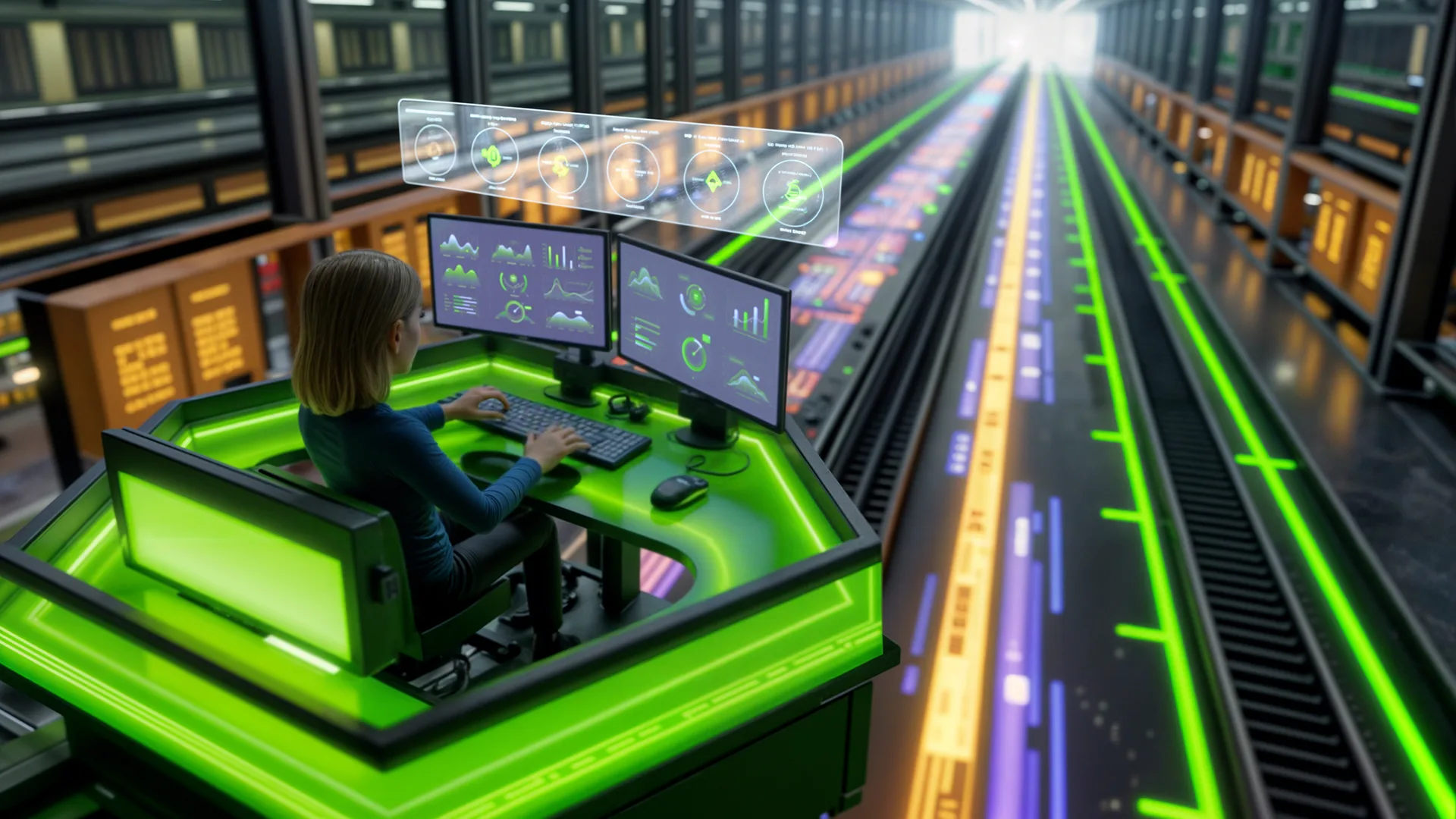
Forget centralized clouds—telcos are wiring their networks into AI grids with NVIDIA's help. It's the edge computing tsunami we've been waiting for.
Forget static signage. E Ink just dropped a bombshell: their new T2000 controller is turning massive e-paper displays into surprisingly fluid video canvases. This isn't just an upgrade; it's a fundamental platform shift for how we interact with information.
Forget centralized clouds—telcos are wiring their networks into AI grids with NVIDIA's help. It's the edge computing tsunami we've been waiting for.

AI factories bleed tokens from congestion and power caps. NVIDIA's Mission Control 3.0 promises a fix — modular control planes and predictive ops. Skeptical? Let's unpack the architecture.
Snapchat's churning 10 petabytes of A/B data daily—now 4x faster on GPUs. But who's really cashing in on this accelerated data processing boost?
AI's exploding onto desktops — but so are the hackers. Intel and CrowdStrike's new pact slams the door on threats right at the silicon level.
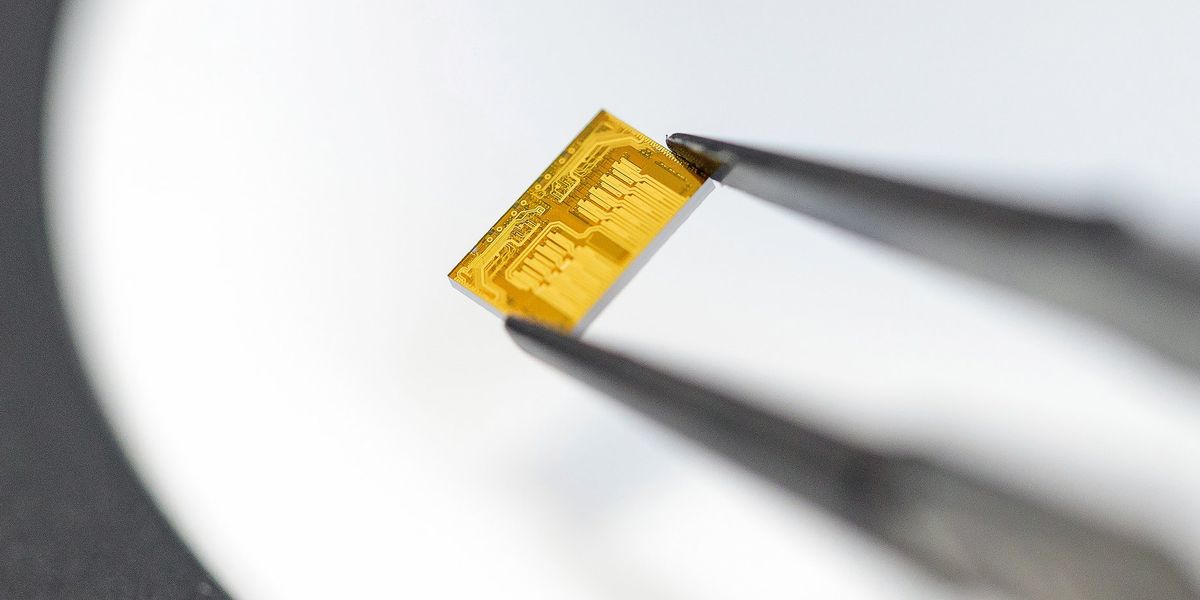
GPUs in AI data centers are choking on copper. Enter Tower and Scintil's laser chip—the world's first single-chip DWDM light engine. But is multiplexing the savior or just telecom nostalgia?
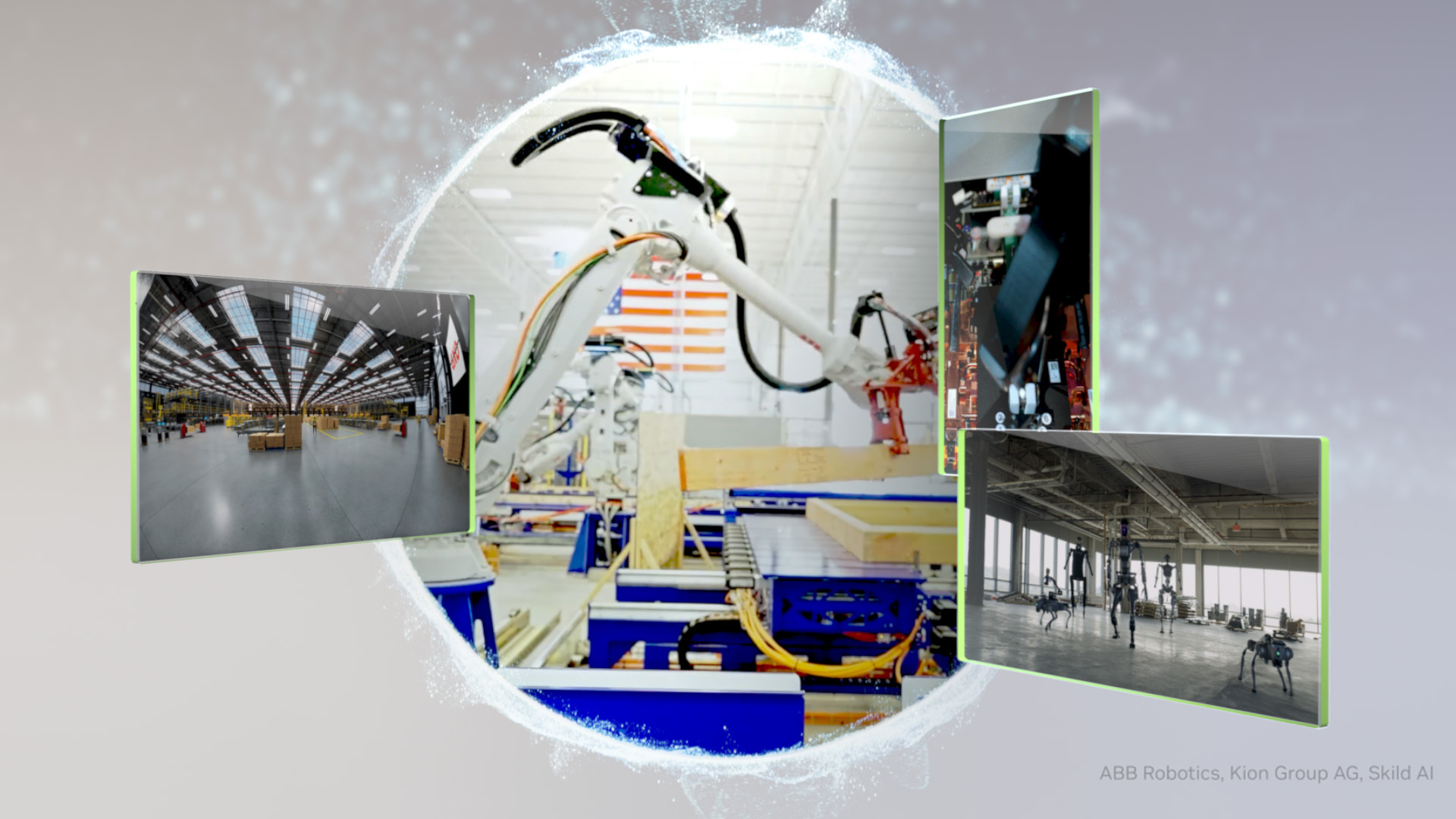
Everyone tuned into NVIDIA's GTC expecting Blackwell GPU fireworks. Instead, Jensen Huang doubled down on Omniverse — virtual worlds that might actually make physical AI pay off, if you squint past the hype.
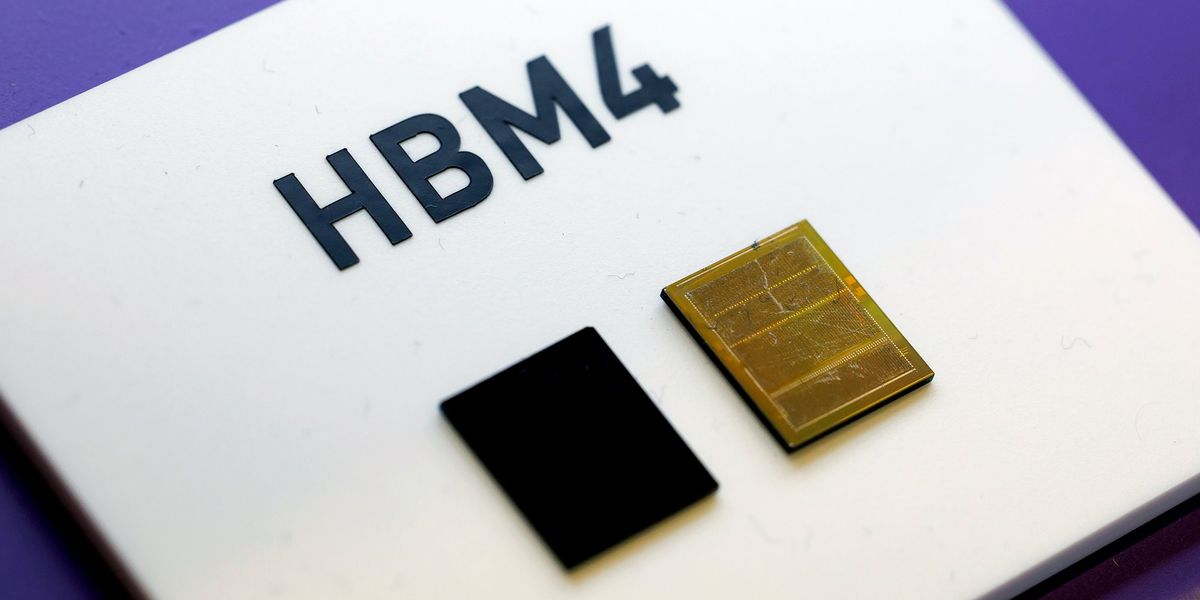
AI data centers are hogging every memory chip in sight. Prices? Through the roof. Relief? Not anytime soon.
Jupiter's radiation belt cranks dark current 181x, wrecking cameras. Enter a self-healing CMOS chip that zaps bad pixels back to life—while compressing data 75%. But is it hype or hardware hero?
Siemens and NVIDIA just claimed a trillion-cycle verification feat for AI chips using FPGA wizardry. But after 20 years in the Valley, I'm wondering who's really cashing in.
Imagine semiconductors so pure they barely heat up—like diamonds forged in the cosmic void. Space Forge just lit the fuse on orbital manufacturing, promising chips that could turbocharge AI without melting data centers.
Samsung Electro-Mechanics just elbowed its way into Nvidia's high-stakes Groq 3 LPU supply chain. It's a bold FC-BGA substrate play that could reshape AI hardware sourcing.
What if your next AI supercluster could ease blackouts instead of causing them? NVIDIA's pushing AI factories as grid allies—but who's really cashing in?