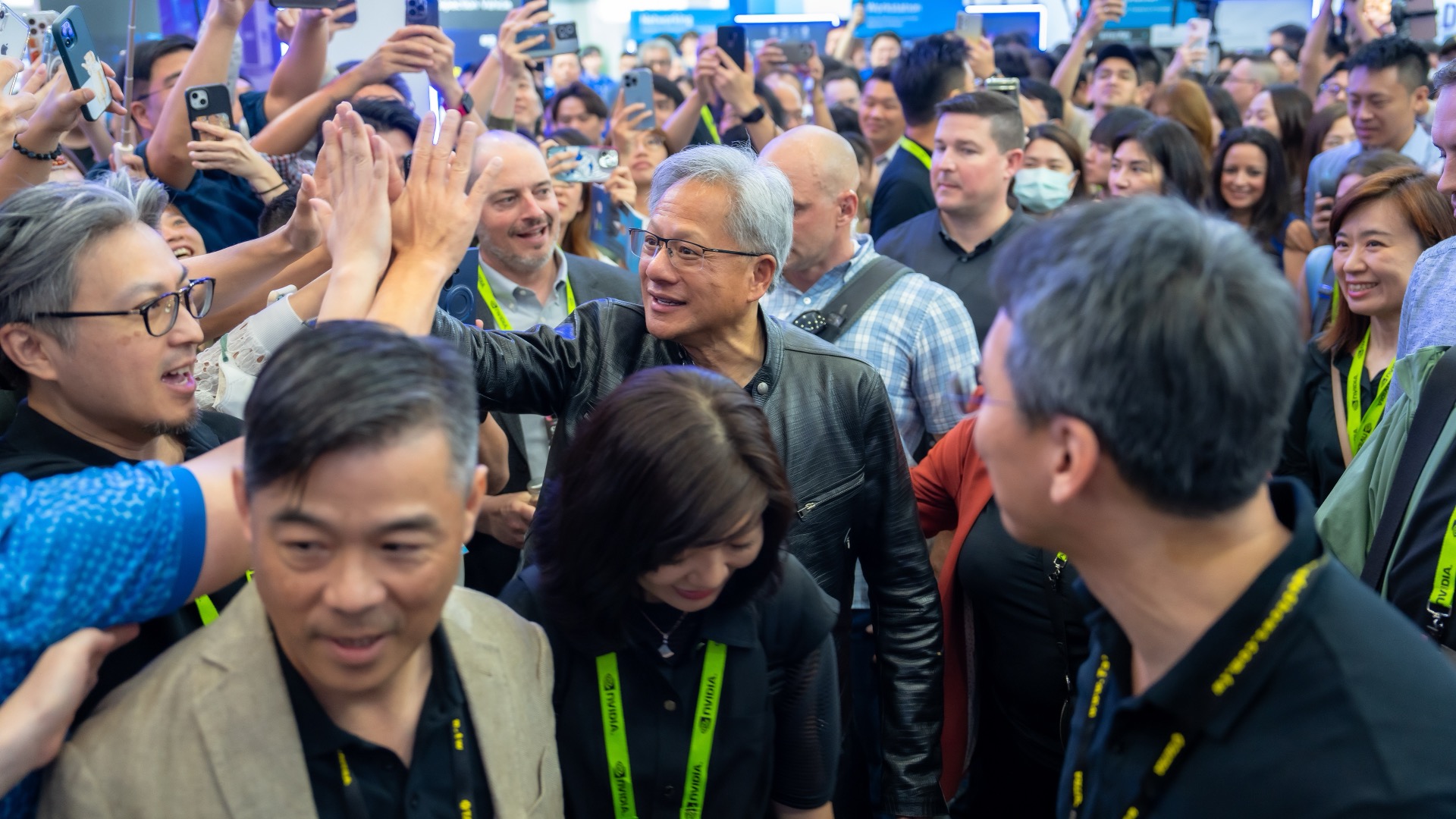
NVIDIA Omniverse stole the show at GTC last week, or at least that’s the spin. Folks like me — jaded after two decades chasing Valley unicorns — showed up braced for the usual: megawatt GPU specs, hyperscaler orders, maybe a dash of sovereign AI nationalism. But nope. Huang pivoted hard to physical AI, those virtual playgrounds where robots learn to dance before tripping over factory cables in the real world.
This changes everything, supposedly. Or does it? Single-project robot demos are out; enterprise-scale fleets are in. Cosmos 3, Isaac GR00T N1.7, Alpamayo 1.5 — frontier models promising to glue sim data to hardware reality. And the blueprints? Physical AI Data Factory and Omniverse DSX. They’re NVIDIA’s bet that compute now breeds data, flipping the old moat on its head.
Wait, Compute Is Data Now?
Here’s the thing. Real-world data’s always been the holy grail for robotics — messy, scarce, expensive. NVIDIA says forget it. Their Physical AI Data Factory Blueprint turns your GPU farm into a data spewer, using Cosmos foundation models and OSMO to curate, augment, eval from scraps of reality.
FieldAI, Hexagon, those robotics upstarts? They’re already hooked, churning vision agents and AV datasets. Microsoft Azure and Nebius offer it cloud-ready. Rev Lebaredian, Omniverse VP, drops this gem:
“Together with cloud leaders, we’re providing a new kind of agentic engine that transforms compute into the high-quality data required to bring the next generation of autonomous systems and robots to life. In this new era, compute is data.”
Cynical me smells salesmanship. Who’s buying? Data-hungry startups, sure. But enterprises? They’ll pay for sims that shave months off robot validation — and incidentally, lock in NVIDIA stacks.
My unique angle: This echoes the CAD revolution of the ’90s. Back then, AutoCAD and SolidWorks digitized factories, but simulation was clunky. NVIDIA’s doing the same for AI era — OpenUSD as the universal tongue, Omniverse as the runtime. Except now, it’s not just design; it’s training grounds for trillion-param models. Bold prediction: By 2027, 70% of robot deployments sim-first, NVIDIA taking 40% cut via blueprints.
Physical AI without it? Dead end.
Is Omniverse DSX Saving AI Factories or Just NVIDIA’s Margins?
AI factories. Buzzword bingo winner. These behemoths guzzle power, juggle thermals, networks — build wrong, and you’re toast. Enter Omniverse DSX Blueprint: one digital twin to rule them all, simming every layer pre-rack.
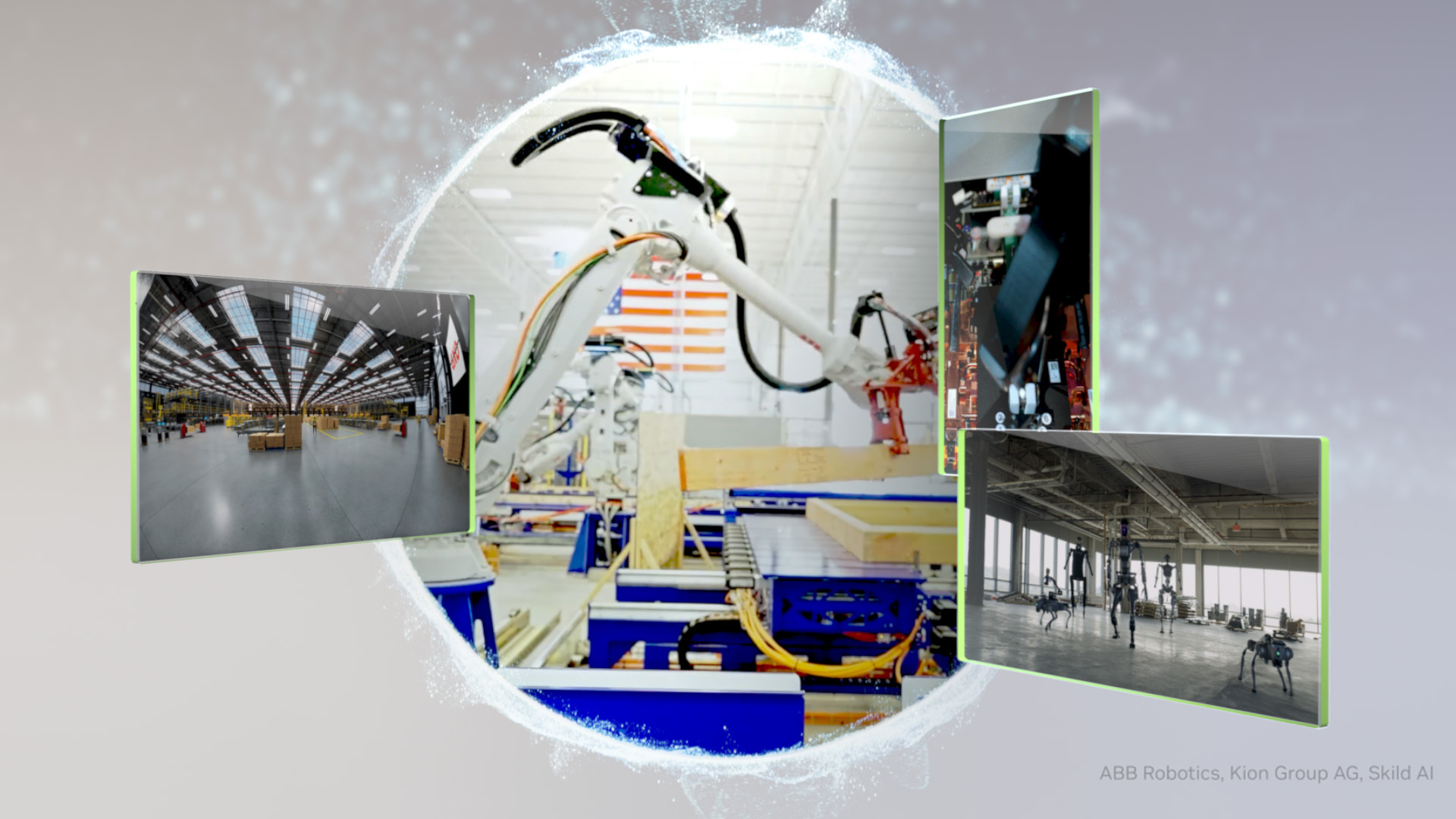
Operators tweak layouts virtually. Efficiency jumps. KION with Accenture, Siemens? They’re twin-ing warehouses for GXO’s Jetson forklifts. Factories as robots themselves, per Lebaredian.
But look closer. It’s PR polish on a GPU annuity play. Sims run hot on H100s, Blackwell. NVIDIA sells the dream — and the iron. Who profits? Them, obviously. End-users get faster builds; we get another layer of vendor lock.
And OpenClaw? Open-source agents orchestrating claws — tools, memory, workflows on bare metal. Peter Steinberger chimes in:
“With NVIDIA and the broader ecosystem, we’re building the claws and guardrails that let anyone create powerful, secure AI assistants.”
Nice. Extends the stack to ops. Yet, guardrails? In a world of hallucinating agents? Skeptical sniff test failed.
Strip the fluff: OpenUSD scales physical AI by uniting CAD, sims, telemetry. Omniverse Kit, Isaac Sim convert files smoothly. FANUC, Fauna Robotics validate bots virtually. No more siloed hell.
Why Does OpenUSD Suddenly Matter for Your Robot Dreams?
Everyone expected Omniverse to fade — cute for Pixar renders, irrelevant for chips. Wrong. It’s the glue. Scene-description lingua franca, physically accurate. Teams collab in shared worlds.
Mega Omniverse Blueprint? Factory twins for robot fleets. Deploy zero bots till sim greenlights. Logistics? Transformed. Manufacturing? Ditto.
Here’s my beef. NVIDIA’s PR screams ‘turning point,’ but it’s evolution, not revolution. We’ve seen sim hype before — Detroit’s virtual crash tests in ‘05, never fully scaled. Physical AI needs this, yeah. But monetization? Blueprints are reference arches, not turnkey. Devs still sweat integration.
Historical parallel: Like Netscape pushing Java applets for web apps. Omniverse pushes USD for physical worlds. Browsers won; sim standards might too. NVIDIA? The Mozilla of AI factories, if they don’t get antitrust-ed first.
Critique the spin: ‘Omniverse’ sounds sci-fi; it’s CAD 2.0 with RTX. Cosmos? glorified world models. GR00T? Humanoid brains on life support. Hype masks solid engineering — but who foots the exaflop bills?
NVIDIA dominates. For now.
Expect pushback. Open source claws nibble edges, but USD’s Pixar-blessed. Cloud duopoly (Azure, Nebius) amplifies. Startups like Skild AI thrive; incumbents like Teradyne adapt or die.
Changes the game? Marginally. Physical AI scales via sims — duh. But NVIDIA’s blueprinting the path, profiting every step. Twenty years in, I’ve seen emperors naked. This one’s clothed, barely.
Deep dive: Data Factory unifies pipelines. Limited real data → synthetic floods via augmentation. Eval baked in. No more fragmented hell. Leaders tap it for speed.
DSX? Unifies factory sims. Thermals to mechs. Pre-build opt.
CAD-to-USD? Isaac tools enrich for RT sim, collab.
All feeds robot skills, AV, factories.
The Money Trail: Who’s Actually Cashing In?
Forget buzz. Ask: revenue? Omniverse Enterprise subs, GPU clouds, blueprint consulting via partners. Huang’s empire expands — sim software as services, data as byproduct.
Skeptical vet verdict: Legit progress. Not messiah. Robots viable in 3-5 years, sim-heavy. NVIDIA wins big.
But edge cases? Real world laughs at sims. Long-tail data still king. Compute-data parity? Dream on.
Game on.
🧬 Related Insights
- Read more: NVIDIA Turbocharges Gemma 4 for RTX-Powered Local Agents
- Read more: Raspberry Pi 5 Hits $305: Memory Crunch Bites, Intel Bets on Musk’s Terafab
Frequently Asked Questions
What is NVIDIA Omniverse and physical AI?
Omniverse is NVIDIA’s platform for collaborative 3D sims using OpenUSD. Physical AI trains robots/vehicles in virtual worlds mimicking reality, scaling beyond real data limits.
Does NVIDIA’s Physical AI Data Factory replace real-world training?
No, it generates synthetic data from real scraps — augments for long-tail cases. Real data seeds it; compute scales it.
Will Omniverse blueprints work for small robotics teams?
Reference arches, so adaptable but GPU-heavy. Clouds like Azure make it accessible; start small, scale up.