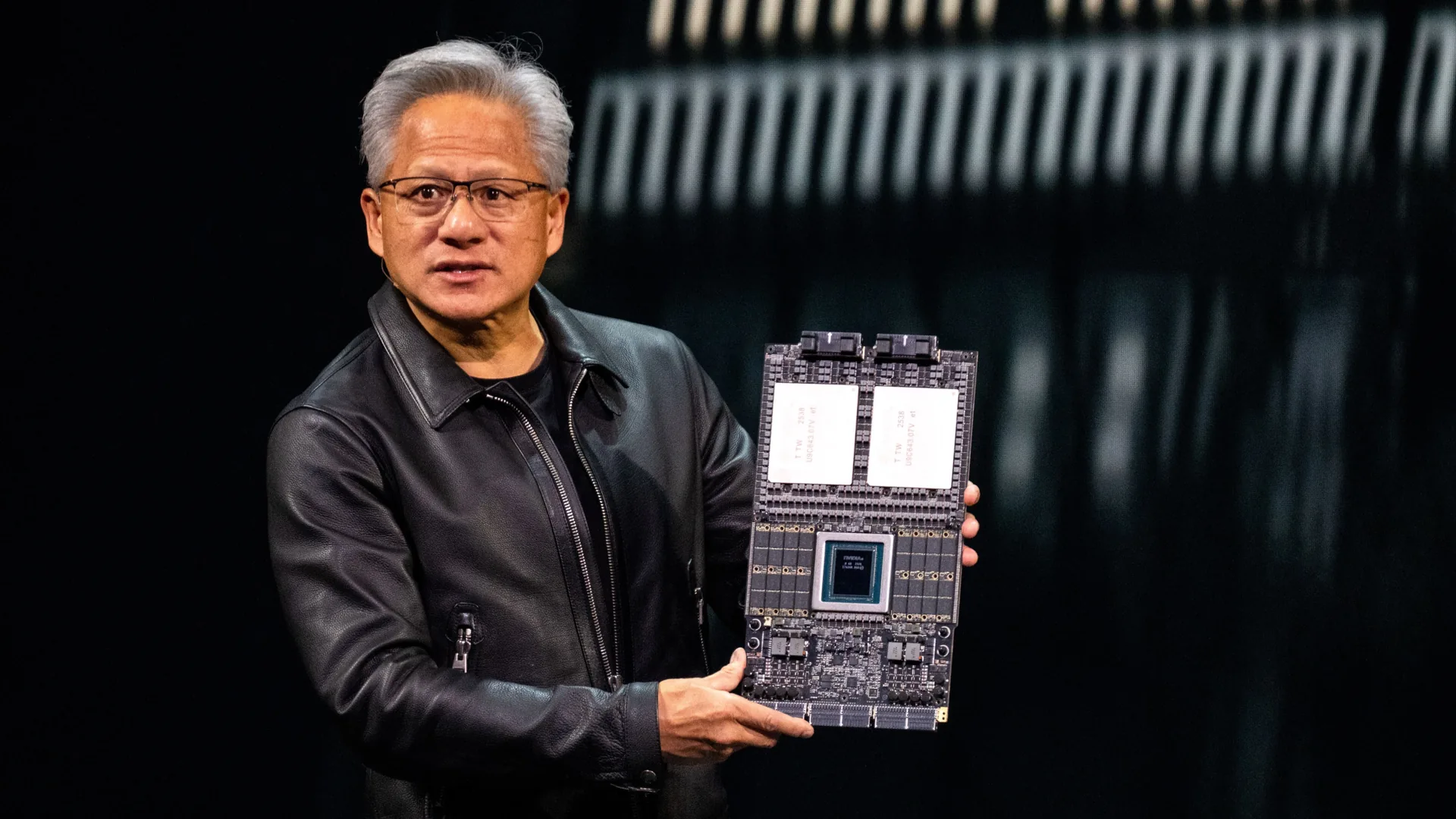
Everyone figured Nvidia’s next big AI leap — the Vera Rubin platform with its Groq 3 language processing units — would lean hard on the usual suspects for those finicky FC-BGA substrates. You know, the Japanese heavyweights like Ibiden or Shinko, who’ve long held sway in high-end packaging. Or maybe TSMC’s ecosystem partners. But here’s Samsung Electro-Mechanics, Korea’s under-the-radar powerhouse, reportedly snagging a leading role.
This isn’t some footnote supply deal. It’s a strategic thrust into advanced packaging, where substrates make or break inference chip performance. Groq’s LPUs are all about speed for AI workloads, and Nvidia’s folding them into Vera Rubin amps up the stakes. Samsung’s move? It changes the game — diversifying Nvidia’s chain away from Taiwan quake risks and U.S. export jitters.
Samsung Electro-Mechanics has reportedly secured a leading position in the supply chain for advanced substrates used in the Groq 3 language processing unit (LPU), a next-generation inference chip integrated into Nvidia’s upcoming Vera Rubin AI platform.
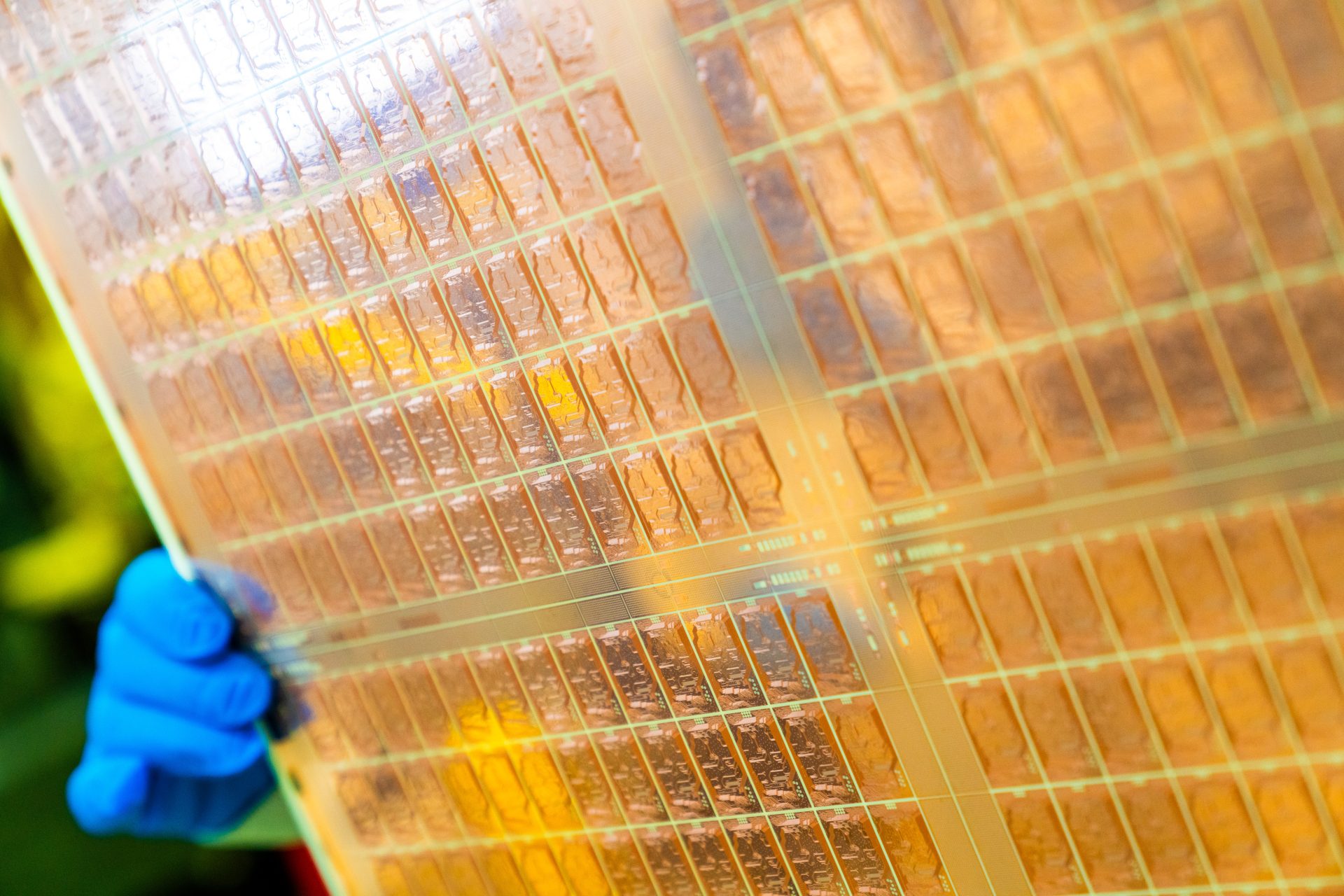
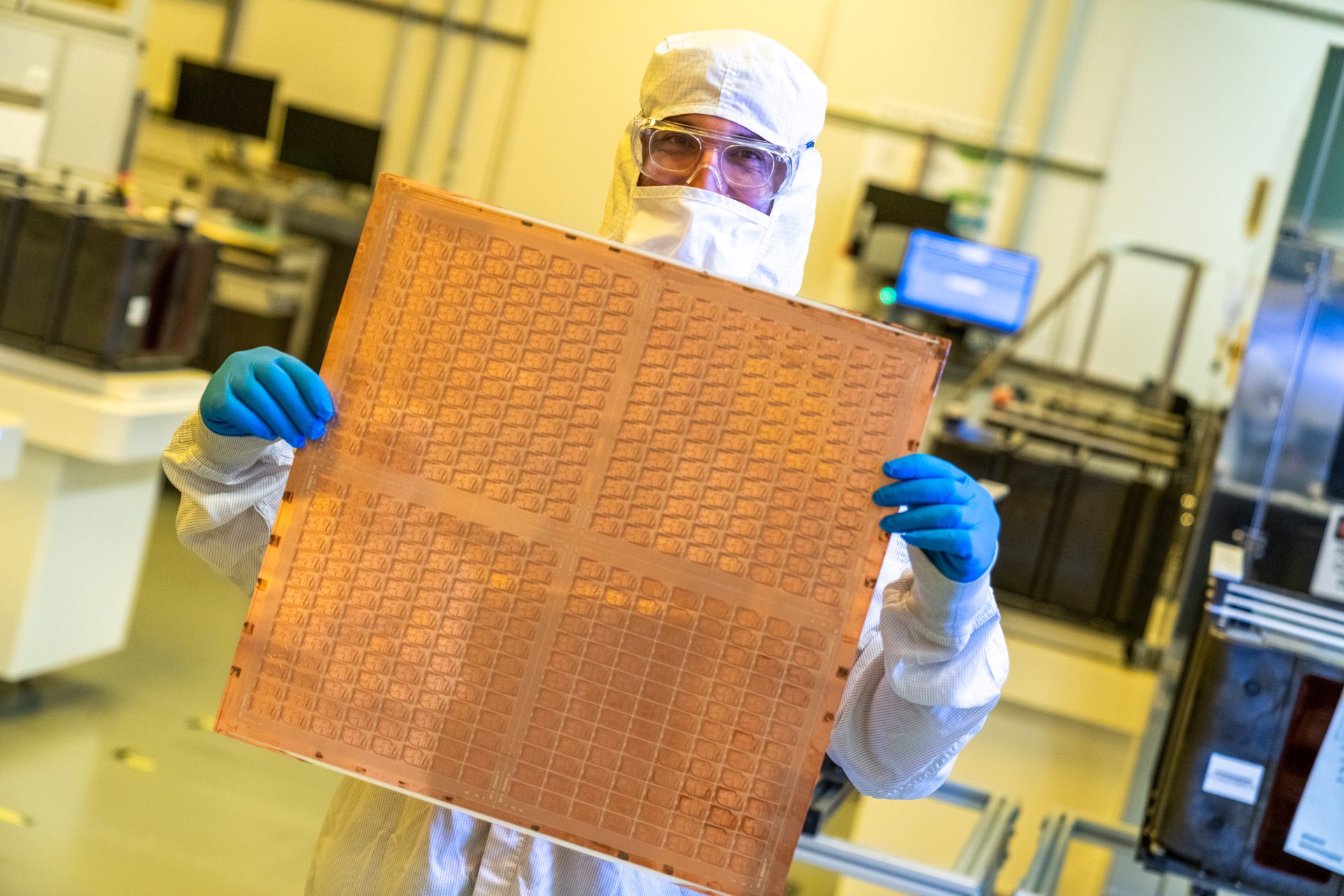
Look, substrate wars aren’t sexy, but they’re brutal. These FC-BGA (Flip Chip Ball Grid Array) boards — ultra-thin, multi-layer marvels handling insane I/O densities — are the unsung heroes packing more transistors closer together. Nvidia’s Vera Rubin, slated for 2026 ramps, demands them at scale. Samsung’s ramp-up means they’re not just dipping toes; they’re investing billions in Busan fabs, chasing yields that rival Japan’s best.
Why Samsung Electro-Mechanics in Nvidia’s Groq 3 LPU Chain Now?
Timing’s everything. Nvidia’s Blackwell GPUs already strained substrate supplies last year — remember those delays? Groq 3 LPUs, optimized for trillion-parameter models, crank that up. Samsung saw the gap. They’ve been quietly scaling FC-BGA since 2022, hitting 10-layer boards with sub-100 micron lines. Market data from TrendForce pegs advanced substrate demand exploding 25% CAGR through 2028, Nvidia alone gobbling 40% share.
But — and this is key — Samsung’s no newbie. They dominate HBM substrates already, shipping to SK Hynix for Nvidia’s H200s. This Groq pivot? It’s vertical integration on steroids. Korea’s gov’t subsidies help, sure, but Samsung’s edge is yield: rumored 90%+ on complex FC-BGAs, vs. competitors’ 80s.
A single sentence here: Smart.
Now, drill down. Vera Rubin’s architecture blends Groq’s inference muscle with Nvidia’s CUDA ecosystem. Substrates must handle 12,000+ pins, thermal loads from 1,000W dies. Samsung’s pushing embedded passives — resistors baked right in — slashing inductance by 20%. That’s not hype; it’s physics delivering lower latency for real-time AI. Nvidia’s multi-sourcing? It’s insurance against geopolitics. Taiwan’s 70% packaging lock-in feels shakier post-earthquakes and Trump-era tariffs.
Does This Weaken TSMC’s Grip on AI Packaging?
Not yet. TSMC’s CoWoS and InFO still rule interposers. But substrates? That’s Samsung’s lane. Historical parallel: Think 2010s memory wars. Samsung crushed Micron on DRAM yields through sheer capex aggression — $20B+ yearly. They’re repeating it here. Bold prediction: By 2027, Samsung captures 30% of Nvidia’s substrate spend, forcing price wars that drop FC-BGA costs 15%.
Critics call it PR spin — Samsung’s stock popped 5% on the report, but yields can flop. Remember their 2023 HBM stumbles? Still, data says otherwise. Q2 earnings showed packaging revenue up 40% YoY. Nvidia’s Vera Rubin tape-out whispers confirm multi-vendor quals.
And the ripple? Groq benefits too. Their LPUs hit 1.5 petaflops inference; better substrates mean denser racks, lower power bills. Cloud giants like Microsoft, already Groq partners, cheer quieter supply.
Samsung’s not stopping. They’re eyeing glass substrates next — crazier thin, for post-2028 chips. Nvidia’s Rubin Ultra? Count ‘em in.
This strengthens Korea’s hand in AI. U.S. CHIPS Act funnels $6B to Samsung Austin, but supply chain’s global. China’s SMIC lurks, but U.S. bans crimp them. Samsung’s neutral ground — wins.
One wild card: Yields under volume. If Samsung hits 95%, they own it. Slip to 75%? Back to Japan.
**
🧬 Related Insights
- Read more: Broadcom’s Quantum-Safe Fibre Channel Trick: Encryption Without the Pain?
- Read more: Sharp’s Poketomo: Edge AI That Remembers Without Spilling to the Cloud
Frequently Asked Questions**
What is FC-BGA substrate in Nvidia chips?
FC-BGA substrates are high-density interconnect boards that mount AI chips like Groq 3 LPUs, handling power delivery and signals for peak performance.
Will Samsung replace Ibiden for Nvidia substrates?
Not fully — Nvidia multi-sources, but Samsung’s scale could grab 25-30% share by 2026, pressuring prices down.
How does Groq 3 LPU fit Nvidia’s Vera Rubin?
It’s an inference accelerator integrated for faster AI serving, boosting Rubin platforms beyond GPUs alone.