181 times. That’s the dark current spike from just 30 days in Jupiter’s radiation hell, turning your fancy camera into a blurry mess.
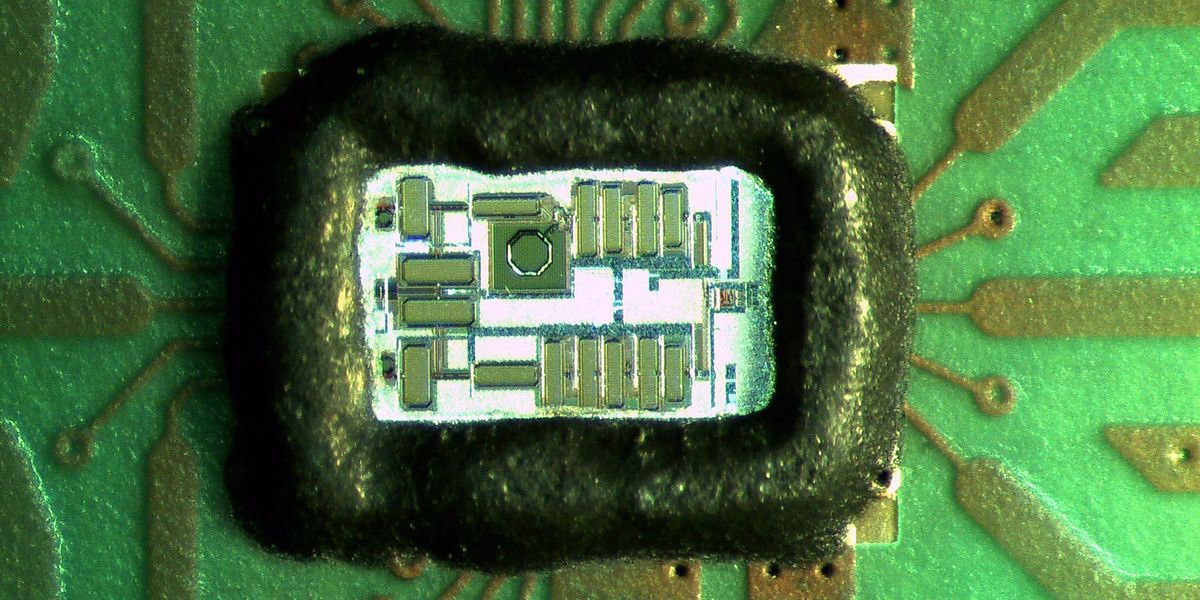
I’ve chased Silicon Valley’s wild promises for two decades now—self-driving cars that weren’t, AI that fizzled—and this self-healing imager? It actually smells legit. Presented at ISSCC last month, it’s a 128x128 pixel CMOS beast from boffins at Southern University of Science and Technology and Kyoto University. Designed to shrug off the charged particle barrage around the gas giant, while slashing data downlink by 75%. No more waiting for NASA to play oven with the whole rig, like they did with JunoCam last year.
Juno’s camera? Fried by orbit 56. They baked it. Images cleared up as it swung by Io. Crude, but it worked. This chip? Smarter. Fixes one pixel at a time, on the fly.
Can a Pixel Really Heal Itself in Space?
Radiation’s a sneaky bastard—protons, electrons, gamma rays trap charges, displace atoms, leak current everywhere. Dark pixels glow when they shouldn’t. The fix? Annealing heat. But instead of toasting the entire board (risky in orbit), this design sniffs out hot pixels during shuttered readouts. Exceeds threshold? Bam—strong current pulse right to that transistor. Neighbors fill in the gap by averaging. Logic glitches? Voltage zap ‘em too.
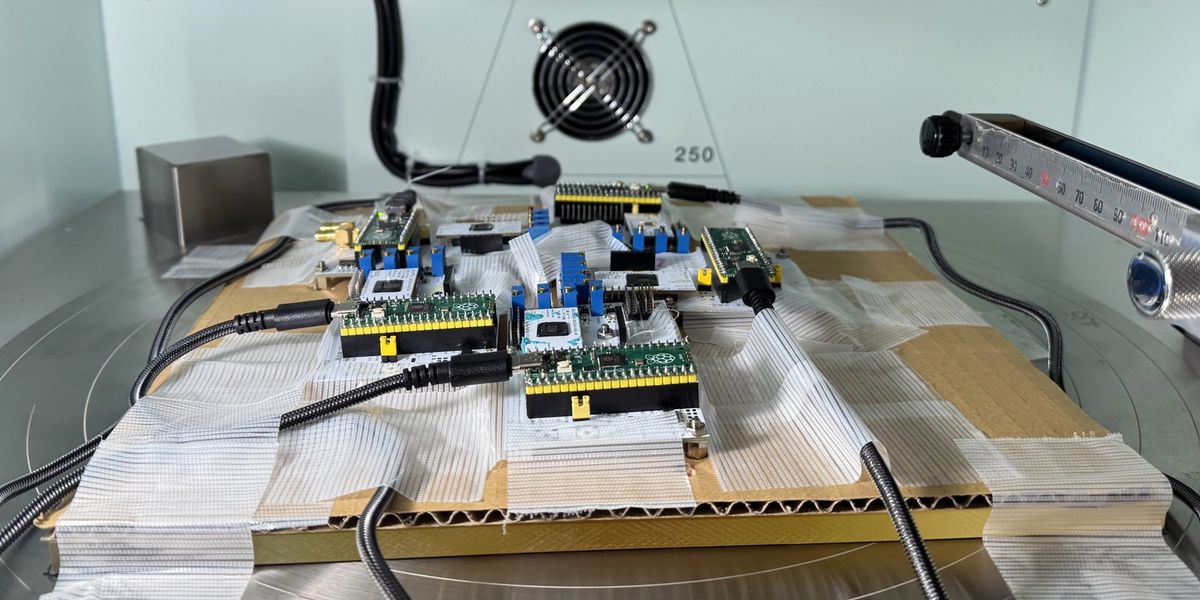
Tested with 20 kilograys—Jupiter’s 30-day dose. Images went to hell. Four healing rounds? Near-perfect recovery. Leakage gone.
“We just capture the region of interest.”
That’s Quan Cheng, the lead guy now at Brown, explaining the edge-detection compression that guts data bloat.
Smart. Spacecraft bandwidth’s precious; why beam back boring sky?
But here’s my unique angle, one you won’t find in the ISSCC slides: this echoes the ’90s rad-hard rush for Cassini, where bulky gallium arsenide chips guzzled power and real estate. NASA’s Europa Clipper, launching soon, will dance near these belts—bet this tech sneaks onto its imager upgrades, saving pounds of shielding. Prediction: by 2030, every outer-planet probe packs self-healers, turning radiation from mission-killer to minor annoyance. Who profits? Not just academics—Ozark Integrated Circuits types, sniffing extreme-env contracts.
Why Bother for Earth Orbit Junk?
Jupiter’s extreme, sure. But cosmic rays nibble our sats too—Starlink’s got thousands up there, dodging single-event upsets. This isn’t just Jovian; it’s LEO practical. Less data? Cheaper ops. Self-repair? Longer life, fewer launches.
Longyang Lin, from Shenzhen, calls it an “add-on” to shielding. Not replacement. Fair. But Matt Francis at Ozark nails it:
“Their method requires far less space than competitive approaches by taking advantage of the addressability of the pixel array and pulsing power into the target circuit.”
Wide-bandgap exotics? Costly, chip-hogging. This? Elegant hack on plain CMOS.
Look, I’ve seen PR fluff bury real engineering. This ain’t that. Prototype works. But scaling to mega-pixel arrays for Europa flybys? That’s the grind. Foundry yields under rad stress? Unproven. And who’s bankrolling fab runs—NASA grants or venture vultures eyeing space startups?
Cynical me asks: in a world where SpaceX iterates rockets like code, will agencies adopt or stick to tried-true tin boxes? History says slow. Juno’s heat trick was desperation; this is evolution.
Pixels heal independently—imaging rolls on. Mask the column, interpolate. Minimal blackout. Compression hunts edges, skips the void. 75% less bits to Earth. For Io’s sulfur-spewing volcanoes or Ganymede’s ice cracks, that’s gold.
Damage modes? Oxide traps, lattice knocks. Heat jostles ‘em free. Proton-heavy Jupiter mimics worst-case protons here.
The Money Trail: Who’s Cashing In?
Always my question. Academia demo—check. Brown, Kyoto, Shenzhen. Next? DARPA? ESA? Or commercial sats firms like Planet Labs, battling ray-flips daily.
Francis’s Ozark builds for hellscapes—oil rigs, nukes. They’ll license this, mark my words. Shielding’s old-school; pixel zappers are the future. But hype alert: not invincible. Extreme doses still need armor. Lifetime extender, yes.
Twenty years in, I’ve learned: buzz like “self-healing” screams investor bait. Yet data holds—181x recovery. I’ll watch Clipper’s feed close.
Earth sats gain too. Cosmic rays don’t discriminate.
🧬 Related Insights
- Read more: NVIDIA RTX PRO 6000 Blackwell Workstation: Desk-Side AI Power or Overhyped Desk Filler?
- Read more: Intel Core Ultra 270K: Killer Specs, Murderous Market
Frequently Asked Questions
What is a self-healing imager?
It’s a CMOS camera chip that detects radiation-damaged pixels, heats them individually to anneal the silicon, and keeps snapping pics while compressing data 75%.
How does radiation damage space cameras?
Fast particles trap charges, displace atoms, causing dark current leaks and corrupted images—Jupiter amps it 181x in a month.
Will self-healing chips fly on Europa Clipper?
Not confirmed, but with Clipper eyeing Jupiter’s belts in 2030, this tech could extend imager life without bulky shielding—watch NASA contracts.