The hum of servers, the glow of monitors — it’s the familiar backdrop to the tech world. But beneath the surface, tectonic plates are shifting, and Intel is clearly bracing for impact, appointing two key figures to navigate the oncoming wave of AI. This isn’t just about new faces; it’s about a strategic realignment, a declaration that the company is betting big on artificial intelligence as the fundamental platform shift of our time.
Shifting Gears: Client Computing Meets Physical AI
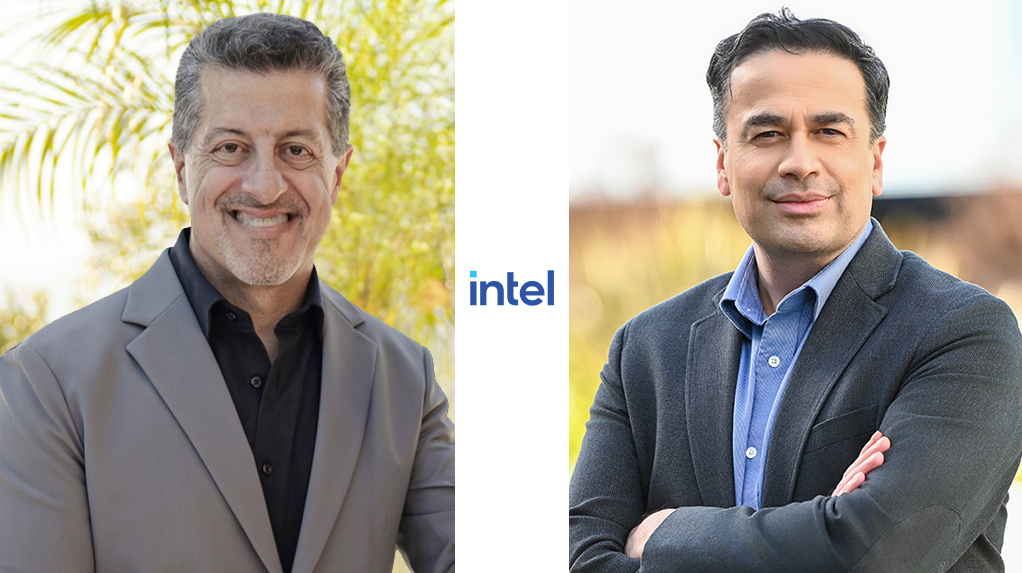
Alex Katouzian’s arrival as executive vice president and general manager of the Client Computing & Physical AI Group is the headline grabber here. Intel isn’t just talking about AI PCs anymore — a concept that feels almost quaint already. No, they’re talking about aligning client computing with ‘emerging physical AI systems.’ Think robotics, autonomous machines, and devices that don’t just compute but act in the real world. It’s like moving from a calculator to a self-driving car, all powered by intelligent silicon.
Lip-Bu Tan, Intel’s CEO, hits the nail on the head, calling AI an “unprecedented opportunity at the edge.” This isn’t about stuffing more AI features into a laptop; it’s about rethinking what a ‘client’ even means when AI is embedded in everything from our smart appliances to the factories that build them. Katouzian, a veteran from Qualcomm with a knack for scaling complex platforms, is being tasked with this monumental reimagining. His mandate is clear: push Intel’s client business beyond the traditional PC mold and weave it into this burgeoning ‘physical AI’ ecosystem.
The Architect of Tomorrow’s Tech?
Then there’s Pushkar Ranade, now officially Intel’s Chief Technology Officer. Transitioning from an interim role, Ranade’s purview is expansive, touching everything from quantum computing and neuromorphic architectures to photonics and novel materials. These aren’t just buzzwords; they are the very building blocks of the next computing paradigms. It’s akin to a chef not just perfecting a recipe but also sourcing and experimenting with entirely new ingredients and cooking techniques.
Ranade’s dual role as chief of staff to the CEO is particularly telling. It underscores the critical need for Intel’s technological vision to be inextricably linked with its business objectives. There’s no room for pure R&D navel-gazing; innovation must serve a purpose, a market, a future. This integration is key, ensuring that the moonshots in quantum don’t happen in a vacuum, disconnected from the reality of delivering AI chips for tomorrow’s devices.
A Bold Bet on AI’s Ubiquity
Intel’s press release, while couched in corporate language, vibrates with an underlying excitement. The appointments signal a profound understanding that AI isn’t just another feature set; it’s the foundational operating system for the next technological epoch. We’re moving from an era of discrete applications to an era of pervasive intelligence. This is the computing equivalent of the shift from individual tools to a connected workshop, where every machine communicates and collaborates.
“Intel is creating the foundation for AI-driven transformation, from leading in AI PCs, to scaling AI inference at the edge, and accelerating the future of physical AI systems,” said Katouzian. “I’m excited to join Lip-Bu and the Intel team at this critical moment to help scale innovation and deliver the next generation of computing experiences.”
This isn’t just corporate spin. Look around. AI is already woven into the fabric of our digital lives, and the trend line is only pointing upwards. Intel is positioning itself not just as a participant but as a foundational architect in this transformation. The real test, of course, will be execution. Can these new leaders translate ambitious vision into tangible silicon that powers a world increasingly defined by artificial intelligence? The clock is ticking, and the future, powered by AI, is already here.
🧬 Related Insights
- Read more: OpenClaw’s Rocket Ride: From GitHub Obscurity to Nvidia’s Agentic AI Obsession
- Read more: AI Chip Frenzy: Passive Components Get a Boost
Frequently Asked Questions
What does Intel’s ‘Physical AI’ group actually do?
This new group aims to integrate AI capabilities into the physical world. Think robotics, autonomous vehicles, and smart machinery, all powered by Intel chips that can not only process information but also interact with and control physical systems.
Will these appointments make Intel more competitive in the AI chip market?
These appointments signal a significant strategic focus on AI, aiming to bolster Intel’s position in a rapidly growing market. By placing experienced leaders in charge of key AI-focused areas, Intel is making a clear statement about its commitment to capturing future AI innovation.
What are the key emerging areas CTO Pushkar Ranade will focus on?
Ranade’s responsibilities include advancing Intel’s technology strategy across critical future-facing fields like quantum computing, neuromorphic computing (AI that mimics the brain), photonics (using light for computing), and novel materials.