Nvidia's Always-On Chip Spots Faces in Under a Millisecond – Powering the Awake Future
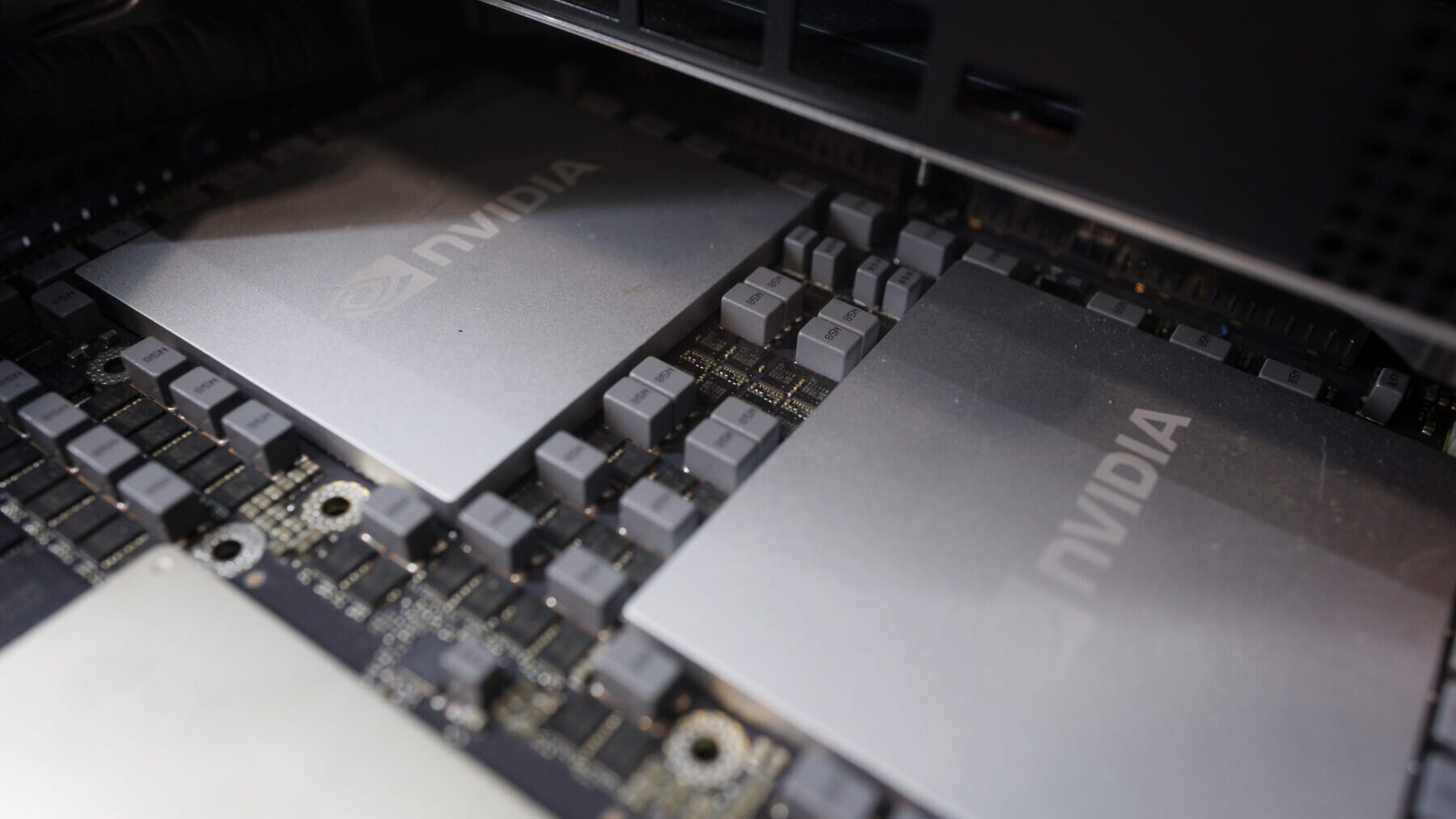
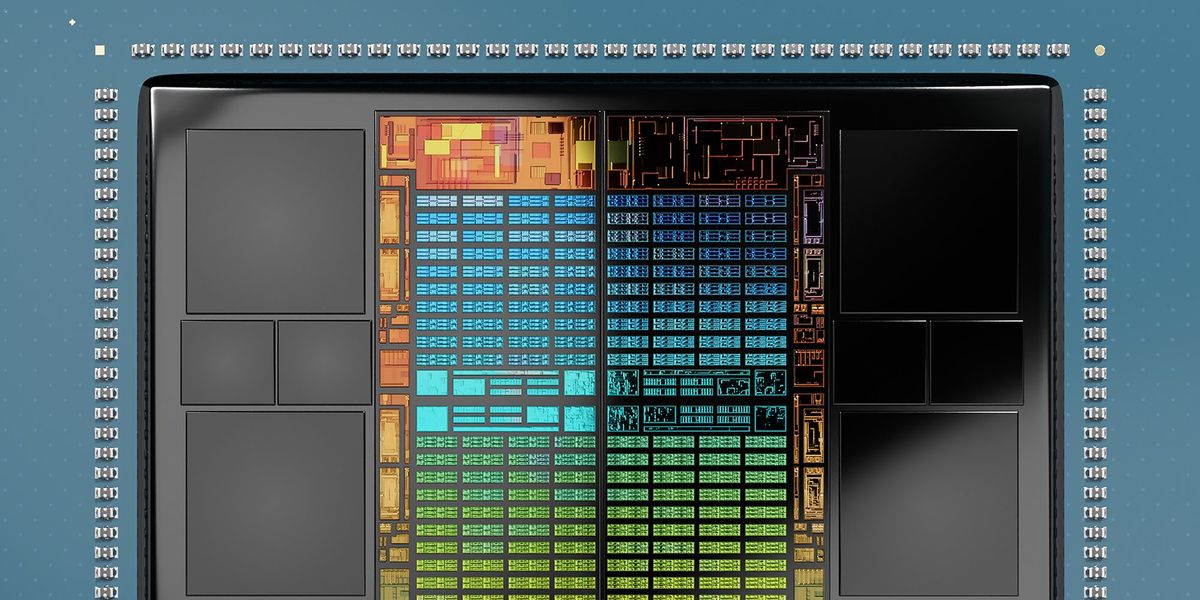
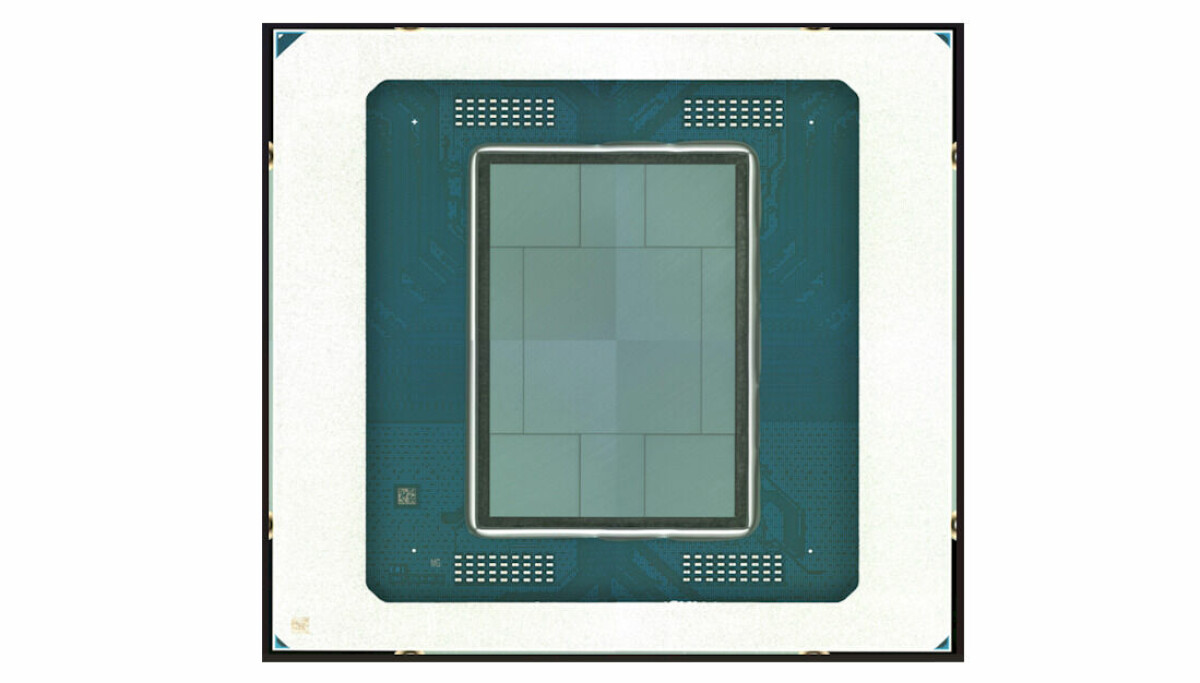
Forget power-guzzling always-on cameras. Nvidia's chip wakes, spots your face, and dozes off – all in less than a blink. This is edge AI's next leap.
AMD's $10 billion-plus AI investment in Taiwan, announced during a meeting with TSMC, signals a complex global strategy. Is this a pivot away from US ambitions or a layered approach to chip production?
Forget power-guzzling always-on cameras. Nvidia's chip wakes, spots your face, and dozes off – all in less than a blink. This is edge AI's next leap.
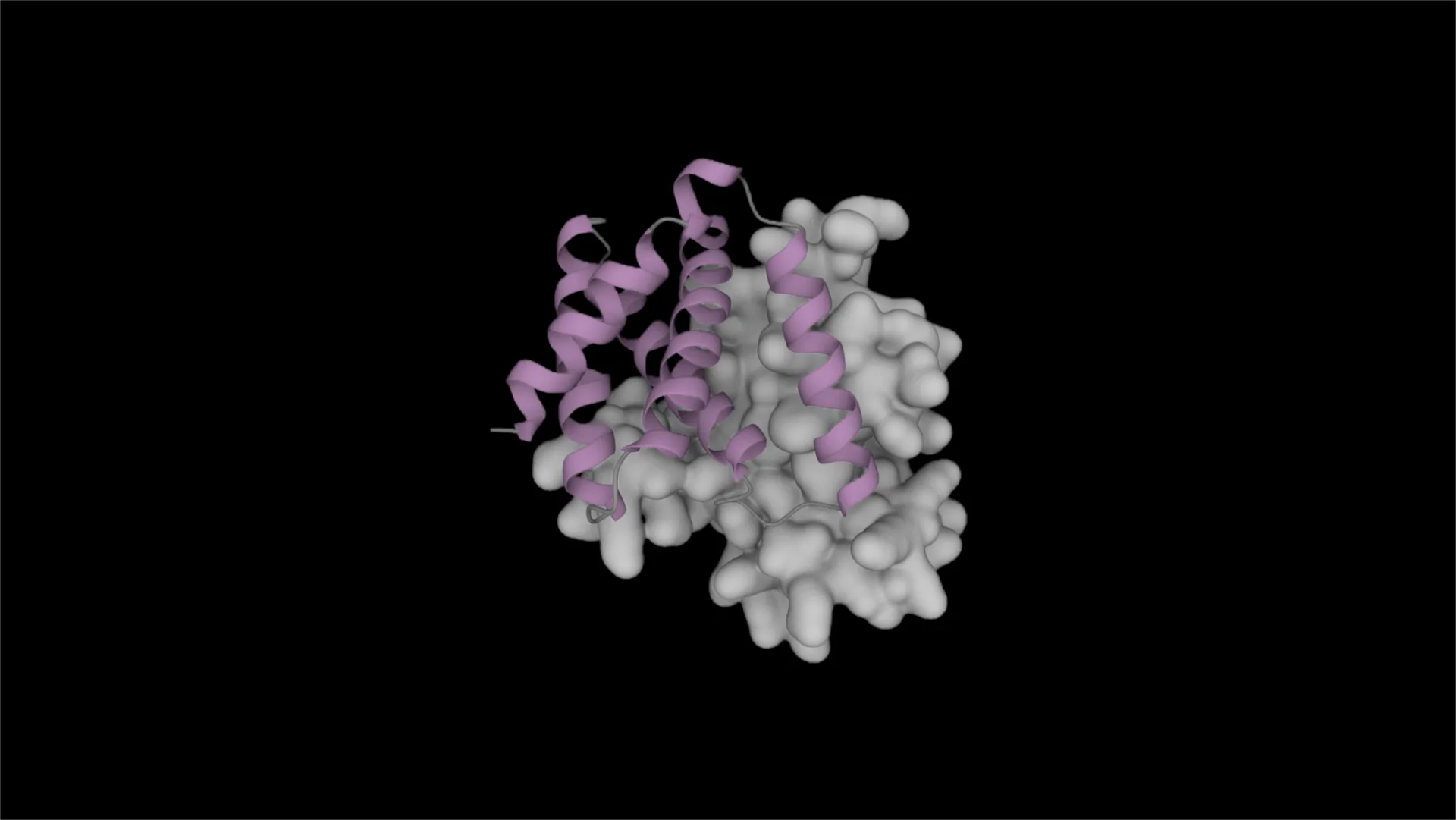
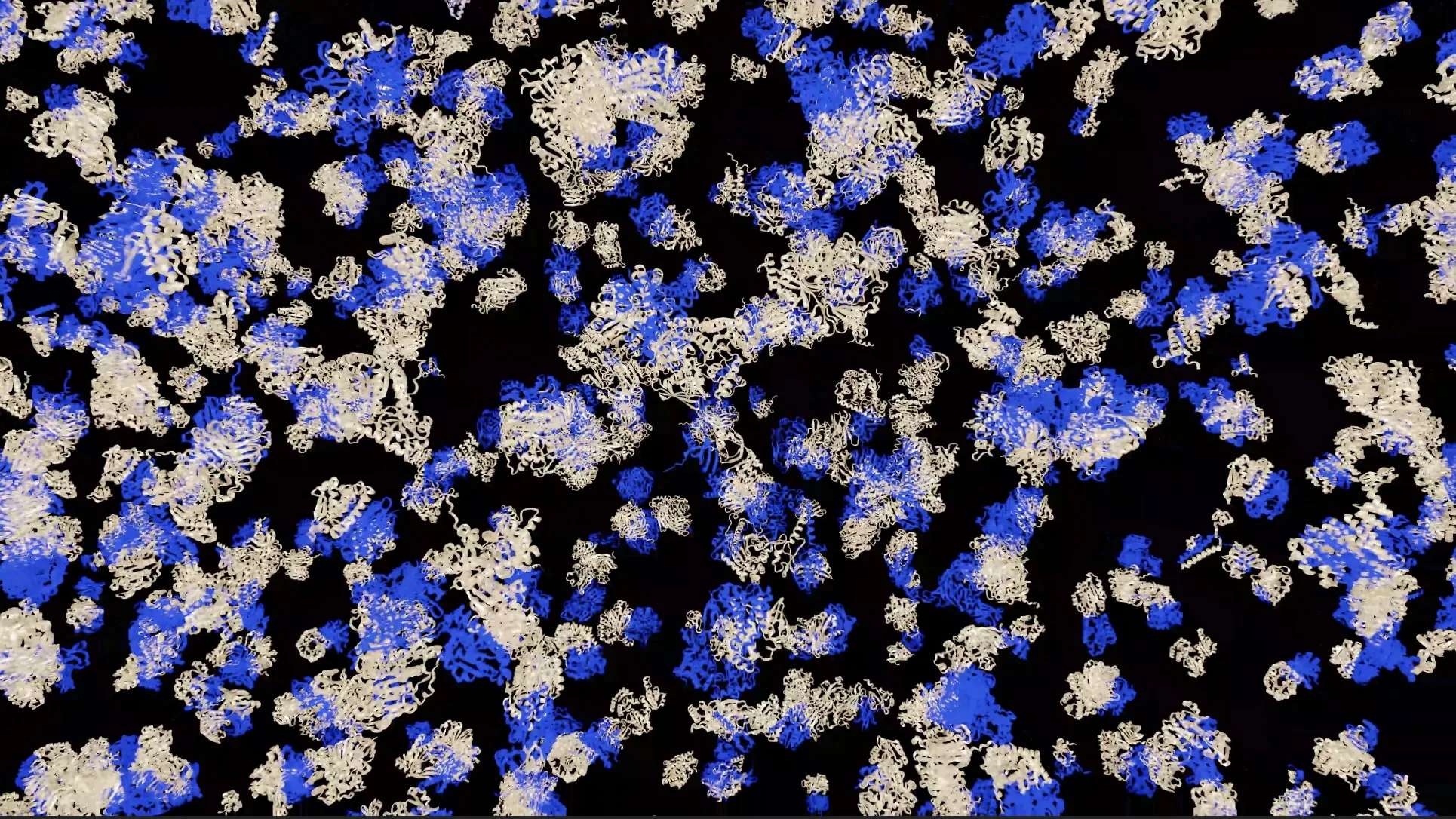
AlphaFold2 unlocked 200 million monomer structures. But protein complexes? NVIDIA's GPU blitz just predicted millions more — if you can afford the SuperPOD.
Full GPU blaze. No more idle spins. NVIDIA's batching VC-6 to blitz vision AI pipelines—but does it seal the data-to-tensor gap for real?
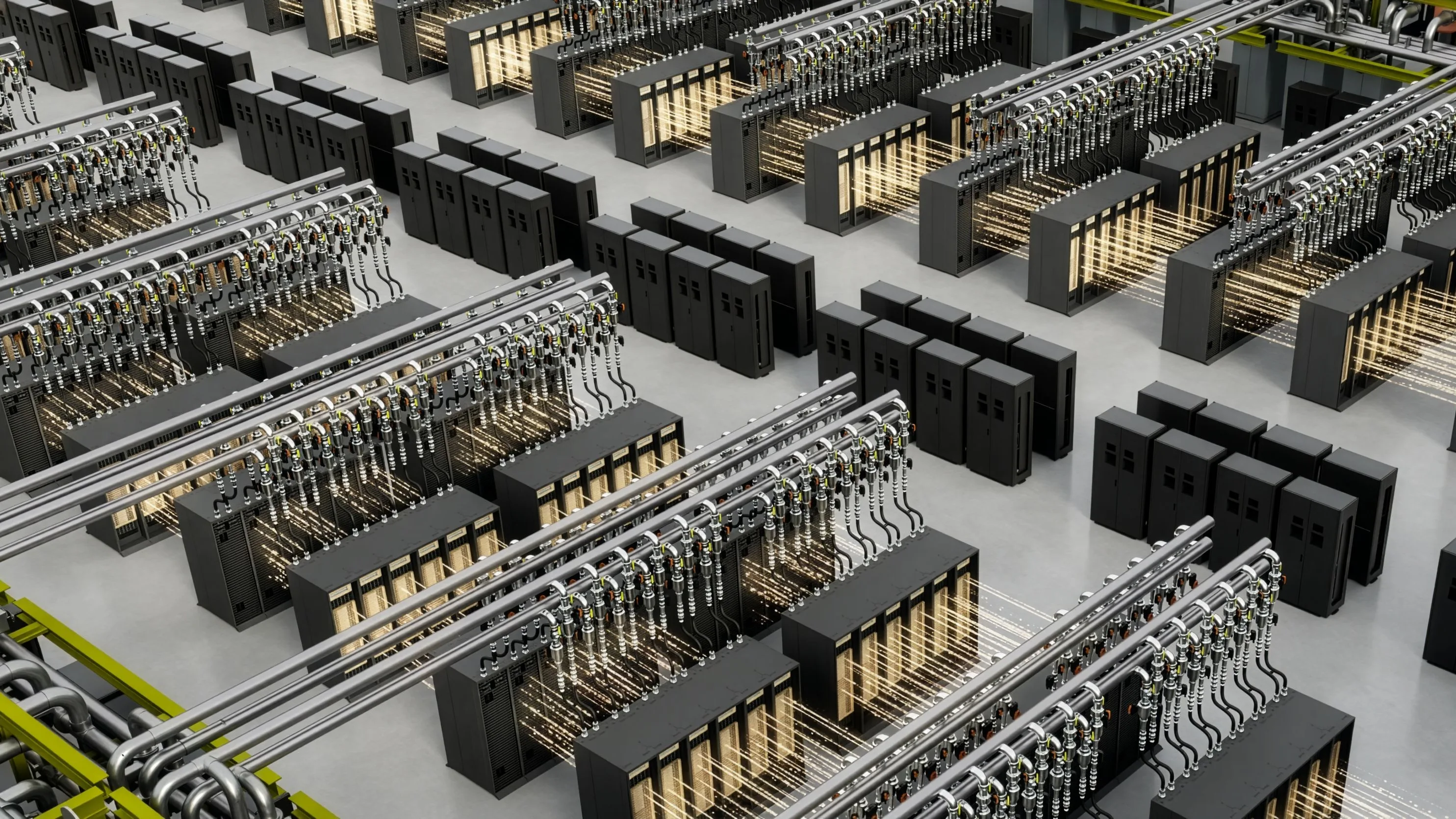
1,000,000x. That's how much NVIDIA claims its chips have boosted inference throughput per megawatt across six generations. Impressive—if it holds up outside the demo reels.
NVIDIA just dropped Proteina-Complexa, an AI that spits out ready-to-test protein binders for tough disease targets. Labs from Duke to Novo Nordisk are already validating its designs—proof that GPU muscle is invading drug discovery.
Kubernetes schedulers always treated GPUs like exclusive real estate—one pod, one card. But partitioning flips the script, cramming lightweight AI models onto idle GPU slices for massive efficiency gains.
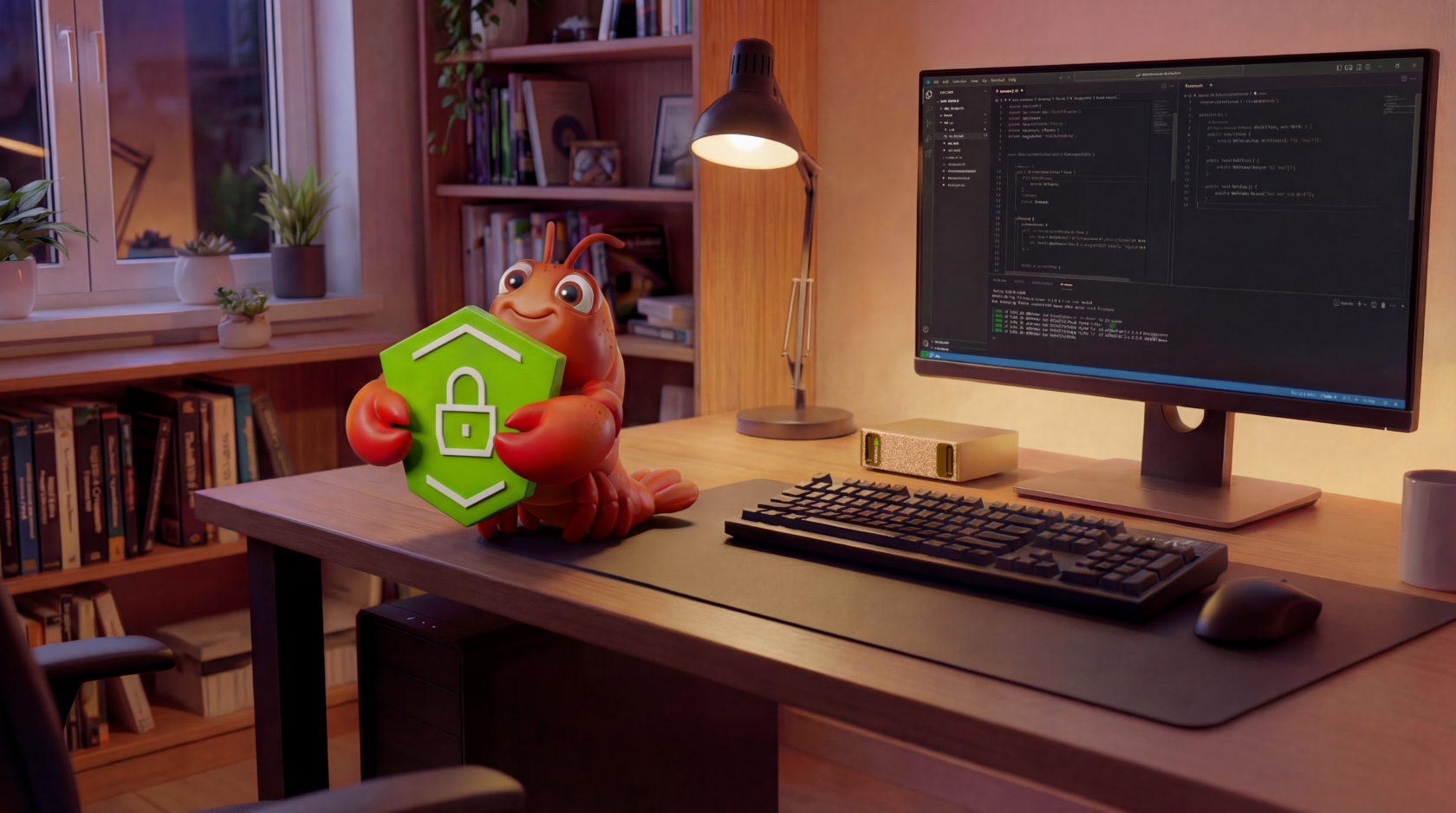
Autonomous AI agents are here, acting on files, code, and workflows. NVIDIA OpenShell promises secure-by-design runtimes—but is it enough to tame the risks?
Silicon Valley's been drooling over 3D stacked GPUs for years, promising bandwidth bliss. Imec just ran the numbers: it'd fry 'em—unless you tweak everything.
Intel's dropping its Q1 2026 numbers on April 23, but don't expect fireworks. Twenty years covering this circus, I've seen enough earnings rituals to know: the real story's in the red ink.
$305 for a 16GB Raspberry Pi 5. That's the new reality after three hikes in four months. Intel's cozying up to Musk's Terafab meanwhile—hype or help?
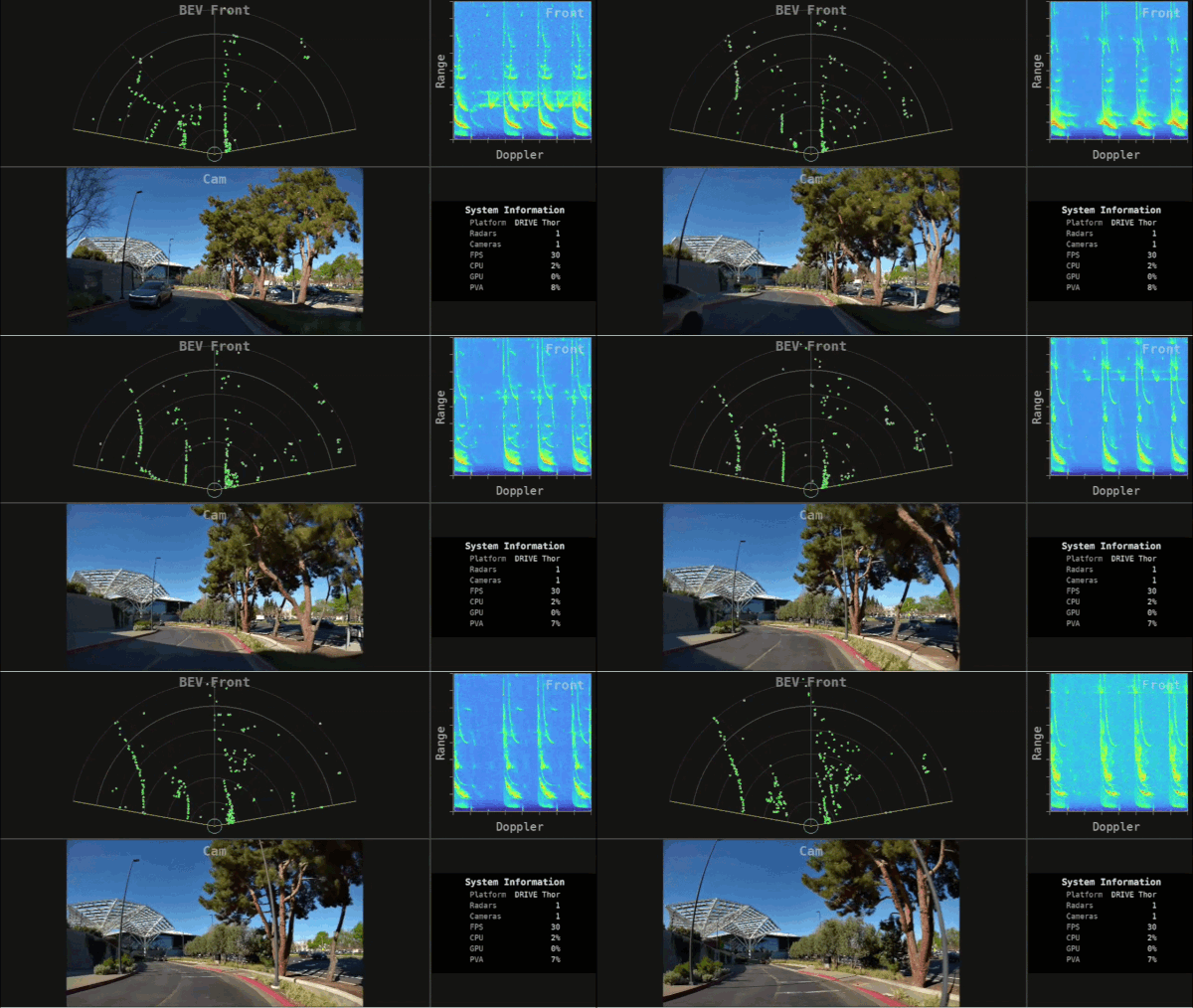
What if your autonomous car's radar could finally ditch its edge-processing shackles? NVIDIA's centralized approach on DRIVE sounds revolutionary—until you crunch the real-world numbers.
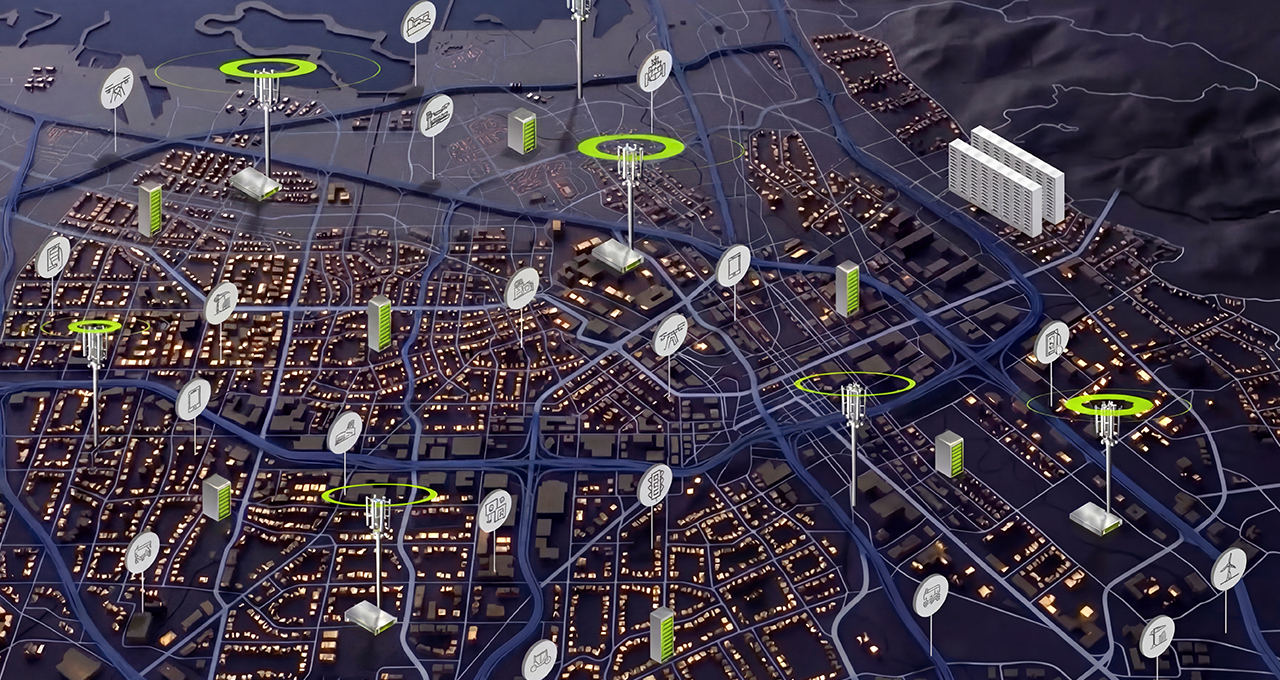
Forget centralized clouds—telcos are wiring their networks into AI grids with NVIDIA's help. It's the edge computing tsunami we've been waiting for.