NVIDIA's Flexible AI Factories: Saving the Grid or Just Selling More Chips?
What if your next AI supercluster could ease blackouts instead of causing them? NVIDIA's pushing AI factories as grid allies—but who's really cashing in?

ICP DAS wants more semiconductor controller orders. Then it wants to make medical gear out of plastic. Got it.
What if your next AI supercluster could ease blackouts instead of causing them? NVIDIA's pushing AI factories as grid allies—but who's really cashing in?
Picture a battlefield radar pinging endlessly, unsure if it's a bird or a buzzing drone incoming. BrainChip's Radar Reference Platform just fixed that forever.
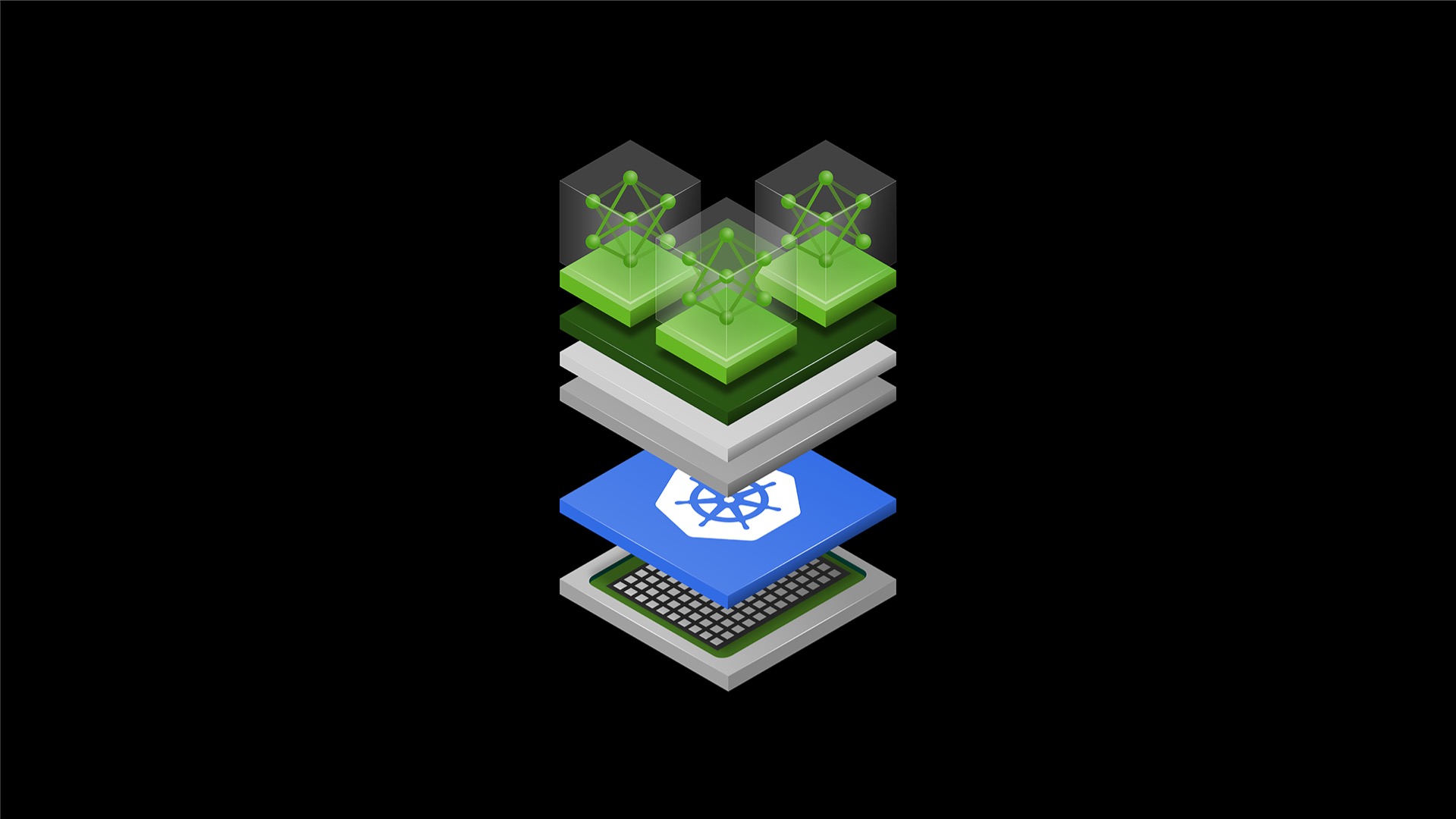
Kubernetes runs most enterprise AI — now NVIDIA's handing over its GPU-sharing tech for free. But is this pure open-source generosity, or a masterstroke to dominate AI clouds?
Abaco Systems just dropped the VP892, a beast of a 3U VPX FPGA that amps up real-time processing in brutal environments. With AMD's Virtex UltraScale+ VU13P at its core, it's 45% denser on logic—perfect for EW jammers or radar imaging.
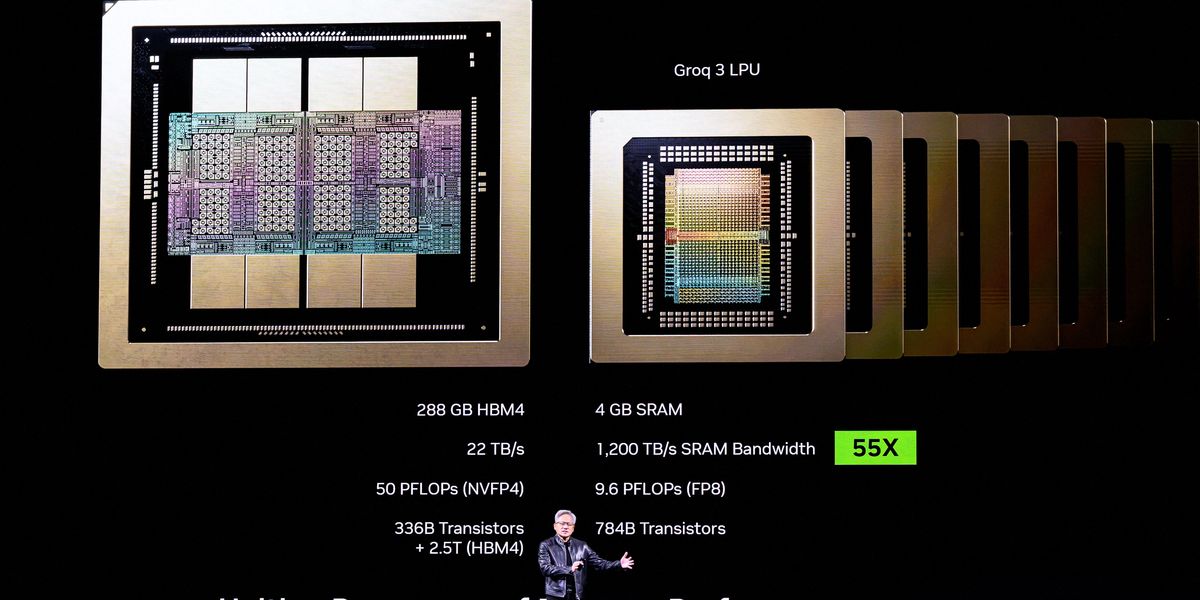
Forget the training hype—Nvidia's surprise Groq 3 LPU at GTC signals inference is now king. This lean beast prioritizes speed over brute force, reshaping data centers.
Imagine a battery anode that barely budges—2-5% volume change on full charge cycles, half what graphite endures. C-BATT's Obsidia just won top honors for it, signaling a U.S. push against import woes.
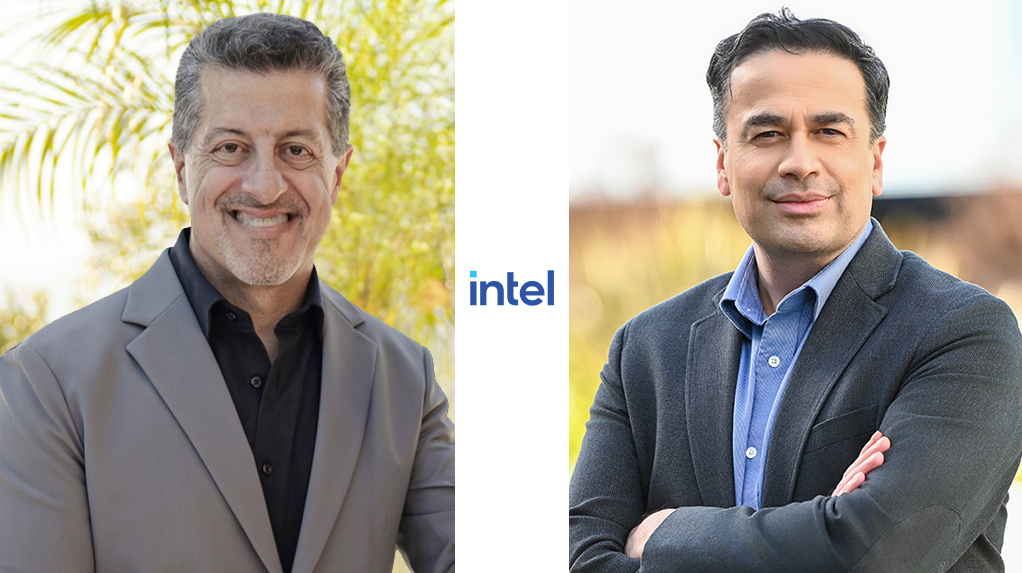
Agentic AI's production push slams into GPU limits. Intel and SambaNova counter with a Xeon 6-powered blueprint that mixes compute types for real-world scale.
Everyone figured Nvidia and TSMC would dominate the AI money train. But Taiwan's quiet distributors just proved they're the real profiteers, hitting records amid the boom.
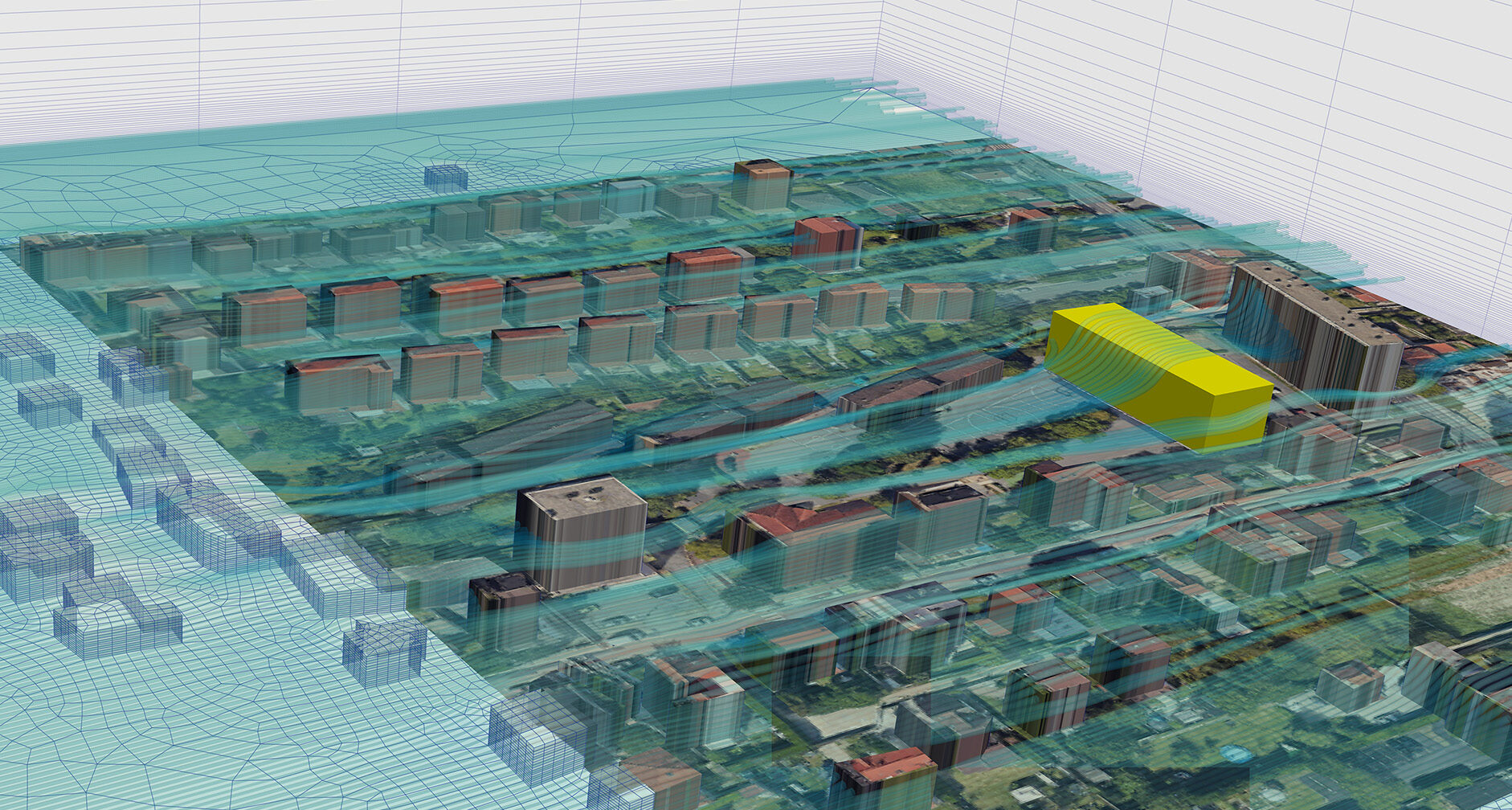
Power transformers don't play nice with harmonics or inrush currents. Finite-element methods finally let engineers see inside the storm, ditching guesswork for precision.
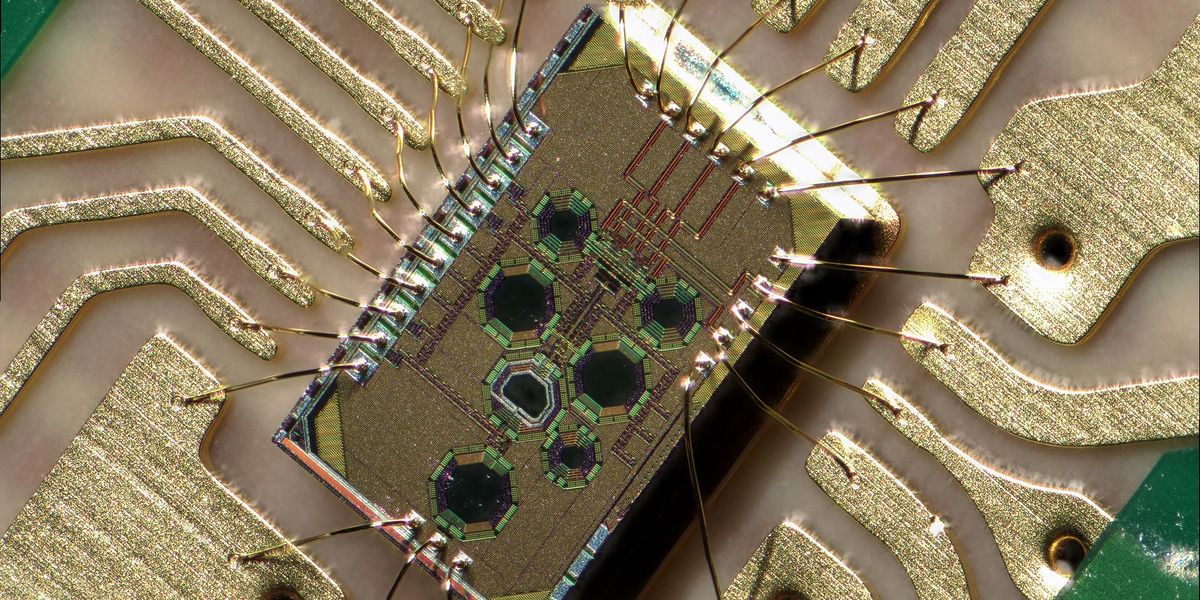
Imagine nuclear cleanup crews sidelined forever because robots tangle in cables. This radiation-tough Wi-Fi receiver changes that, paving safer paths for workers and taxpayers.
BenQ's cranking out CMP cleaning brush rollers, shipping them straight to wafer fabs. But after 20 years watching Valley hype, I'm asking: does Taiwan's display vet have what it takes for silicon's dirty work?
Ever wonder why AI hype skips the boring CPUs? Intel and Google just reminded everyone they're still essential. But in this GPU frenzy, is it too late?