What if your next smartphone or laptop hike wasn’t inflation’s fault—but AI’s insatiable appetite?
Yeah, the memory chip shortage gripping the industry right now. It’s not some blip. DRAM prices jumped 80 to 90 percent this quarter alone, per Counterpoint Research. Blame the GPU-munching beasts in data centers. Everyone else? Tough luck.
What Even Is This HBM Nonsense?
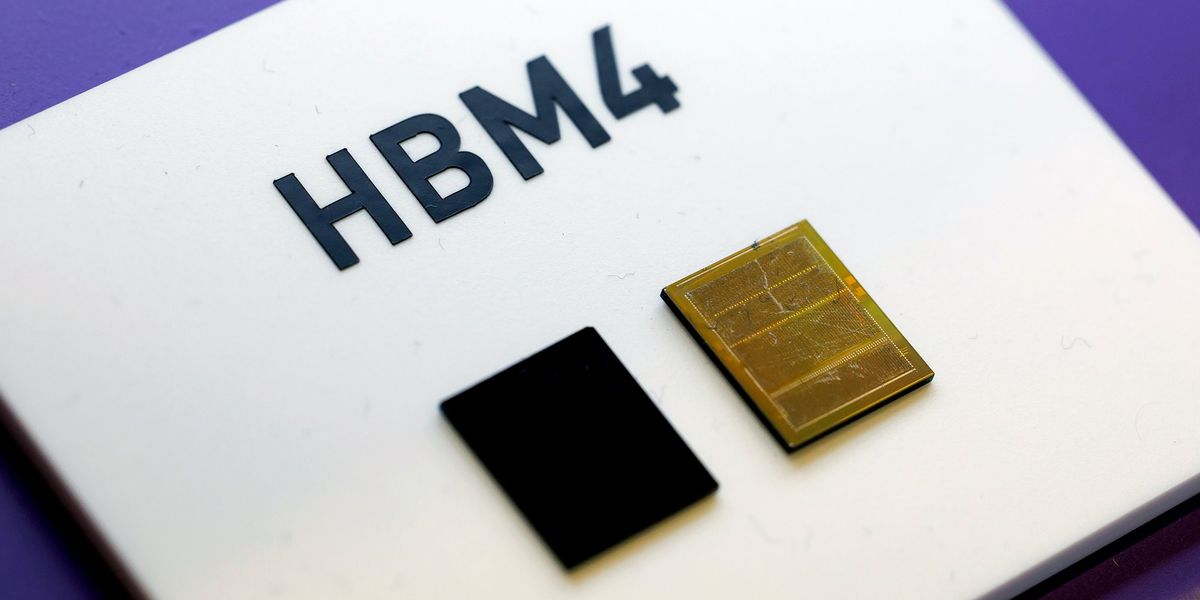
HBM. High-bandwidth memory. Sounds fancy, right? It’s the DRAM industry’s desperate hack against Moore’s Law sputtering out—stacking thinned dies like a brutalist skyscraper of silicon, connected by through-silicon vias and microscopic solder balls. Plop that tower on a base die, cram it next to a GPU with 2,048 tiny links. Boom: terabytes-per-second bandwidth to feed those bloated LLMs.
But here’s the kicker. HBM costs three times regular memory. Makes up over half the GPU’s price tag, says SemiAnalysis. And AI giants? They’re first in line. Your consumer gadgets? Rationed scraps at premium rates.
It’s been around a decade, sure. But AI models ballooned, and suddenly HBM’s king. Memory wall smashed—for them. For us? A pricing apocalypse.
“DRAM prices have risen 80 to 90 percent so far this quarter.” — Counterpoint Research
That quote hits like a gut punch. Straight from the data, no spin.
How COVID and Caution Created This Mess
Look. DRAM’s always been a rollercoaster. Booms fat with cash, busts that bankrupt the bold. New fabs? Fifteen billion bucks a pop. Takes 18 months to spin up. Companies hunker down post-crash, scared to build.
Thomas Coughlin nails it: COVID panic had hyperscalers—Amazon, Google, Microsoft—hoarding memory for remote-work rush. Prices spiked. Then 2022 flop: supply normalized, demand dipped, prices cratered. Samsung slashed production 50 percent. Desperate times.
Recovery flickered late 2023. But firms? Gun-shy. Zero new capacity bets in 2024, most of 2025. Smart, maybe. Until AI data centers exploded.
Nearly 2,000 new ones planned or building worldwide. That’s unprecedented scale smashing into that caution. Collision course.
And my hot take? This reeks of 1970s oil shocks. OPEC embargo, demand surges, new rigs take years—prices never fully crashed back. Here, AI’s the OPEC, HBM the crude. Memory firms won’t flood supply; they’ll milk it. Bold prediction: elevated prices become the new normal by 2028, even post-peak AI buildout.
When Will the Memory Chip Shortage End? (Spoiler: Not Soon)
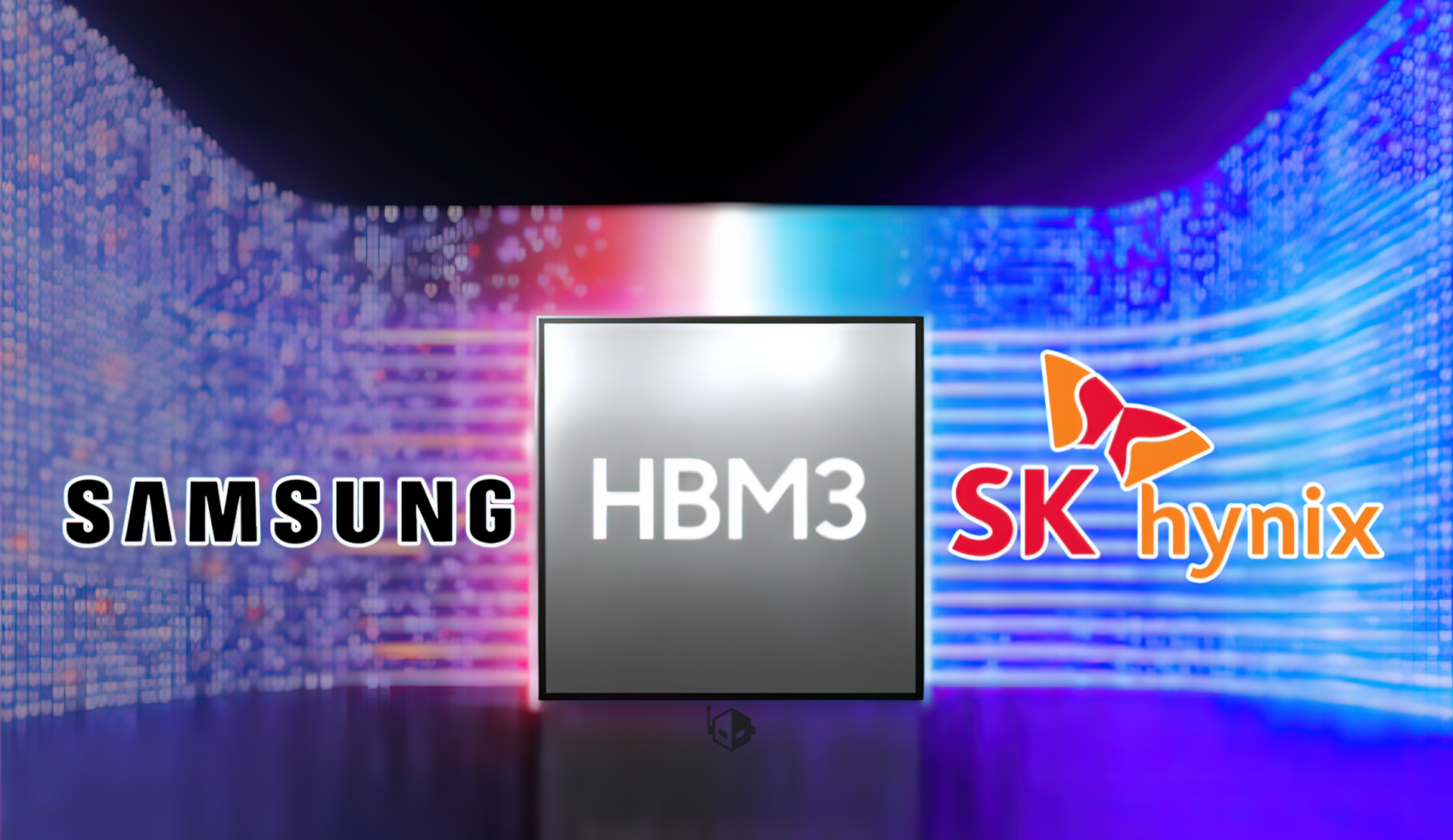
Experts whisper years. New fabs, sure—Samsung, SK Hynix pouring billions. HBM3E rolling out, HBM4 on deck. But here’s the rub: AI hardware kings snag first dibs. Capacity chases demand like a dog after its tail.
Barring AI implosion—which, let’s be real, Nvidia’s stock says nah—supply lags. 2026? Maybe easing for PCs. 2027 for full recovery? Optimistic. Prices? They’ll hover high. Why? Profit paradise. Firms finally flush, why rush to ruin it?
Corporate spin calls it ‘investment in future tech.’ Please. It’s gouging masked as innovation. Skeptical? Me too. Watch ‘em drag feet like the 2018 shortage sequel.
Short answer: Don’t bet on cheap RAM before 2027. Plan accordingly.
Why Everyday Tech Lovers Are Screwed
PCs. Phones. TVs. All scrambling. Makers pass costs down—your wallet bleeds.
Consumer gizmos need DRAM too. But AI diverts it. Supply pinch, demand drought elsewhere. Prices stick even as total capacity grows—HBM’s premium skews everything.
Dry humor alert: Congrats, ChatGPT fans. Your prompts now fund my overpriced SSD. Thanks.
Longer view? This forces innovation. Cheaper alternatives? Maybe LPDDR5X ramps. But transition hurts. And geopolitics—Taiwan tensions—looms unspoken.
One-paragraph rant: It’s cyclical history meets AI hype machine, birthing shortages that punish the little guy while hyperscalers feast. No heroes here.
The AI Data Center Gold Rush — And Its Victims
Two thousand new data centers. Insane. Each guzzling HBM like it’s free.
Profitability? Off charts for suppliers. But bust risk? If AI plateaus—say, efficiency gains cut demand—2028 glut incoming. Prices tank, fabs idle. Déjà vu.
Critique the PR: ‘New tech saves us!’ Nah. It’s delay tactic. Real fix? Diverse supply chains, not just Korean duopoly.
🧬 Related Insights
- Read more: Sharp’s Poketomo: Edge AI That Remembers Without Spilling to the Cloud
- Read more: Intel Core Ultra 270K: Killer Specs, Murderous Market
Frequently Asked Questions
How long will the memory chip shortage last?
Experts peg 2-3 years minimum. New fabs hit 2026-27, but AI priority keeps consumer pain going.
Will DRAM prices ever drop back to normal?
Unlikely soon. They’ll stabilize higher—think 30-50% premium as new baseline, thanks to HBM economics.
Is the memory shortage caused only by AI?
Mostly, yeah—colliding with industry’s caution post-COVID bust. HBM’s the spark.
Word count: ~950. Sharp enough?