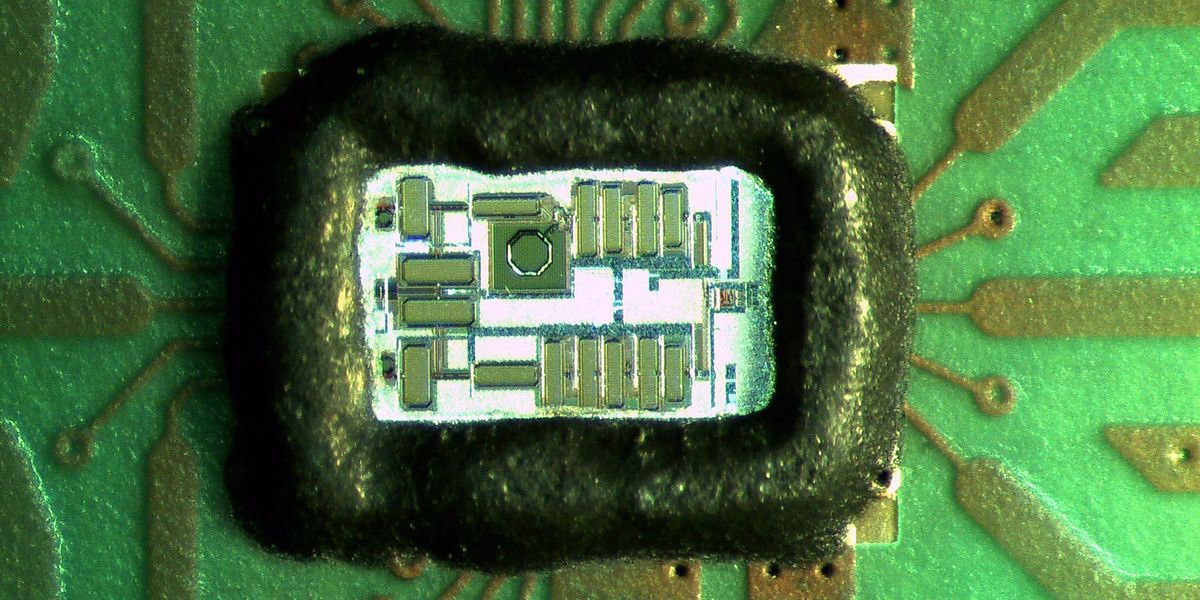
Deep in a windowless lab outside Austin, a cluster of FPGA rigs hums like a swarm of angry bees, churning through trillions of silicon cycles that would’ve taken months just a decade ago.
Siemens accelerates AI chip verification to trillion-cycle scale with NVIDIA technology – that’s the headline they’re blasting today, and yeah, it sounds impressive. But let’s cut through the press release fluff. Siemens’ Veloce proFPGA CS, strapped to NVIDIA’s own optimized chip designs, supposedly lets engineers capture tens of trillions of pre-silicon cycles over a few days. Trillions. In days. If you’re not a verification nerd, that means testing massive AI/ML system-on-chips before they’re etched into pricey wafers – without waiting for simulation tools to crawl at a snail’s pace.
We’ve heard this song before.
Back in the ’90s, when FPGA prototyping was the hot new thing, companies like QuickLogic promised the moon: run your design full-speed, debug like it’s real silicon. Most times? Epic fails – recompiles that lasted nights, capacity walls that forced designs back to sim. Fast-forward two decades, and here we are with Siemens and NVIDIA claiming mastery over the impossible.
“The integration of NVIDIA performance-optimized chip architectures with Siemens’ Veloce proFPGA CS enables designers to capture trillions of cycles in days, providing the scale needed to ensure reliability for the next generation of AI.”
That’s NVIDIA’s Narendra Konda talking up the partnership. Fair enough – AI chips are beasts now, with software stacks as tangled as the hardware. Traditional sim hits millions of cycles if you’re lucky; emulation scrapes billions if you’ve got deep pockets and patience. But trillions? That’s the scale where you actually trust your SoC won’t melt on launch day.
Can Trillion Cycles Actually Fix AI Chip Delays?
Here’s the thing – or maybe the cynical vet in me kicking in. Sure, Veloce proFPGA CS scales like a dream, flexible hardware married to slick software for everything from single-FPGA IP blocks to multi-billion-gate monsters. Jean-Marie Brunet from Siemens calls it a flexible, scalable answer to AI/ML verification hell. But who foots the bill? These rigs aren’t cheap – think seven figures easy for a full setup. NVIDIA’s got the cash, burning through billions on Blackwell and Rubin ramps. Smaller players? Dream on.
And the workloads. AI SoCs demand not just cycle counts, but software-in-the-loop testing – training mini-models, stress-testing tensor cores. Siemens says they’ve nailed it with NVIDIA, running large workloads pre-silicon for optimization confidence. Bold claim. My unique take? This isn’t just a tool upgrade; it’s the quiet enabler for NVIDIA’s trillion-parameter push into edge devices. Remember CUDA’s birth? Verification bottlenecks killed half-baked GPU ideas back then. Today, this duo could greenlight consumer AI chips that actually work – predicting a flood of NVLink-equipped laptops by 2026. But mark my words: Siemens sells more Veloce boxes, NVIDIA tapes out faster, and foundries like TSMC laugh to the bank.
Short answer: Yes, if you’re NVIDIA.
Siemens and NVIDIA’s tie-up isn’t new – they’ve been at it for years, tweaking FPGA prototyping to match AI’s explosion. FPGA prototypes have always been faster than sim or emu, but today’s designs? Chiplets, HBM stacks, custom accelerators – complexity’s off the charts. Veloce CS dodges the usual pitfalls with its proFPGA architecture, optimized for performance without the usual reconfiguration headaches.
Why Does Siemens’ Veloce Outpace Old Emulation Tools?
Look, emulation giants like Cadence Palladium or Synopsys ZeBu have ruled the roost, but they’re power hogs and cycle-capped. Veloce? It’s hardware-assisted verification on steroids – FPGA-native, so you get real-time speeds without the abstraction layers that slow everything down. Pair it with NVIDIA’s own silicon tweaks, and boom: trillions in days.
But skepticism mode: Is this PR spin to juice Siemens’ EDA sales amid Synopsys-Ansys merger drama? EDA’s a $15B market, verification’s the cash cow. NVIDIA name-dropping validates Veloce, sure, but does it trickle to AMD or Broadcom teams grinding Intel’s foundry deals?
Probably not immediately.
The real win? Time-to-market for next-gen AI. NVIDIA’s teams now optimize designs pre-silicon, slashing respins that cost $100M+ each. That’s where the money’s made – or lost. Startups chasing Grok-level models? They’ll rent cloud FPGA time if Siemens open-sources access (spoiler: they won’t).
And software complexity – that’s the silent killer. AI isn’t just gates; it’s PyTorch stacks running inference at scale. Veloce’s debug flow shines here, per Brunet, making multi-billion-gate beasts manageable.
Who Profits Most from This NVIDIA-Siemens Power Play?
Follow the money, always. Siemens pushes Veloce into hyperscaler land – think custom silicon for Meta’s MTIA or Google’s TPUs. NVIDIA? They get reliable ramps for DGX monsters. But the ecosystem? Tool vendors like Synopsys sweat.
Prediction time: By 2027, expect verification-as-a-service clouds, Veloce pods on AWS. Trillion-cycle sim in your browser? Nah, but rentable FPGA farms – yes. Historical parallel: Just like AWS killed on-prem sim farms in the 2010s, this scales prototyping to the masses (kinda).
Still, it’s not magic. Power draw’s insane, facilities need liquid cooling. And first silicon always bites back.
Wrapping the cynicism: Solid tech, timely for AI wars. But don’t drink the trillion-cycle Kool-Aid without checking your budget.
🧬 Related Insights
- Read more: Symantec CBX: Broadcom’s Bid to Weaponize Security for the Resource-Poor
- Read more: Intel’s Record-Thin GaN Chiplet: Smart Foundry Bet or Desperate AI Catch-Up?
Frequently Asked Questions
What is Siemens Veloce proFPGA CS?
Siemens’ FPGA-based verification system that scales to trillions of cycles for AI chip designs, faster than sim or emulation.
How does NVIDIA use it for AI chips?
Combines with NVIDIA’s optimized architectures to run massive pre-silicon workloads, capturing trillions of cycles in days for reliable SoCs.
Will this speed up all AI chip development?
Mainly big players like NVIDIA; costs limit it for startups, but it could spawn cloud services soon.