Shanghai’s trading floor buzzed last week as Sharetronic Data Technology’s shares slammed into their 20% daily drop limit.
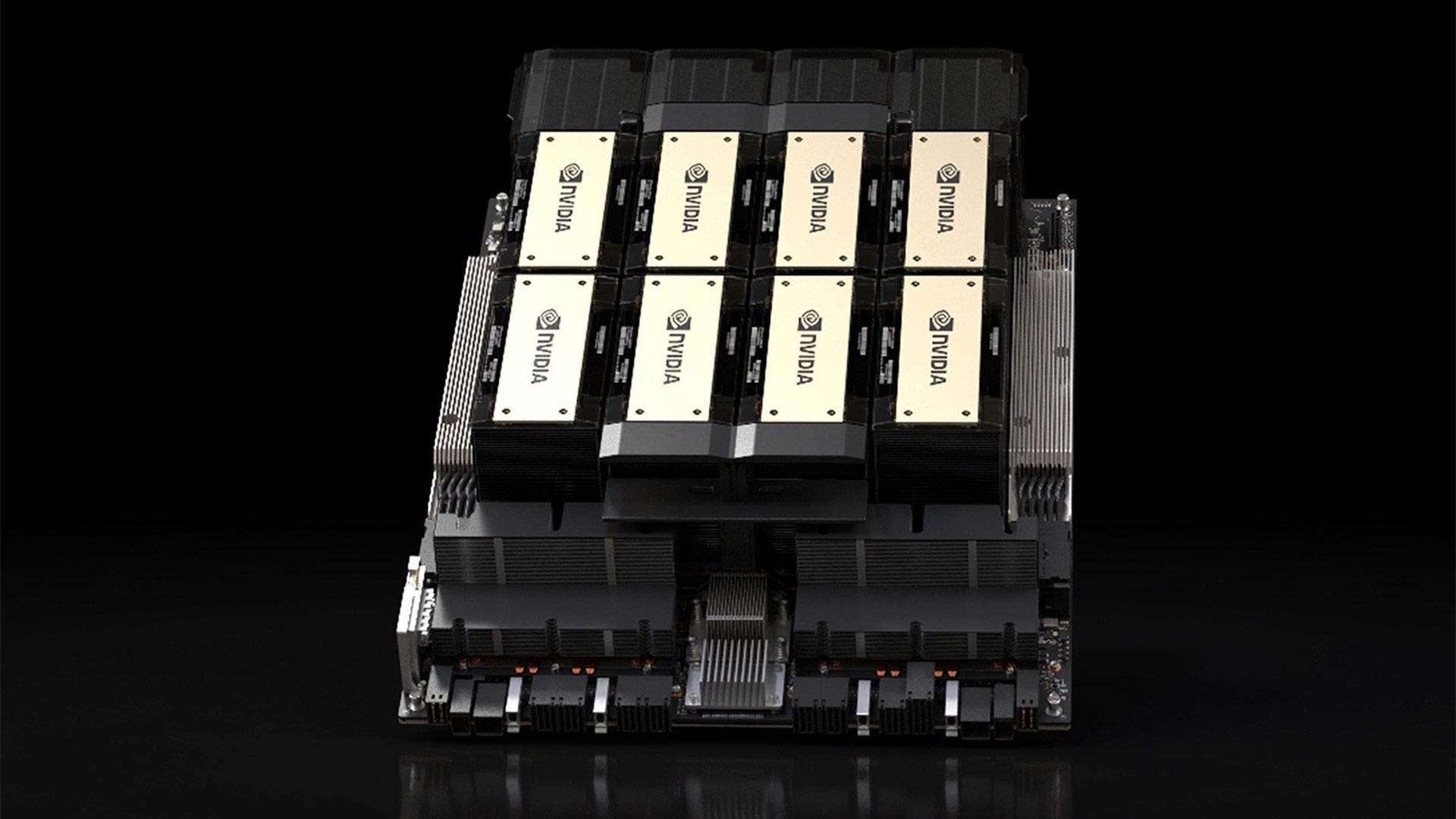
Sharetronic, a freshly minted Nvidia Cloud Partner, shelled out $92 million for 276 Super Micro SYS-821GE-TNHR servers and 32 Dell PowerEdge XE9680 units—both loaded with U.S.-banned Nvidia H100 or H200 GPUs. That’s straight from State Taxation Administration invoices dated May and June 2025, unearthed by Bloomberg. These beasts? Explicitly named on product pages as supporting HGX H100/H200 setups, chips Washington locked down in 2022 to curb China’s AI ambitions.
No old stockpiles here. Export bans hit before Super Micro and Dell shipped these models wide. Dell’s firing back: “no record of the alleged sales,” vowing to cut off diverters. But the math doesn’t lie—276 Super Micros alone scream high-end AI firepower, funneled to a Shenzhen subsidiary.
How Did a Nvidia ‘Approved’ Partner Score Banned Gear?
Sharetronic’s glow-up started last year. Over 20 years in the data game, they pivoted hard to AI, spinning up Guangzhou Fcloud Technology as a joint venture for HPC muscle. Nvidia slapped on its Cloud Partner badge—“for AI cloud providers delivering infrastructure purpose-built for modern AI workloads at production scale,” the chip giant boasts. Boom: major procurements announced, bank loans chased with these very servers as collateral.
Redacted invoices to credit agencies? Bland server talk. But Bloomberg peeked two unredacted gems listing exact models. Sharetronic’s spin: “The servers… have come from legal and compliant channels,” no Super Micro ties, client secrets sealed. Dodgy? Absolutely. Especially post-arrest of Super Micro co-founder Yih-Shyan “Wally” Liaw on smuggling charges.
“FCloud will need the required licenses and approvals from both of the respective governments before it acquires any H200 servers,” an Nvidia spokesperson told Tom’s Hardware. “Customers are under express instructions not to provide any controlled servers, support, or service without approval from the U.S. government.”
Nvidia’s playing clean—diligence fueling prosecutions. But here’s the data point: China’s Nvidia GPU imports cratered 55% last quarter per U.S. Commerce stats, yet AI server demand surges. Smuggling fills the gap.
Shenzhen subsidiary. May-June 2025. $92 million. That’s not pocket change—it’s a bet on skirting controls for AI cloud dominance.
Why Sharetronic’s Gambit Spells Trouble for China Inc.
Look, markets hate uncertainty. Sharetronic’s stock? Vaporized 20% in a blink, signaling investor panic over U.S. enforcement claws sharpening. Bipartisan senators now bay for halting Nvidia export licenses entirely. Wally Liaw’s cuffs? Just the latest—recall the 2024 smuggling rings busted shipping H100s via Singapore shells.
My take: This reeks of Huawei 2.0 playbook. Back in 2019, U.S. bans sparked a smuggling frenzy—chips rerouted through third parties, black-market premiums hitting 10x. China burned cash, but self-reliance kicked in: Huawei’s Ascend chips now power 30% domestic AI clusters, per Canalys. Sharetronic? They’re late to that party. Betting on pilfered H100s won’t scale—U.S. AI export denials hit 90% for China last year, and Biden’s team just layered on H20 curbs.
Bold call: Expect Sharetronic’s Fcloud JV to fizzle. Banks pulling loans on tainted collateral, Nvidia yanking partner status—poof, $92 million white elephant. Meanwhile, China’s $47 billion national chip fund pours into homegrown alternatives like Biren or Moore Threads. Short-term win for smugglers, long-term rout.
And the ripple? Super Micro’s Nasdaq woes deepen—down 15% YTD on accounting clouds, now smuggling shadow. Dell? Clean for now, but supply chain audits loom.
Data doesn’t lie: U.S. high-end AI chip exports to China? Near-zero since 2022 bans. Yet invoices like these pop up. Public docs betray the underground—tax filings, loan apps. Washington’s got eyes.
Is This the Death Knell for Nvidia in China?
Nvidia’s China revenue? Still 13% of total, but compliant A800/H800 chips only. Smugglers erode that edge—H100s train models 4x faster than H20s. Nvidia’s line: “We can only participate in markets where allowed.” Smart. But partners like Sharetronic? Poison pills.
Historical parallel I see nowhere else: Think Soviet tech heists in the ’80s—KGB snagged IBM kit via straw buyers, fueling early supercomputers. U.S. responded with CoCom export regime, choking flow. Today? Wassenaar meets export controls 2.0. China hits back with rare earth squeezes—2023 saw 40% gallium export cuts, Nvidia fabs scrambling.
Prediction: By 2026, U.S.-China AI decoupling accelerates. Nvidia pivots harder to TSMC’s Japan/Arizona ramps; China doubles down on SMIC 7nm yields (now 40% per reports). Sharetronic? Acquisition bait or bust.
Critique the PR spin—Sharetronic’s “legal channels” line? Laughable. No names, no proofs. Corporate fog to stall regulators.
U.S. wins the enforcement war, but at cost: Global AI innovation fragments. Developers? Forked stacks—CUDA in West, oneAPI/CANN in East.
🧬 Related Insights
- Read more: AWS’s Trainium Lifeline: Will Amazon’s Custom Chips Rescue Its AI Laggard Status?
- Read more: Asia’s AI Factories: Power Grids, Wallets, and Wars Trump Code
Frequently Asked Questions
Did Sharetronic actually smuggle banned Nvidia GPUs?
Invoices show $92M purchase of Super Micro/Dell servers spec’d for H100/H200—banned since 2022. No proof of origin, but denials ring hollow amid Super Micro arrest.
How does Super Micro smuggling arrest impact Nvidia partners?
Co-founder Wally Liaw charged; Sharetronic shares tanked 20%. Nvidia stresses compliance, likely revokes badges for violators.
Will US ban all Nvidia GPU exports to China?
Senators push it post-arrests. Bans already near-total for high-end; compliant chips like H20 persist, but smuggling probes tighten.