Ever wonder why your power bill’s spiking while Big Tech builds data centers that suck more juice than small countries?
NVIDIA’s latest pitch at CERAWeek— that energy powwow masquerading as Davos for oil barons—has them teaming with Emerald AI and a posse of power players to turn power-flexible AI factories into grid stabilizers. Not just guzzling electricity like yesterday’s crypto miners, but flexing load, responding to signals, maybe even propping up the system when it’s wobbly. Sounds noble. But here’s the thing: after 20 years chasing Silicon Valley’s shiny objects, I’ve seen this movie before.
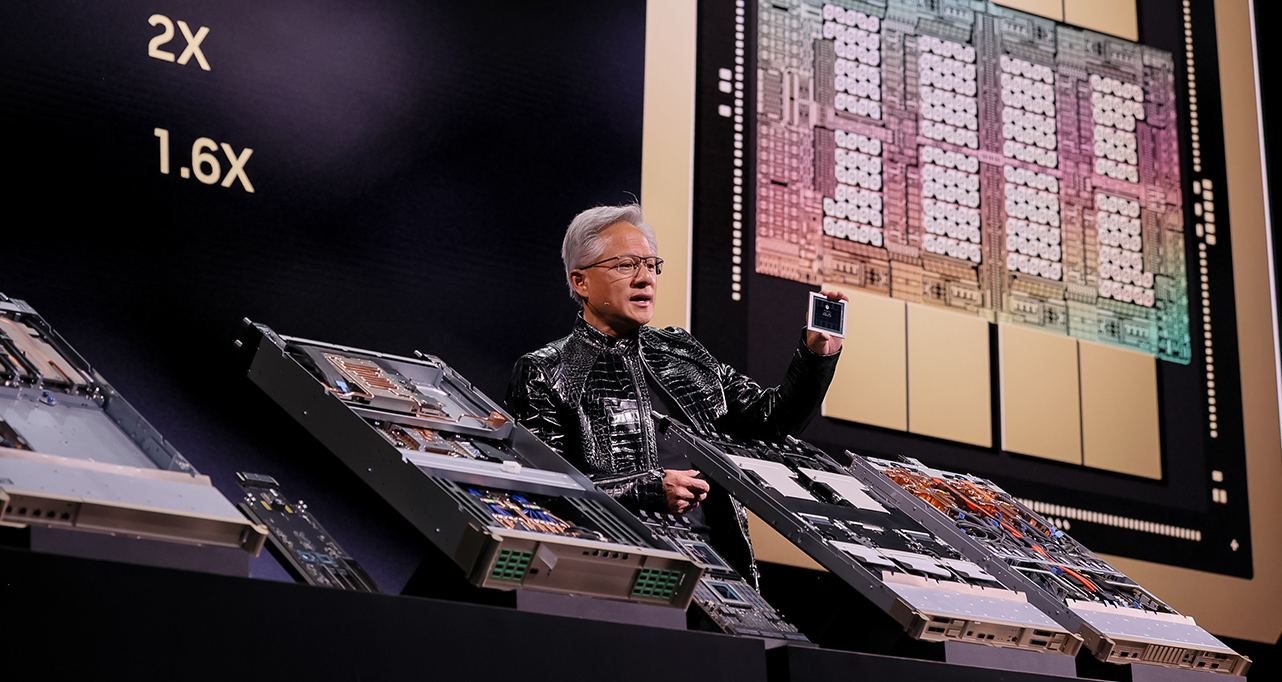
Picture the 1970s oil shocks. Tech was booming, energy was tight, and everyone promised ‘smart’ solutions. Fast-forward, and we’re here again—AI factories as the new villains, projected to devour 8% of U.S. power by 2030. NVIDIA, with Jensen Huang’s ‘five-layer AI cake’ (energy at the base, naturally), wants us to buy that these Vera Rubin DSX designs, hooked to Emerald’s Conductor platform, will dynamically throttle tokens per second per watt. Generate value, sure—but only when the grid says okay.
“Power is a concern, but it’s not the only concern,” Huang said on a recent Lex Fridman podcast. “That’s the reason why we’re pushing so hard on extreme codesign, so that we can improve the tokens per second per watt orders of magnitude every single year.”
Huang’s right on one count: from Kepler GPUs in 2012 to Vera Rubin now, they’ve juiced efficiency a million-fold in fixed power envelopes. Impressive. Yet, my unique hunch? This isn’t altruism. It’s NVIDIA baking themselves into the energy layer—the foundational slice—so every grid-tied AI factory runs their stack. Lock-in, baby. Like how CUDA snagged AI training; now they’re snagging the plugs.
Can NVIDIA’s Power-Flexible AI Factories Actually Stabilize the Grid?
AES, Constellation, Invenergy, NextEra, Nscale, Vistra—they’re all in, promising hybrid power plants co-located with these beasts. Flex operations mean no overbuilding for peaks; instead, AI dips low during stress, ramps when sunny/windy. Emerald’s orchestration unifies compute, networking, controls. Neat on paper.
But wait. These ‘flexible assets’ still need massive baseload—think gigawatts, not gigs. And who’s footing the interconnection queues? Utilities groan under delays already. NVIDIA’s reference architecture speeds permitting, they claim, by proving reliability upfront. Skeptical me asks: will regulators buy it, or is this just faster permitting for the rich kids?
Short answer? Maybe. In Texas, ERCOT’s already piloting demand response for hyperscalers. Scale this, and AI factories could bid into ancillary services—frequency regulation, spinning reserves. Blackout buffer. Yet, the cynical vet in me smells PR spin: fortify the grid? More like fortify NVIDIA’s moat while energy firms get co-located revenue streams.
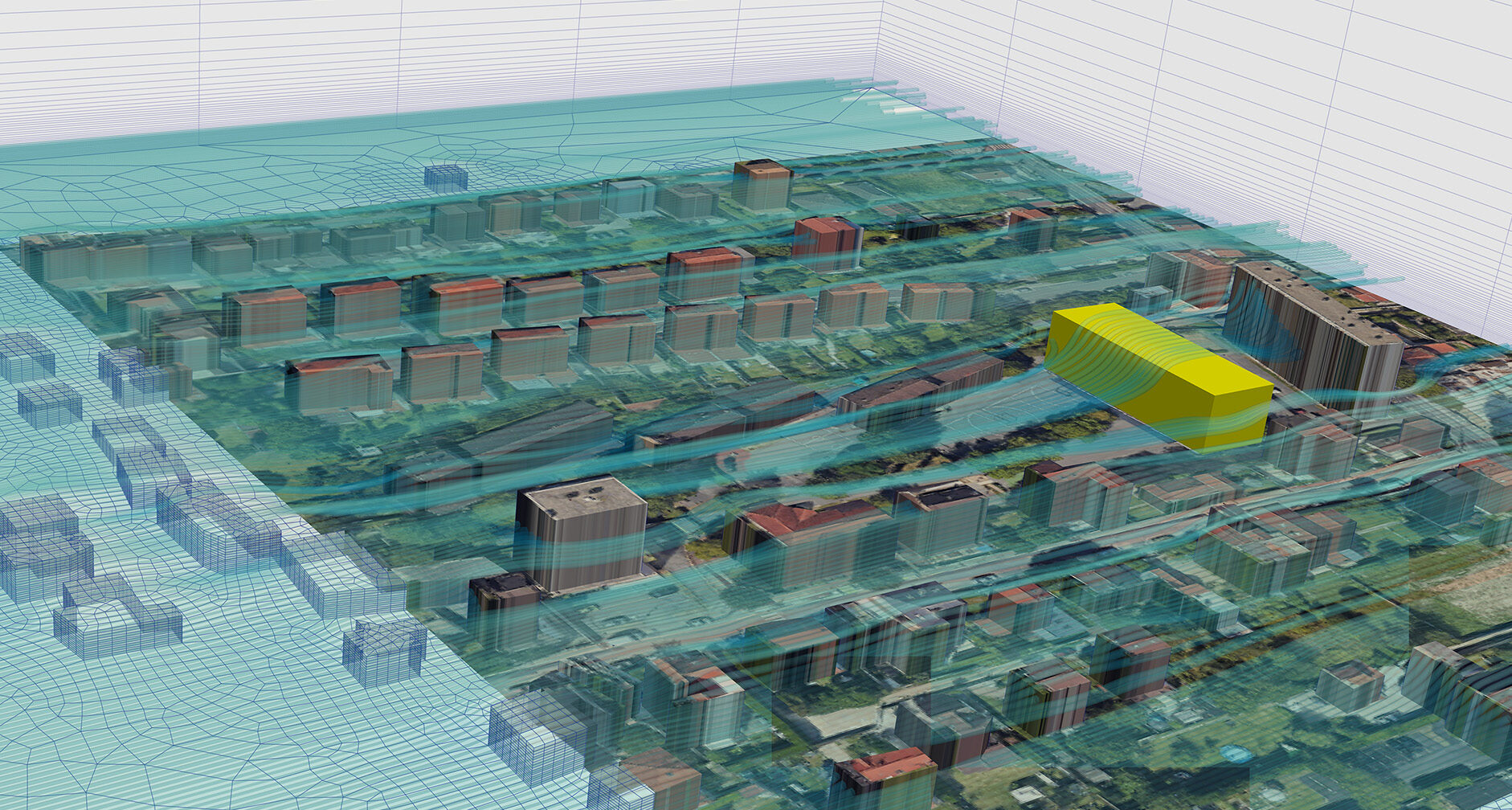
One punchy fact. Maximo’s robotic solar install—100 MW at AES’s Bellefield, powered by NVIDIA Isaac Sim and Omniverse—cut timelines. Robots don’t strike or nap. TerraPower’s digital twin slashes nuclear design from years to months. Adaptive Construction’s apprenticeships train welders for AI plants. AI eating its own tail to build the power it craves.
Who’s Making Bank on AI Factories and Grid Flexibility?
Follow the money, always. NVIDIA sells the chips, Emerald the software, utilities the electrons—and everyone skims on co-location deals. Invenergy’s wind farms next to data halls? Premium pricing. Vistra’s nukes? Steady base. But consumers? Stuck with bills.
Huang’s cake layers scream ecosystem play: energy pros build capacity, infra firms (GE Vernova, Schneider, Vertiv) converge digital twins and racks. Remember the original content’s cutoff? Yeah, they were hyping validated designs too. It’s a full-court press.
My bold prediction: by 2027, 30% of new U.S. AI capacity will mandate this flex architecture—or equivalents—via utility mandates. Not because it’s green utopia, but because grids can’t handle dumb loads anymore. NVIDIA wins biggest; they’ve redefined efficiency from FLOPS to tokens-per-watt. Buzzword bingo, but effective.
Look, power constraints aren’t new. I’ve covered server farms melting Arctic ice—metaphorically—while promising carbon offsets. This feels different. Real-time orchestration could net positive grid value. Still, overbuild risk lingers if AI hype bursts.
And robotics? Game… wait, no, solid accelerator. Maximo’s bots installed panels autonomously—safety up, speed tripled. TerraPower’s Natrium sims integrate faster with grids. Upskilling? Critical; we’re short 500K grid workers.
But here’s the wander: is this convergence or capture? Energy giants cozy with chip lords—smells like the old telco hardware bundles. Consumers might pay via rates, but hey, AI tokens fund it all.
Wrapping the skepticism: NVIDIA’s not wrong. Power’s the choke point. Their push—extreme co-design, flex factories—delivers. Yet, who profits? Not you, reading this on a laptop. It’s Huang’s empire expanding downward.
Why Does Grid-Flexible AI Matter for Your Next Data Center?
If you’re a dev or exec eyeing clusters, this shifts capex. No more rigid peaks; dynamic pricing via grid signals. Cheaper ops, if modeled right. But lock-in risk: NVIDIA-Emerald stack everywhere?
History echoes IBM’s mainframe era—standards won. AI factories could standardize on this, pricing out laggards.
Single sentence thunder: Hype, yes—but executable hype.
Now, the partners’ angle. AES incubates Maximo; Constellation eyes nukes. Nscale’s edge facilities? Flex-native. They’re betting AI demand builds their plants faster than EVs ever did.
Cynical close: Grid fortification’s great. But without antitrust watchdogs, it’s monopoly marinade.
🧬 Related Insights
- Read more: Intel’s 2026 Supplier Oscars: Gold Stars for the Lifesavers
- Read more: Broadcom’s 400G/Lane DSP: AI’s Bandwidth Savior or Just More Chip Hype?
Frequently Asked Questions
What are NVIDIA power-flexible AI factories?
AI data centers that adjust compute load in real-time to grid signals, using NVIDIA’s Vera Rubin designs and Emerald’s Conductor for efficiency and reliability.
Will flexible AI factories lower my energy bills?
Unlikely directly—they stabilize grids, potentially averting rate hikes from shortages, but AI demand still pushes overall costs up.
Is NVIDIA dominating energy for AI infrastructure?
They’re positioning hard as the stack owner, from chips to grid layer, much like CUDA locked in training.