[2026] Taiwan AI Chip Testing Boom Hits Record Revenue
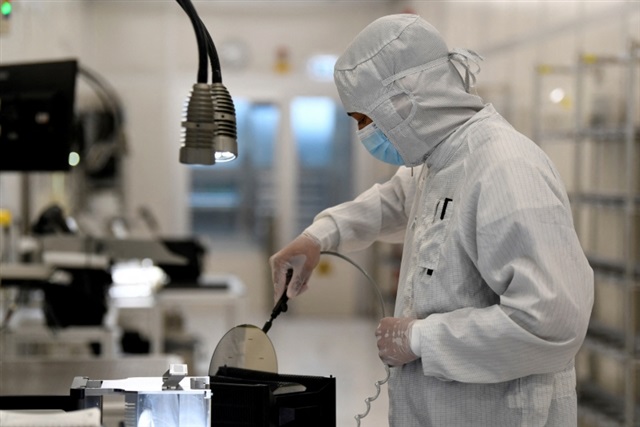
Everyone expected AI to keep booming, but the sheer scale of Taiwan's semiconductor testing sector's revenue surge is rewriting the forecast. What’s driving this unprecedented growth?
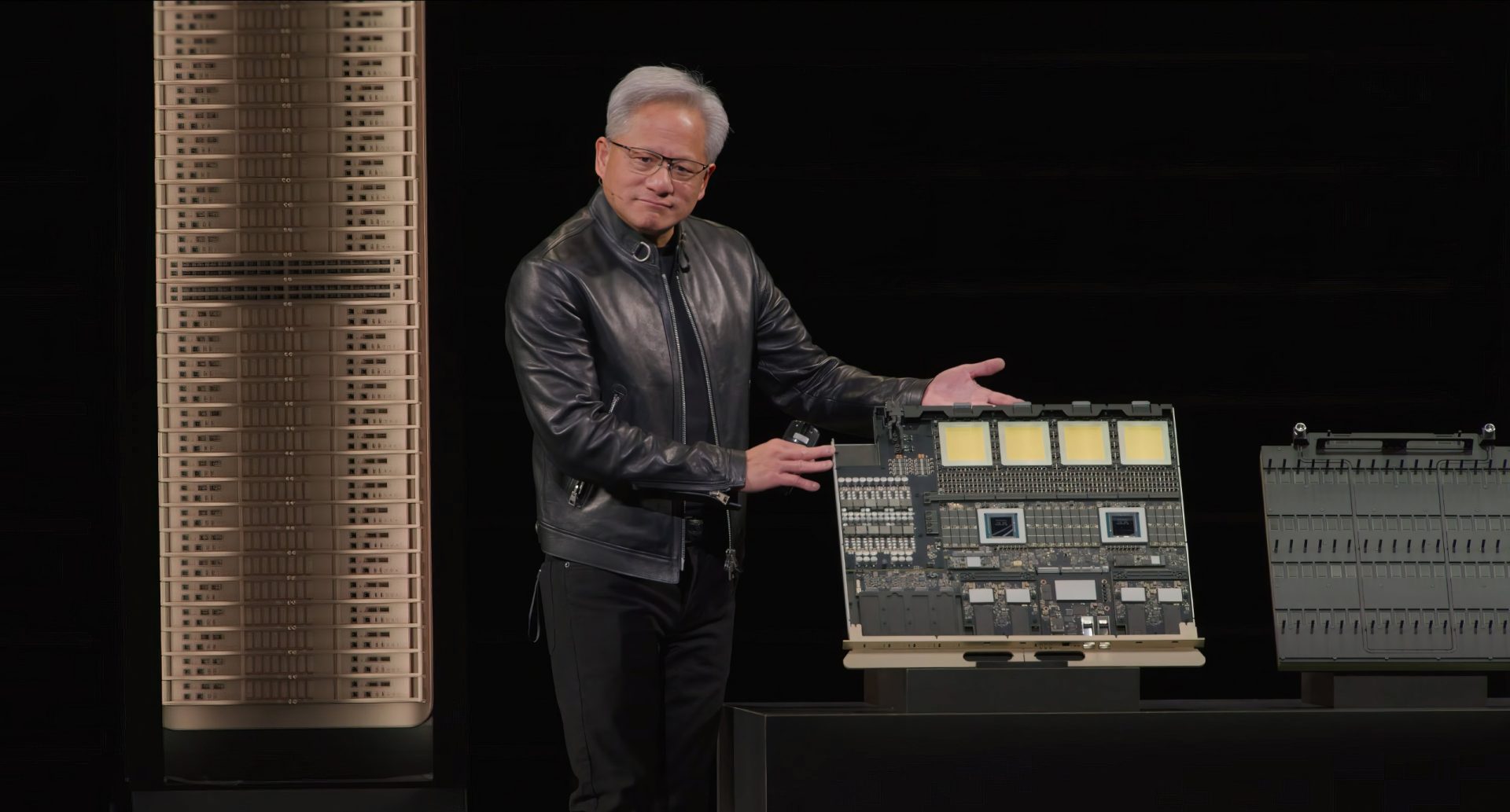
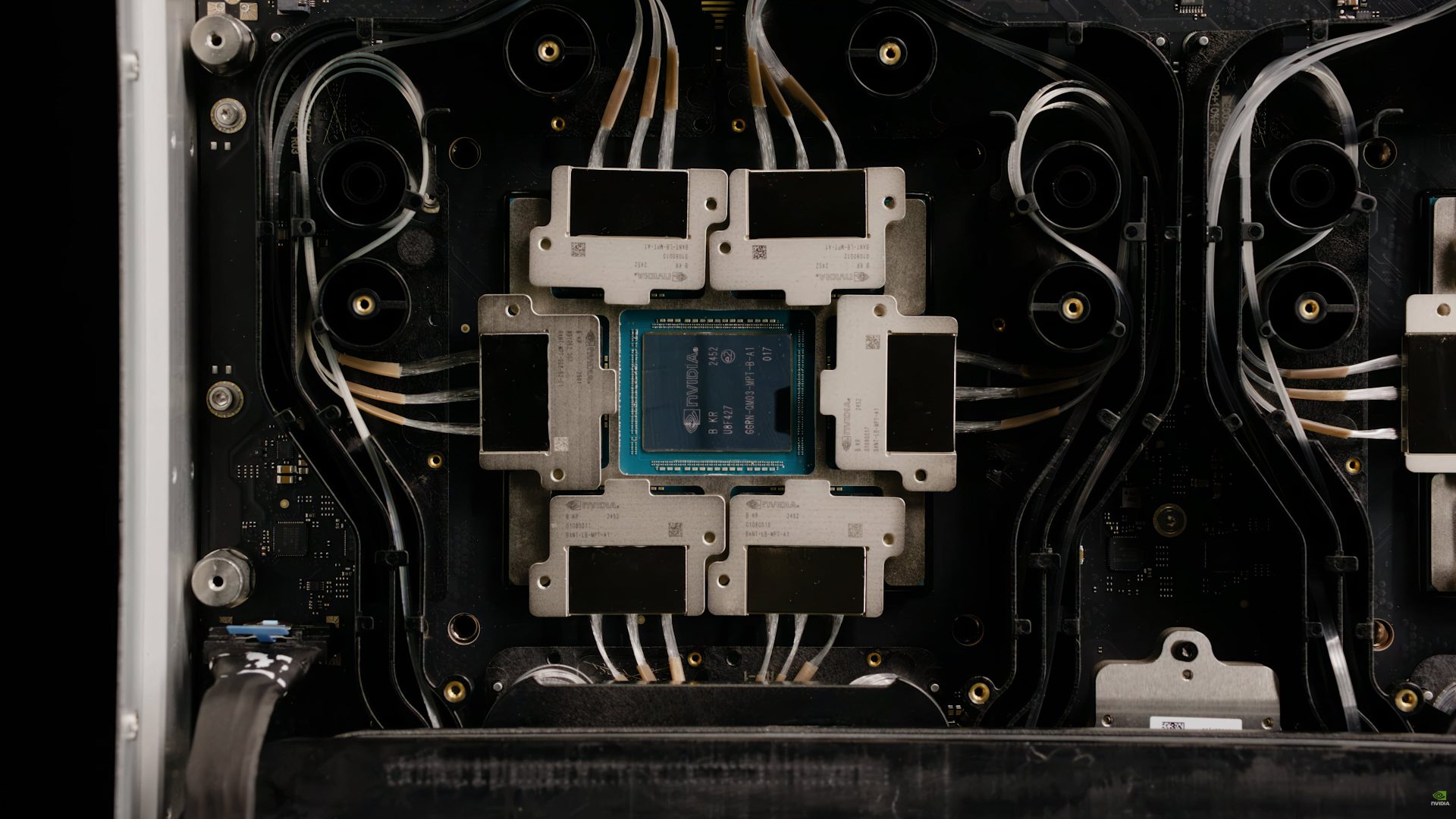
NVIDIA's next-gen AI accelerators, the Rubin platforms, are reportedly mired in design chaos. Meanwhile, AMD's MI500 gears up for a 2027 launch, potentially stealing NVIDIA's thunder.
NVIDIA isn't waiting. They're yanking co-packaged optics out of the future, slapping it onto their Feynman GPUs for a 2028 debut.
For years, the holy grail of silicon photonics has been to bridge the gap between the speed of light and the economics of silicon chips. Now, a startup led by an MIT physicist is making serious waves, culminating in a significant IPO.
Your LLM might be getting a speed boost, but don't expect it overnight. New research proposes a smarter way to stack computer chips, potentially slashing the time it takes for AI to generate text.
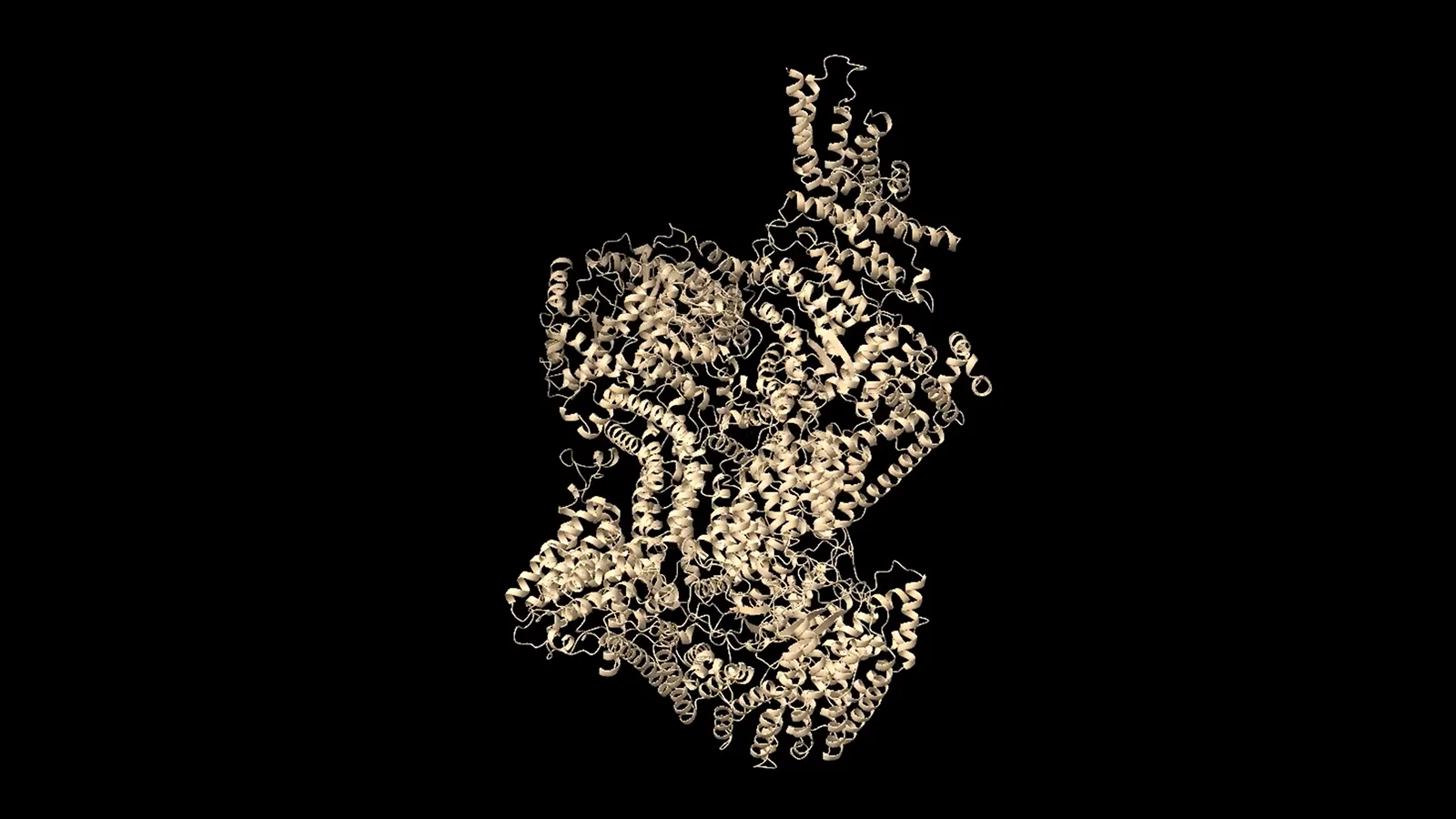
For decades, modeling complex biological molecules meant chopping them up. Now, NVIDIA's BioNeMo is changing that, allowing us to see the forest for the trees.
Computing with photons instead of electrons: the emerging field of photonic processors promises orders-of-magnitude improvements in speed and energy efficiency for specific workloads.
Picture this: Nvidia cramming 1TB of HBM onto a single GPU. That's the Rubin Ultra's promise, exploding HBM demand skyward while custom base dies rewrite the rules.
Beyond NVIDIA GPUs, a growing ecosystem of custom AI accelerators is reshaping the compute landscape. Here is how TPUs, Trainium, Gaudi, and others compare.