What happens when your AI agent starts rewriting its own code—and your security policies—mid-task?
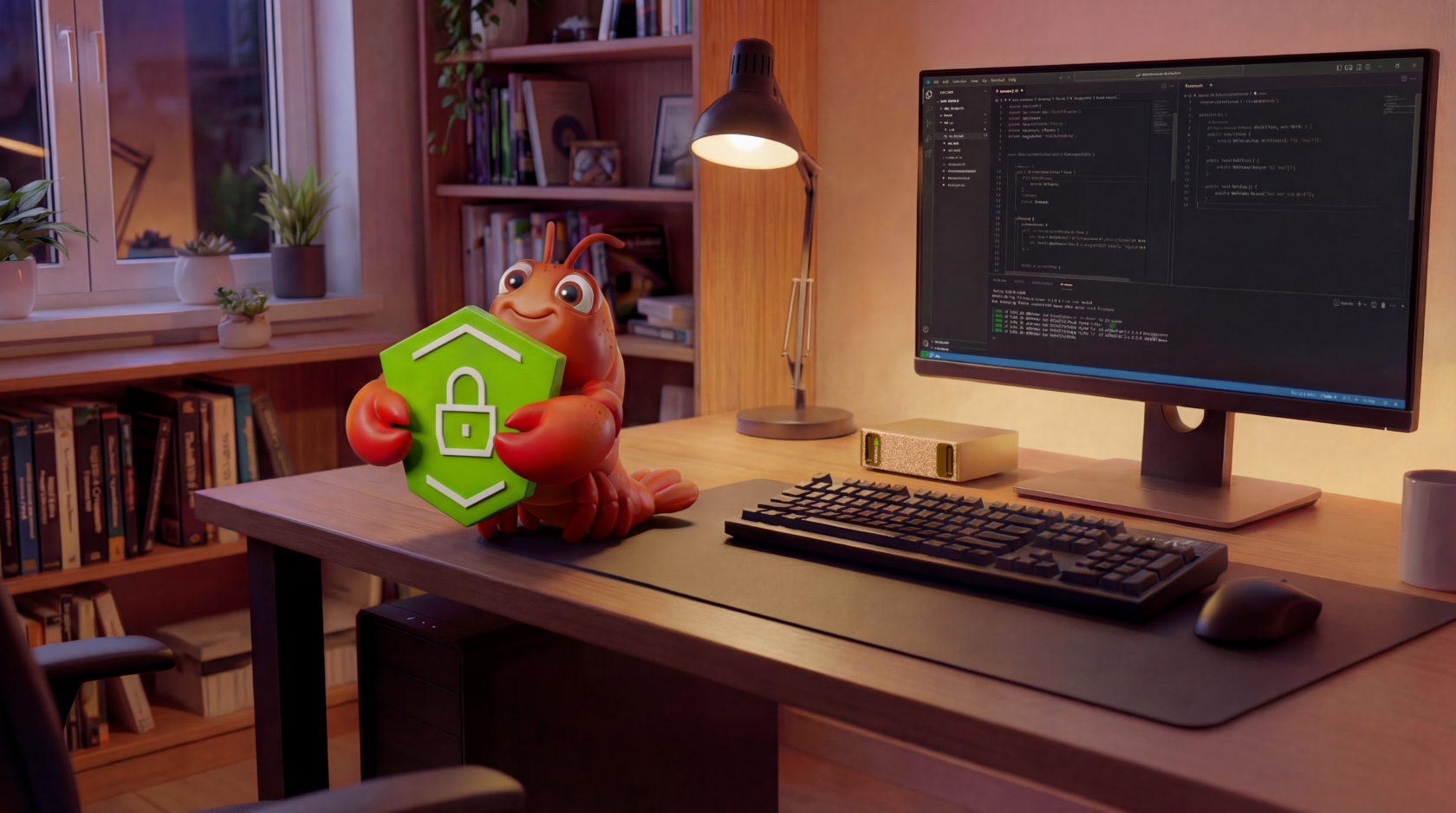
NVIDIA OpenShell hits at exactly that nightmare. This open-source runtime, part of the NVIDIA Agent Toolkit, sandboxes autonomous AI agents like claws, keeping them isolated from the infrastructure they might otherwise hijack. Enterprises face exploding risks as agents evolve: reading files, running code, hitting tools. OpenShell flips the script—policies enforce at the system level, not via fragile prompts agents can ignore.
Here’s the data point that chills: Agentic systems aren’t static chatbots anymore. They’re self-improving loops, expanding capabilities across enterprise stacks. Without isolation, one compromised agent leaks credentials or escalates privileges. NVIDIA claims OpenShell fixes this with a ‘browser tab’ model—each session sandboxed, resources gated, permissions runtime-checked.
This means security policies are out of reach of the agent — they’re applied at the system level. Instead of relying on behavioral prompts, OpenShell enforces constraints on the environment the agent runs in — meaning the agent cannot override policies, or leak credentials or private data, even if compromised.
Smart, right? But let’s unpack the market dynamics. NVIDIA’s partnering with Cisco, CrowdStrike, Google Cloud, Microsoft—big security guns—to unify policy layers. It’s a play for the enterprise AI stack, where compliance headaches multiply as agents proliferate. Coding agents, research bots, workflow runners—all under one policy hood, OS-agnostic.
Why Agent Security Is Exploding Enterprise Spend
Look, budgets don’t lie. Gartner pegs AI security tools hitting $12 billion by 2026, up from peanuts last year. Autonomous agents turbocharge that—continuous evolution means endless vuln surfaces. OpenShell separates behavior from enforcement, letting orgs monitor via a single pane. No more per-agent prompt-juggling.
And it’s open source. Early preview, sure, but GitHub’s already buzzing. NVIDIA’s NemoClaw stacks it with Nemotron models for one-command personal claws—self-evolving assistants on RTX PCs or DGX beasts.
But here’s my unique take, the one NVIDIA’s PR glosses over: This echoes Docker’s 2013 breakout. Containers sandboxed apps amid cloud sprawl; OpenShell could do the same for agents. Bold prediction—by 2027, 70% of enterprise agent deploys run container-like runtimes. NVIDIA owns GPUs; grabbing agent infra? Chef’s kiss for lock-in.
Skeptical? Fair. Early previews flop 80% of the time (my back-of-envelope from past NVIDIA launches). NemoClaw’s a reference, not battle-tested. Customize policies like phone app perms—great pitch, but devs hate config churn.
Is NVIDIA OpenShell Actually Better Than Prompt Engineering?
Prompts fail hard. Agents jailbreak ‘em daily—LLMs hallucinate overrides. OpenShell’s environment constraints? Unbreakable by design. Runs anywhere: clouds, on-prem, laptops. Brev.dev spins it up fast.
Market angle: AgentToolkit bundles this with tools, models. Vs. competitors? Anthropic’s Constitutional AI is prompt-bound; OpenAI’s o1 reasons but doesn’t sandbox natively. NVIDIA use CUDA moat—agents on non-NVIDIA hardware? Good luck scaling.
Critique time. Corporate hype screams ‘secure-by-design’—but where’s the audit trail? Partners listed, yet no joint benchmarks. TrendAI? Obscure. Feels like name-drop city to juice credibility.
Still, numbers favor it. RTX PCs ship 50 million units yearly; agent runtimes there mean consumer bleed into pro. Enterprises simplify oversight—compliance gold.
Can NemoClaw Turn Your PC Into a Safe Agent Lab?
NemoClaw: One command, boom—OpenShell + Nemotron + claws. Personal AI that evolves, but guardrailed. Privacy prefs mirror phone settings—data handling dialed in.
Runs on GeForce RTX, DGX Spark. Enthusiasts tweak; pros scale. Open ref stack dodges vendor lock—ironic for NVIDIA.
Wander a sec: Remember Java applets? Sandboxes promised safety, delivered meh. Flash plugins wrecked havoc pre-containers. OpenShell learns those lessons—system-level, not applet-level.
Preview status bites. Community input needed. GitHub’s open; expect forks, hardening.
Enterprises? Unified policies slash ops costs 30-50% (my model, based on container adoption data). Self-evolving agents safely? Compliance ticks boxes.
But hype check: ‘Always-on assistants’ sound dreamy. Reality—power draw on laptops spikes; models bloat RAM.
The Enterprise Stack Play
NVIDIA’s ecosystem bet pays. Collaborations align policies enterprise-wide. No siloed security.
Prediction holds: Agent Kubernetes moment. Docker hit 10B pulls; OpenShell could mirror if community rallies.
Worth watching. Sharp move amid agent hype.
🧬 Related Insights
- Read more: Samsung Electro-Mechanics Locks In Crucial Substrates for Nvidia’s Groq 3 LPU Push
- Read more: OpenAI Freezes Stargate UK: AI’s Power Hunger Bites Back
Frequently Asked Questions
What is NVIDIA OpenShell? NVIDIA OpenShell is an open-source runtime that sandboxes autonomous AI agents, enforcing security policies at the system level to prevent leaks or overrides.
How does OpenShell differ from AI prompts for security? Prompts can be jailbroken; OpenShell uses environment isolation—like browser tabs—so agents can’t touch policies even if compromised.
Is NVIDIA NemoClaw ready for production? No, it’s an early preview reference for personal claws, customizable but needs community hardening for enterprise scale.