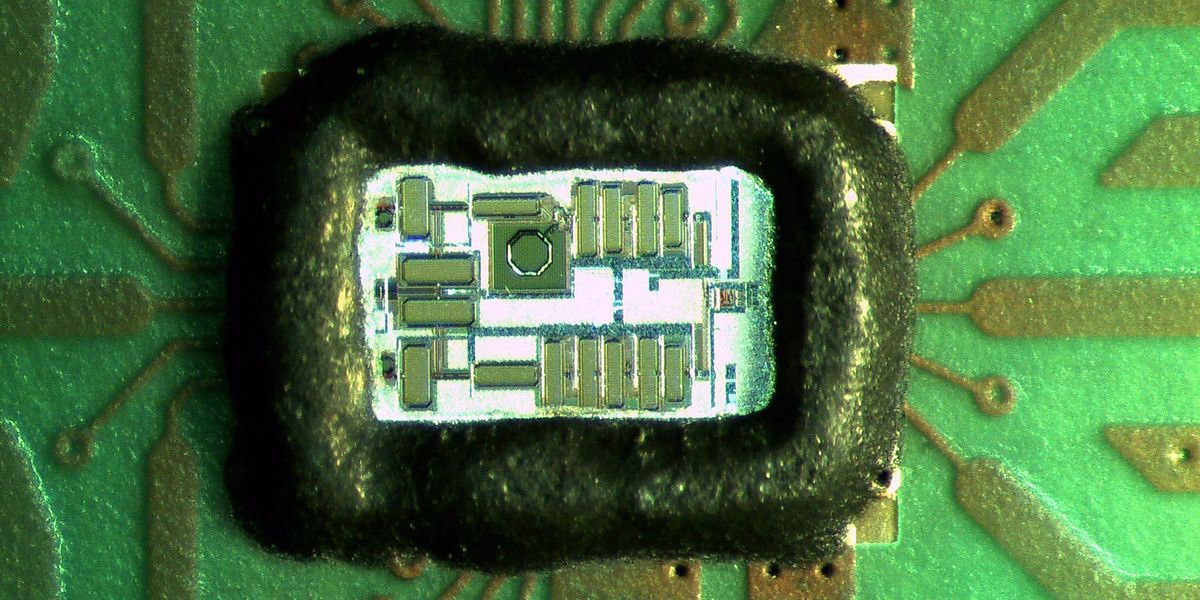
Everyone figured always-on vision meant draining batteries dry, like leaving your car’s headlights on overnight. But Nvidia just flipped the script with an always-on chip that detects faces in under a millisecond – at blistering 60 frames per second, sipping less than 5 milliwatts.
Picture this: your laptop screen blacks out when you step away, no password hassle, just pure seamlessness. That’s the promise here, and it’s not sci-fi.
Nvidia’s electrical engineer Ben Keller unveiled this beast at the IEEE International Solid-State Circuits Conference. Hearts raced. Minds exploded.
The Power Play No One Saw Coming
We were all braced for AI vision to stay a power hog – 10 watts minimum, they said, for anything resembling real-time smarts. Wrong. Dead wrong. This Nvidia SoC – system on chip – shreds that myth. It processes fresh images every 16.7 milliseconds, but stays fully awake for just 5% of that window. Boom. Detection in 787 microseconds. 99% accuracy. And then? It races to sleep.
The system refreshes to process a new image every 16.7 milliseconds, and is fully powered on only for 5 percent of that time, says Keller. Within 787 microseconds, the SoC calls on a deep-learning accelerator to determine whether or not a human face is present, with about 99 percent accuracy.
That’s straight from the source. Chills, right?
Here’s the magic: most of the chip’s off by default. A tiny always-on sentinel – Alpha-Vision – sips under 10mW. Deep learning accelerator, mini-CPU, compute near the data. No trekking across the chip for info. And the SRAM? 2 megabytes of it, parked right there locally. No leakage nightmares because it blitzes the job and crashes into sleep mode. Race to sleep – Nvidia’s killer phrase.
But wait. My bold call? This isn’t just efficiency porn. It’s the PC revolution redux. Remember mainframes hogging rooms for compute? Then PCs democratized it to desks. Now, cloud AI’s getting edge-ified into every pocket, every dash cam, every drone. Always-on, always aware – ambient intelligence everywhere. Nvidia’s not spinning PR; they’re handing devices souls.
Short version: game over for sleepy screens.
Why Does Millisecond Speed Crush the Competition?
Think about it. A millisecond. That’s faster than your brain registers a flicker. In self-driving cars, where split-seconds spell life or death, this chip’s a guardian angel on a diet. Robots dodging crowds? Check. Drones scouting without crashing your battery? Yep.
Consumer side – laptops that know you’re gone, TVs that dim without asking. No clunky sensors. Just eyes that barely blink power-wise.
And the analogy? It’s like a neighborhood watch that sleeps 95% of the time, wakes on a whisper, scans the block, and nods off. Vigilant. Invisible. Infinite battery life.
Skeptics might whine: 99% accuracy? Good, but not godlike. Fair. Outdoors, crowds, masks – it’ll stumble. But indoors, user-facing? Perfection. Nvidia’s betting on that seamlessness, and they’re right. This shifts platforms, folks. AI isn’t bolted-on anymore; it’s the hum in the hardware.
Weirdly enough, it reminds me of the first quartz watches – ticking precise, sipping power from a tiny cell. Mechanical watches were power pigs by comparison. Same vibe here: digital nerves for devices.
Can Nvidia’s Chip Power Tomorrow’s Robots and Rides?
Autonomous vehicles. Everyone’s obsessed – lidar this, radar that. But vision? Always the battery killer. Not anymore. This chip could be the peephole keeping an eye out while the big AI brains doze.
Robotics? Imagine home bots that recognize you instantly, no fumbling wake words. Drones zipping surveys, faces confirming humans below – safety net supreme.
Laptops, though – that’s the sleeper hit. Walk away, screen sleeps. Return, it lights up. Passwords? Relic of the past. Energy savings stack up; think millions of devices idling smarter.
One hitch: integration. Can manufacturers swallow the cost? Nvidia says yes, smoothly. But let’s watch – if it hits consumer gear by 2026, mark my words, edge AI explodes.
Energy. Pace picks up here – because this isn’t incremental. It’s exponential. Low-power always-on unlocks contextual AI everywhere. Your fridge knows you’re home. Car knows you’re drowsy. Phone knows your mood from a glance. Wonderstruck yet?
And the critique? Nvidia’s not hyping falsely, but they’re underselling the creep factor. Privacy hawks incoming – always-on eyes in your lap? Tense. Yet, opt-in seamlessness might win hearts.
So. Devices awaken.
The Edge AI Tsunami Starts Now
Ponder the ripple. Data stays local – no cloud pings, no latency lags. Power profiles plummet. AI’s platform shift? Cemented. From servers to silicon specks.
Bold prediction: by 2030, 80% of consumer electronics pack always-on vision. Nvidia leads; others chase. Race to sleep becomes industry gospel.
It’s electric. Pure wonder.
🧬 Related Insights
- Read more: UK Chip Founders: Swing for $1 Billion or Swing Home
- Read more: Brookhaven Lab Weaponizes Uncertainty for Smarter AI Molecules
Frequently Asked Questions
What is Nvidia’s always-on face detection chip?
It’s an SoC that spots human faces in under 1ms at 5mW, using Alpha-Vision and race-to-sleep to stay ultra-efficient for laptops, robots, cars.
How does Nvidia’s race to sleep work?
The chip powers on briefly for detection, stores data in local SRAM, processes fast with deep learning, then sleeps to kill leakage – all in microseconds.
Will Nvidia’s chip save battery life in laptops?
Absolutely – screens auto-off when you leave, wake on your return, no passwords, slashing idle power draw smoothly.