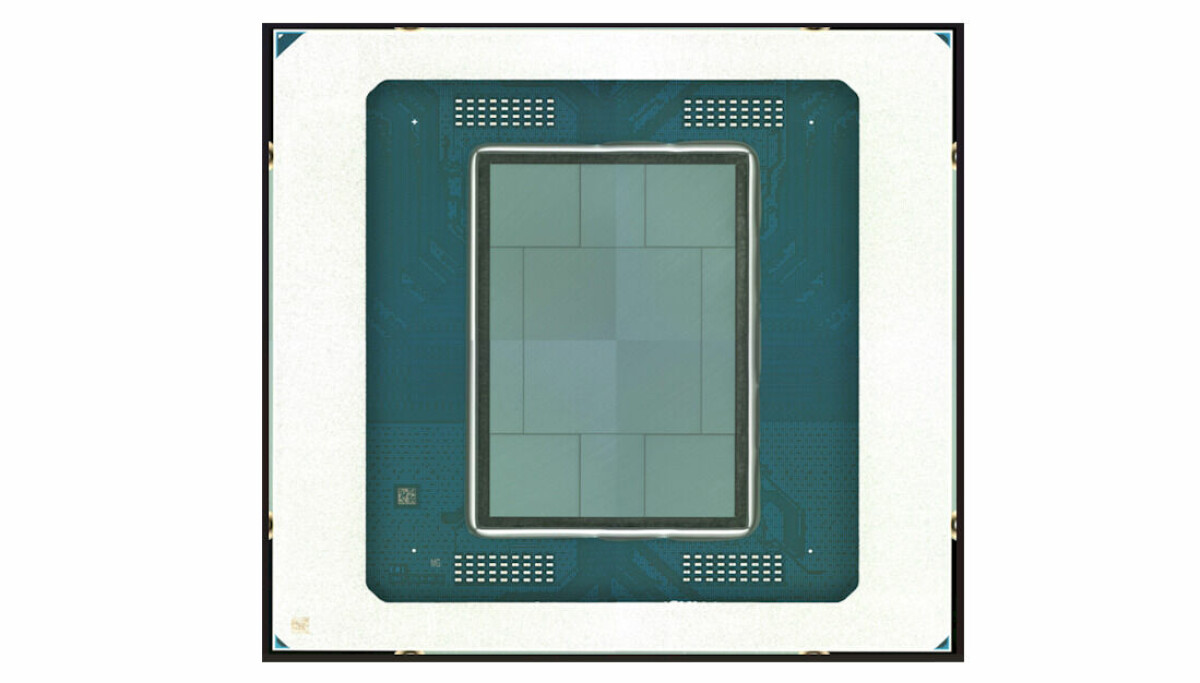
HBM Explained: How High Bandwidth Memory Powers AI Computing
High Bandwidth Memory is the critical link between AI processors and their data. Learn how HBM works and why it has become the most strategically important memory technology.
SpaceX's IPO isn't just about rockets anymore. It's a colossal, multi-billion dollar gamble on artificial intelligence, and frankly, it smells like desperation.
High Bandwidth Memory is the critical link between AI processors and their data. Learn how HBM works and why it has become the most strategically important memory technology.
The CPU and GPU are the brain and specialized muscle of your computer, respectively. Understanding their unique architectures and functions is key to grasping modern computational demands.
TSMC, Samsung, and Intel are the only companies manufacturing leading-edge semiconductors. Here is how they compare on technology, capacity, and strategy.
Follow the journey of a semiconductor chip from raw silicon sand to a finished processor, exploring each critical step in modern chip fabrication.
Building a chip startup has never been more expensive or more promising. Here is how new semiconductor companies navigate funding, design, fabrication, and market entry.
For six decades, Moore's Law has guided the semiconductor industry. Here is where it stands today and what technologies will drive performance into the future.
HBM (High Bandwidth Memory) is a revolutionary type of Random Access Memory that significantly boosts data transfer speeds. This explainer delves into its architecture, advantages, and critical role in modern computing.
How a $100 silicon ingot becomes thousands of chips worth millions, and why understanding wafer economics is essential for grasping the semiconductor industry's financial dynamics.
The hidden engine of the chip industry: how intellectual property licensing enables companies to build complex processors without designing every transistor from scratch.
Brain-inspired chips that process information through artificial neurons and synapses, offering radical energy efficiency gains for pattern recognition and sensory computing.
NVIDIA, AMD, and Intel take fundamentally different approaches to GPU architecture. Here is how their designs compare for AI workloads and gaming.
The multi-billion dollar software industry that makes chip design possible, from logic synthesis to physical layout, without which no modern processor could be built.