The global semiconductor industry depends on a remarkably small number of companies capable of manufacturing chips at the most advanced process nodes. TSMC, Samsung Foundry, and Intel Foundry Services (IFS) are the only three organizations with the technology and capital to produce chips at 5nm and below. Their competitive dynamics shape everything from smartphone performance to national security policy.
TSMC: The Undisputed Leader
Taiwan Semiconductor Manufacturing Company dominates the foundry market with roughly 60% market share by revenue. Founded in 1987 by Morris Chang, TSMC pioneered the pure-play foundry model, manufacturing chips designed by other companies rather than designing its own. This model eliminated the conflict of interest inherent in companies like Samsung that both design and manufacture chips.
TSMC's technology leadership is decisive. The company was first to volume production at 7nm, 5nm, and 3nm, and its N2 (2nm) process is on track for production in 2025. TSMC's yield rates, the percentage of working dies per wafer, are consistently industry-leading, which is critical because even small yield improvements translate into hundreds of millions of dollars in revenue.
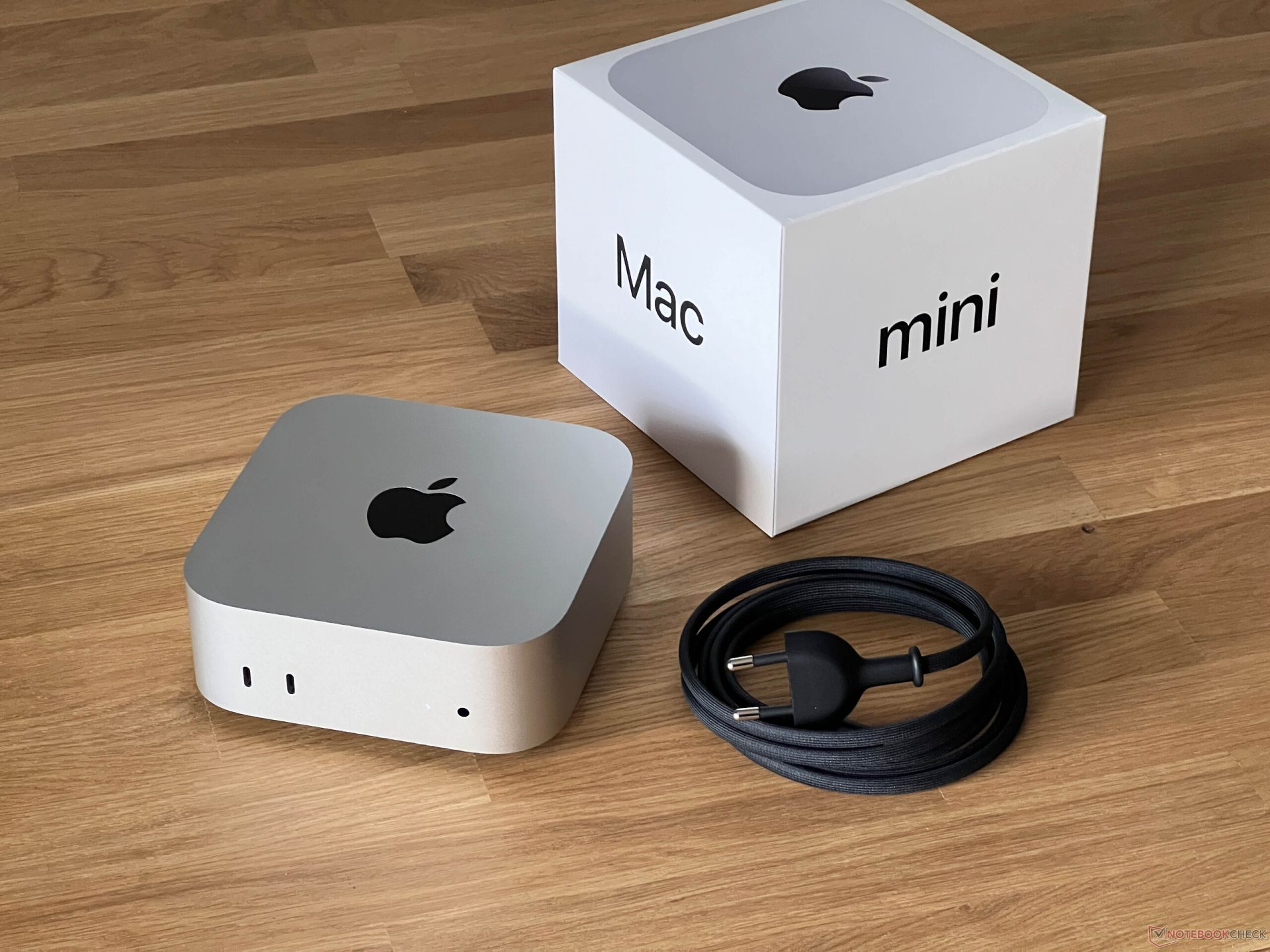
The company's customer list reads like a who's who of the technology industry: Apple, NVIDIA, AMD, Qualcomm, MediaTek, and Broadcom all rely on TSMC for their most advanced chips. Apple alone accounts for roughly 25% of TSMC's revenue, a concentration that creates both stability and risk.
TSMC is investing heavily in geographic diversification. Its Arizona fabs, while controversial due to cost overruns and cultural friction with the local workforce, represent the company's largest investment outside Taiwan. Additional fabs are planned or under construction in Japan and Germany.
Samsung Foundry: The Ambitious Challenger
Samsung's semiconductor division is unique in that it operates both a foundry business (manufacturing chips for external customers) and a massive internal chip design operation producing memory, mobile processors (Exynos), and image sensors. This dual role gives Samsung enormous scale but creates a trust problem: potential foundry customers worry that Samsung might use their design insights to compete against them.
On the technology front, Samsung has aggressively pursued gate-all-around (GAA) transistor architecture, claiming to be first to market with its 3nm GAA process in 2022. However, the company has struggled with yields at advanced nodes. Reports consistently indicate that Samsung's defect rates at 3nm are significantly higher than TSMC's, leading major customers like Qualcomm to shift orders to TSMC.
Samsung's foundry revenue is roughly one-fifth of TSMC's, and the gap has been widening. The company has responded with aggressive pricing and heavy investment, committing over $300 billion through 2042 for semiconductor expansion in South Korea, including a massive new fab cluster in Yongin. Samsung also secured a contract to manufacture some of NVIDIA's AI chips, a significant win for credibility.
Intel Foundry Services: The American Comeback Bet
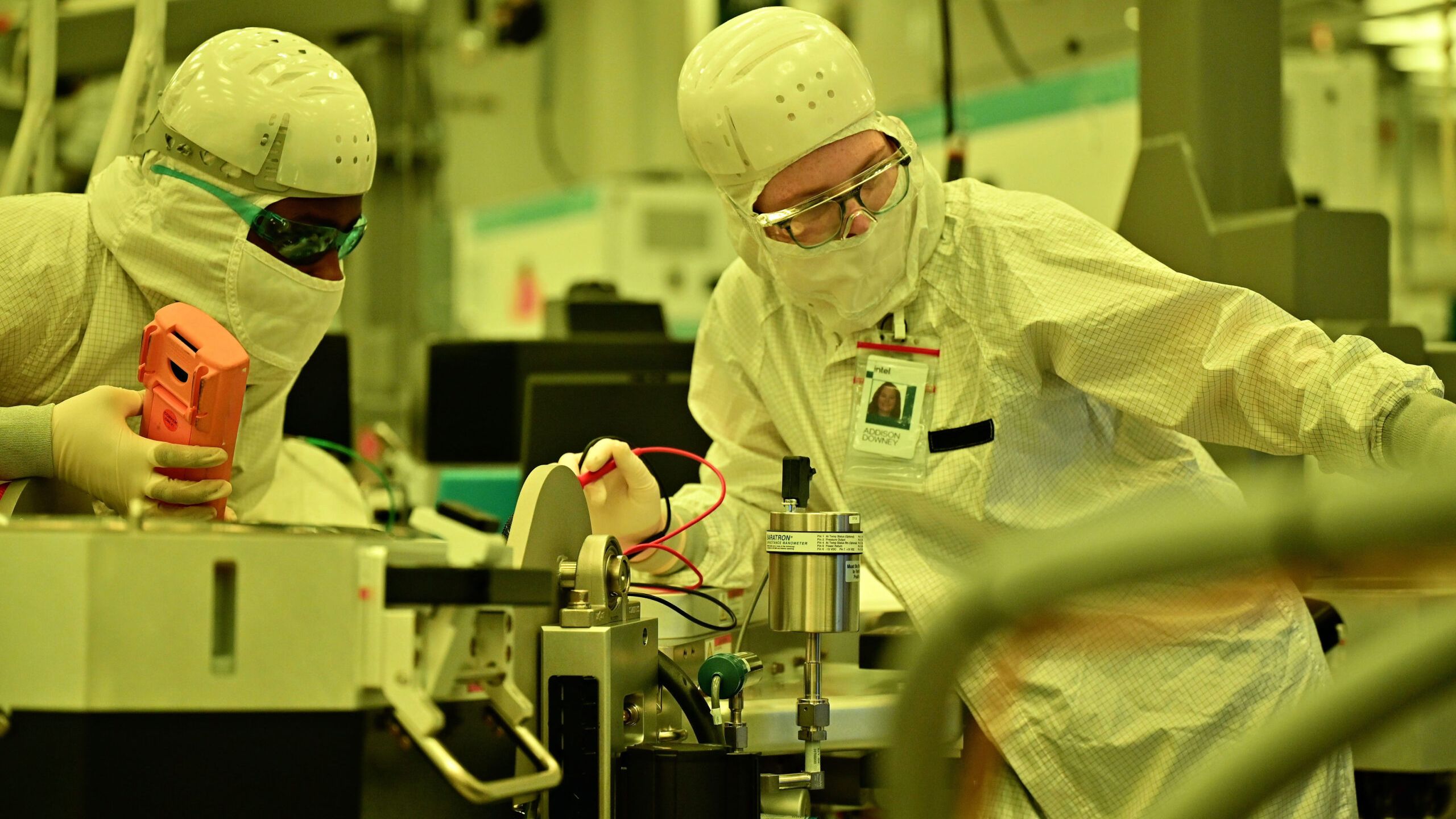
Intel's foundry ambitions represent one of the biggest strategic pivots in semiconductor history. For decades, Intel manufactured only its own chip designs. Under CEO Pat Gelsinger (2021-2024), the company launched Intel Foundry Services to compete for external customers while simultaneously trying to regain process technology leadership.
Intel's challenge is formidable. The company fell behind TSMC and Samsung at the 10nm node and spent years catching up. Intel's renaming of its process nodes (from 10nm to Intel 7, 7nm to Intel 4, and so on) reflected both a marketing adjustment and genuine improvements, but the company still trails TSMC by roughly one generation.
The Intel 18A process, expected to enter production in 2025, is Intel's bid to leapfrog the competition. It combines RibbonFET (Intel's version of gate-all-around transistors) with PowerVia (backside power delivery), two innovations that could provide meaningful performance and density advantages. Early test chips have shown promising results, but volume production with competitive yields remains unproven.
Intel's foundry effort is heavily supported by the U.S. government. The company has secured $8.5 billion in CHIPS Act grants plus $11 billion in loans, reflecting Washington's strategic interest in having a leading-edge foundry on American soil. However, Intel has also faced financial pressure, reporting significant losses in its foundry division and undertaking major cost-cutting measures.
Technology Comparison
At the most advanced nodes, the three companies are pursuing different technical approaches that make direct comparison complex. TSMC's N3E and N3P processes use FinFET transistors pushed to their limits, while Samsung and Intel have moved to gate-all-around architectures at their respective 3nm and Intel 20A/18A nodes.
Gate-all-around transistors wrap the gate electrode completely around the channel, providing better electrostatic control than FinFETs and enabling continued scaling. However, GAA manufacturing is more complex, and Samsung's early struggles suggest that being first with a new architecture is less important than executing it well.
Backside power delivery is another area of differentiation. Intel's PowerVia and TSMC's planned backside power network move power supply wires to the back of the wafer, freeing up space on the front for signal wires and improving both density and performance. Intel is ahead in implementing this technology, which could be a genuine competitive advantage if executed successfully.
Capacity and Geographic Footprint
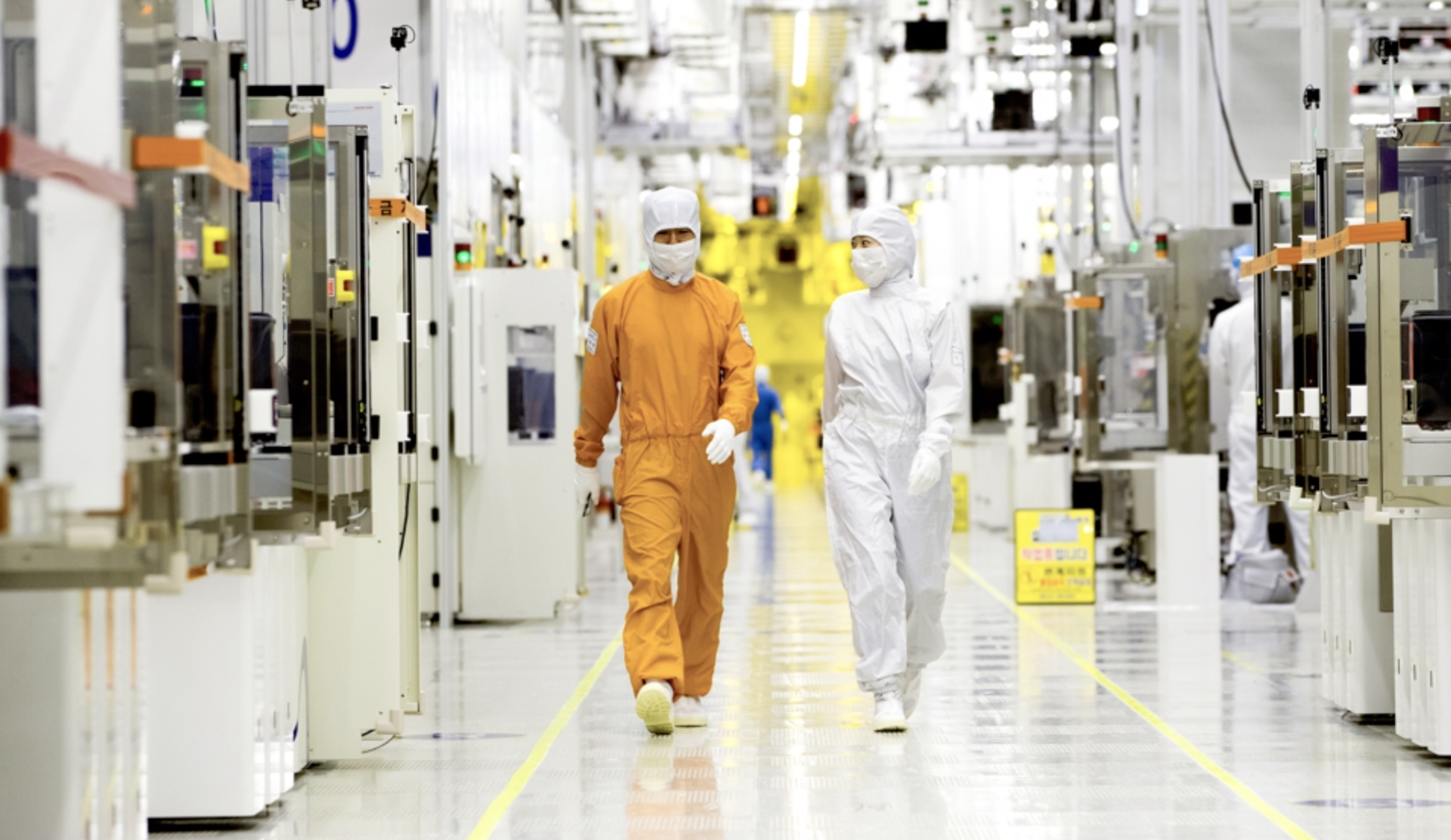
TSMC operates the most advanced fabs primarily in Taiwan, with expansion into Arizona (USA), Kumamoto (Japan), and Dresden (Germany). Samsung concentrates its foundry operations in Pyeongtaek and Hwaseong, South Korea, with a major fab under construction in Taylor, Texas. Intel's fabs span Oregon, Arizona, New Mexico, and Ireland, with new construction in Ohio and Germany.
The geographic concentration of advanced chip manufacturing in East Asia, particularly Taiwan, is a major geopolitical concern. Over 90% of the world's most advanced chips are made in Taiwan, an island that faces ongoing military threats from China. This reality is a primary driver behind the CHIPS Act and similar subsidy programs in Europe and Japan.
The Competitive Outlook
TSMC's position as the technology and volume leader appears secure for the near term. The company's execution track record, customer relationships, and yield expertise create a moat that is extremely difficult to cross. Samsung needs to solve its yield problems at advanced nodes to remain credible as a leading-edge foundry. Intel's foundry gambit is a decade-long endeavor that requires sustained investment, successful technology development, and patience from investors.
The AI boom has added a new dimension to this competition. Demand for advanced packaging and leading-edge logic for AI accelerators has strained TSMC's capacity and created opportunities for Samsung and Intel to capture overflow demand. All three companies are expanding their advanced packaging capabilities, recognizing that packaging innovation is becoming as important as transistor scaling.
Ultimately, the foundry competition is not winner-take-all. The semiconductor industry needs multiple sources of advanced manufacturing for supply chain resilience, and governments worldwide are willing to subsidize that diversity. The question is not whether TSMC will remain dominant but whether Samsung and Intel can become credible alternatives for customers who need a second source.