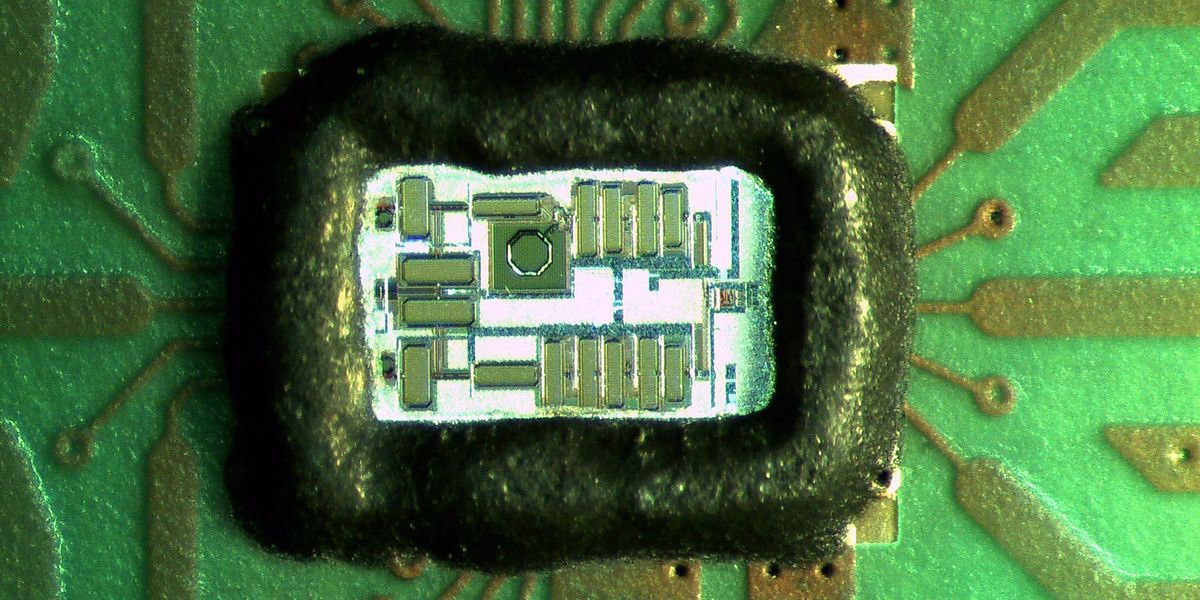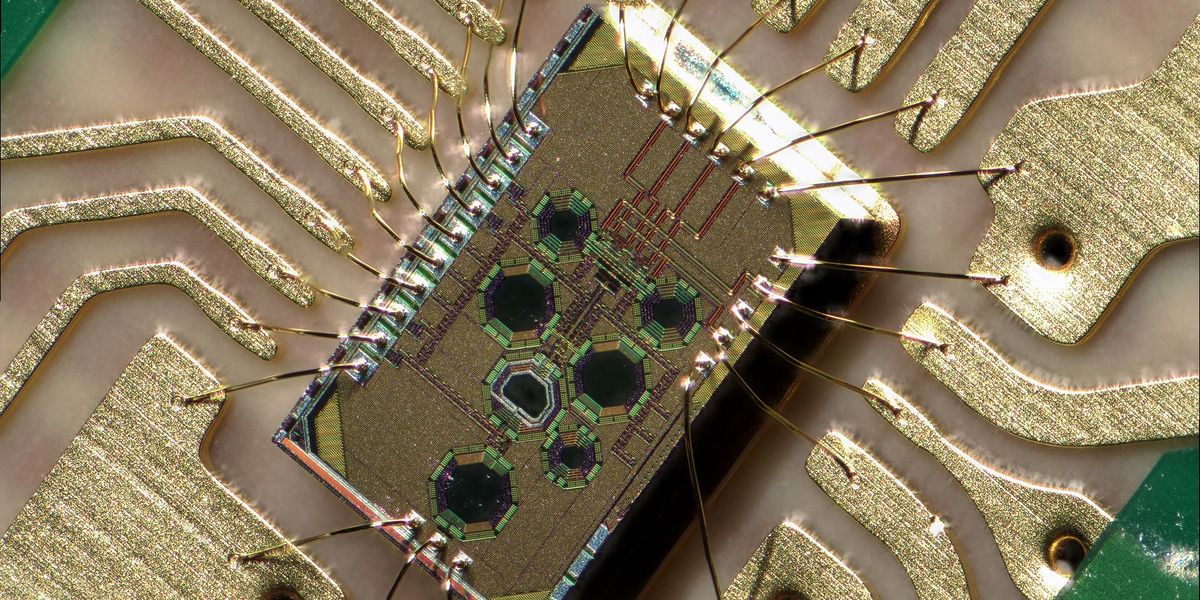
Workers at aging nuclear plants — and the taxpayers footing cleanup bills — just got a fighting chance against radiation nightmares.
This isn’t hype. A Tokyo team’s Wi-Fi receiver shrugs off 500 kilograys of radiation, dwarfing space-grade electronics by 1,000 times. Real people? Fewer boots on irradiated ground, quicker site repurposing for farms or homes, and billions saved on endless decommissioning delays.
Why Does Nuclear Cleanup Need Wi-Fi That Laughs at Gamma Rays?
Fukushima’s 2011 meltdown scarred Japan — and the world — with robot failures. Cables snagged. Arms fried at 164 grays. Now, 200 reactors face shutdowns in 20 years, per a 2024 study. Only 11 of 204 closed ones fully decommissioned.
That’s a market screaming for tech. Decommissioning costs trillions globally. Robots with wireless control? They dodge tangles, roam freely, slash exposure risks.
Yasuto Narukiyo, the grad student behind this, nailed it:
“A robot operating in a nuclear reactor needs to endure more than 500 kGy over the course of six months… at least 1,000 times the dosage.”
His receiver, demoed at IEEE’s ISSCC, held gain loss to 1.5 dB after 500 kGy. Comparable to off-the-shelf Wi-Fi pre-blast.
But here’s the data-driven rub: This isn’t sci-fi. It’s silicon MOSFET tweaks — longer, wider gates, slashed PMOS count (those suckers trap charges like sponges). Swapped for inductors. NMOS holds tougher; electrons fight back.
Tested atop a radiation source. Boom. Survives.
Japan’s not sleeping on this. Post-Fukushima, KEK and Institute of Science Tokyo pooled brains. Advisor Atsushi Shirane, Masaya Miyahara. They’re eyeing transmitters next — trickier, high-current beasts. Early try croaked at 300 kGy. Diamond semis? On deck.
Is This Tough Enough for Real Reactor Guts?
Short answer: Yes, for now. 500 kGy crushes CT scan doses (0.06 grays for eye lenses). Space kit? 100-300 grays over years. Nuclear bots? Six months in hell.
KUKA’s arm? Tapped out at 164 Gy. Narukiyo’s chip? Orders tougher.
My take — and it’s sharper than the PR gloss — this echoes 1960s Apollo rad-hardening for Van Allen belts. Back then, space race forced silicon wizardry. Today, nuclear backlog demands it. Japan leads; U.S., Europe lag on domestic fleets. Prediction: By 2030, wireless robot swarms halve decommissioning timelines, if transmitters pan out.
Critique the spin? Researchers pitch robotics salvation — fair — but gloss cable woes. Truth: LANs work fine in mild zones. Extreme cores? Wireless wins.
Decommissioning’s no joke. Plants don’t vanish; they fester. Reuse? Parks, solar farms. Delays? Radiation lingers, blocking that.
Market dynamics scream buy-in. Trillions at stake. Robots cut human hours by 90%, some estimates say. This Wi-Fi? Key enabler.
And look — it’s 2.4 GHz standard. No exotic bands. Scalable.
Challenges loom. Transmitters. Power amps hate radiation; currents amplify damage. Diamond? Pricey, unproven at scale. But silicon wins on cost — if yields hold.
Narukiyo’s roadmap: Boost gain, two-way links. Full system by? He’s mum, but IEEE buzz says prototypes soon.
For real people — communities near shutdowns — this means jobs in green repurposing, not hazmat suits. Taxpayers? Shorter bills. Environment? Faster detox.
Skeptical? Data doesn’t lie. 200 reactors incoming. This chip’s market timing? Perfect.
The Bigger Chip Play in Extreme Environments
Radiation-hardening’s hot. Space (Starlink sats), defense (hypersonics), now nukes. Common thread: Fewer transistors, geometry hacks. Same playbook.
Unique angle you won’t read elsewhere: Fukushima’s ghost drives Japan’s edge. U.S. NRC data shows 90 GW retiring by 2040. But Tokyo’s lessons? Wireless-first mindset. Competitors like U.S. firms chase gallium nitride for power — good, but oxide-trap blind spots kill ‘em here.
Bold call: If this scales, expect spin-offs. Oil rigs? Deep mines? Any rad-hot zone.
Performance dip? 1.5 dB post-500 kGy. Negligible for control signals. Bit error rates? Unshared, but IEEE peers nod approval.
So. Progress. Not perfection.
🧬 Related Insights
- Read more: Broadcom’s Quantum-Safe Fibre Channel Trick: Encryption Without the Pain?
- Read more: Tiny Photonic Chip Projects Mona Lisa on a Sand Grain – Quantum Fix or Lab Toy?
Frequently Asked Questions
What radiation levels can this Wi-Fi receiver handle?
It withstands 500 kilograys — over 1,000 times space electronics limits, enough for six months in reactor cores.
How does radiation-hardened Wi-Fi help nuclear decommissioning?
Eliminates tangle-prone cables for robots, enabling freer navigation in high-rad zones like Fukushima, speeding cleanups and cutting human exposure.
Will this tech work outside nuclear plants?
Potentially yes — space, defense, mining — anywhere gamma rays fry standard chips.