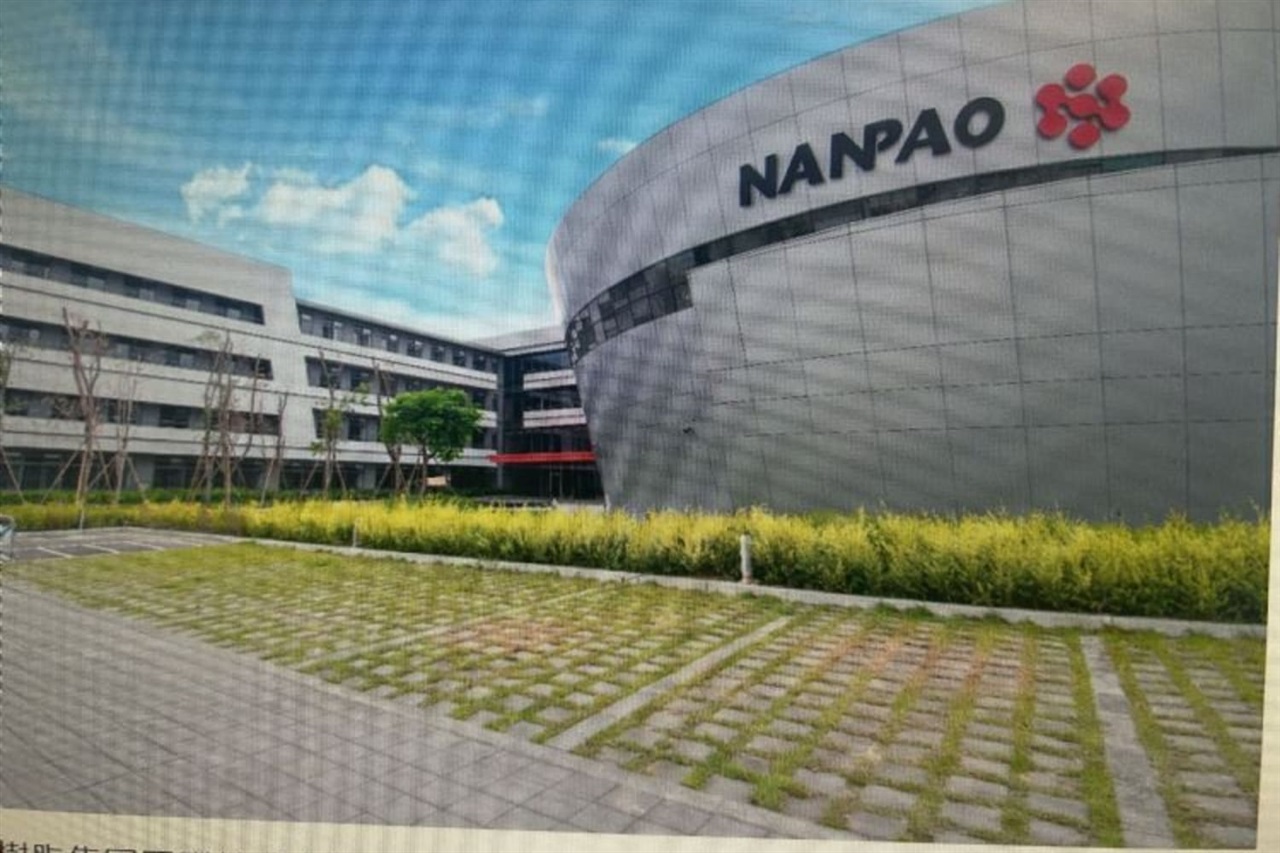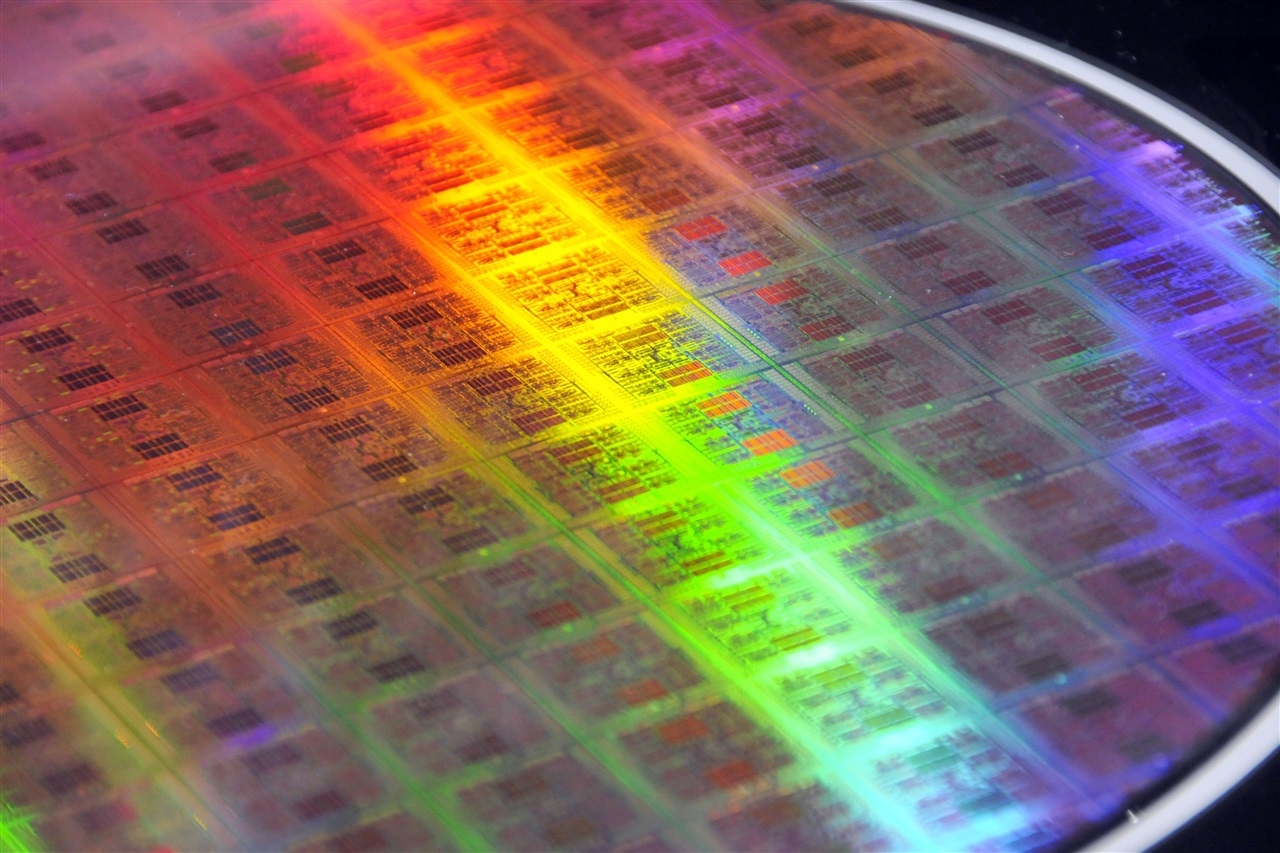
Shipments hit the fabs last quarter. BenQ Materials — yeah, the outfit that’s spent decades slinging display films and polarizers — just flipped the script, pumping out CMP cleaning brush rollers for semiconductor cleaning.
President Ray Liu couldn’t hide the grin: the company’s “entered CMP cleaning brush rollers and begun shipments to wafer fabs.” Wafer grinding wheels? They’re cooking those too, eyeing the brutal world of sub-5nm nodes.
From LCD Foils to Fab Filth
Look, I’ve covered Taiwan’s rise since the days when TSMC was a scrappy upstart dodging U.S. sanctions. BenQ? They’ve been kings of flat-panel displays, raking in cash from iPhone screens and TV backlights. Solid business. Predictable margins. Then chips got sexy — again — and everyone’s piling in.
But here’s the thing: semiconductor materials ain’t glamorous. CMP — chemical mechanical polishing — is the grindy bit where you polish silicon wafers flat as a pancake before etching those tiny transistors. Those brush rollers? They scrub off the slurry residue, over and over, millions of times a shift. It’s messy, it’s consumable, it’s low-margin hell once the big boys scale.
BenQ’s betting their polymer know-how translates. (Polymers for brushes? Sure, why not.) They’ve got the Taiwan Inc. ecosystem — proximity to TSMC, UMC, that whole Hsinchu cluster. Shipments started, they say. But volume? Customers named? Crickets so far.
A single line from Liu: > “the company has entered CMP cleaning brush rollers and begun shipments to wafer fabs.”
Short. Sweet. Classic PR dodge — no numbers, no names.
Is BenQ Poised for Advanced Nodes?
Advanced nodes. 3nm, 2nm, whatever ASML’s next EUV fever dream is. Everyone’s chasing them, but materials suppliers? They’re the unglamorous backbone. Entegris, DuPont, AGC — they’ve been feasting here for decades. BenQ’s a newbie, pivoting from optics to this abrasive underworld.
And grinding wheels for wafers? That’s thinning silicon to near-transparency before stacking in 3D chips. Critical for CoWoS, high-bandwidth memory. Taiwan’s got the packaging boom, sure. But competition’s fierce — Japan’s Showa Denko, U.S. firms with IP moats thicker than a GaN wafer.
My unique take, after two decades of these announcements: this smells like the 2000s solar panel rush. Taiwan firms flooded in with display tech, made bank short-term, then China crushed margins with dirt-cheap polysilicon. BenQ’s playing in a similar trap — consumables commoditize fast. TSMC might qualify them for 7nm runs, but 2nm? You’ll need certifications out the wazoo, supply chain audits, zero-defect yields. Who’s actually making money? Not the roller spinner — it’s the toolmakers like Applied Materials, sipping royalties.
Taiwan’s Supply Chain Squeeze Play
Zoom out. Taiwan controls 90% of advanced packaging, 60% of foundry capacity. BenQ’s move fits the script: diversify, localize, insulate from U.S.-China chip wars. Liu’s team isn’t dumb — they’ve R&D’d this for years, tweaking brush hardness for different slurry chemistries.
Yet skepticism creeps in. Fab spending’s peaking — Intel’s $100B binge, Samsung’s node leaps — but capex cycles turn vicious. Remember 2019? Everyone slashed orders, materials guys bled red. BenQ’s display biz? Still 80% of revenue, per filings. This semi push? Maybe 5% now, scaling to 20% if lucky.
Who’s buying? Anecdotes point to regional fabs — GlobalFoundries’ Singapore arm? Vietnamese outfits? Unconfirmed. And advanced nodes mean high-purity everything — one contamination batch, and you’re blacklisted.
But — em-dash for the win — if BenQ nails yield improvements (say, 10% longer roller life), they could snag niche. Bold prediction: by 2026, they’ll hit $200M in semi revenue, but margins stuck at 15%, half their display glory. The real winners? Venture arms funding the next-wave startups.
Short para punch: Hype hides the math.
The Money Trail: Follow the Slurry
Who profits? Not BenQ shareholders overnight. Fabs hate vendor lock-in, so they’ll pit BenQ against incumbents. Entegris stock’s up 50% YTD on similar plays — they’ve got the scale.
Taiwan’s government loves this — NT$10B subsidies floating around for materials localization. BenQ’s tapped in, no doubt. But corporate spin? “Targets advanced nodes.” Please. Every Tom, Dick, and TSMC supplier says that.
I’ve seen 50 such entries. Most fizzle. Unique insight: parallel to 1990s’ PCB rush, where display vets like BenQ crushed it initially, only for volume to erode under Asian scale. History rhymes — poorly.
Dense dive: Wafer grinding demands diamond abrasives embedded just right — too aggressive, you crack wafers; too soft, throughput tanks. BenQ’s prototyping fixed/fixed-abrasive wheels, claiming better flatness. Lab data? Shiny. Fab trials? That’s the gauntlet. Shipments mean qualification phase — green light for volume, or polite rejection?
Medium bite: Risky bet, but Taiwan needs it.
Why Does This Matter for Fab Watchers?
Developers? Nah. But investors, yes. BenQ’s stock popped 3% on the news — thin trading, typical. Track Q4 earnings: if semi revenue ticks above NT$500M, momentum builds.
Geopolitics? Chips are weapons now. U.S. CHIPS Act funnels billions to allies — Taiwan grabs scraps via materials. BenQ’s no Intel rival, but every roller shipped weakens China’s fab dreams.
Cynical close: Solid incrementalism. Not revolutionary. (Told you I hate that word.) But in a world of AI wafer binges, even grinders get rich.
🧬 Related Insights
- Read more: Asia’s AI Factories: Power Grids, Wallets, and Wars Trump Code
- Read more: Intel’s Record-Thin GaN Chiplet: Smart Foundry Bet or Desperate AI Catch-Up?
Frequently Asked Questions
What are BenQ Materials’ new semiconductor products? BenQ’s shipping CMP cleaning brush rollers to wafer fabs and developing wafer grinding wheels, targeting polishing and thinning processes for advanced chips.
Can BenQ Materials compete in advanced nodes like 3nm? Maybe — they’ve got Taiwan proximity and polymer expertise, but face giants like Entegris. Early shipments are promising, yet yields and scale will decide.
Is BenQ’s semiconductor expansion profitable? Short-term, low margins expected (10-15%). Long-term, could hit $200M+ revenue by 2026 if they qualify for TSMC runs, but commoditization looms.