VP892 cranks speeds higher.
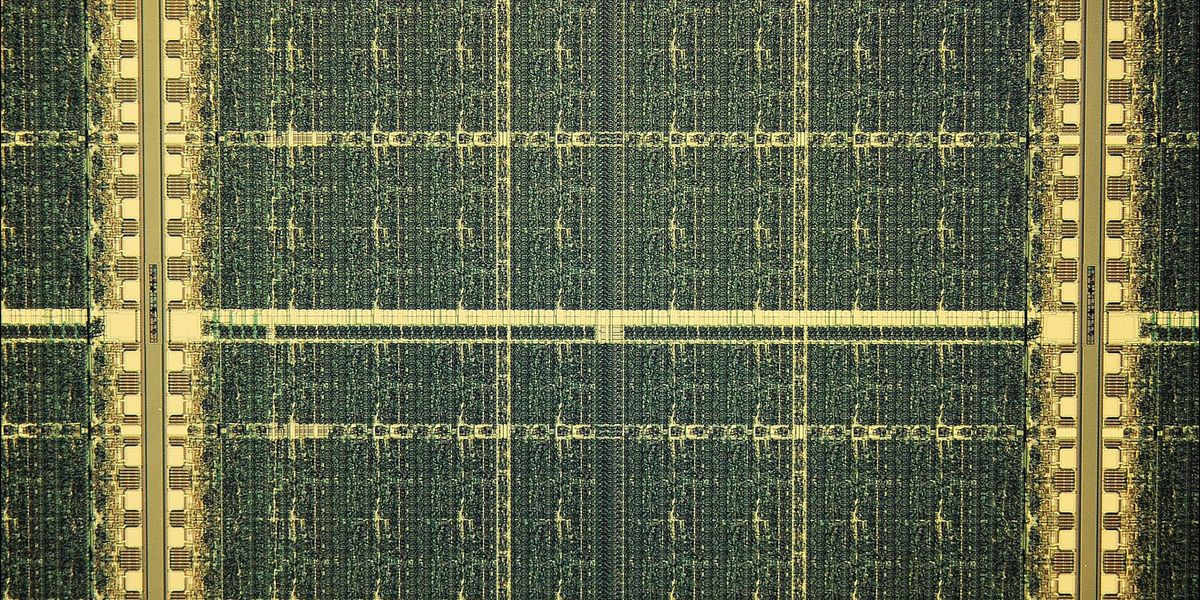
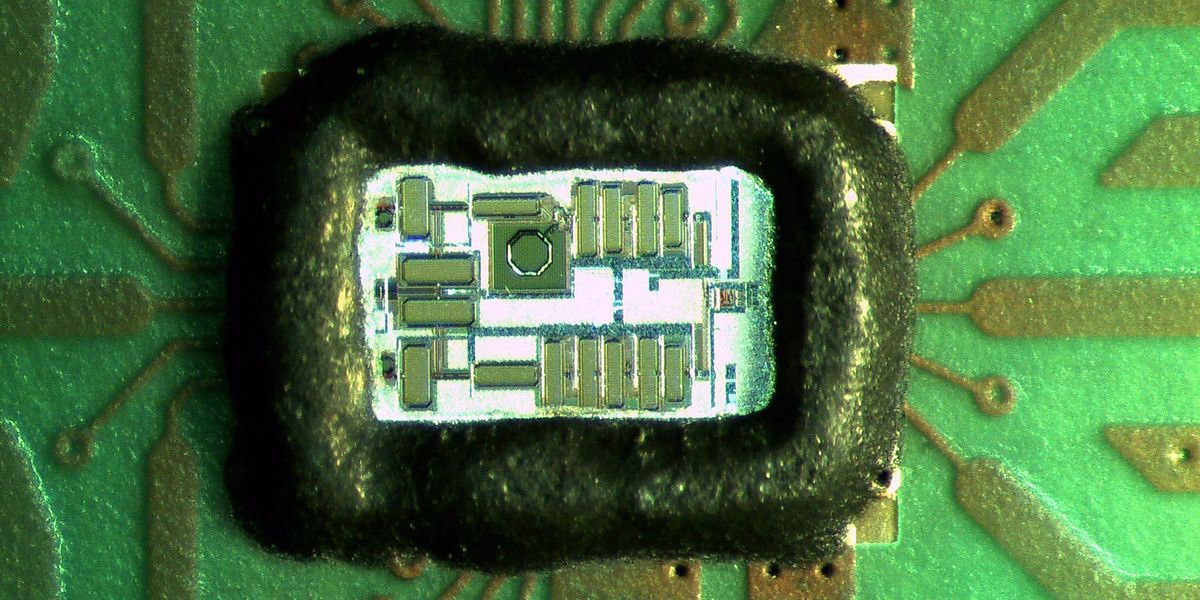
Abaco Systems isn’t messing around. They’ve unleashed the VP892—a rugged, SOSA-aligned 3U VPX FPGA processing engine powered by AMD’s Virtex UltraScale+ VU13P, the highest-density chip in that lineup. Huntsville-based Abaco, a staple in mission-critical embedded computing, says this keeps defense programs humming for decades in harsh spots like battlefields, telecom towers, or factories.
Facts first: it’s built for real-time workloads that demand no hiccups. Compared to the VP891, you’re looking at 45% more programmable logic cells and up to 80% more signal-processing engines. That’s not fluff—it’s math that translates to faster signal acquisition in electronic warfare or low-latency radar imaging.
“Abaco continues to lead the way in delivering SOSA-aligned solutions that meet the evolving needs of our customers,” said Simon Collins, Director of Product Management at Abaco Systems. “The VP892 offers a powerful upgrade path ideal for applications where performance and reliability cannot be compromised.”
Collins nails it, but here’s my edge: AMD’s pledging support for UltraScale+ through 2045. In defense, where programs span 20-30 years, that’s gold. Remember the F-35’s saga? Upgrades dragged because of FPGA obsolescence. This VP892 sidesteps that trap, letting engineers reuse design blocks—saving millions in recertification.
But does it make sense strategically? Absolutely, if you’re Abaco. SOSA alignment means plug-and-play in open architectures, dodging vendor lock-in. Defense budgets are tight—GAO reports show embedded computing eats 15-20% of avionics costs. A board like this slashes redesign time, keeping platforms viable.
Why VP892’s Density Shift Matters for EW and Radar
Electronic warfare doesn’t wait. Jammers evolve in seconds; detection lags mean mission fails. VP892’s VU13P packs enough horsepower for real-time countermeasures, fusing signals from multiple antennas without choking.
Radar? Synthetic aperture systems crave low latency. Phased arrays for imaging need dense compute to process terabytes on the fly. Abaco claims higher compute density here—backed by that 80% signal engine bump. And the FMC+ connector? It hooks up wideband RF gear, turning this into a waveform processing hub.
Look, telecom’s sneaking in too. 5G/6G backhaul demands secure, high-capacity DSP. Dual 100Gb optical interfaces and 100Gb Ethernet mean data zips between cards—no bottlenecks in a 3U slot.
Short version: it’s compact fury.
Is Abaco’s 2045 Bet on AMD FPGAs Too Optimistic?
Here’s the thing—AMD’s long-tail support sounds bulletproof, post-Xilinx buyout. But tech marches on. By 2045, quantum threats or neuromorphic chips could render FPGAs quaint. My bold call: this locks Abaco into defense incumbents, but newcomers chasing AI-edge might leapfrog with next-gen silicon.
Still, market dynamics favor it. U.S. DoD’s JADC2 push needs sensor fusion for ISR—autonomous drones aggregating multi-modal data. VP892 fits like a glove, with autonomy apps listed front and center.
Industrial side? Semiconductor fabs use it for defect inspection—accelerated metrology where microseconds count. Harsh vibes—vibration, EMP—ruggedized via VPX standards.
Abaco’s no rookie. Thirty years in, as an AMETEK unit, they’ve architected backbones for land, sea, air ops. Sales? AMETEK’s at $7.5B yearly, niche markets humming.
VP892 vs. the Field: Upgrade or Overkill?
Stack it up. Competitors like Curtiss-Wright or Mercury push similar VPX, but Abaco’s SOSA edge shines—modular, scalable. VU13P’s density? Tops charts for 3U.
Cost? Not public, but expect $50K+ per unit, amortized over long life. ROI kicks in on upgrades—don’t scrap the chassis.
Critique time: PR spins “leader,” but is it? Market share data’s murky; embedded’s fragmented. Yet, with 2045 horizon, they’re betting on inertia. Smart—defense hates change.
And sensor fusion? Boom for autonomy. Think unmanned subs processing sonar+lidar in real-time. Or 6G nodes crunching edge AI.
Wander a sec: parallels to 1990s VMEbus. Then, VPX/SOSA killed it by standardizing. Abaco rode that wave; VP892 extends it.
The Broader Embedded Compute Play
Abaco serves aerospace, energy, med—open arch accelerates all. But defense drives revenue—EW/radar alone could be half.
Prediction: if China tensions spike supply chains, U.S. primes like Lockheed snap these up. Geopolitics juices demand.
Downsides? Power draw—VU13P guzzles; cooling in -40C? Rugged claims hold, per specs.
So, yeah—strategically sound. Abaco’s not hyping; they’re delivering continuity in chaos.
🧬 Related Insights
- Read more: Sharp’s Poketomo: Edge AI That Remembers Without Spilling to the Cloud
- Read more: Asia’s AI Factories: Power Grids, Wallets, and Wars Trump Code
Frequently Asked Questions
What is Abaco Systems VP892?
It’s a 3U VPX FPGA board with AMD Virtex UltraScale+ VU13P for real-time processing in defense, radar, EW, and industrial apps—SOSA-aligned for rugged use.
How does VP892 compare to VP891?
45% more programmable logic, 80% more signal engines, plus FMC+ and high-speed I/O for better density and data flow.
Will VP892 last until 2045?
AMD supports UltraScale+ that long, enabling design reuse for long-life defense programs—key for cost savings.