Kubernetes orchestrates 4.7 million clusters worldwide, per the latest Cloud Native survey. And NVIDIA? They’re not content letting those clusters idle on CPUs.
Today, at KubeCon Europe in Amsterdam, NVIDIA donated its Dynamic Resource Allocation (DRA) Driver for GPUs straight to the CNCF — that’s the vendor-neutral home of Kubernetes. No more proprietary lock-in; this bad boy goes upstream, open for all to hack, fork, and deploy.
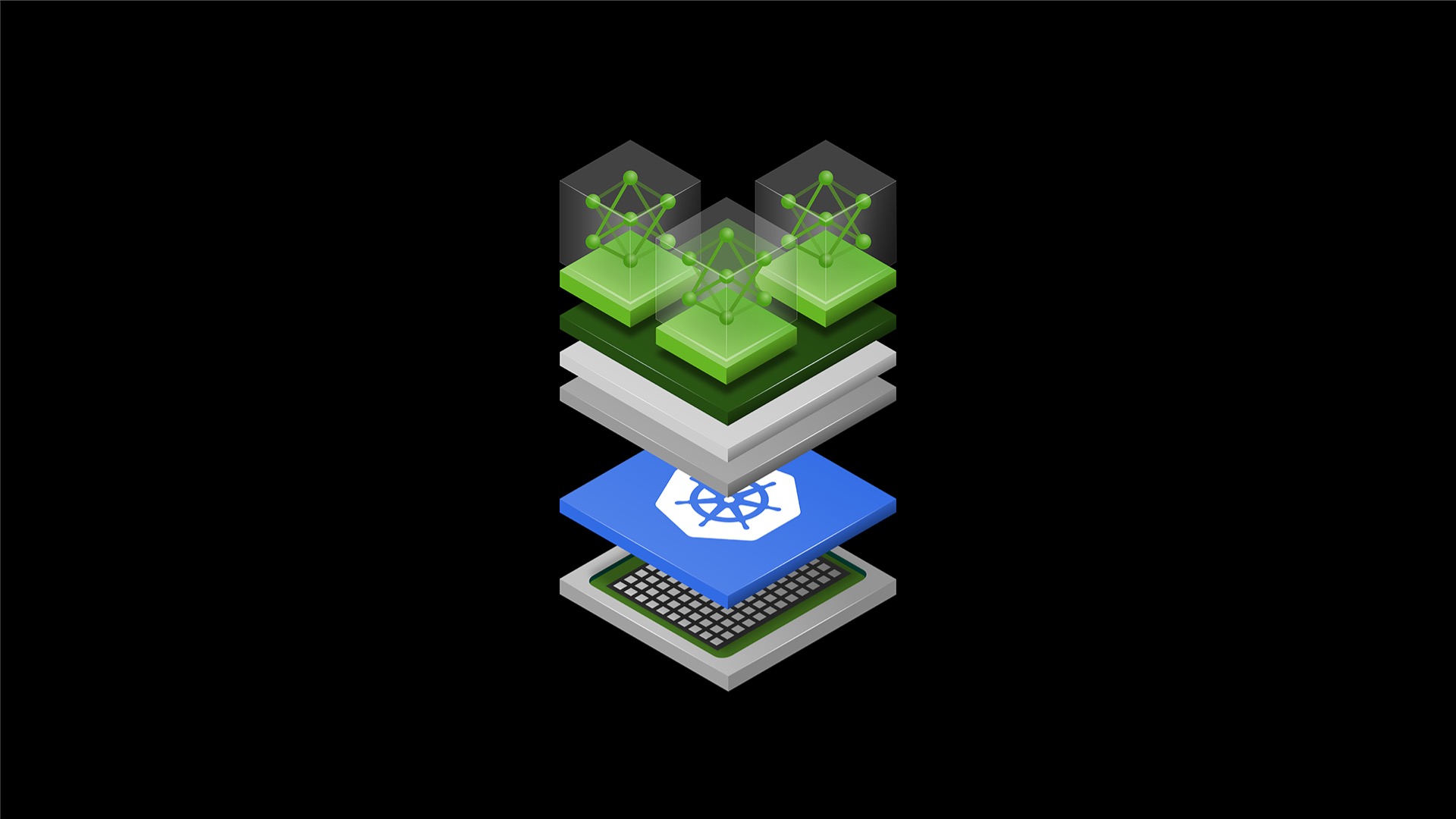
But wait — why now? Look, AI training guzzles GPUs like a teenager downs energy drinks. Enterprises want to slice those H100s or Blackwell beasts into fractions, sharing compute without wasting a femtoflop. NVIDIA’s DRA does exactly that: dynamic bin-packing of GPU resources, Multi-Instance GPU support, even NVLink for multi-node mega-training. It’s the plumbing that turns a rack of GPUs into a fluid AI supercomputer.
“NVIDIA’s deep collaboration with the Kubernetes and CNCF community to upstream the NVIDIA DRA Driver for GPUs marks a major milestone for open source Kubernetes and AI infrastructure,” said Chris Aniszczyk, chief technology officer of CNCF.
Here’s the thing. This isn’t charity. (Though NVIDIA swears it is.) It’s architectural chess. By upstreaming DRA, NVIDIA bakes its tech into Kubernetes’ core — the de facto standard for cloud-native everything. Developers won’t bother rolling their own; they’ll use this. And since it leans on NVIDIA-specific features like MIG and MPS, it subtly steers the world toward Hopper, Blackwell, Grace — you get the picture.
Why Is NVIDIA Donating Its GPU Allocation Secret Sauce?
Strip away the press release gloss. Historically, GPU orchestration was a nightmare — static allocations, idle silicon, ops teams pulling hair. Think pre-Kubernetes days, when Hadoop clusters were glued with duct tape.
DRA flips that. It lets you request, say, 20% of a GPU’s SMs, 10GB of its memory, tied to NVLink bandwidth — all at runtime. Kubernetes scheduler handles the rest, like a bouncer divvying up VIP tables. Efficiency jumps; scale explodes. CERN’s Ricardo Rocha nailed it: they’re petabyte-crunching with this ecosystem already.
But my unique angle? This echoes Intel’s 2005 donation of VT-x virtualization to Linux — opened the kernel, sure, but cemented x86 as the hypervisor king. NVIDIA’s playing the same long game. Open source lowers barriers, floods the field with NVIDIA-optimized apps, starves AMD/Intel MI300s of mindshare. Bold prediction: by 2026, 80% of K8s AI clusters will run NVIDIA iron, DRA as the unspoken enforcer.
Collaborators like Red Hat’s Chris Wright cheer: open source as AI’s backbone. AWS, Google Cloud, Microsoft? All in. Even Kata Containers gets GPU love for confidential computing — isolate those LLMs, keep data from prying eyes.
Short para. Skeptical? Fair. NVIDIA’s rap sheet includes closed-source CUDA forever. This feels like PR spin after GTC’s open-ish announcements (NemoClaw, OpenShell). But upstreaming DRA? That’s real power ceded — community can tweak it, diverge even.
Does Kubernetes GPU Sharing Actually Scale to Exascale AI?
Massive models demand it. Grace Blackwell superchips chain via NVLink; DRA knits them into K8s pods. No more bespoke Slurm hacks — native, declarative YAML for your 10,000-GPU behemoth.
Precision rules: fine-grained requests mean no overprovisioning. Flex it on the fly — training done? Realloc to inference. Multi-Process Service lets apps share a GPU sans drama.
Yet — and here’s the deep-dive rub — it’s NVIDIA-first. AMD’s ROCm lags in K8s integration; Intel’s oneAPI? Miles off. This donation accelerates the Matthew Effect: rich get richer. Enterprises standardize on what’s easy, which is NVIDIA + K8s.
“Open source will be at the core of every successful enterprise AI strategy,” said Chris Wright, chief technology officer and senior vice president of global engineering at Red Hat.
NVIDIA’s broader push? NVSentinel for fault tolerance, AI Cluster Runtime for agentic swarms. OpenShell secures autonomous agents with eBPF hooks. It’s an open horizon — but charted on NVIDIA maps.
One sentence: Game on for hyperscalers.
The why underneath? Cloud-native AI shifts from silos to composable infra. DRA’s the missing link, turning GPUs from beasts to Lego bricks. Community ownership means faster fixes, broader ports (maybe ARM someday?). But don’t kid yourself — NVIDIA retains hardware use. Their silicon sings with DRA; rivals must catch up.
Critique time. Corporate hype screams ‘smoothly accessibility!’ Reality: you’ll still need NVIDIA GPUs. It’s not neutral; it’s evangelist code. Still, for devs, it’s gold — deploy AI at Netflix-scale without reinventing wheels.
What Happens When Open Source Eats Proprietary AI Plumbing?
Long term? Kubernetes becomes the AI OS. Schedulers evolve with DRA-like smarts, maybe abstracting to vendor-agnostic. But inertia wins; NVIDIA’s head start is years.
CERN loves it for ML on LHC data. Nutanix, SUSE? Hyperscale validated.
Wander a sec: imagine confidential Kata VMs with fractional GPUs — secure multi-tenant AI factories.
Bottom line. This donation rewires AI infra’s architecture, from rigid to elastic. Skeptics (me included) watch for true forks. But right now? Bullish for builders.
**
🧬 Related Insights
- Read more: Amazon’s Secret $50B Chip Beast: Poised to Eclipse Intel?
- Read more: Tower’s Laser Chip Promises DWDM Magic for AI Racks—Hype or Hardware Hero?
Frequently Asked Questions**
What is the NVIDIA DRA Driver for Kubernetes?
It’s software that lets Kubernetes dynamically allocate fractions of GPU resources — compute, memory, bandwidth — for efficient AI workloads.
How does NVIDIA’s GPU donation change AI infrastructure?
It open-sources GPU sharing in K8s, boosting efficiency and scale while pulling more devs into NVIDIA’s ecosystem.
Will DRA work with AMD or Intel GPUs?
Not natively yet — it’s optimized for NVIDIA tech, but community could extend it.