BrainChip's New Software Partners: What It Means for Your Gadgets
BrainChip's Akida AI chips just got some backup. The company announced new software partners aimed at making its low-power AI tech more accessible.
Arm Holdings, the gatekeeper of a dominant chip architecture, is under the FTC's microscope. Regulators are investigating whether the company is using its position to stifle competition.
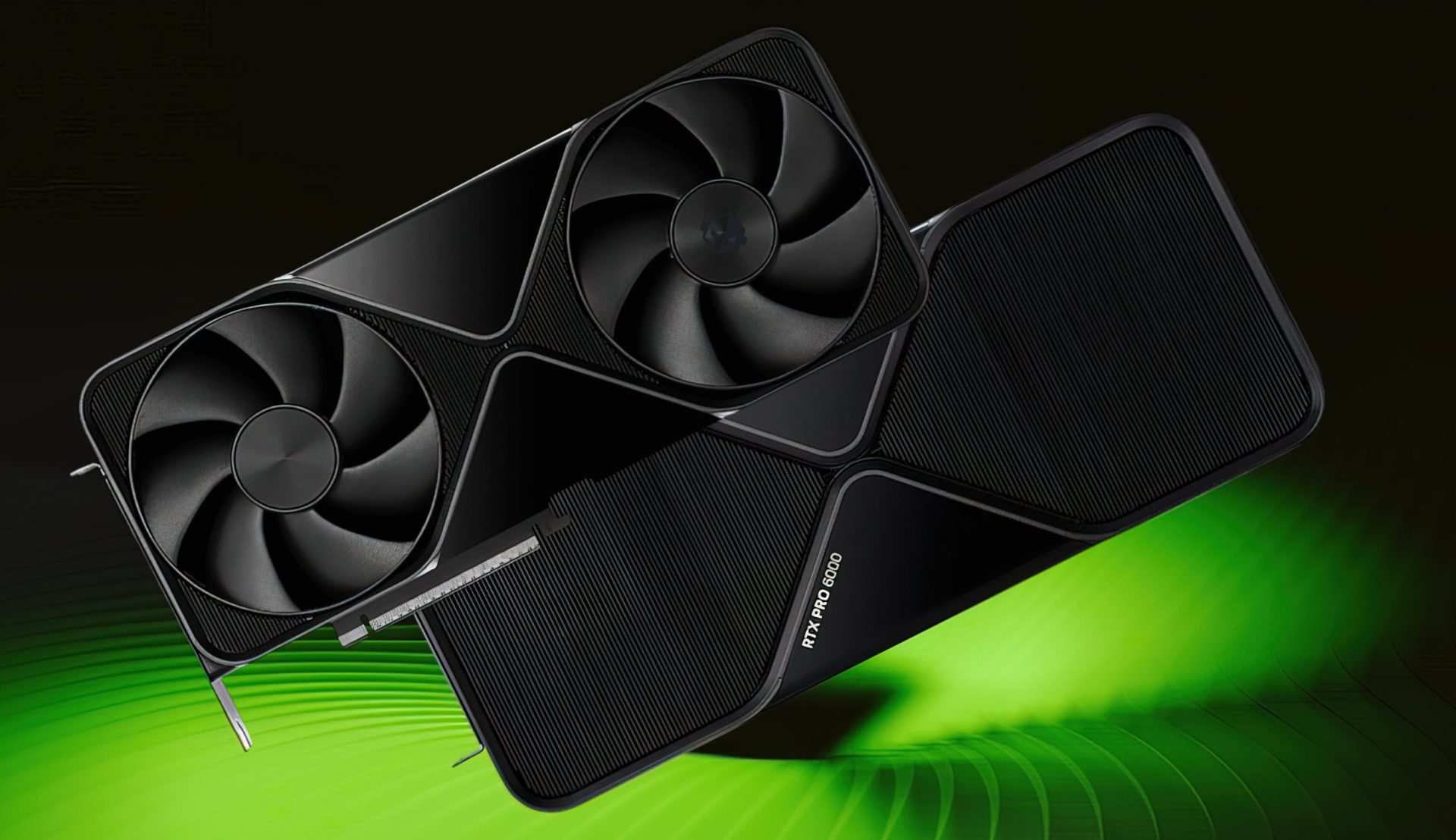
NVIDIA's most powerful professional GPU, the RTX 6000 Blackwell, has crossed the $10,000 threshold, a seismic shift driven by insatiable AI workloads.
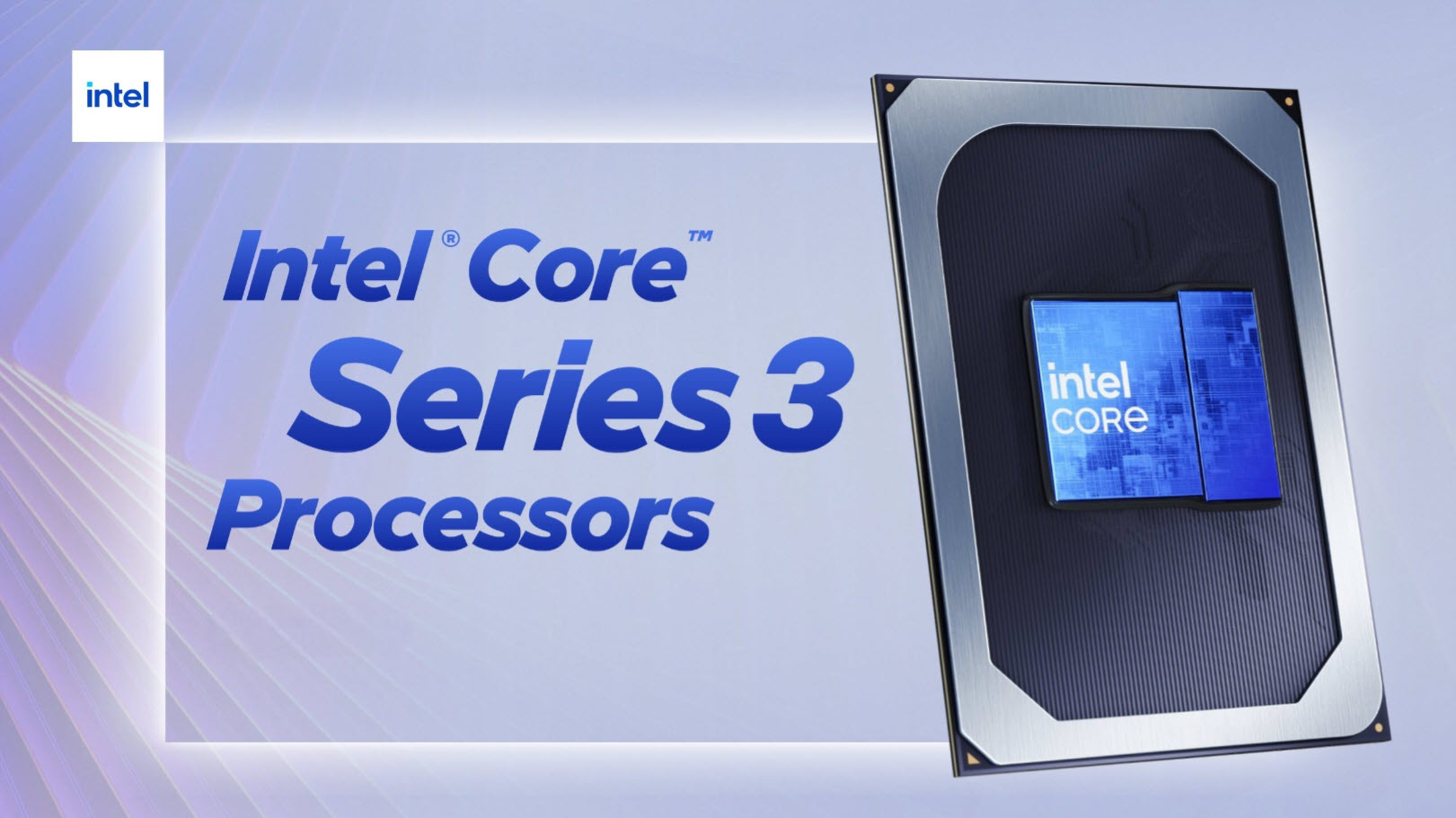
Intel is pushing its new AI-ready laptop chips, 'Wildcat Lake,' into the mainstream market next week. This move directly challenges Apple's dominance in efficient performance and aims to democratize AI features for everyday users.
India's first commercial chip fabrication plant is gearing up for production, with ASML's critical lithography equipment set to be deployed. This $11 billion Dholera project signals a major push for the subcontinent's domestic chip manufacturing capabilities.
Forget sleek new processors. Russia's Mikron is hawking framed silicon wafers, some boasting 120,000 chips, as wall art. It’s a quirky business move that raises more than a few eyebrows in the tech world.
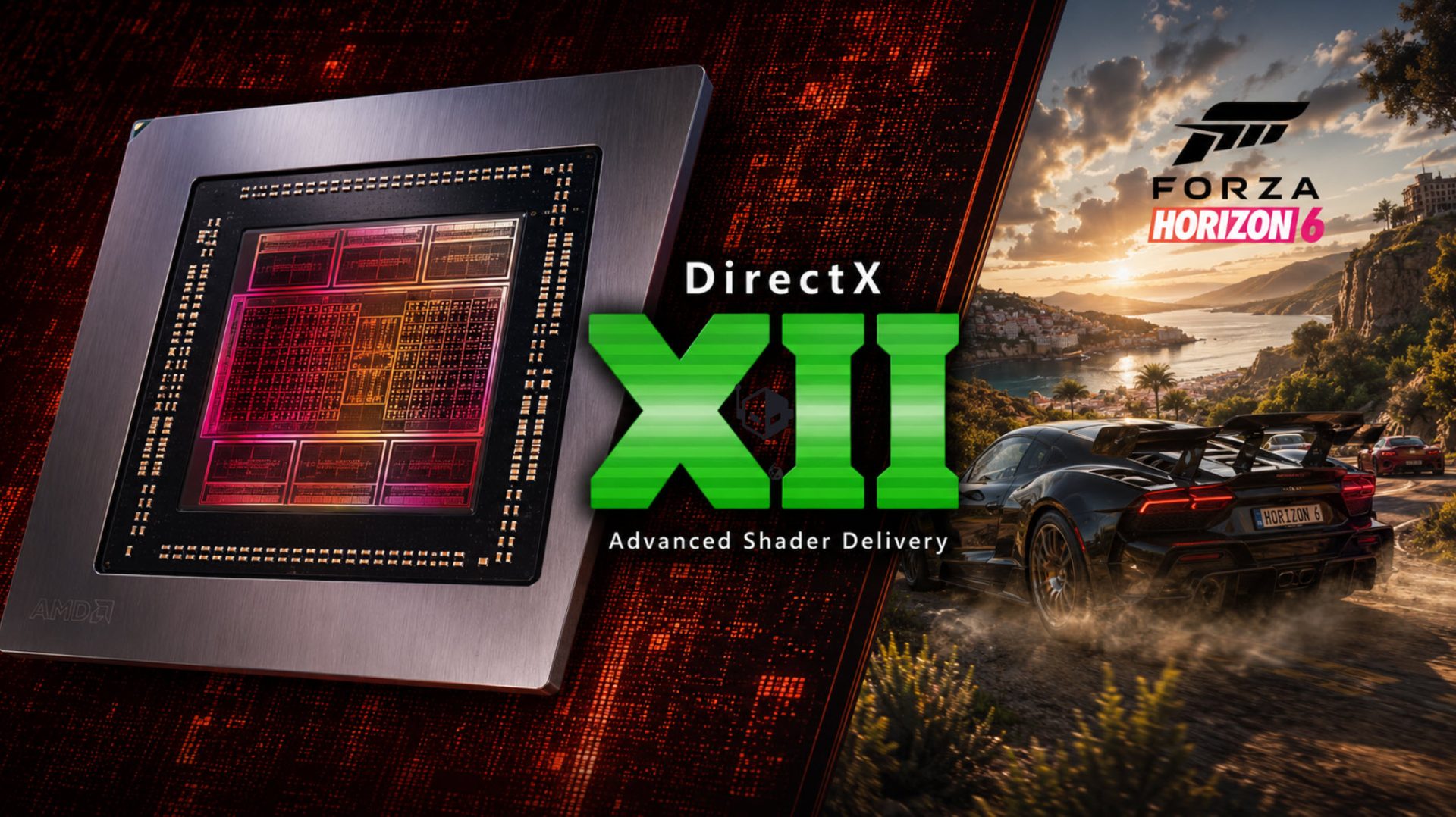
Ninety seconds to load a game? Unacceptable. Microsoft's new tech cuts Forza Horizon 6 boot times to a mere four seconds, but AMD is the latest player to join the shader delivery arena.
Forget the GPU arms race. China's latest supercomputer, LineShine, packs an astonishing 2.4 million CPU cores to bypass US sanctions and achieve massive AI performance. This isn't just a workaround; it's a fundamental shift.
Nvidia's Jensen Huang thinks the idea of restricting AI chip sales to 'adversarial countries' is, frankly, stupid. He’s got a point, sort of.
Korea's HBM dominance is undeniable, but a quiet revolution is happening elsewhere. Taiwan's chipmakers are stepping in, filling critical gaps in the AI server supply chain.
Forget the incremental smartphone bumps. Google's Tensor G6 is shaping up to be a fascinating case study in how cutting-edge AI might actually *drive* chip design, even when it means making some eyebrow-raising compromises.
Europe poured billions into sovereign clouds to escape US digital oversight, but the architecture's reliance on American silicon—and its hidden management engines—threatens to undermine those very goals.
Remember waiting an eternity for games to load? Microsoft's Advanced Shader Delivery is here to change that, dramatically cutting load times on AMD's latest GPUs. We're talking minutes shaved off, making those endless loading screens a relic of the past.
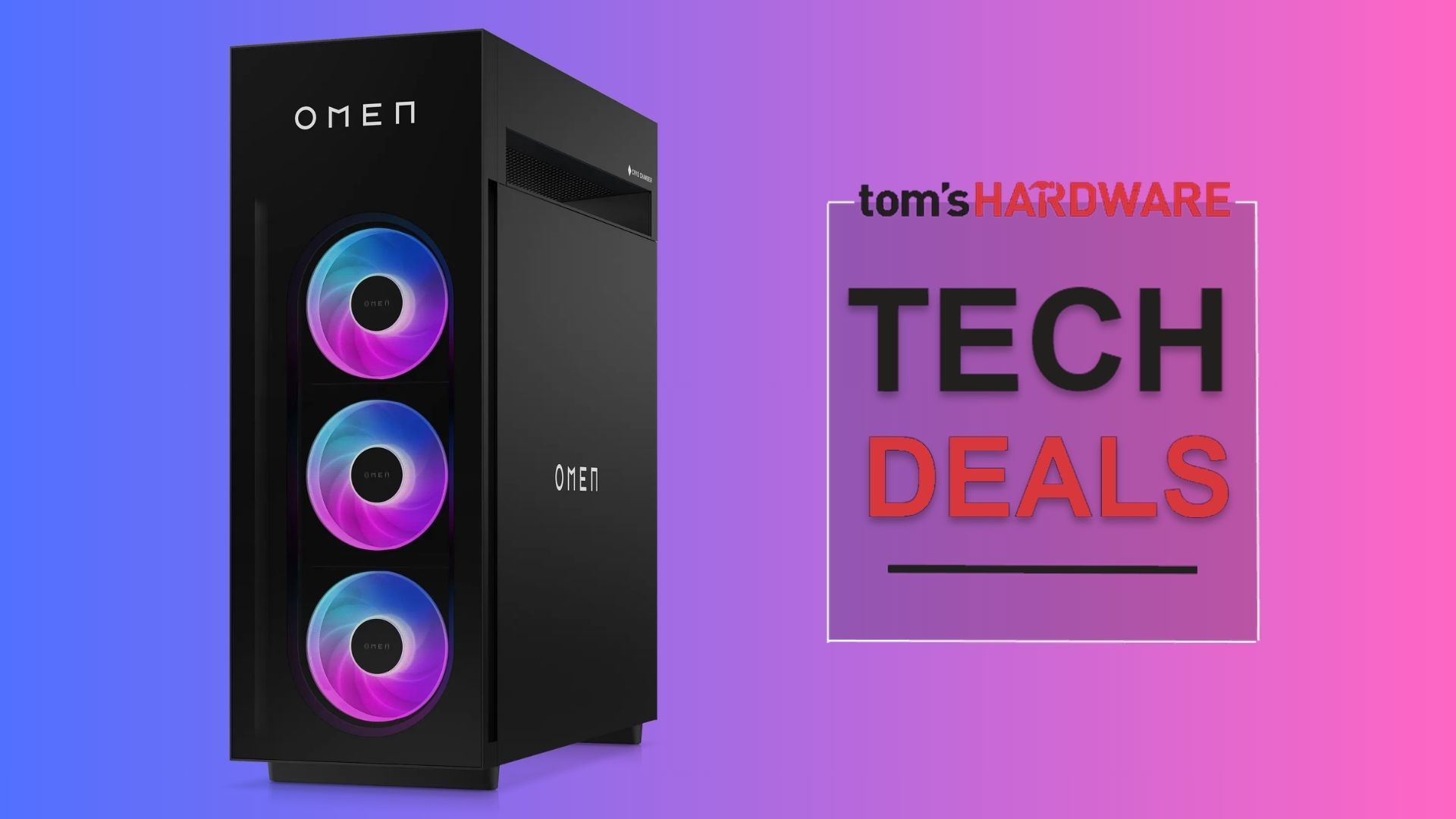
So, you want the latest flagship GPU but can't stomach the astronomical price tag? HP's Omen 45L might offer a backdoor, bundling a beastly RTX 5090 into a complete system for what one might pay for the card alone.
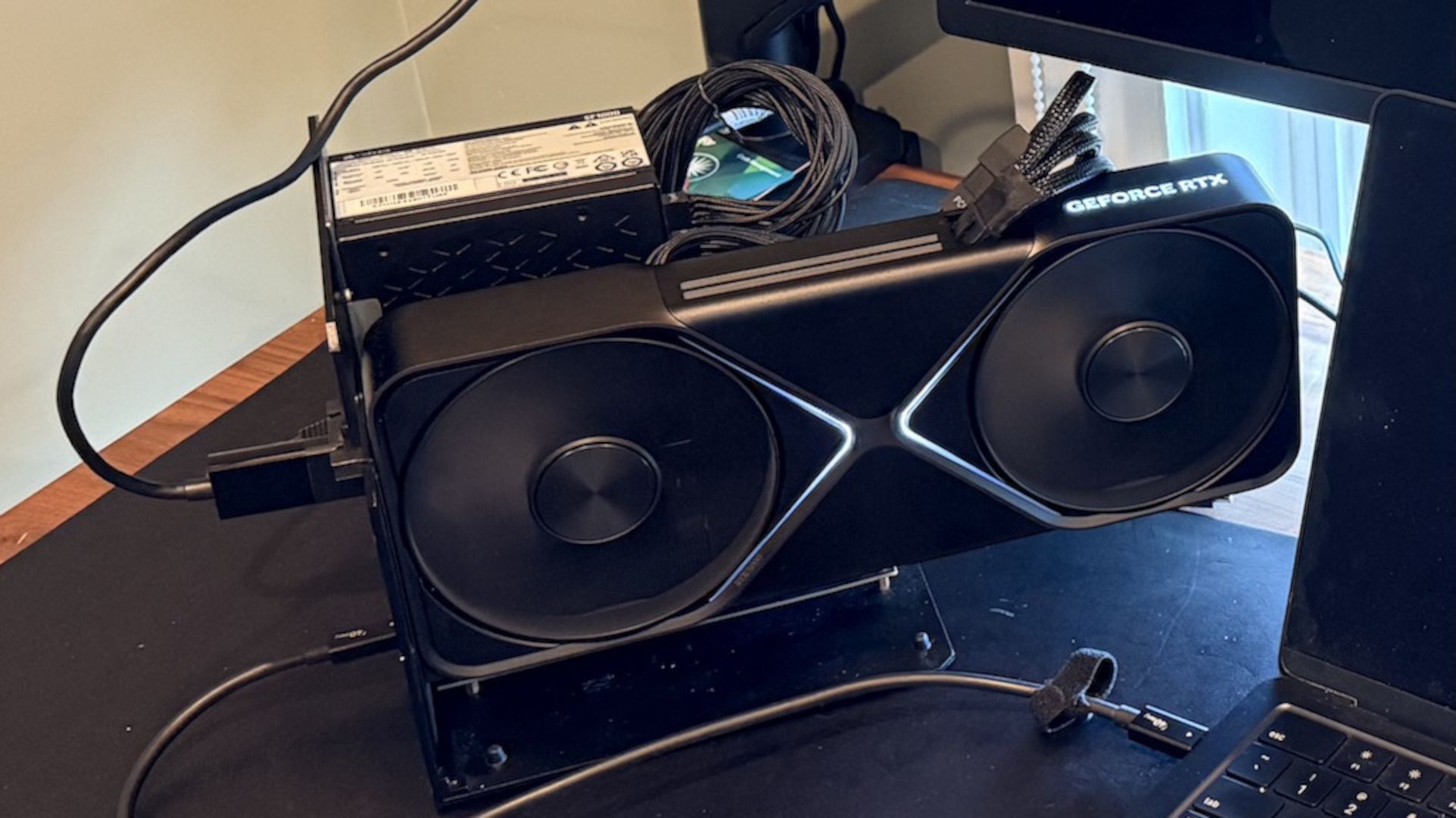
Forget native. Pushing an M5 Max MacBook Pro to crush Cyberpunk 2077 at over 100 FPS required a labyrinth of virtualization, translation layers, and an external RTX 5090. The results are fascinating, but far from practical.
NVIDIA is dangling a custom RTX 5080 Founders Edition, themed around the upcoming 007 game, in a Twitter giveaway. But beyond the glossy graphics, what's really going on?
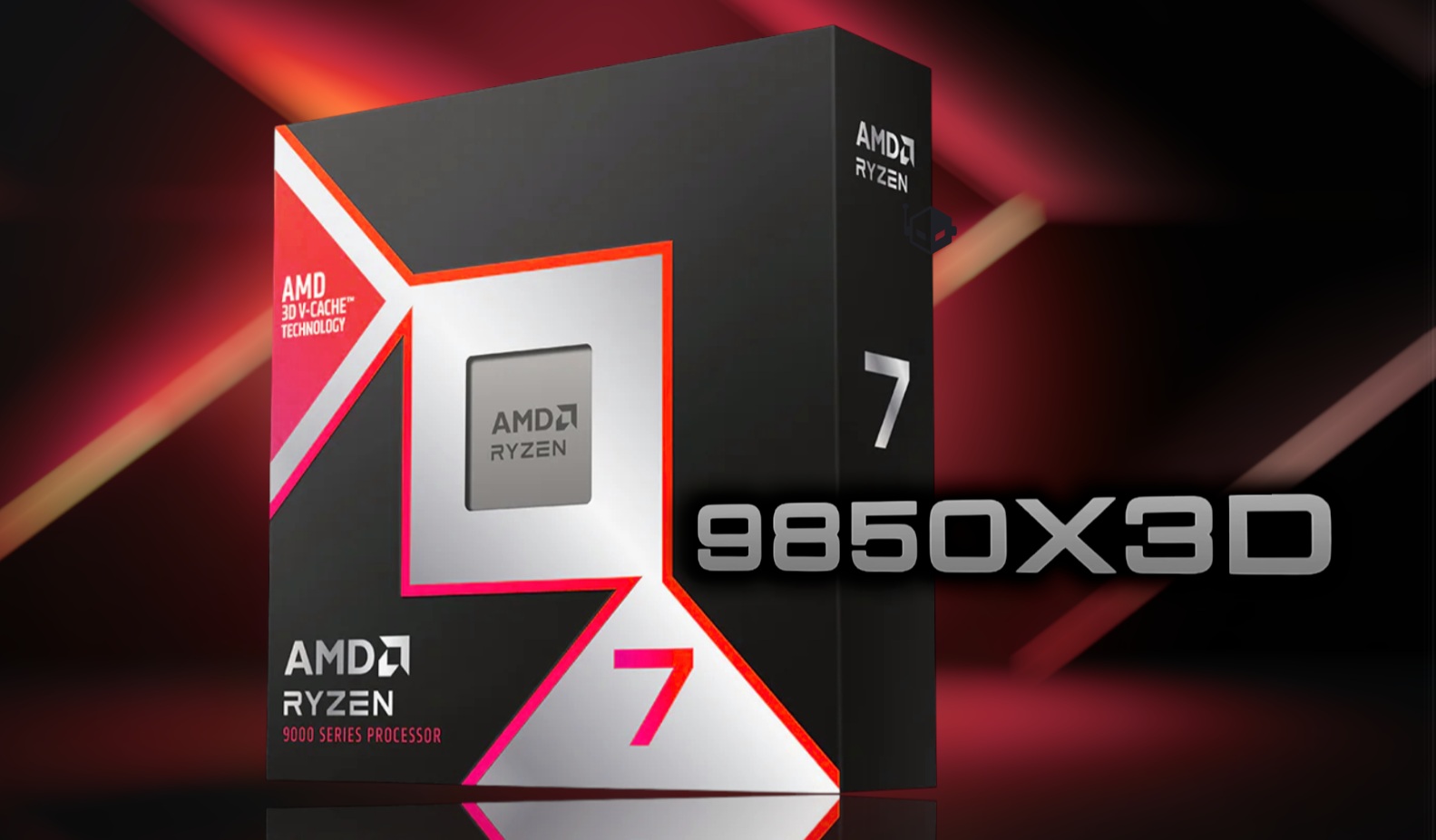
Everyone expected the Ryzen 7 9850X3D to be the undisputed king. Now, with a steep discount, it's finally living up to the hype, at least on price.
Forget incremental updates. We're on the cusp of an AI-driven revolution, and even seemingly niche chip records hint at the incredible power unleashed. This isn't just about speed; it's about what that speed unlocks.
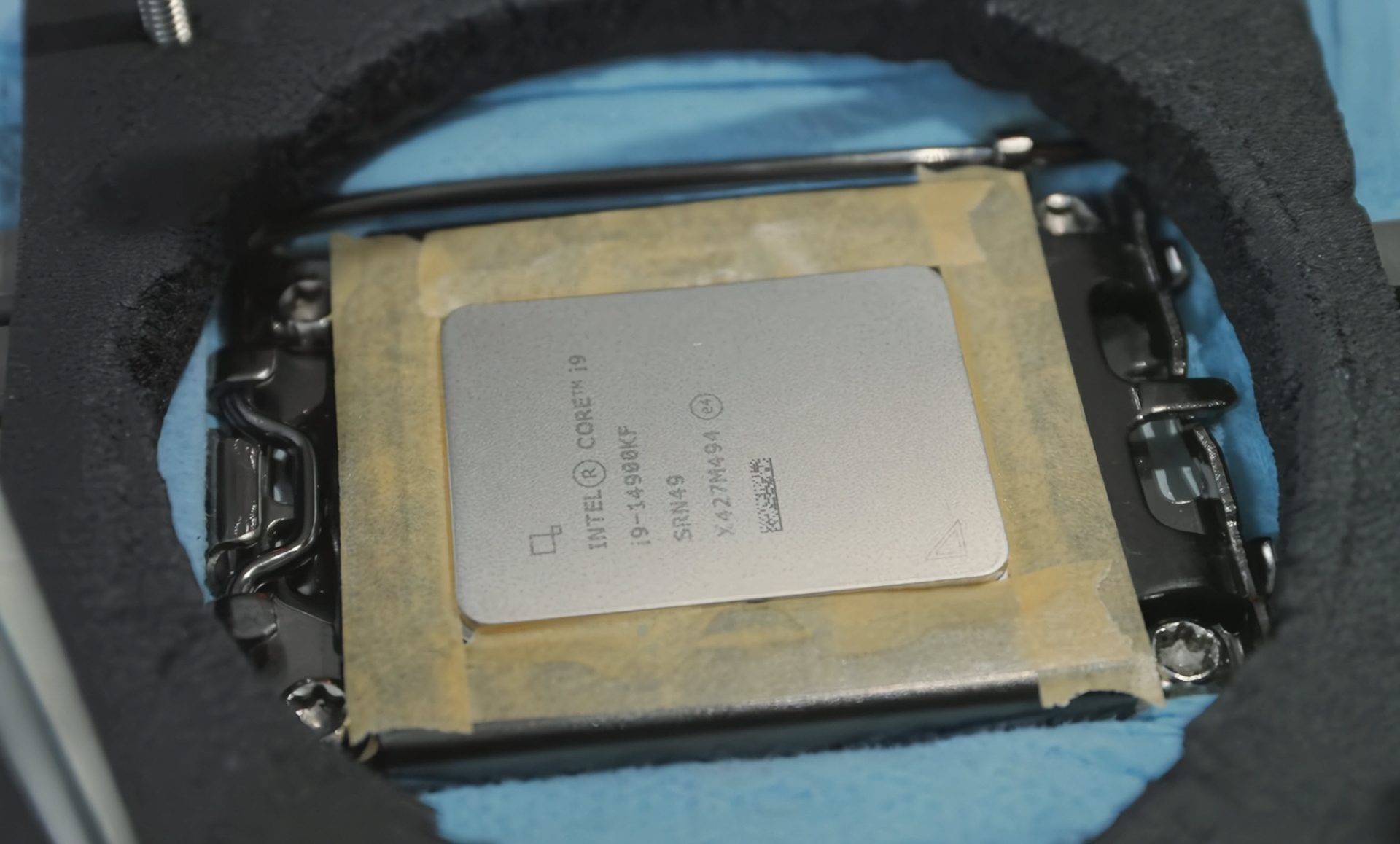
Intel's Core i9-14900KF just shattered the silicon ceiling, hitting a staggering 9.2 GHz. This isn't just a number; it's a statement on how far we can push processors.
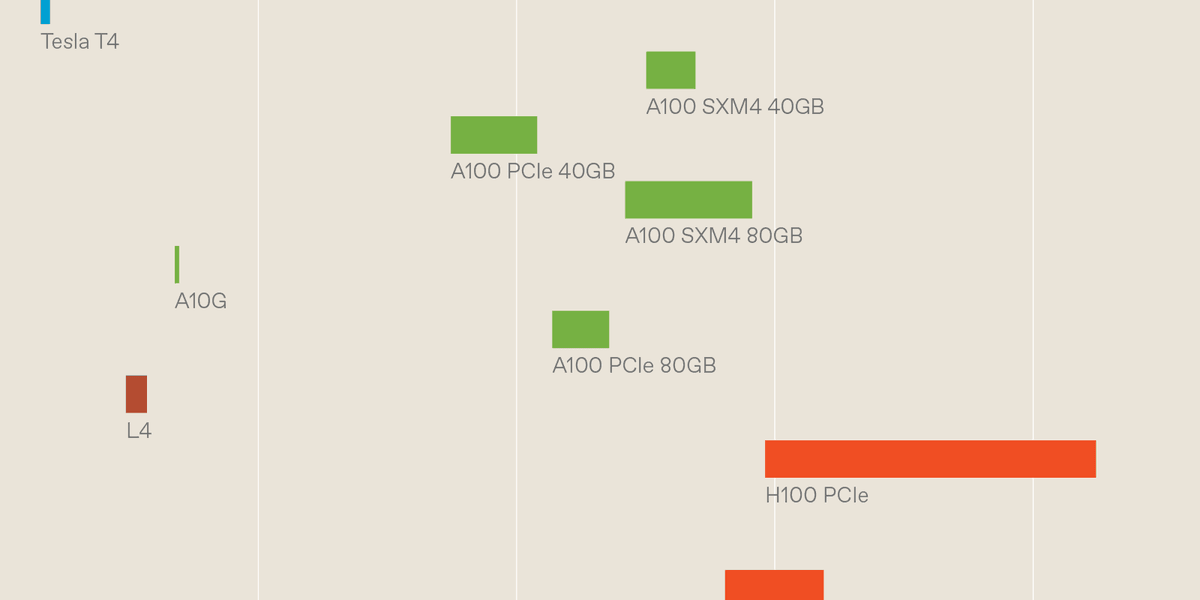
So you think you're getting a fair shake when you rent a GPU by the hour? Think again. A new study is blowing the lid off the 'silicon lottery,' and it means your cloud computing budget might be going up in smoke.