The AI gold rush.
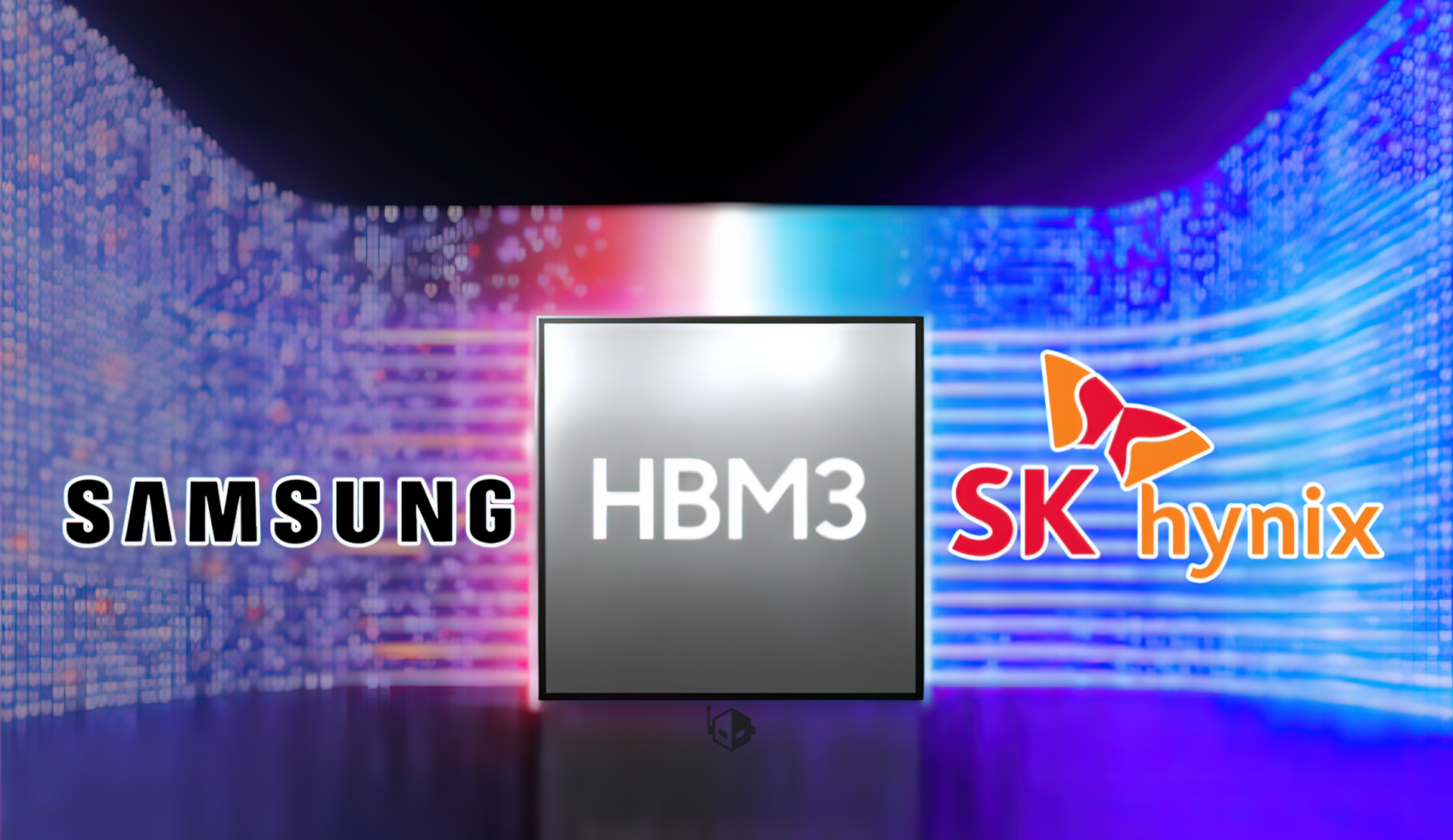
And that means gold rush components, everywhere. For months, the narrative in advanced semiconductor manufacturing has been almost singularly focused on one thing: High Bandwidth Memory (HBM). South Korea’s giants, SK Hynix and Samsung, have been locked in a fierce — and profitable — battle for supremacy in this crucial, ultra-fast memory that fuels AI accelerators. It’s been the undisputed heavyweight champion of chip news, a story of cutting-edge process nodes and dizzying performance metrics.
But here’s the thing: the AI server isn’t just a CPU and some HBM. It’s a complex ecosystem, a symphony of silicon, and while the maestro’s spotlight is on the HBM section, the rest of the orchestra is quietly finding its rhythm. And guess who’s stepping up to play? Taiwan.
A Ripple Effect
We’re seeing an unexpected lift for Taiwan’s semiconductor industry, a direct consequence of that AI server investment boom. The pressure that began with HBM and the most advanced process technologies — the bleeding edge where the big Korean players operate — is now rippling outwards. It’s like a tidal wave, and its energy isn’t just crashing on the shore; it’s spreading across the entire beach, impacting everything from legacy memory production to the complex dance of packaging and testing.
This isn’t just about crumbs from the HBM table. This is about Taiwan’s foundries and packaging houses — the unsung heroes of silicon assembly — finding a surge in demand for the components and services that the AI behemoths also desperately need. Think about it: all that cutting-edge AI silicon needs to be put together, tested, and shipped. And Taiwan, with its deep bench of expertise across the entire manufacturing spectrum, is perfectly positioned to capitalize.
“Supply pressure that began in high-bandwidth memory and leading-edge process technology is now rippling into legacy memory, packaging, and testing.”
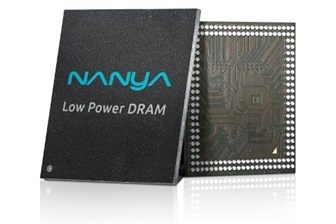
This quote, from our initial reporting, is the heart of the matter. It’s not a glamorous headline, but it’s the nuts and bolts of how the AI revolution is actually being built. While the world’s eyes were glued to the HBM race, Taiwan’s foundries were busy producing the older, but still vital, memory chips. And its advanced packaging firms — the ones that take these chips and meticulously wire them together into functional modules — are suddenly swamped.
Why Does This Matter for AI Development?
For developers and AI researchers, this is more than just a manufacturing story. It’s a supply chain reality check. The bottleneck isn’t just about getting the fastest HBM; it’s about having enough everything else to make those high-end AI chips function. A delay in advanced packaging, a shortage in testing capacity, or a hiccup in legacy memory supply can grind an entire AI server production line to a halt. Taiwan’s quiet expansion in these areas acts as a crucial pressure release valve for the entire AI ecosystem.
This diversification of manufacturing might also offer a subtle geopolitical advantage. While much of the world’s focus is on the concentration of advanced logic manufacturing in Taiwan (and the risks associated with that concentration), this surge in supporting services highlights the broader resilience of Taiwan’s semiconductor power. It’s a reminder that their influence extends far beyond the most advanced nodes.
Are Taiwan’s Chipmakers Stealing the Show?
Not exactly stealing, but certainly diversifying their role and solidifying their indispensable position. For years, Taiwan has been the bedrock of the semiconductor world. TSMC, the undisputed king of contract chip manufacturing, has set the pace for decades. But this AI boom is highlighting the breadth of Taiwan’s capabilities. It’s not just about making the most powerful chips; it’s about being the most reliable partner in delivering the entire AI compute solution.
This wave of demand, spilling over from the HBM frenzy, is essentially an unexpected bonus round for Taiwan. It’s proof that a strong semiconductor ecosystem requires strength in depth, not just in the headline-grabbing, bleeding-edge technologies. The companies that are quietly humming with activity — the ones handling the sophisticated packaging, the meticulous testing, and the production of essential legacy components — are just as critical to the AI future as the HBM titans. And right now, they’re thriving.
A New Platform Shift
We are living through a fundamental platform shift driven by AI. This isn’t just another iteration of computing; it’s a rewrite of the operating system for our digital world. And just like the shift from PCs to mobile, or from mobile to cloud, the underlying infrastructure needs to be rock solid. Taiwan’s foundries and manufacturing services are the bedrock upon which this new AI-powered reality is being built. Their ability to scale and support the entire chain, not just the most advanced components, is a proof to the maturity and adaptability of their industry. The future of AI computing isn’t just being designed in labs; it’s being meticulously assembled in factories, and Taiwan is proving to be the indispensable architect and builder.
🧬 Related Insights
- Read more: Samsung’s Appliance Woes: Outsourcing as a Lifeline?
- Read more: NVIDIA’s Physical AI Robot Push: Breakthroughs or Bottled Hype?
Frequently Asked Questions
What are Taiwan’s chipmakers doing besides HBM? Taiwan’s chipmakers are increasingly vital in advanced packaging, testing, and manufacturing legacy memory chips, which are essential components for AI servers.
How is the AI server boom affecting Taiwan’s chip industry? The AI server investment boom is creating immense demand, causing supply pressure to ripple from cutting-edge tech like HBM into other areas of chip manufacturing and assembly where Taiwan excels.
Is HBM the only important part of AI chips?