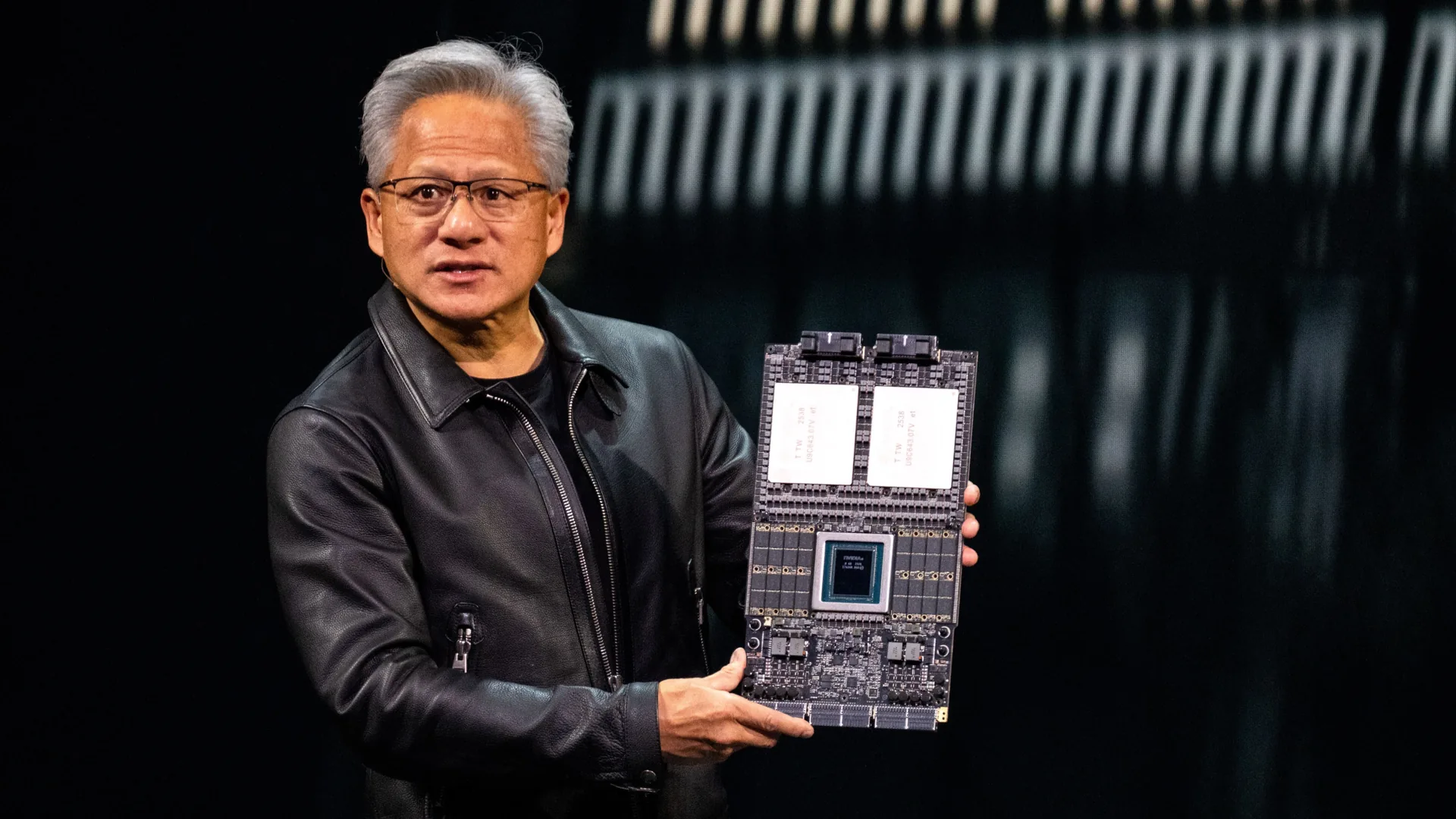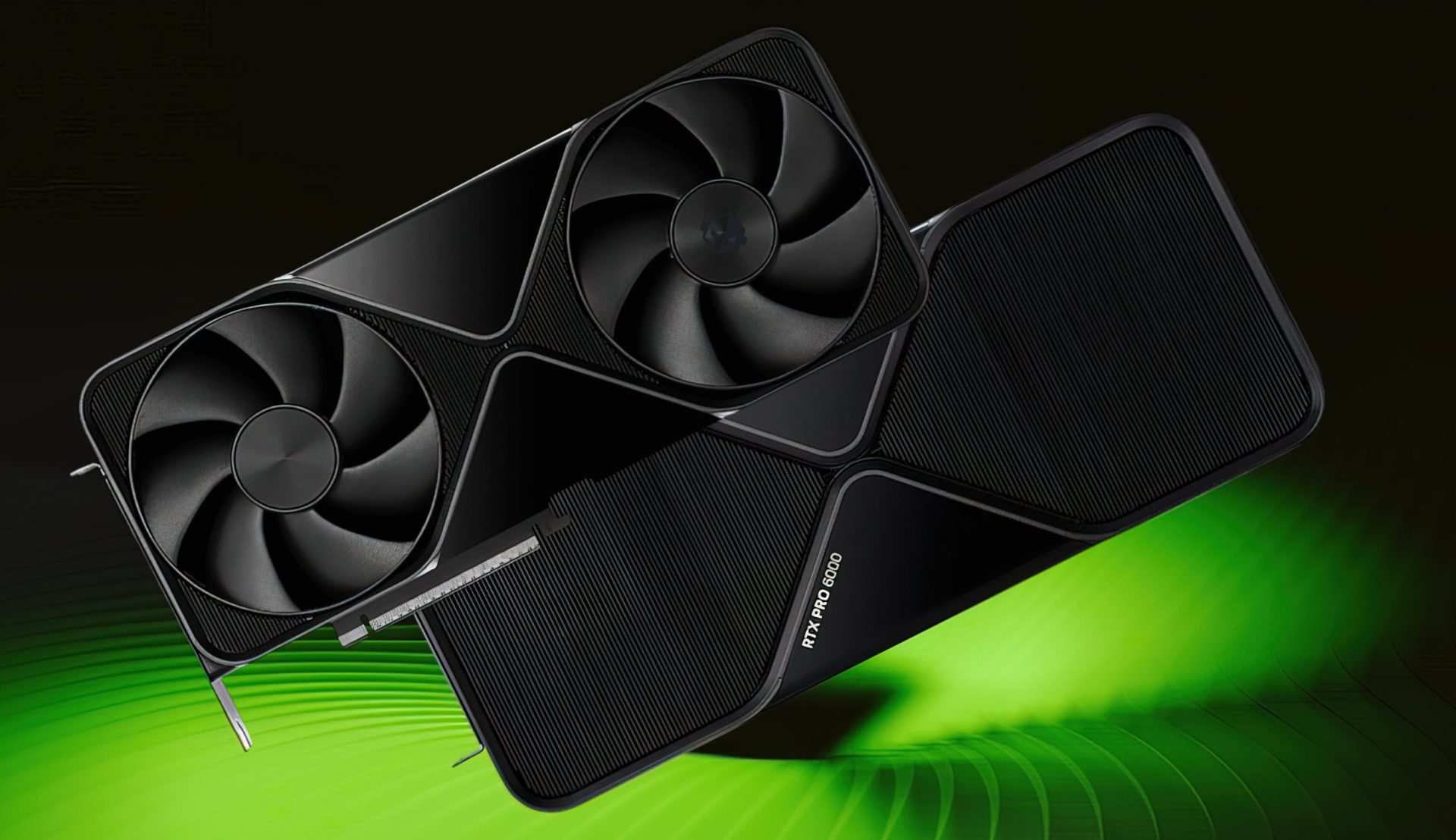
The hum of servers isn’t just a sound; it’s the palpable thrum of an industry recalibrating. And at the heart of that recalibration sits a silicon titan, now commanding a price that would make a used supercar blush. NVIDIA’s RTX 6000 Blackwell, the undisputed king of professional AI acceleration, has silently, yet decisively, breached the $10,000 mark. It’s not a rumor; it’s a market reality, a stark signal of demand far outstripping supply for the very hardware powering our nascent artificial intelligence future.
This isn’t your grandfather’s graphics card price hike. When the RTX 6000 Blackwell first hit the scene, it was a hefty $8,000 proposition, a sum only the most serious deep-pocketed research labs or enterprise AI farms would consider. But the market, as it always does, has a way of finding its equilibrium – or in this case, its breaking point. Retailers are now listing the card, which boasts a staggering 96GB of GDDR7 memory, at prices that are genuinely eye-watering. Microcenter has it at $9,999, a price that feels like a negotiation tactic, while B&H pushes it to a cool $11,500. Even NVIDIA’s own store, listing an out-of-stock Max-Q variant for $8,900, can’t escape the gravity of the situation; the premium professional versions are simply commanding more.
Why the Sky-High Price? It’s All About the AI.
The narrative is simple, yet profoundly impactful: AI. Specifically, the enormous memory requirements and computational intensity of modern large language models and generative AI. Unlike consumer-grade cards, which are designed for rendering polygons and frame rates, the RTX 6000 Blackwell is engineered for massive data parallelism and the kind of VRAM capacity that allows entire datasets to live on-chip, dramatically accelerating training and inference times. That 96GB isn’t just a number; it’s the difference between a model that takes weeks to train and one that can be iterated on in days.
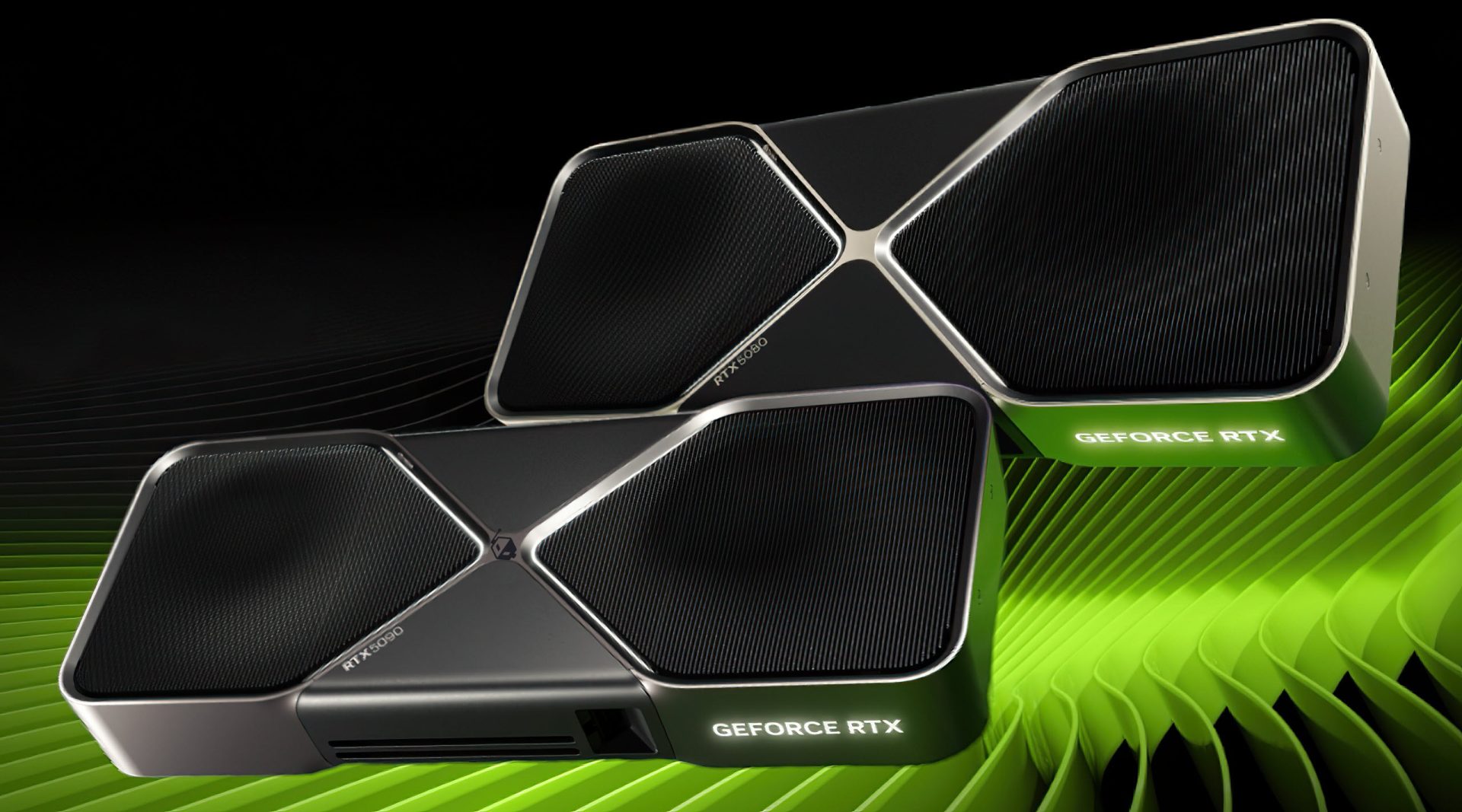
Think about it this way: A GeForce RTX 5090, now fetching upwards of $6,000 for its 32GB of memory, is still a far cry from what the bleeding edge of AI research demands. The gap between enthusiast gaming and professional AI development has never been wider, and the price tags reflect that chasm. The “AI bros” might scoff at the consumer prices, but they’re still a fraction of the cost for the true enterprise-grade hardware.
This price surge isn’t merely about NVIDIA flexing its market dominance; it’s a symptom of a deeper architectural shift. The compute demands of AI aren’t just increasing; they’re fundamentally different. They require a focus on memory bandwidth and capacity that simply wasn’t a primary concern for graphics rendering until recently. The Blackwell architecture, with its specialized tensor cores and massive memory subsystem, is a proof to this evolving need. It’s built from the ground up for the AI workload, and the market is demonstrating its willingness to pay a premium for that specialized engineering.
The graphics cards will be configured at 28 Gbps speeds, delivering up to 1.8 TB/s of total bandwidth.
This incredible bandwidth, coupled with the sheer volume of VRAM, is precisely what makes the RTX 6000 Blackwell indispensable for large-scale AI development. It’s a memory beast.
The whispers from the supply chain suggest this isn’t a temporary blip. Reports indicate that GPU prices, particularly for high-end components with significant memory, are slated to continue their upward trajectory through 2026. The confluence of persistent memory demand and ongoing supply chain constraints creates a perfect storm for price inflation. For companies building the future of AI, the cost of compute is rapidly becoming a primary budgetary concern, potentially reshaping investment strategies and pushing even more innovation towards optimizing model efficiency and hardware utilization.
This situation forces a crucial question for the industry: Are we witnessing the birth of a new silicon stratification, one where the lines between consumer, prosumer, and true enterprise-grade AI hardware are not just blurred, but irrevocably drawn by sheer economics and specialized capability? The $10,000+ RTX 6000 Blackwell isn’t just a graphics card; it’s a statement about the economic realities of the AI revolution, a proof to how quickly bleeding-edge technology can transform from a high-end luxury to an essential, and astronomically priced, tool.
Is the RTX 6000 Blackwell Worth Over $10,000?
For pure AI workloads, particularly those involving massive datasets or complex model training, the RTX 6000 Blackwell offers unparalleled performance per card. Its 96GB of VRAM is a critical differentiator that consumer cards cannot match. If the cost of compute is a bottleneck, and the speedup in development cycles or model performance justifies the expenditure, then yes, it can be financially justifiable for specialized professional use cases. For general computing or gaming, absolutely not.
What’s Driving the Price Increase Beyond Demand?
While AI demand is the primary driver, the rising cost of advanced manufacturing, specialized components, and NVIDIA’s significant R&D investment in architectures like Blackwell also contribute. The sheer complexity of producing these cutting-edge chips, coupled with limited fabrication capacity for such high-end GPUs, puts upward pressure on prices even before factoring in market demand.
What Does This Mean for the Average User?
For the average consumer or gamer, the immediate impact is indirect. It reinforces the trend of high prices for enthusiast-grade hardware and may signal continued premium pricing for future top-tier consumer GPUs. However, it also means that the core AI technology powering services they might use (like improved search engines or better recommendation algorithms) is being developed on incredibly expensive hardware, with those costs eventually trickling down or influencing the pricing of AI-powered services themselves. It highlights the significant investment required to push the boundaries of AI development.