The hum of a gaming PC. The endless march of loading bars. It’s a ritual many of us have endured for years, a necessary evil before the real fun begins. But what if that ritual could be… shorter? Dramatically shorter?
Microsoft’s Advanced Shader Delivery (ASD) technology, once a whisper in the tech world, is now shouting from the rooftops, or at least from driver release notes. It’s landed on more AMD Radeon GPUs, specifically those based on the RDNA 3 architecture. This isn’t some abstract promise for the future; it’s here, and the numbers are, frankly, eye-popping.
Faster Load Times & Smoother Gameplay: The Promise of ASD
Last year, Microsoft unveiled this gem: ASD. The idea is simple, elegant even. Instead of your GPU having to painstakingly compile shaders on the fly every time you fire up a supported game—a process that eats up precious minutes and contributes to those dreaded stutters—precompiled shaders are delivered with the game download. Think of it as getting all your ingredients pre-chopped and measured before you even start cooking. No more waiting for the GPU to figure out what it needs to draw. It just… draws it.
This tech was a joint effort between Xbox and AMD, and it’s not some exclusive club. NVIDIA and Intel GPUs are already on board. But today’s news is all about expanding that party to a wider swath of AMD’s latest silicon.
Who’s Getting the Upgrade?
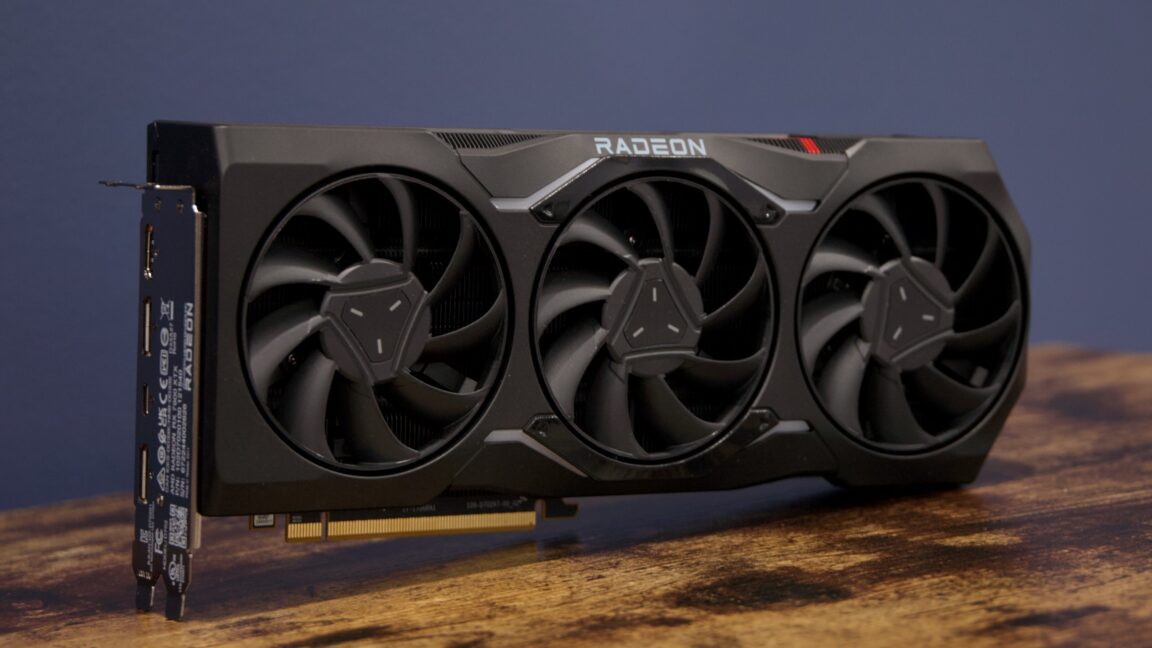
The Public Preview of ASD is now broader. What does that mean for the average gamer rocking an AMD card? More RDNA 3, RDNA 3.5, and RDNA 4 architectures are now officially supported. We’re talking about the RX 7000 series, the integrated Radeon 700M, and future beasts like the RX 8000 and RX 9000 series GPUs. If you’re sporting one of these, and running Windows 11 (the 24H2 version, to be precise), coupled with the latest Xbox Gaming Services and the Xbox Insider Hub’s PC Gaming Preview, you’re likely good to go. Oh, and you’ll need the Adrenalin 26.5.2 driver or newer. Don’t forget the new game support: Forza Horizon 6 and 007 First Light are the shining examples right now.
The Forza Horizon 6 Shockwave
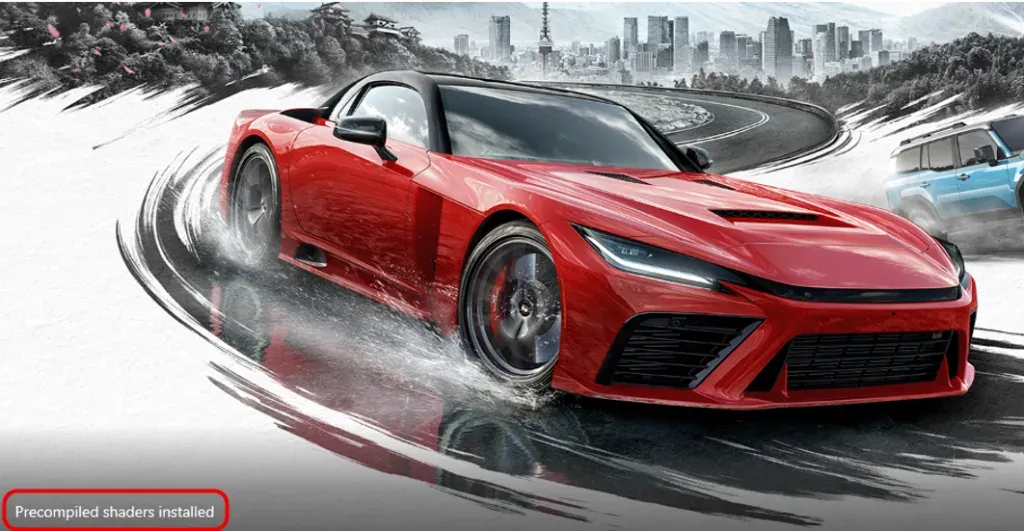
This is where the rubber meets the road, or rather, where the pixels meet the display without a hitch. A system sporting an AMD Radeon RX 7600 and a Ryzen 7 5800 CPU loaded Forza Horizon 6 in a mere 4 seconds. Four. Seconds. Compare that to the 90 seconds—that’s a minute and a half—it took previously. That’s a 95% reduction. Let that sink in. Ninety-five percent. It’s not just about loading screens, either. ASD also promises to reduce that jarring shader stutter that can ruin an otherwise immersive experience. Microsoft’s claim? “Silky smooth gameplay.” I’ll believe it when I see it, but the initial numbers are damn compelling.
“Today marks the release of Forza Horizon 6. With advanced shader delivery, Forza Horizon 6 loads in 4 seconds, as compared to almost 1.5 minutes – that’s an overall 95% time savings!”
Microsoft isn’t just sitting on its hands. They’re actively working with developers, offering integration through their Agility SDK. This means more games will hop on board. And they hint at more Windows devices and hardware getting this treatment soon. So, the question isn’t if this will become standard, but when.
But who’s really making money here?
Look, Microsoft’s playing the long game, deepening its ecosystem integration with Windows and Xbox. For AMD, it’s another feather in their GPU cap, a tangible benefit to showcase against the competition. Developers? They get happier players, which hopefully translates to more sales and fewer support tickets about performance issues. It’s a win-win-win, provided the tech actually rolls out broadly and consistently. My skepticism, honed over two decades of watching Silicon Valley’s hype cycles, is tempered by these numbers. They’ve managed to move the needle on something genuinely frustrating for gamers. Now, if only they could do something about the price of graphics cards.
Is This Just Another Buzzword?
It’s easy to dismiss new technologies with lofty promises. ‘Advanced Shader Delivery’ sounds like something a marketing department cooked up over lukewarm coffee. But the tangible results, the 95% reduction in load times in a high-profile game, speak louder than any marketing jargon. The fact that it’s co-developed with AMD and is now reaching their RDNA 3 cards suggests a deeper commitment than just a tech demo. It’s about making their gaming platforms — Windows, Xbox, and their respective hardware partners — more attractive and user-friendly. The skepticism should always be there, but it’s worth acknowledging when the evidence starts stacking up.
What About Future GPUs?
Microsoft’s announcement explicitly mentions RDNA 4 architecture support is on the horizon. This means future AMD GPUs, likely to be branded as RX 8000 or RX 9000 series depending on AMD’s naming conventions, will also benefit from ASD. This isn’t a one-off feature; it’s being built into the DirectX pipeline. For developers, it’s another reason to adopt ASD, knowing it will work on a wider range of hardware, including the next generation of AMD silicon. It’s a clear signal that Microsoft sees this as a foundational improvement to the PC gaming experience.
🧬 Related Insights
- Read more: Taiwan’s Chip Middlemen Strike AI Gold While Nvidia Grabs Headlines
- Read more: Nvidia’s 12GB RTX 5070 Laptop GPU: More VRAM, Same Bottleneck?
Frequently Asked Questions
What does Microsoft’s Advanced Shader Delivery actually do? It precompiles game shaders and delivers them with the game download, so your GPU doesn’t have to compile them on the fly, leading to faster load times and reduced stuttering.
Will this make my old AMD GPU faster? Advanced Shader Delivery primarily benefits newer AMD GPUs, specifically those based on the RDNA 3, RDNA 3.5, and RDNA 4 architectures. Older GPUs may not see significant improvements.
Do I need to buy Forza Horizon 6 to get this benefit? No, the benefit is tied to supported hardware and the ASD technology being implemented in games. Forza Horizon 6 is just the first major example showcased with this expanded driver support. Many games will eventually integrate this technology.