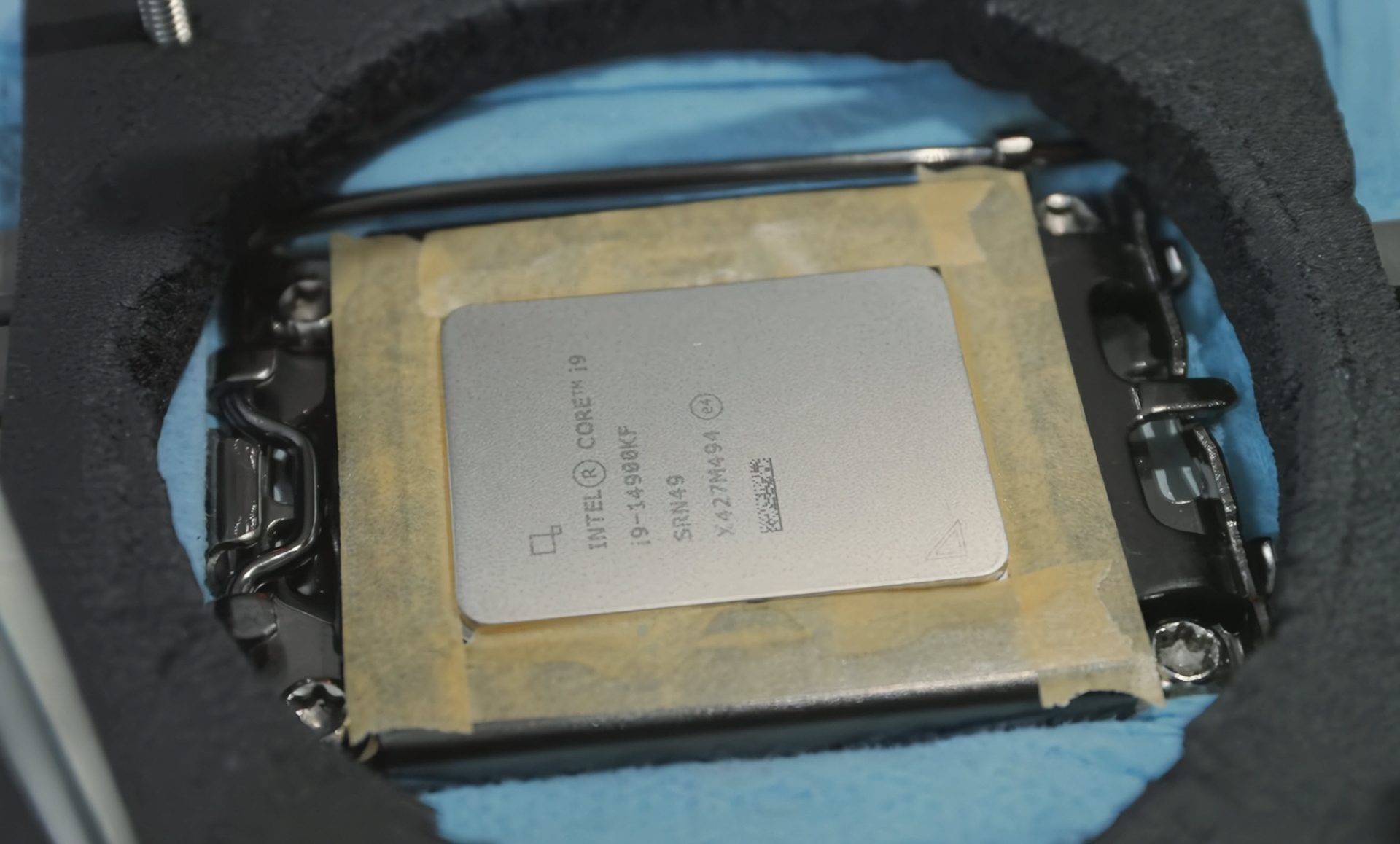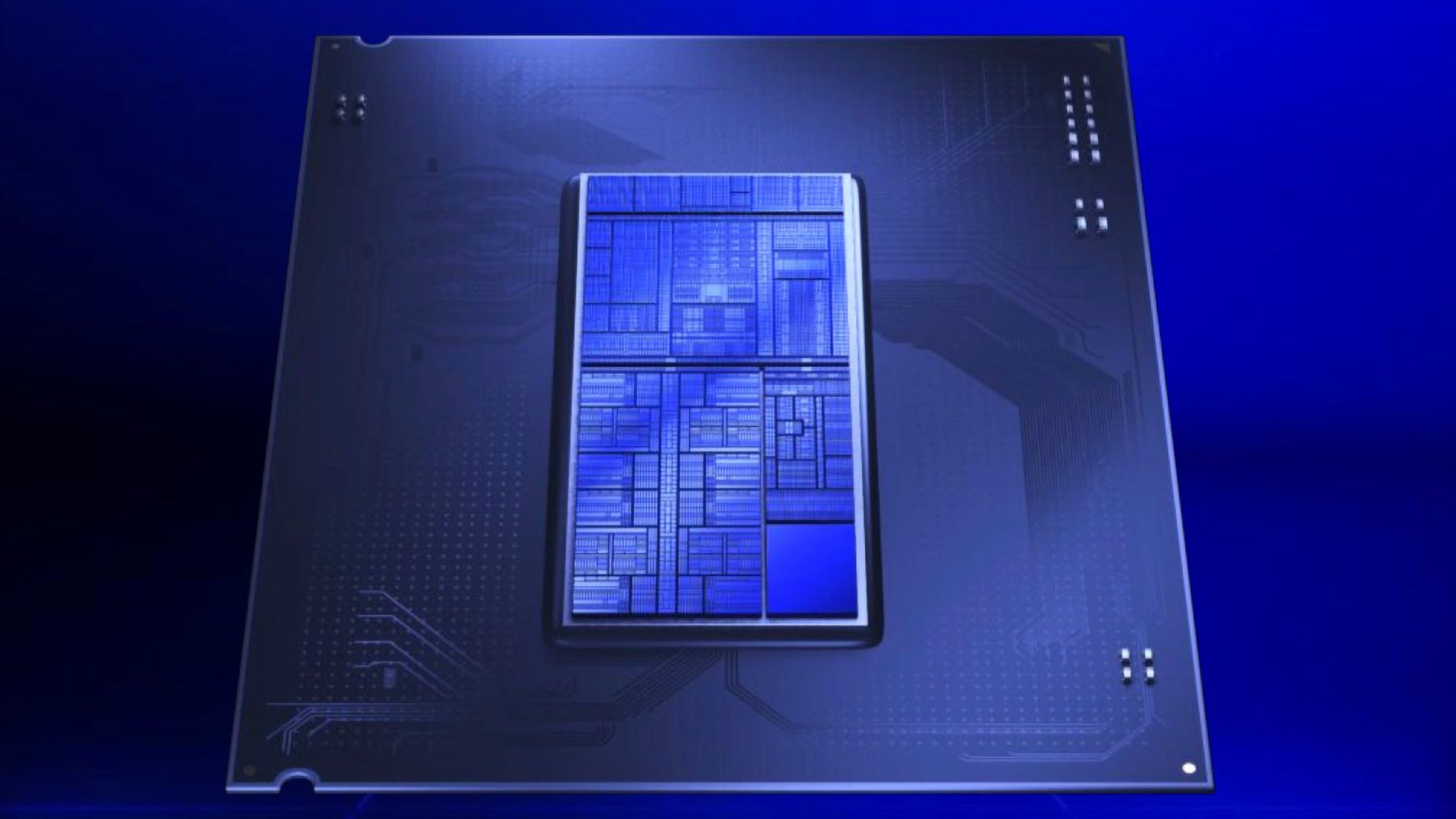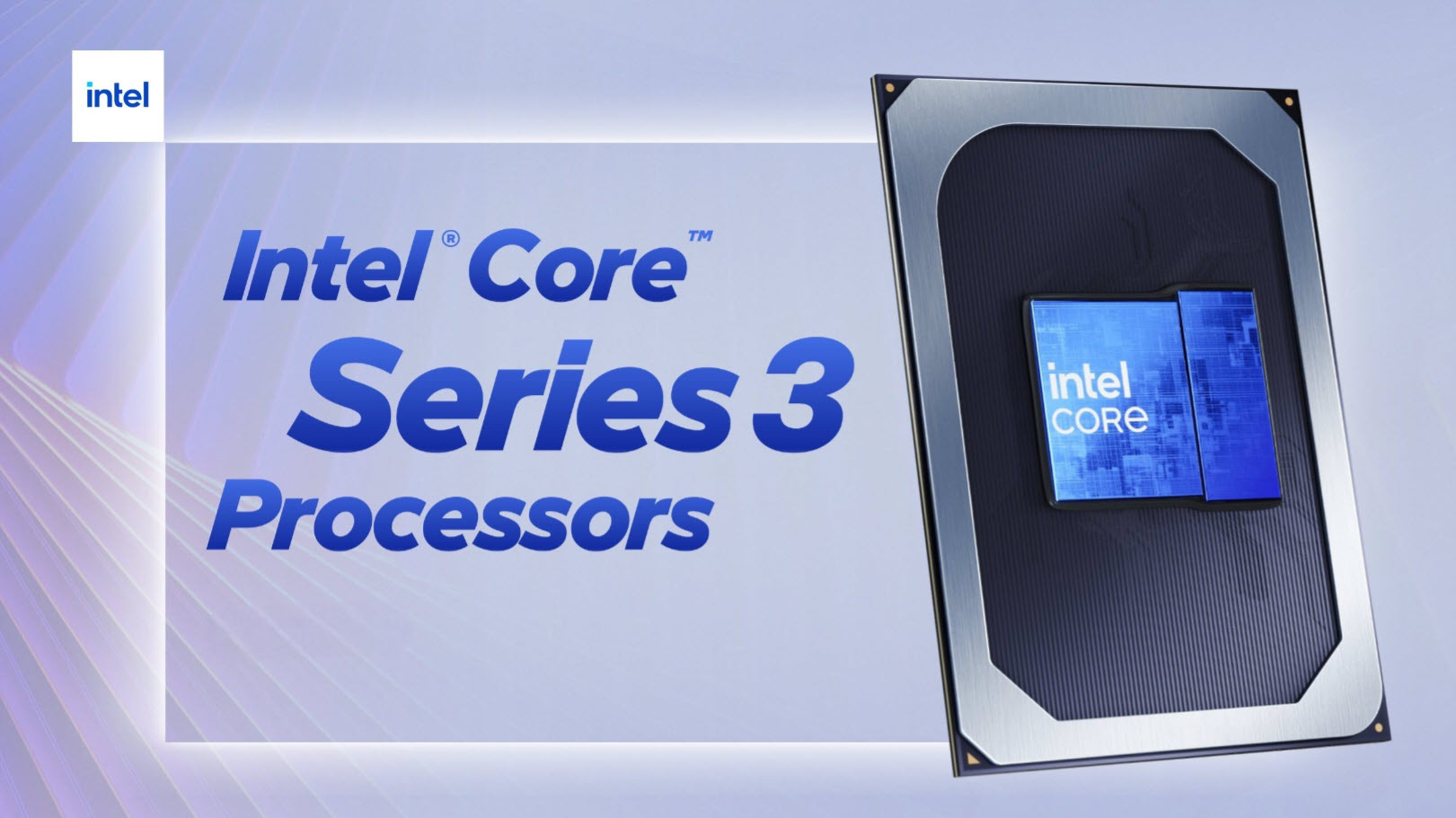
Intel’s latest salvo in the laptop wars isn’t about raw power for gaming or high-end workstations. It’s about bringing AI capabilities and decent performance to the masses, a strategy that sounds suspiciously like Apple’s playbook with its M-series chips. Starting next week, expect to see Intel’s Core Series 3 “Wildcat Lake” processors powering laptops from major manufacturers, with prices that aim to be far more accessible than premium ultrabooks.
This isn’t just another spec bump. Wildcat Lake represents Intel’s first real play at an ‘AI-ready’ consumer processor, packing what they call a “hybrid AI engine” capable of up to 40 TOPS (tera operations per second) of AI compute. For real people, this means your laptop might actually be able to run those increasingly common AI-powered features in Windows, like Copilot, more efficiently. Think faster photo editing, more responsive voice commands, and perhaps even AI-assisted writing that doesn’t grind your machine to a halt. The target here is clear: mainstream productivity and battery life, not just raw horsepower.
Is This Intel’s Answer to the MacBook Air?
Intel is positioning these chips, particularly the Core 5 320 models appearing in early listings, as direct competitors to the efficient, integrated experience offered by Apple’s M-series MacBooks. While Apple use its custom-designed silicon built from the ground up for efficiency and AI, Intel’s approach is more evolutionary. Wildcat Lake builds on the same core architectures as the higher-end Panther Lake processors – meaning similar P-cores, E-cores, and Xe3 graphics – but scales them down with tweaked specs and power envelopes. The goal is to hit that sweet spot of performance and energy efficiency that has made Apple’s offerings so compelling for portability and all-day use.
The early listings, primarily from China’s JD.com, showcase 14-inch and 16-inch laptops from brands like Acer and ASUS. The pricing, though some seems placeholder-ish, hints at a more palatable entry point, potentially below the 9,999 RMB (roughly $1,380 USD) mark for some configurations. This is a critical distinction; Intel isn’t just trying to match Apple’s performance but to undercut its price point significantly, making AI-accelerated computing a more democratic proposition.
The only thing that’s changed, which is the case with every cost-optimized variant, is the difference in the overall specs and capabilities of each chip.
Architecturally, Wildcat Lake aims for a balance. While its Xe3 integrated graphics might seem modest compared to higher-tier Intel chips (starting with 2 Xe3 cores versus Panther Lake’s 4-12), the focus is on the AI acceleration and general productivity. The stated claims of up to 2.1x faster creation and productivity, and up to 2.7x faster AI performance compared to older Core Series 1 chips, are significant if they hold up in real-world scenarios. Crucially, these chips are designed with a 15W base power and a 35W maximum, putting them squarely in the ultraportable, battery-conscious category.
The AI PC Gambit: A Familiar Tune?
Intel’s narrative around these chips — “AI-ready,” “Copilot+ certification” — is a clear signal of their strategic direction. The industry is betting big on AI PCs, and Intel, along with Microsoft, is eager to drive this transition. By offering these more affordable, AI-capable processors, Intel aims to ensure that the next wave of computing doesn’t leave its vast Windows ecosystem behind. It’s a smart move, tapping into a trend that’s still in its nascent stages but promises to reshape how we interact with our devices. However, we’ve seen this ‘AI PC’ push before, and the tangible benefits for the average user have sometimes felt elusive, often relegated to niche applications or requiring specialized hardware.
It’s the architectural shift towards integrated AI acceleration, however, that truly intrigues. By baking AI capabilities directly into the silicon at a mainstream level, Intel is laying the groundwork for a future where AI isn’t an add-on but a fundamental part of the computing experience. This isn’t just about running a chatbot; it’s about enabling more intuitive interfaces, smarter applications, and more efficient workflows. The success of Wildcat Lake will hinge on whether these advertised AI gains translate into noticeable, everyday improvements for the average user – and if manufacturers can price these laptops competitively enough to truly challenge the status quo.
🧬 Related Insights
- Read more: NousCoder-14B: Open-Source Beast Trained in Four Days Challenges Claude Code’s Reign
- Read more: NVIDIA Car AI [Architecture Shift] Changes Your Ride
Frequently Asked Questions
What is Intel’s Wildcat Lake?
Wildcat Lake is Intel’s new series of processors designed for mainstream laptops, featuring integrated AI acceleration capabilities and targeting efficient performance for everyday tasks and AI workloads.
Will these laptops be expensive?
While some listings show placeholder prices, Intel is positioning Wildcat Lake as a mainstream offering, suggesting these laptops will be more affordable than premium ultrabooks and potentially rivaling the value proposition of Apple’s MacBook Air.
Are these chips good for gaming?
These processors are primarily designed for productivity, battery life, and AI features, not high-end gaming. While they may handle casual gaming, dedicated gaming laptops with more powerful GPUs will still be necessary for demanding titles.