Look, for the average Joe and Jane trying to keep their heads above water in this economy, Jensen Huang’s latest pronouncements mean absolutely zilch. But for anyone watching the delicate dance between technological advancement and national security, it’s a loud, clear signal. The emperor of silicon is telling us the emperors of geopolitics are playing a game with rules that make no sense.
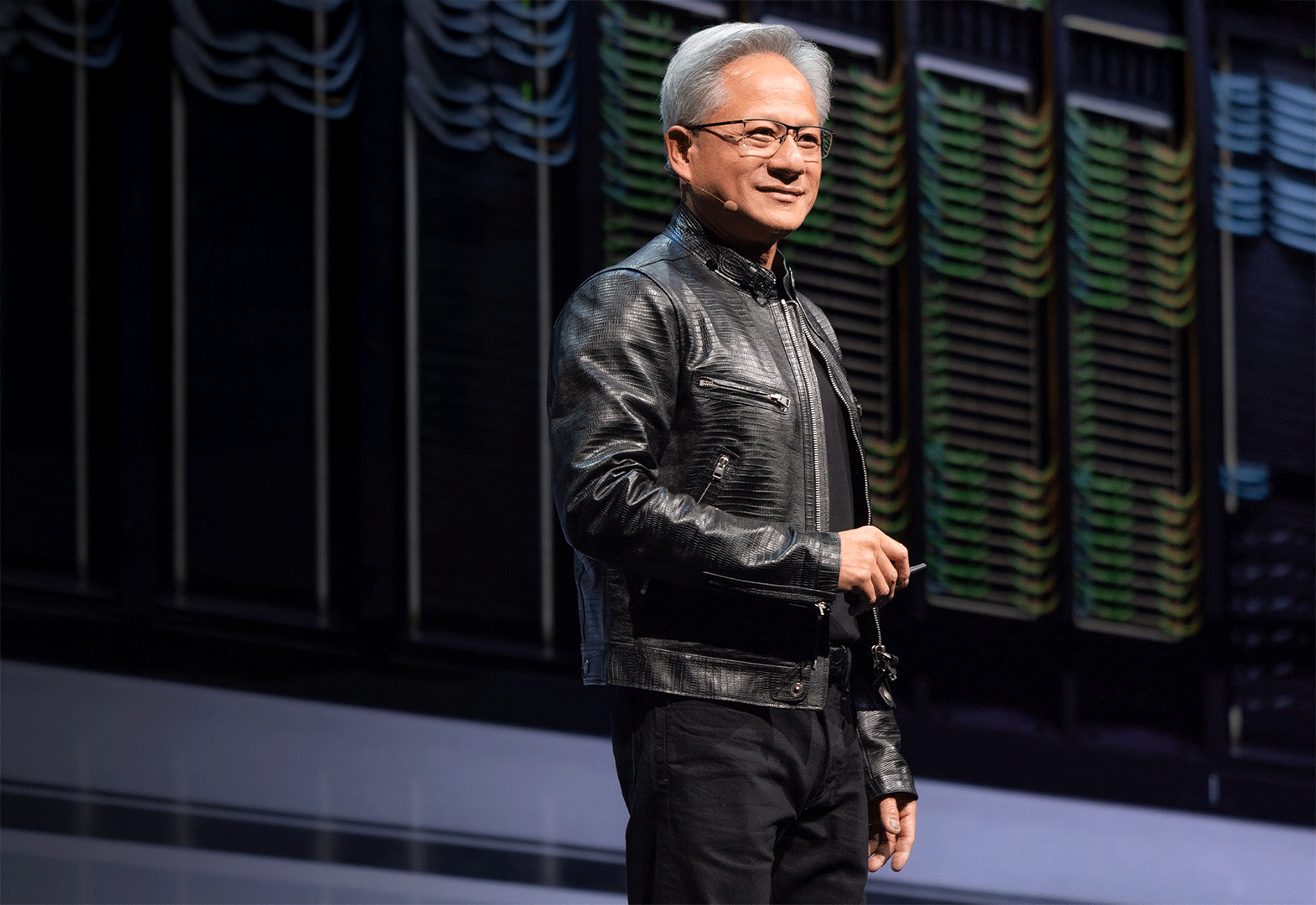
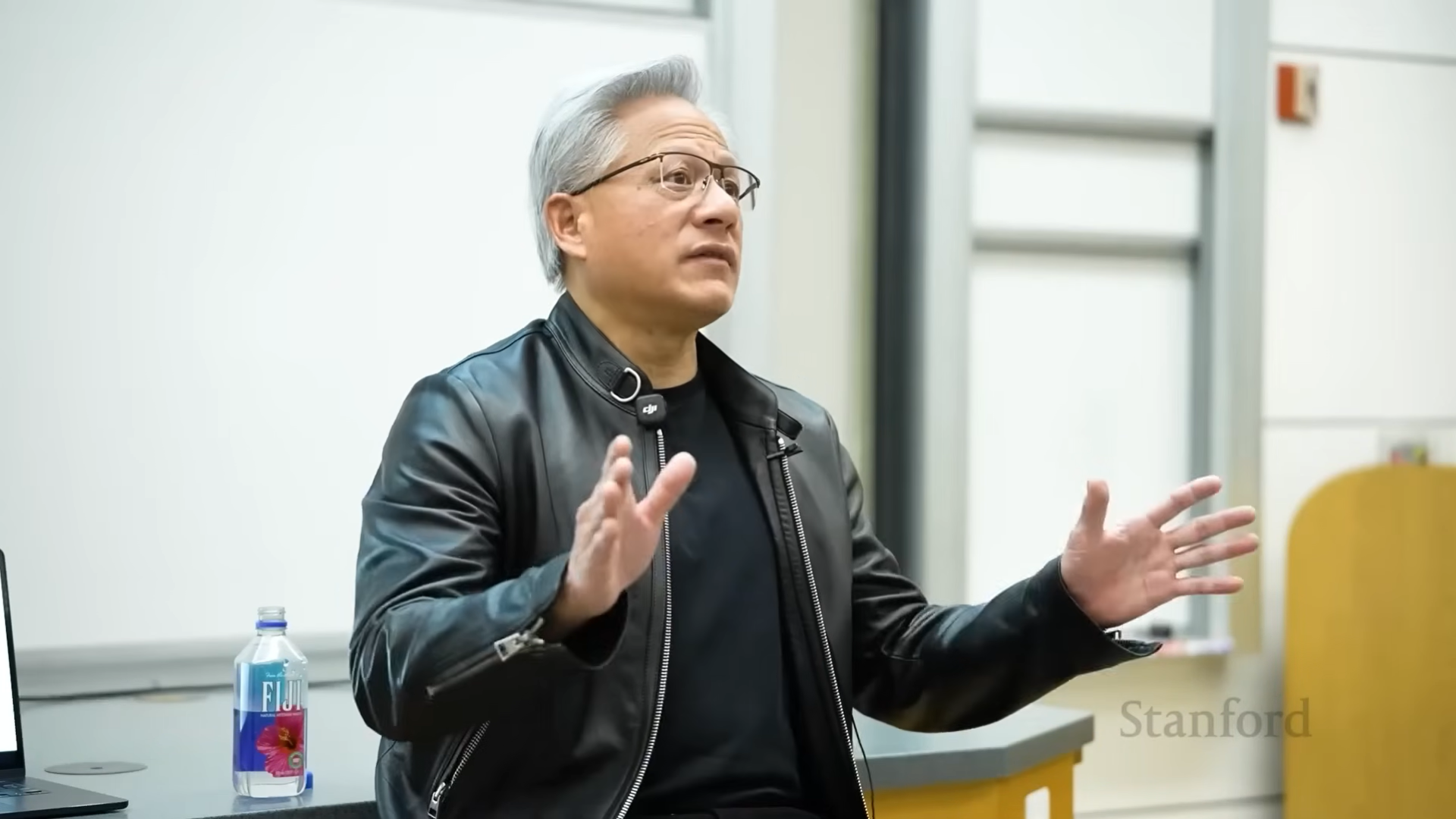
Nvidia’s CEO, Jensen Huang, found himself on the Stanford stage, not hawking the latest graphics card, but sparring with the idea that his company’s chips are akin to nuclear weapons. And he’s not just mildly disagreeing; he’s calling the analogy “stupid.” Ouch. His point? You can’t compare a technology that’s out there powering everything from your kid’s gaming rig to cutting-edge scientific research with a weapon of mass destruction. Simple, right? Apparently not for everyone.
The folks at Anthropic, bless their data-crunching hearts, apparently compared selling advanced AI chips to China to handing nukes to North Korea. Huang’s response? A resounding, “It makes no sense.” He’s right. It’s a lazy comparison, the kind that lets people feel like they’re being smart without actually doing any thinking.
“So that analogy is stupid. And so, so if you start from there, you can’t finish a thought — if you start from believing that, you can’t finish the rest of the thoughts.”
Huang’s argument hinges on availability. Nvidia’s tech is everywhere. A billion people, he claims, have Nvidia GPUs. He’d give them to his kids. He wouldn’t give anyone a nuclear bomb. The distinction, glaringly obvious to anyone with a pulse and a basic understanding of how technology spreads, seems lost on his critics.
And here’s the kicker, the little nugget of insight you won’t get from the press release: Huang isn’t just defending Nvidia; he’s defending an American technological dominance built on open access. His logic, though framed as patriotic business sense, is a thinly veiled plea for the U.S. to maintain its lead by continuing to set the pace, not by building walls. If everyone runs on Nvidia hardware, whether they’re in Silicon Valley or Shanghai, the U.S. has its hand on the tiller. It’s a gamble, a colossal one, betting that innovation unleashed is better than innovation contained.
Why should American companies go compete in foreign countries if you are going to lose it anyway. If you guys all apply that same philosophy, why wake… pic.twitter.com/0e7GazDM9wMay 15, 2026
Of course, the counter-argument is valid. Let the Chinese military have unfettered access to the same chips powering advanced AI, and suddenly their drone swarms get a whole lot smarter. Intelligence gathering gets terrifyingly efficient. Autonomous weapons systems? We’re talking about a whole new level of existential threat. It’s the classic dual-use dilemma: a tool that can build hospitals can also be used to build… well, less friendly things. The Pentagon certainly isn’t keen on using Chinese tech, so why should adversaries be allowed to use ours to build theirs?
But Huang’s assertion that the Chinese military will simply “avoid U.S. AI tech” feels like a convenient sidestep. We’ve seen public documents, haven’t we? Universities with deep ties to the military-industrial complex acquiring servers packed with Nvidia’s top-tier GPUs. The denials are coming thick and fast, but the evidence suggests a less than transparent flow of bleeding-edge hardware.
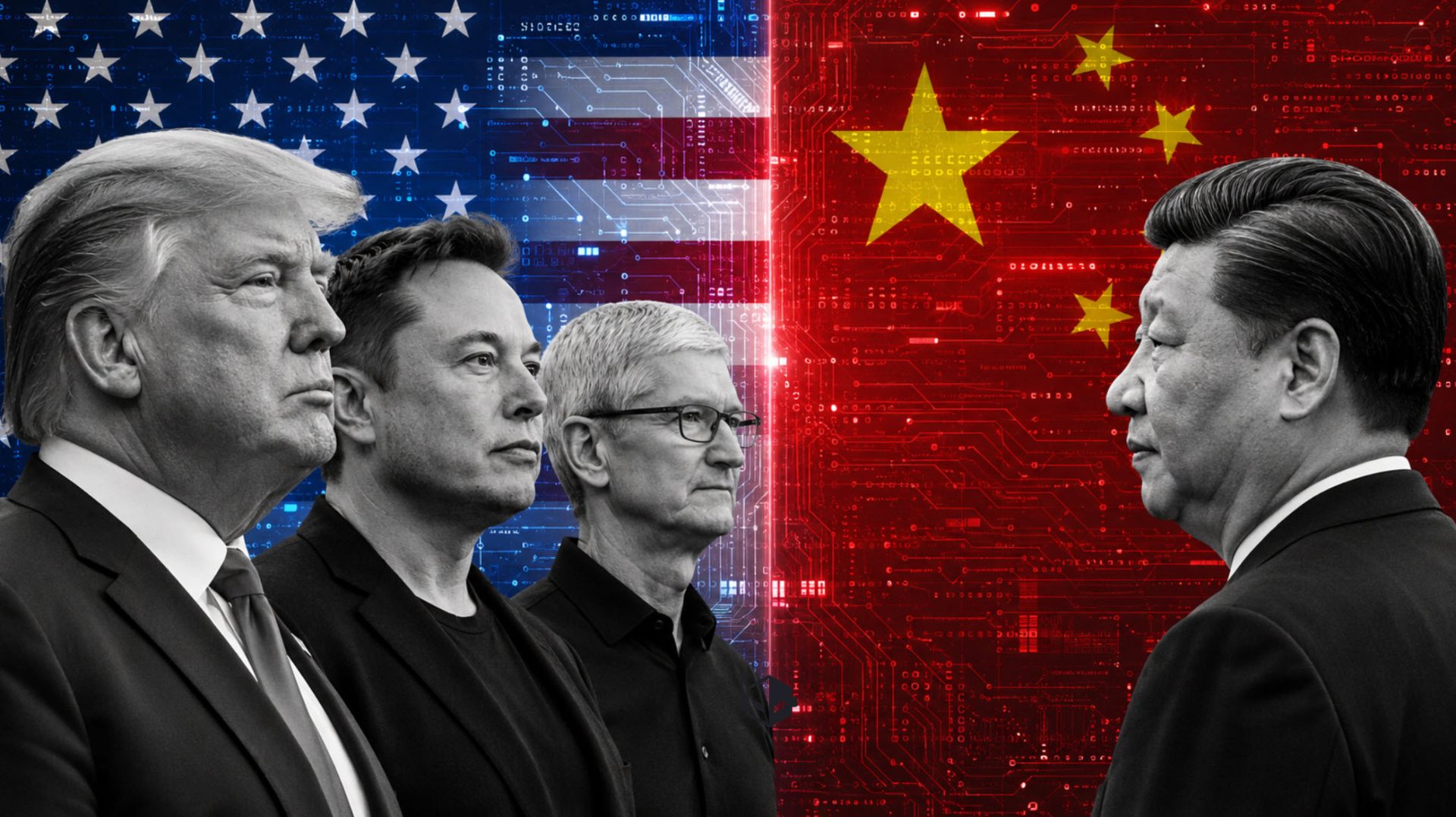
Ultimately, this isn’t just about chips. It’s about who dictates the future of technology and, by extension, the global balance of power. Huang wants the world to keep buying American, to keep building on an American foundation. It’s a compelling pitch. But the worry, the gnawing fear that gnaws at policymakers, is that building that foundation for everyone might just end up building a stronger house for your rivals.
This isn’t a new song and dance. History is littered with attempts to control the spread of powerful technology. From the atom to advanced software, the impulse to restrict is strong. But the genie, as they say, is incredibly difficult to put back in the bottle. And when that genie can help design better drugs or more efficient energy grids alongside… other things, the debate gets messy. And Jensen Huang, in his wonderfully blunt way, is reminding us just how messy it is.
Is Nvidia’s Stance Realistic?
Huang’s position is driven by a belief that broader access fuels innovation and keeps the U.S. at the forefront by setting the global standard. He argues that restricting sales backfires, forcing competitors to develop their own tech and potentially creating a less controllable ecosystem down the line. It’s a high-stakes gamble on the power of market dominance and inherent U.S. technological leadership.
Why Does This Matter for Everyone Else?
For consumers and businesses, this debate directly impacts the cost and availability of AI hardware, which is increasingly powering everything from everyday software to complex industrial processes. For nations, it’s about strategic advantage. For academics and researchers, it’s about the pace of discovery. Huang’s comments highlight the profound economic and geopolitical implications tied to a single company’s products.
🧬 Related Insights
- Read more: India’s Chip Ambitions: Design Firms Lead the Charge
- Read more: Memory Chip Shortage: AI’s Feast Means Your Famine for Years
Frequently Asked Questions
What did Jensen Huang say about comparing GPUs to nuclear weapons?
Nvidia CEO Jensen Huang called the analogy “stupid,” arguing that GPUs are widely accessible consumer and research tools, unlike nuclear weapons which are not. He believes restricting their sale is counterproductive.
Should Nvidia sell AI chips to ‘adversarial countries’?
This is a major point of contention. Huang argues for unrestricted sales to maintain U.S. technological leadership, while critics fear it will empower rivals, especially for military applications.
What is Nvidia’s stance on export controls for AI chips?
Nvidia, under Huang, is against export controls, viewing them as ineffective and detrimental to global AI development and the company’s own market position. Huang believes open access is key to continued innovation.