
Server Architecture Overhaul: AI Demands Rethink
Forget incremental tweaks. AI’s insatiable hunger for compute is forcing a wholesale re-architecture of server infrastructure, pushing the boundaries of what’s possible in the data center.

Pan Jit's power semiconductor division is no longer just a supporting player. AI and automotive demand are pushing revenues up 11%, with orders now stretching a full six months out.
The memory market's rollercoaster is CXMT's golden ticket. Years of red ink are suddenly black, thanks to a global shortage that's juicing revenue and profit.
Silicon Valley's latest gold rush—AI—is turning into a supply chain nightmare. Demand for chips and memory is so high, prices are exploding, and orders are getting canceled.
Forget the GPU frenzy for a moment. Agentic AI is quietly breathing new life into the humble CPU, and the semiconductor supply chain is starting to show it.
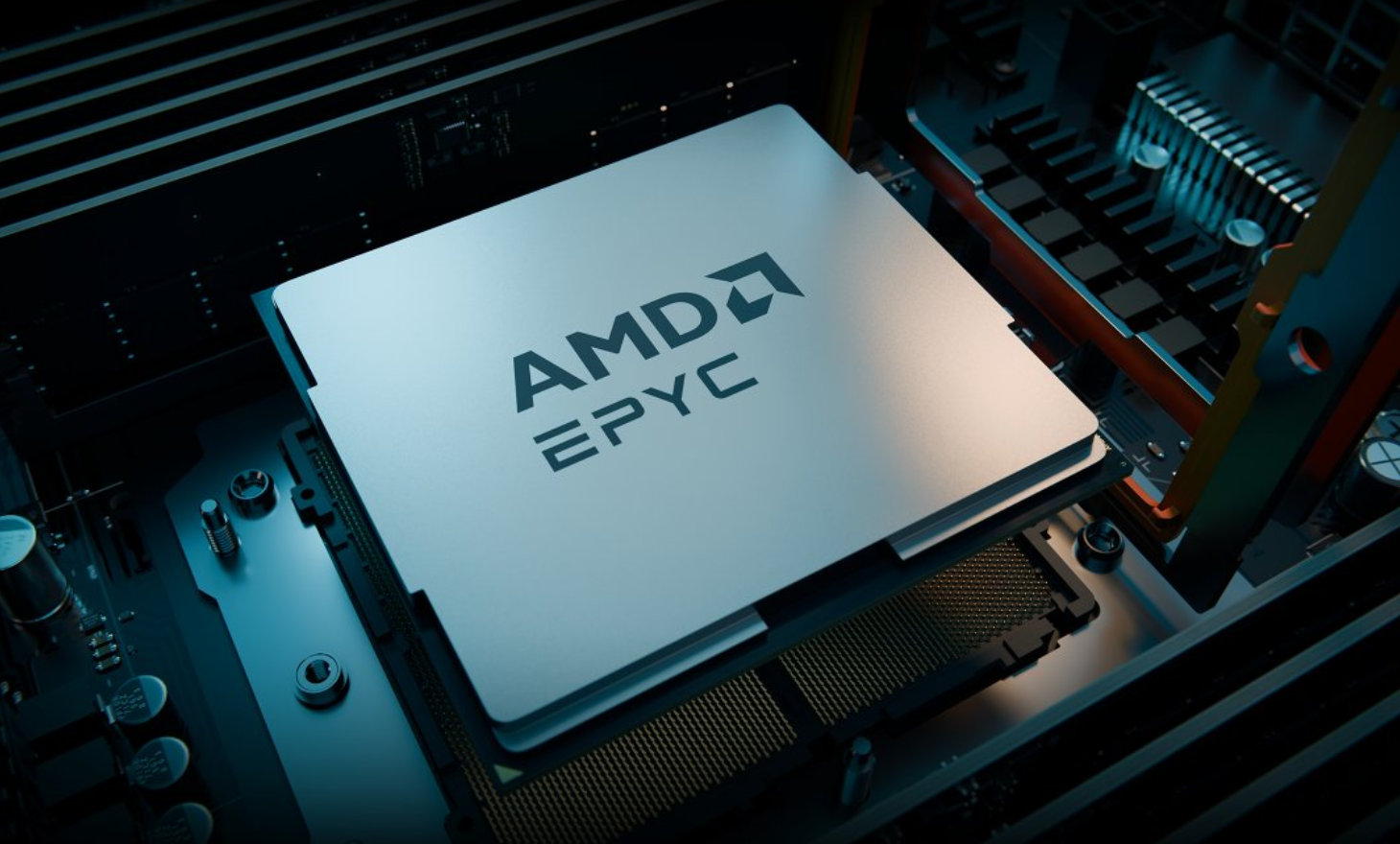
AMD's EPYC processors are no longer just contenders; they're outright champions in the server space, snatching a massive 46.2% revenue share in Q1 2026. This isn't just a blip; it's a seismic shift reshaping the CPU landscape.
The relentless AI supercycle is now directly impacting the cost of core computing components. Get ready for sticker shock as ABF substrate prices are set to jump significantly, with no end in sight.
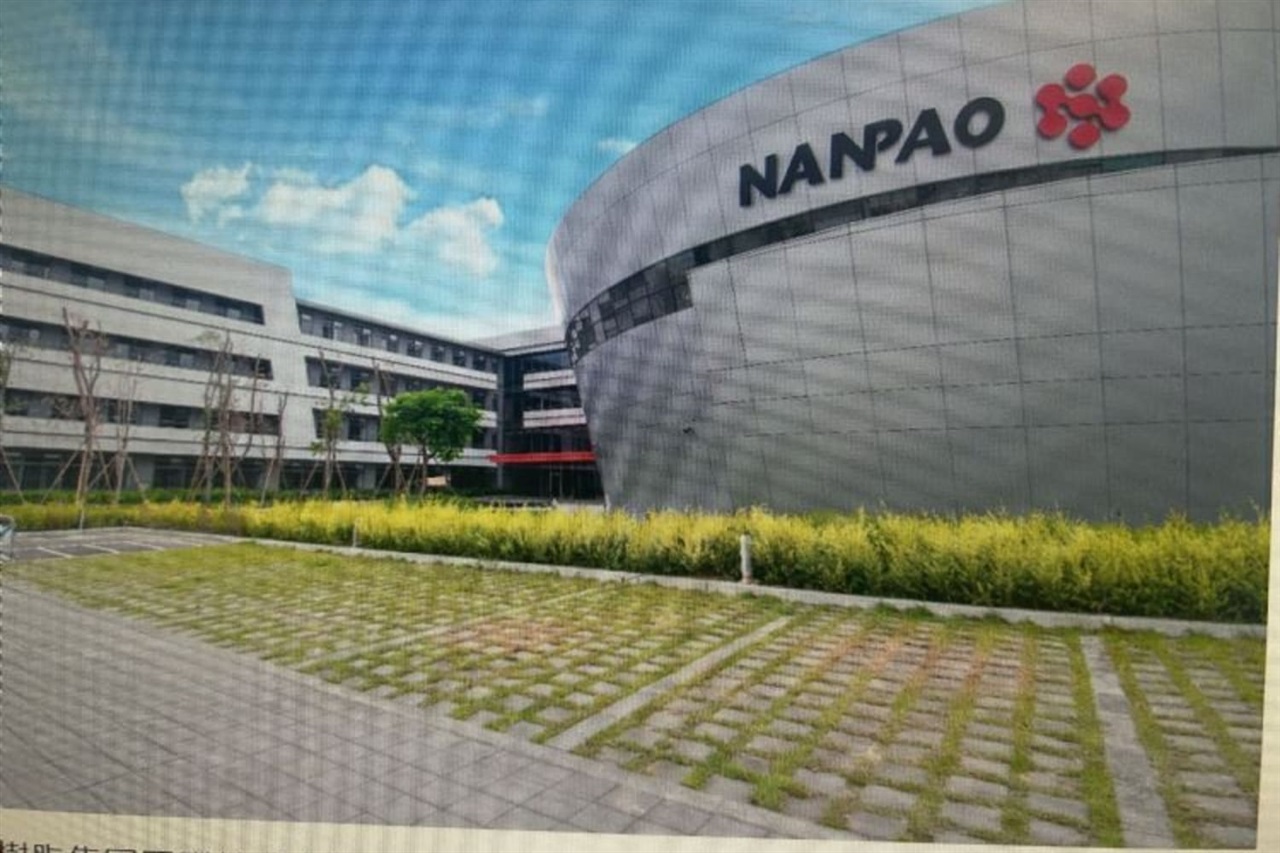
Nan Pao hit a record for April revenue, but is it enough to matter in the chip world? The company is betting big on specialty materials.
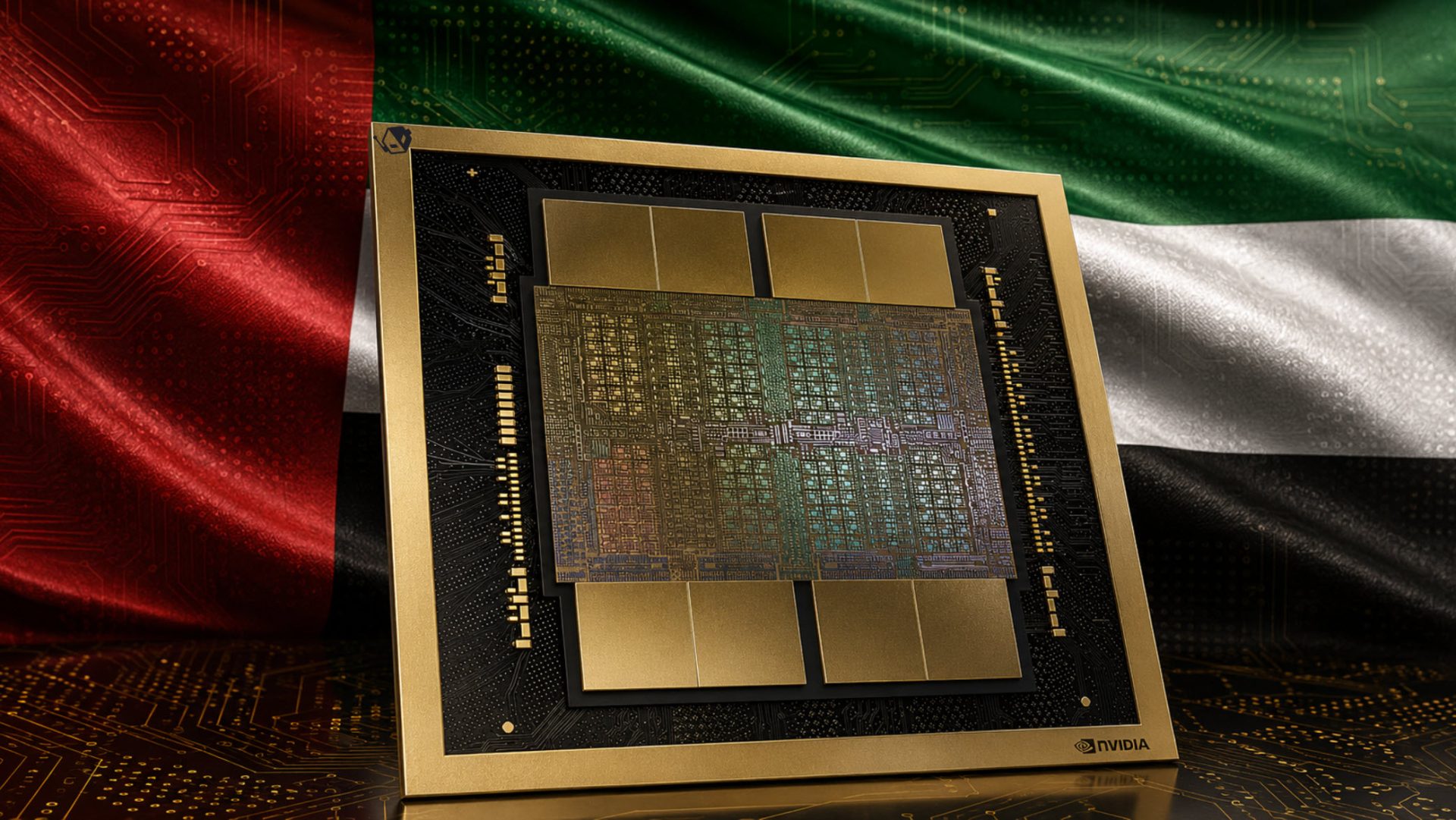
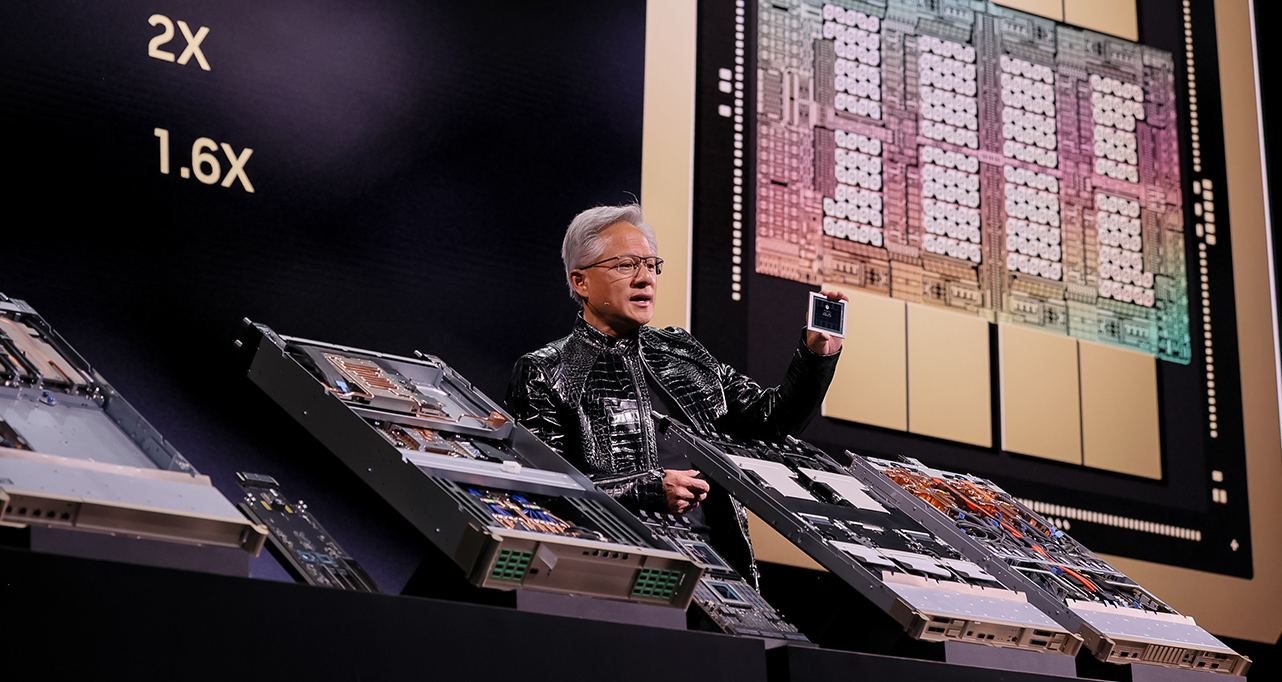
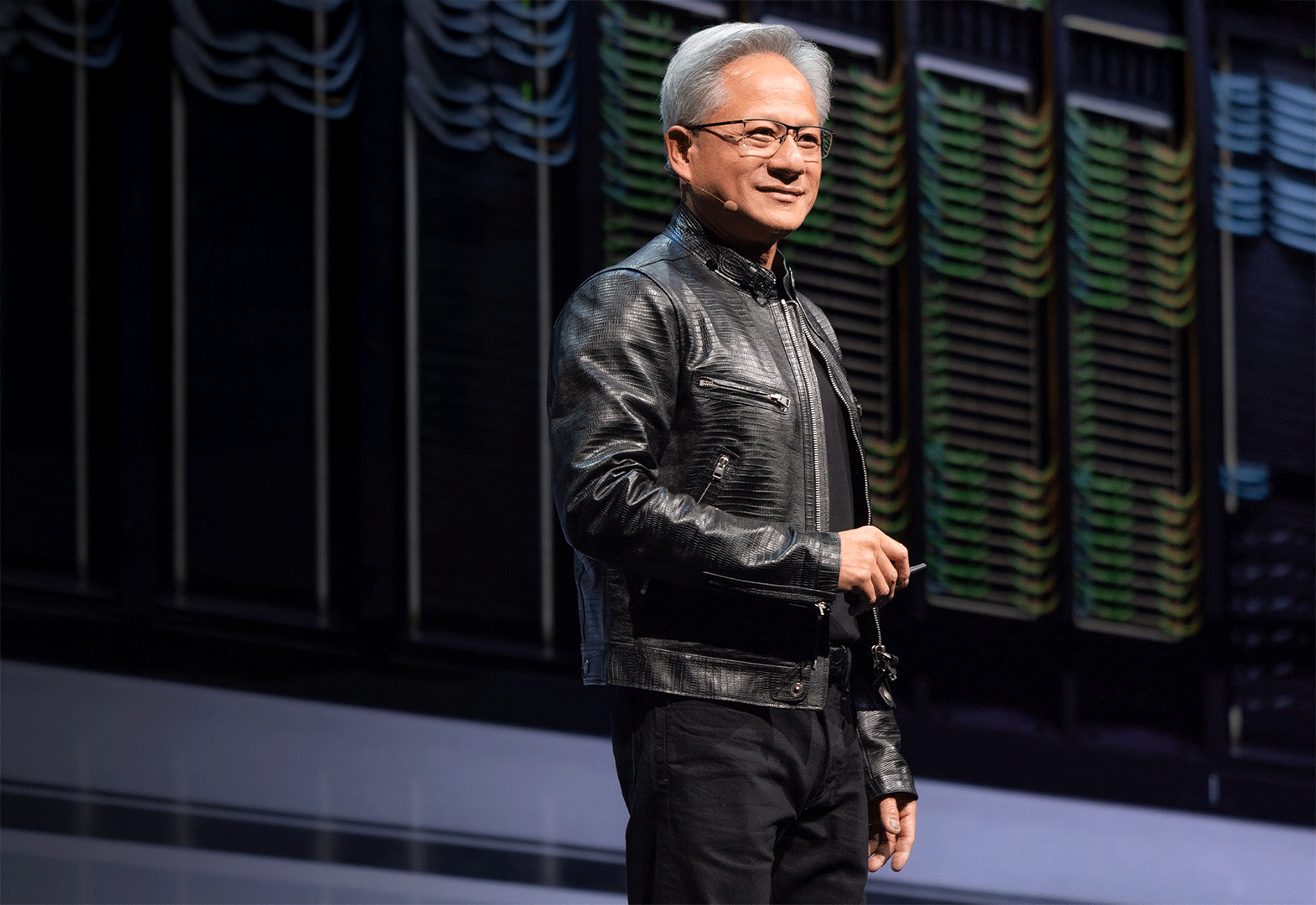
NVIDIA's next-gen AI behemoth, Vera Rubin, is officially breaking cover. Forget the whispers of delays; shipments are slated for July.
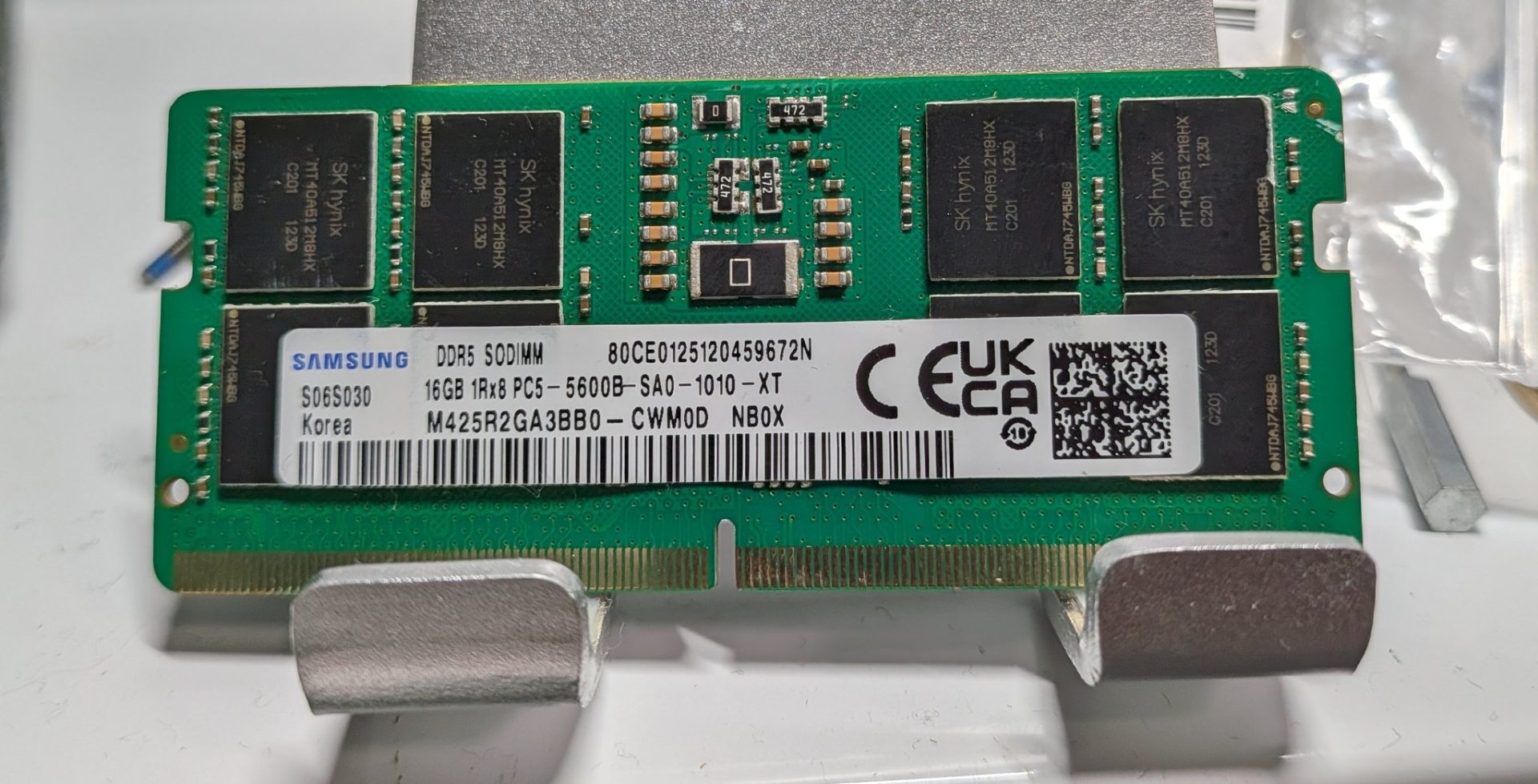
PC buyers, beware. A surge in memory prices has paved the way for a wave of counterfeit DDR5 RAM modules flooding the market, tricking unsuspecting consumers with fake components.
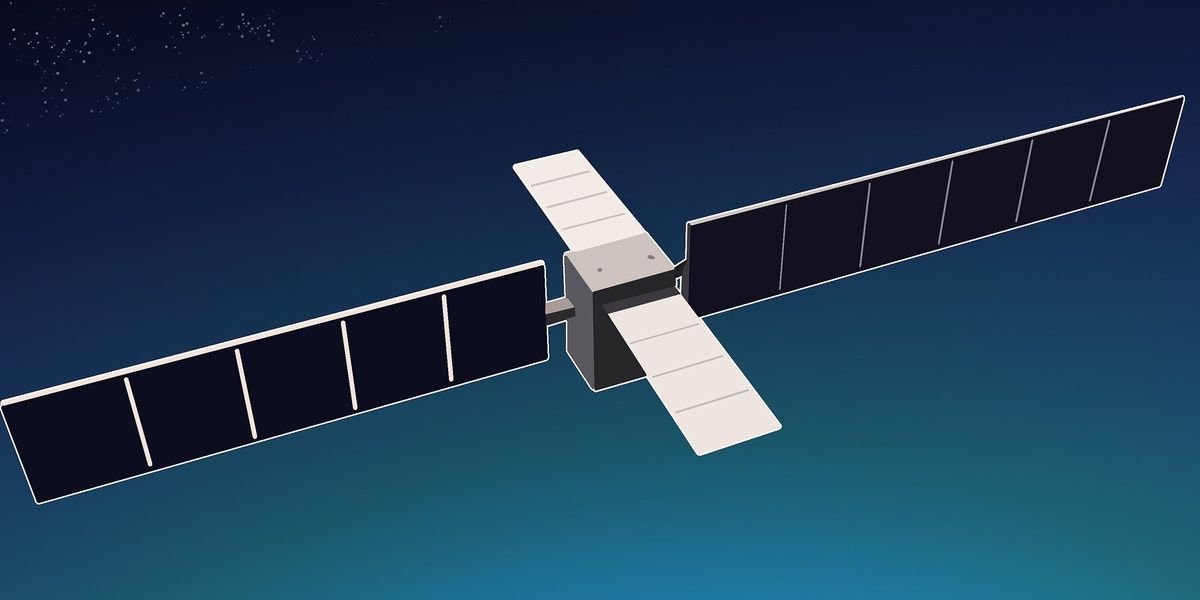
As AI's energy appetite explodes, one startup is looking skyward, proposing data centers on satellites. It's a bold vision, aiming to harness solar power and escape terrestrial grid limitations.
Forget the doom-and-gloom. AI isn't just coming; it's already here, gobbling up wafer capacity and rewriting the semiconductor playbook.
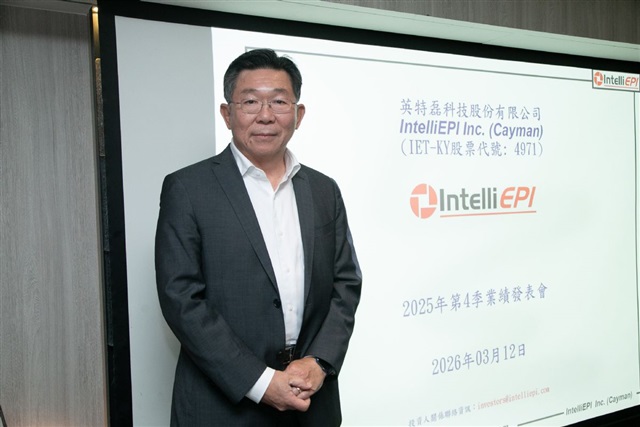
The relentless march of AI is hitting a wall, not of silicon, but of a crucial optical material. Indium phosphide, vital for the super-fast interconnects powering AI data centers, is facing a looming shortage.
The silicon heart of our digital world is beating faster than ever. Forget dry earnings reports; we're talking about the engine of the future roaring to life.
Nvidia's dominance in China's AI chip market has evaporated, now standing at a reported 0%. CEO Jensen Huang contends US export policies have 'largely backfired.'
Android smartphone makers are asleep at the wheel. They've ceded a crucial life-saving feature to Apple, and it's costing them.
SK hynix just posted numbers that made semiconductor history, shattering revenue and operating profit records. The AI gold rush, it turns out, is a very good year for memory makers.
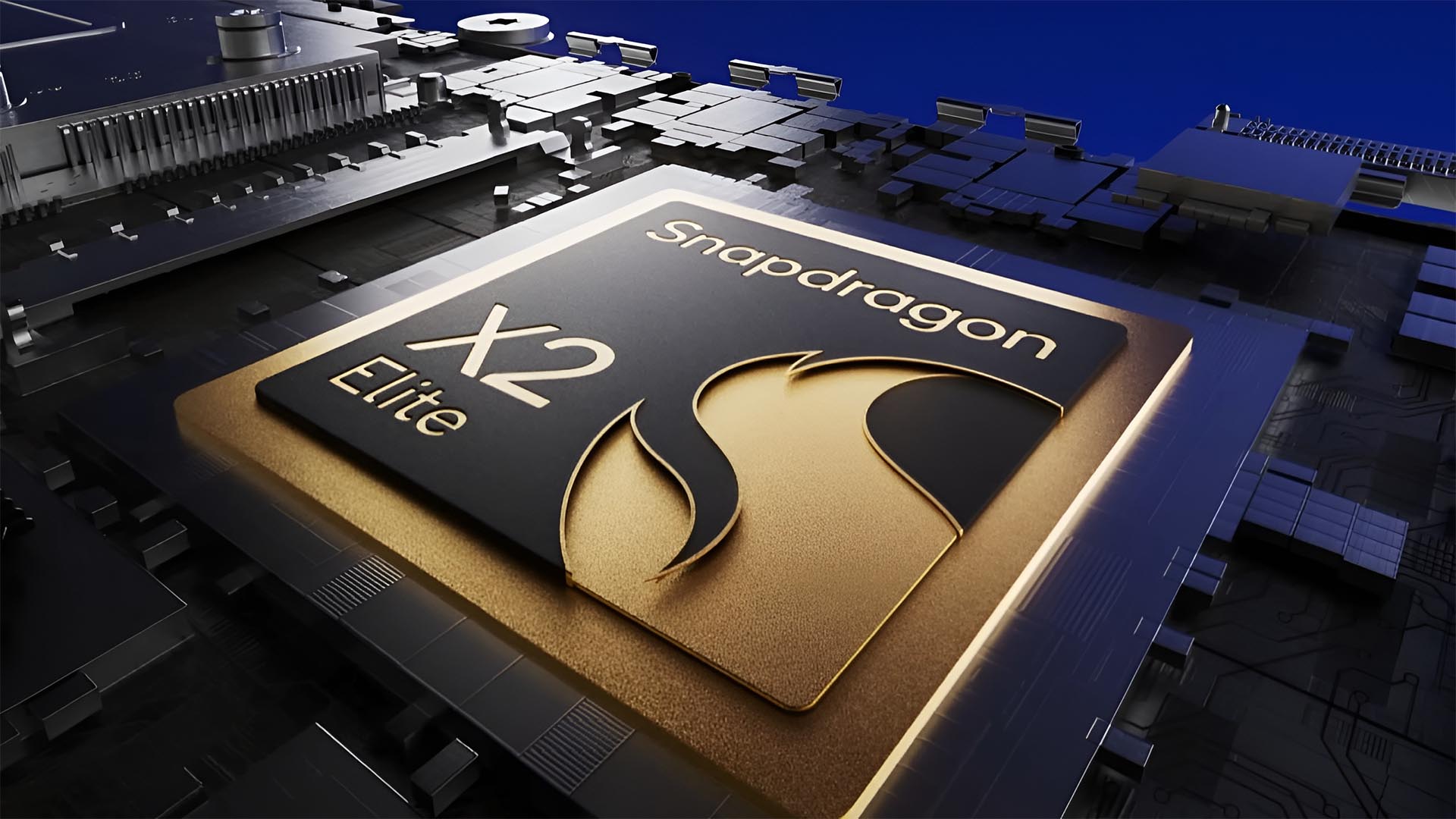
Qualcomm's ambition to take on Apple in the lucrative laptop market with its new Snapdragon X Elite chipsets might be its own undoing. A critical analysis suggests a tiered strategy, prioritizing margins over adoption, is a misstep.
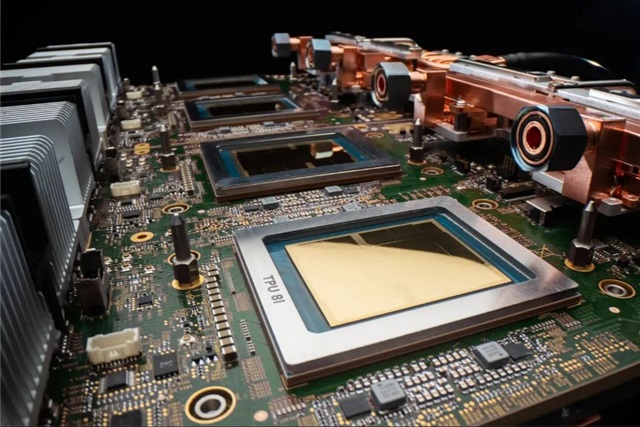
Google just carved up its AI chips into training beasts and inference speedsters. After 20 years watching Valley hype cycles, I'm asking: who's really cashing in?
AI data centers are exploding — but they're bottlenecked by slow builds. Vertiv's $BMarko acquisition just poured rocket fuel on that fire with in-house fabrication mastery.