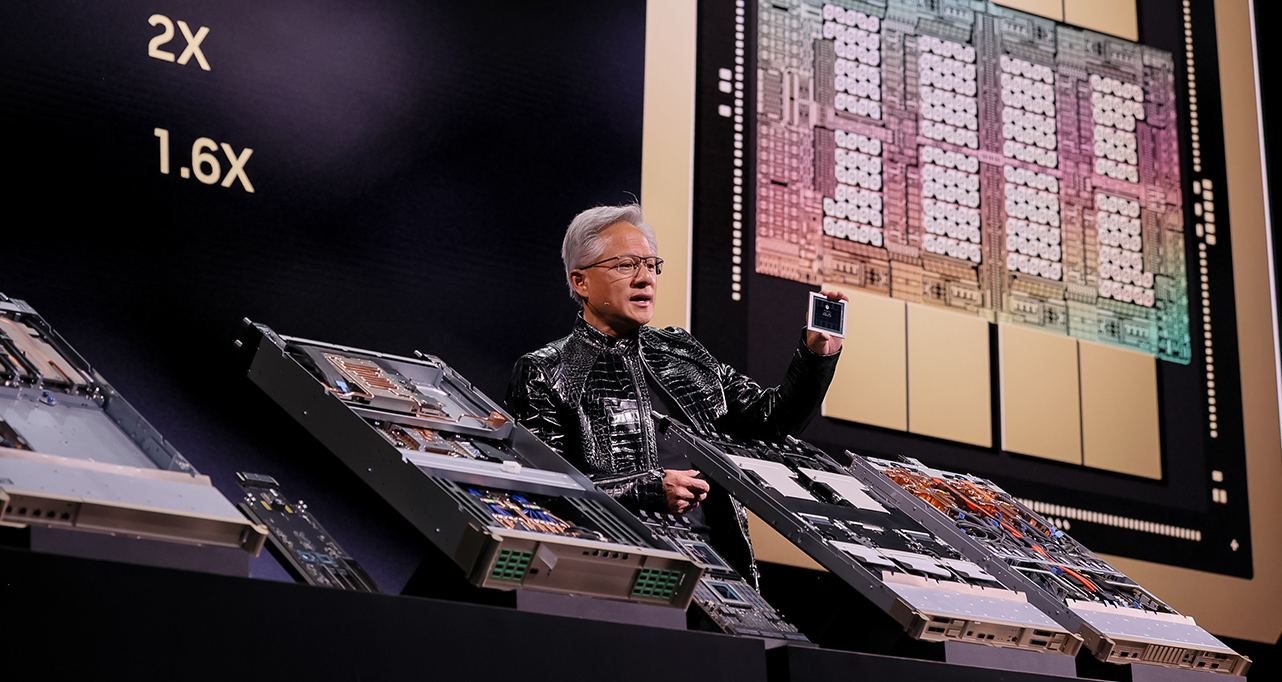
So, the big news from the AI chip world: NVIDIA’s much-hyped Vera Rubin platform is apparently on track. Everyone and their uncle expected some kind of groundbreaking announcement, maybe even a sneak peek at next-gen capabilities that would redefine the AI landscape (again). But here we are, with NVIDIA doing what NVIDIA does best: announcing a product launch and quietly squashing the inevitable pre-launch jitters that tend to swirl around anything this big.
Remember all those whispers about design headaches and spec changes for Vera Rubin? The ones that sounded suspiciously like a replay of the Blackwell GPU server saga? Well, according to Taiwanese outlet Economic Daily and various industry sources, NVIDIA’s supply chain wizards have apparently worked their magic. They’re claiming trial production is already kicking off next month, with the first units slated to land in the laps of major US-based AI datacenters and tech giants by July.
Who’s Getting the First Taste of Vera Rubin?
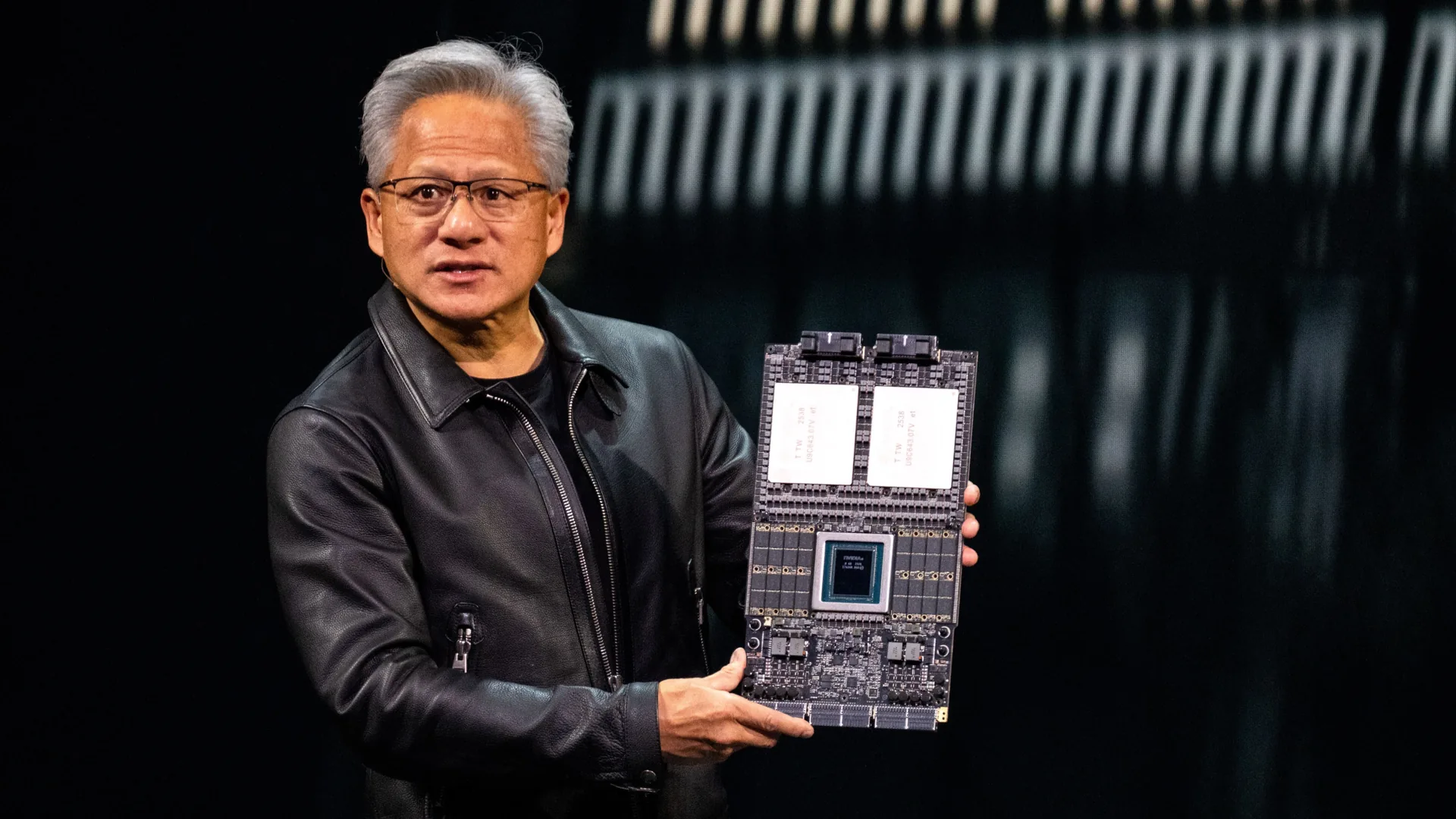
Forget the small fries. The initial customer list reads like a who’s who of cloud computing and AI giants: Microsoft, Google, Amazon, Meta, and Oracle. These aren’t just names; they’re the deep-pocketed behemoths that fuel NVIDIA’s exponential growth. Expect Jensen Huang to drop plenty of these partnerships at his upcoming Computex keynote. It’s all about locking in those massive, multi-year deals that keep the silicon spinning and the revenue flowing.
The whispers of trouble seem to have been just that – whispers. TSMC is reportedly already humming along with mass production of the Vera Rubin chips on its 3nm process node. And the usual suspects, like Foxconn, Quanta, and Wistron, are gearing up for the full rollout in the latter half of the year, with mass shipments expected to hit stride by Q3 2026.
It’s almost enough to make you believe the PR spin. The official line is that any rumors about design or spec changes were either based on outdated information or simply off the mark. NVIDIA’s ecosystem—from chip fabrication to server assembly—is a well-oiled machine, capable of rapid adjustments. But let’s be real, even with their prowess, the sheer scale of these launches means hiccups are par for the course. The question remains: how many truly significant hiccups are being papered over with these July shipment claims?
The Astronomical Price Tag and Market Domination
And now for the real kicker: the price. Industry estimates peg each Vera Rubin AI server rack at a cool $180 million. Yes, you read that right. $180 million. For a single rack. This isn’t just a product; it’s a strategic investment for these companies, a commitment to a future where AI compute is measured in orders of magnitude beyond what we see today. This kind of expenditure screams ‘arms race,’ and NVIDIA is happily supplying the weaponry.
NVIDIA is projecting a global market reach that could extend to a staggering $1 trillion with Vera Rubin leading the charge. This colossal figure isn’t just about chip sales; it’s about the entire AI ecosystem that Vera Rubin enables. Memory providers are already lining up, pushing their latest HBM4 memory solutions for the GPUs and SOCAMM2 LPDDR5X for the CPUs, offering capacities up to 256 GB. It’s a feeding frenzy, and everyone wants a piece of that trillion-dollar pie.
The Vera Rubin platform itself is described as a technological marvel, boasting seven integrated chips and a software backend that’s supposedly unmatched. NVIDIA is aiming for a 40-million-fold increase in compute output within a decade. That’s… a lot of zeros. If early previews are any indication, the AI world might indeed be on the cusp of another massive leap. But as always, the devil is in the details, and the true impact will only be visible when these racks are humming in datacenters, crunching real-world problems, not just marketing projections.
Here’s a thought: 20 years in this game, and the script is remarkably consistent. Rumors of issues, followed by swift PR reassurances and firm launch dates. The key takeaway for anyone watching isn’t just if Vera Rubin ships, but how it performs once it’s out there, and crucially, who is actually footing these astronomical bills and seeing the biggest returns. It’s the same old story, just with a much bigger number attached.