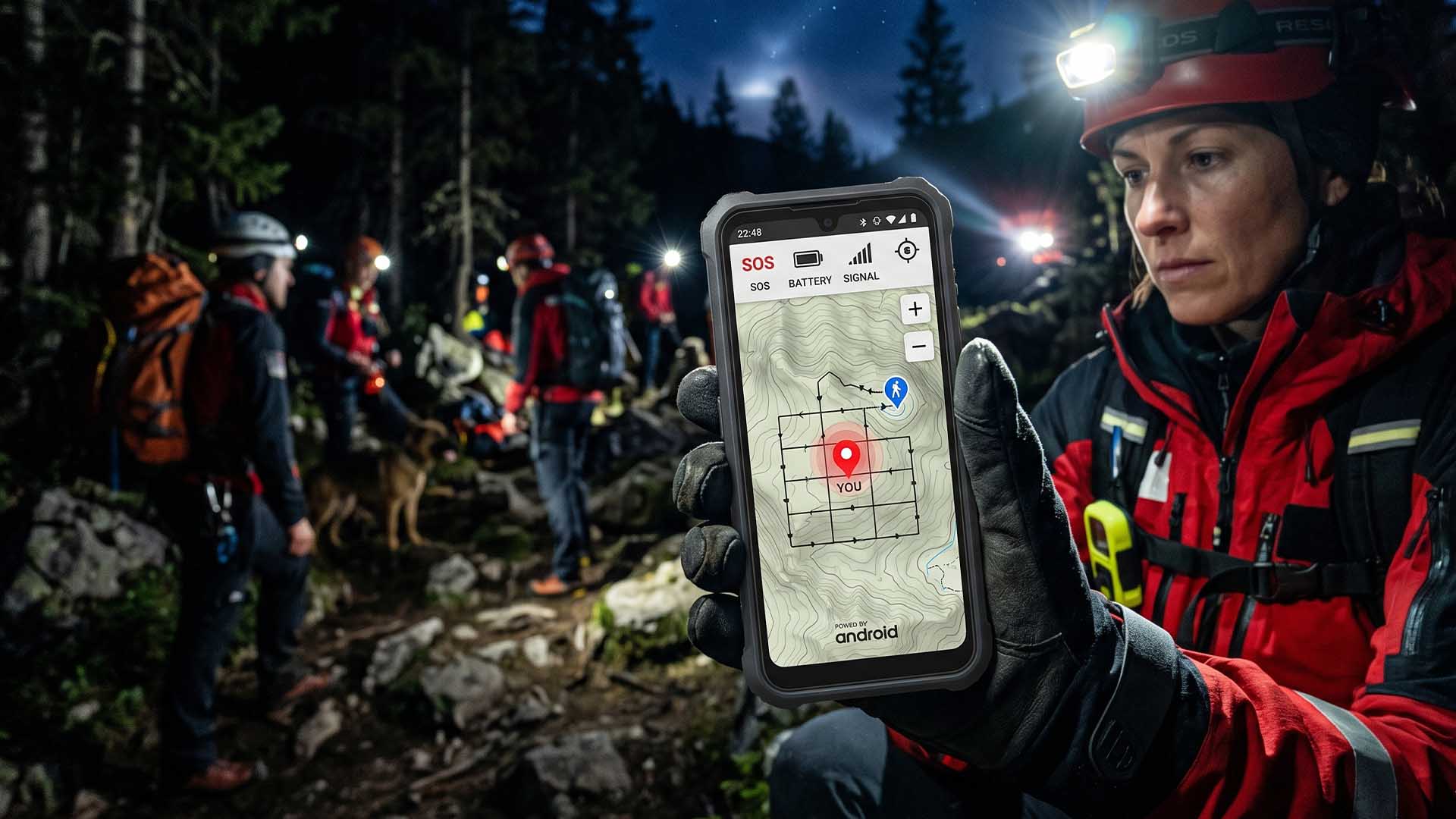
Android’s Satellite Stumble.
Look, it’s not complicated. Apple got there first. They put satellite connectivity for emergencies into their phones, and suddenly, the iPhone became a little less fragile, a little more indispensable. Android, meanwhile? They’ve been busy polishing camera specs and fiddling with refresh rates while the actual safety of their users was left out in the cold, metaphorically speaking. And guess what? People notice. They’re noticing that when their phone goes dead in the middle of nowhere, only one major player offers a potential lifeline.
Apple’s head start with Emergency SOS via satellite, launched in 2022, is proving to be a genuine moat. It wasn’t just a splashy announcement; it’s a feature that has tangible, life-saving implications. Then they layered on Roadside Assistance via satellite and Crash Detection. These aren’t just bells and whistles; they’re critical safety nets. Counterpoint Research is now telling us that nearly half of all smartphones will have satellite connectivity by 2030. That’s not a niche market; that’s the future. And Apple is already comfortably sitting on over 70% of it. The rest of the industry is playing catch-up, and frankly, they’re stumbling.
Why Is Satellite Connectivity So Important Now?
Remember when phones were just for calls and texts? Quaint. Now, they’re expected to be mini-computers, entertainment hubs, and, apparently, lifelines. The underlying tech – advanced modems, sensors, processing power – has been available for a while. But it takes a company with vision – or at least the willingness to spend the money on partnerships like Apple’s with Globalstar — to actually implement it. Qualcomm tried to jump in, partnering with Iridium, but the realization seems to have dawned late on many Android OEMs. They had the building blocks, but they lacked the urgency. It’s like having all the ingredients for a five-star meal but deciding to serve instant ramen instead.
This isn’t just about a single feature; it’s about a shift in consumer priorities. Safety and preparedness are increasingly important. When faced with a choice between a phone that might save your life in a remote area and one that just takes slightly better selfies, the decision becomes pretty clear for a growing segment of the population. Apple understands this. They’ve turned a technical capability into a competitive advantage, a significant one at that. And as satellite tech evolves with new protocols like 3GPP Release 17 and 18, Apple is poised to keep pushing the envelope, likely leaving Android scrambling.
Can Android Catch Up?
Potentially. But it’s an uphill battle. The issue, as Counterpoint Research points out, is that this is largely a premium feature right now. While Apple is pushing it across its lines, Android OEMs are often limiting it to their flagship devices. This is understandable from a cost perspective, especially with pricey modems from the likes of Qualcomm. But it also creates a ceiling for adoption. If satellite functionality remains a luxury good on the Android side, it will continue to cede ground to a more democratized Apple offering. Furthermore, the article hints at future protocols (Release 19) that could trickle down to mid-range devices, but that’s still years away. Years Android could be losing ground.
My one unique insight here? This isn’t just about hardware. It’s a masterclass in product differentiation through safety. Apple has successfully repositioned the iPhone from a status symbol to a potential survival tool. This isn’t just about market share; it’s about building brand loyalty through perceived indispensability. While Android stalwarts like Samsung and Huawei are nowhere near Apple’s satellite penetration, the bigger question is whether they can pivot from feature-chasing to problem-solving before the gap becomes unbridgeable. The data suggests they’re still too slow.
“Nearly one in two smartphones is expected to support satellite connectivity by 2030. Apple, Google and Samsung will lead in terms of overall penetration, but Android brands targeting the entry and mid-price segments will see less penetration.”
This quote perfectly encapsulates the problem. The future of connectivity is being built on satellite, and while some big names are involved, the mass adoption Apple is likely aiming for – by potentially bringing these features to more affordable tiers – is still a distant dream for many Android users. The premium segment may be where innovation starts, but it’s the mid-range and entry-level that drive volume. And that’s where Android is likely to get left behind if they don’t find a way to make satellite connectivity more accessible, and fast.
🧬 Related Insights
- Read more: Samsung Electro-Mechanics Locks In Crucial Substrates for Nvidia’s Groq 3 LPU Push
- Read more: Intel & SambaNova: The Quiet AI Hardware Shakeup
Frequently Asked Questions
What is Emergency SOS via satellite? Emergency SOS via satellite allows iPhones to connect to satellites for emergency messaging when cellular and Wi-Fi service are unavailable, enabling users to contact emergency services.
Will all Android phones get satellite connectivity? Not all Android phones will get satellite connectivity immediately. Adoption is currently focused on premium devices, and widespread availability on mid-range and entry-level phones is expected to take longer, depending on technological advancements and cost reductions.
Is satellite connectivity a significant feature for smartphone market share? Yes, satellite connectivity is becoming a significant feature influencing market share, especially with its life-saving capabilities, giving Apple a notable advantage in the current market.