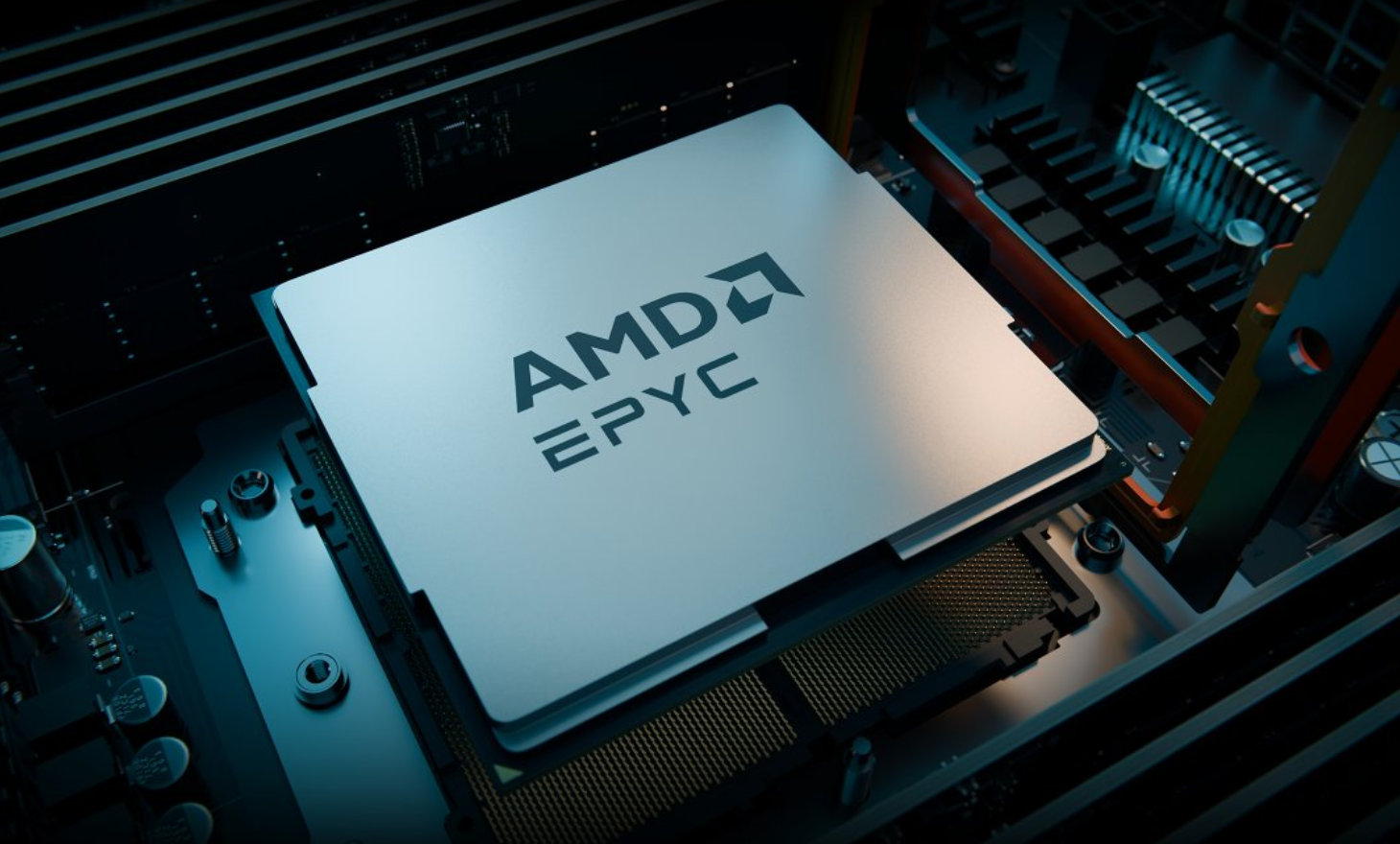
This isn’t just about numbers on a spreadsheet; it’s about the very fabric of our connected lives humming with newfound energy. When semiconductor sales — the lifeblood of everything from your smartphone to the AI that’s rewriting our world — surge by a staggering 25% quarter-over-quarter, that’s not just an industry blip. That’s a seismic shift. Think of it like this: for years, we’ve been building the most complex, complex cities imaginable, brick by digital brick. Now, we’re seeing the power grid light up with unprecedented voltage, fueling not just the existing structures but the entirely new, fantastical ones we’re only just beginning to dream up.
These aren’t just abstract figures; they represent the accelerating deployment of the technologies that are fundamentally reshaping our reality. The data from the Semiconductor Industry Association (SIA) isn’t just a snapshot of Q1 2025; it’s a powerful indicator of the AI revolution’s relentless march. We’re not just talking about incremental improvements anymore. We’re talking about a wholesale re-architecting of how we work, create, and interact, all powered by ever-more sophisticated chips.
The $1 trillion market milestone in 2026, once a distant horizon, now feels like it’s just over the next hill. SIA CEO John Neuffer pointed to this remarkable trajectory, noting how “Global chip sales remain on track to reach $1 trillion in 2026, with Q1 sales significantly exceeding sales in Q4 2025.” This isn’t merely optimistic PR; it’s a reflection of the insatiable, broad-based demand for the silicon brains that underpin our increasingly intelligent world. The growth isn’t confined to a niche; it’s a global phenomenon.
A World Ignited: Where’s the Fire?
Look at the regional breakdown: Asia Pacific is up a jaw-dropping 108.5% year-over-year. The Americas are right there with 83.1%. China, a crucial battleground for technological dominance, is up 74.8%. Even Europe and Japan are showing strong gains. This isn’t just about one country or one sector. This is a worldwide ignition, a shared embrace of the technologies that AI promises.
The month-to-month increases are just as telling. Americas up 13.3%, China 12.7% – these are not the stutter-steps of a mature market. These are the leaps of a sector experiencing explosive, sustained growth, fueled by innovation and adoption. It suggests that the demand isn’t being satisfied by just one quarter’s worth of production; it’s a continuous, escalating need.
AI: The Unseen Engine of Demand
What’s really driving this inferno? It’s the AI tidal wave, of course. We’re not just talking about chatbots anymore. We’re seeing AI integrated into every facet of life – from the autonomous vehicles navigating our streets to the personalized medicine being developed in labs, to the creative tools that are democratizing content creation. Each of these advancements, each of these new applications, requires more processing power, more specialized chips. We’re in the midst of a fundamental platform shift, akin to the dawn of the internet or the mobile revolution, but with an even more profound impact on intelligence itself. It’s the difference between having a powerful calculator and having a silicon brain that can learn, adapt, and create.
Think of the current surge not as a peak, but as the early acceleration phase of an entirely new economic engine. Companies aren’t just buying chips for existing products; they’re investing in the foundational hardware for an AI-driven future. This means R&D labs are buzzing, data centers are expanding at a dizzying pace, and the demand for the most advanced GPUs and specialized AI accelerators is becoming the defining characteristic of the semiconductor market. It’s a virtuous cycle: more AI innovation demands more powerful chips, which in turn enables even more sophisticated AI.
The Corporate Spin vs. The Human Impact
Sure, companies like SIA will highlight the broad demand and the strong nature of the market. And they’re right. But let’s strip away the corporate jargon. This surge means more personalized healthcare, more efficient energy grids, more accessible education, and frankly, more mind-bending creative possibilities for all of us. It means the tools that were once confined to the hands of a select few are becoming democratized, thanks to the processing power that these chips enable.
It also means that the race for silicon supremacy is more intense than ever. Geopolitical implications are massive, as nations vie for leadership in chip design and manufacturing. This isn’t just about economic power; it’s about national security and the ability to shape the future. The implications for supply chains are also immense, with continued focus on resilience and diversification.
But for the average person? It means that the tools you use daily will become smarter, more intuitive, and more capable. It means that the experiences you have online and offline will be richer and more personalized. It means we’re living through a period of unprecedented technological advancement, and the semiconductor industry is the engine room. It’s an exciting, and frankly, a little bit terrifying, time to be alive.
🧬 Related Insights
- Read more: How Does TSMC Work?
- Read more: Apple’s Memory Grab: Chinese Flagships Face Extinction
Frequently Asked Questions
What does this chip sales growth mean for AI development? This growth directly fuels AI development by providing the necessary processing power and specialized hardware, like GPUs and AI accelerators, to train and deploy increasingly complex AI models.
Will this surge in chip sales create more jobs? Yes, the expansion of the semiconductor industry typically leads to job creation in design, manufacturing, research, and development, as well as in sectors that heavily utilize AI-powered technologies.
Is the $1 trillion chip market by 2026 realistic? Given the current Q1 growth rates and the accelerating adoption of AI and other advanced technologies, the projection of a $1 trillion semiconductor market by 2026 appears increasingly achievable.