The AI Gold Rush is Here.
And it’s not just about the GPUs anymore. We’re talking about the fundamental building blocks that enable those silicon titans to do their magic. Right now, the unsung hero of the AI revolution, the Ajinomoto Built-Up Film or ABF substrate, is becoming a choke point. This isn’t just an incremental price bump; we’re looking at a potential 30% increase that’s sending ripples through the entire semiconductor industry.
What’s an ABF Substrate, Anyway?
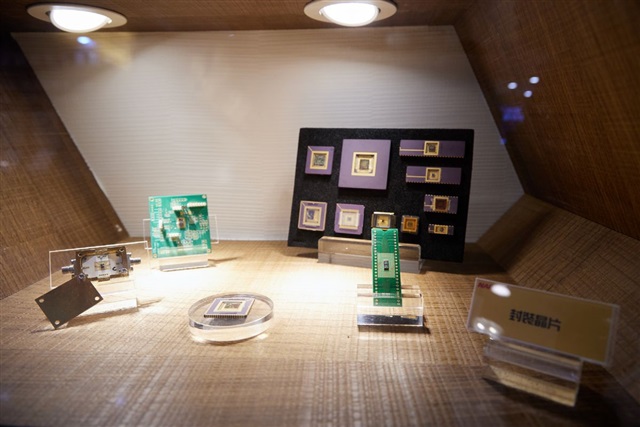
Think of ABF substrates as the complex, high-rise cityscapes for our most advanced chips. They’re the high-performance insulating films that house semiconductors, especially for those sophisticated flip-chip ball grid array (FCBGA) setups. Essentially, they’re the superhighways connecting the silicon brain to the printed circuit board, boasting incredible data throughput and crystal-clear signal integrity. These bad boys are in HUGE demand for AI data centers, and suddenly, everyone wants a piece of the action.
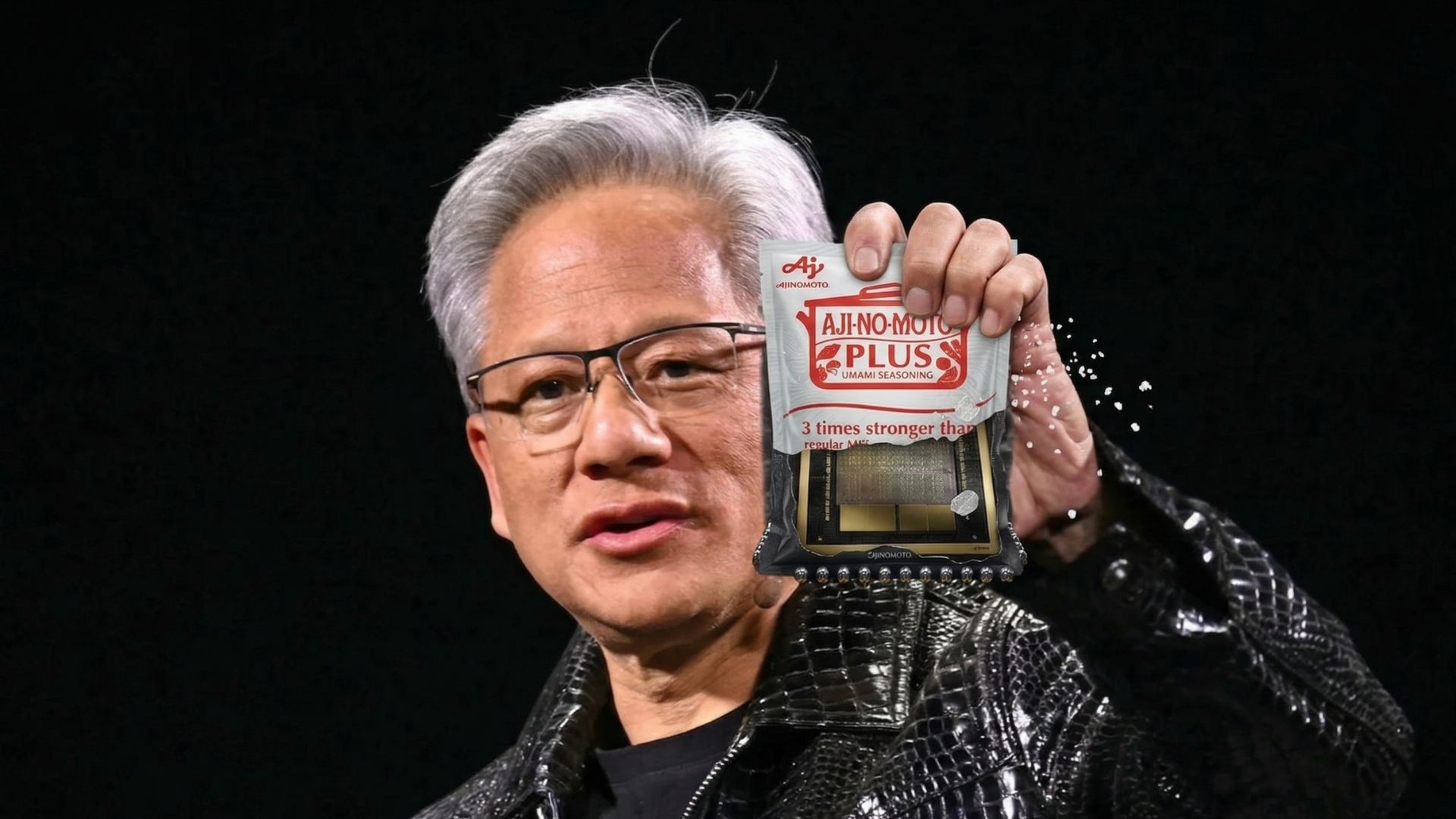
Ajinomoto, the same company famous for MSG, is finding itself at the epicenter of this burgeoning crisis. Reports are surfacing that they’re rapidly depleting their ABF substrate stock due to an insatiable demand. It’s like everyone suddenly decided to build the world’s most advanced cities all at once, and there’s only so much prime real estate.
And now? The folks making these crucial substrates are seeing a massive comeback, not just in demand, but in their pricing power. They’re cranking up production and, crucially, hiking prices. Spot prices are already feeling the pinch, and this inflationary pressure means longer wait times for everyone. For the big three substrate manufacturers—Unimicron, Kinsus, and Nay Ya PCB—this means a serious revenue boost. But for the rest of us, it means digging deeper into our pockets.
The Crystal Ball Predicts Scarcity Until 2027
Here’s the kicker: the supply-demand imbalance isn’t a temporary blip. Market watchers are forecasting this gap to stretch all the way to the end of 2027. This extended shortage has already pushed up prices by 5-10% for contracted ABF substrates, with those changes set to kick in during the latter half of 2026. But for those needing immediate solutions, spot prices are reportedly already leaping by over 30%.
Taiwanese manufacturers are running at maximum capacity, and that’s expected to continue until the year’s end. The whispers from the market are loud and clear: Ajinomoto itself is poised to raise film prices by a significant 30%. And when the material costs go up by that much, you can bet your bottom dollar that substrate manufacturers will pass those costs straight onto their customers. Considering the cost breakdown for ABF substrates in AI GPUs and ASICs, a 30% hike in the film itself could translate to an overall substrate price increase of around 3% to 6%. It’s a cascading effect, like a perfectly executed domino run in a physics lab.
Ajinomoto, a global supplier of ABF (Alternating Layer) additive manufacturing (ABF) films, is considering raising film prices by at least 30%.
This isn’t just about the current AI boom; it’s a fundamental platform shift. The sustained demand for cutting-edge AI servers, coupled with emerging technologies like Co-Packaged Optics (CPO), guarantees that this supply chain crunch will only intensify. We’re talking about manufacturers potentially seeing gross profit margins in the high 20s to mid-30s for 2026 and 2027. It’s a brave new world where fundamental components dictate the pace of innovation, and the economics are as fascinating as the tech itself.
My unique insight? This situation is eerily reminiscent of the early days of the smartphone revolution, where a single critical component shortage could hamstring an entire industry. Back then, it was flash memory. Today, it’s the hyper-specialized substrates for AI. The takeaway isn’t just about price hikes; it’s about the growing fragility of complex, interconnected supply chains that underpin our most advanced technologies. The companies that can secure reliable ABF substrate supply—or, more importantly, innovate around it—will be the true titans of the next decade.
Why Does This Matter for Chip Makers?
The implications here are colossal. For AI chip designers, this means increased production costs and potentially longer development cycles. Companies pouring billions into AI research and hardware development will need to factor these rising substrate expenses into their budgets. It’s a direct tax on innovation, driven by pure, unadulterated demand.
Foundries and OSATs (Outsourced Semiconductor Assembly and Test) will likely benefit in the short term from higher utilization rates and increased revenue. However, the long-term challenge will be capacity expansion. Building new fabrication plants or expanding existing ones is a monumental undertaking, requiring massive capital investment and years of planning. The fact that this supply-demand gap is projected to last until 2027 suggests that any significant capacity additions won’t materialize for quite some time.
What’s the Long-Term Outlook for AI Hardware?
This ABF substrate squeeze highlights a recurring theme in the tech industry: innovation often outpaces the foundational infrastructure needed to support it. While AI models become exponentially more powerful, the physical components enabling them face very real, tangible limitations. The continued reliance on advanced packaging solutions like FCBGA, which necessitates ABF, underscores the need for parallel advancements in materials science and manufacturing processes.
We might see a renewed push towards alternative packaging technologies or novel materials that can reduce reliance on current ABF supply chains. Companies that can crack this nut could gain a significant competitive advantage. It’s a race to not only build smarter AI but also to build it more efficiently and affordably. The AI supercycle, while a driver of incredible progress, is also a powerful catalyst for innovation in the very bedrock of the semiconductor world.
🧬 Related Insights
- Read more: Intel’s Xeon 6 Gambit with SambaNova Targets Agentic AI’s GPU Chokehold
- Read more: NVIDIA AI Costs Outpace Human Pay
Frequently Asked Questions
Will this price increase affect all electronics?
Primarily, this price increase will hit high-performance computing, particularly AI servers and advanced GPUs, the hardest, as these require the most sophisticated ABF substrates. Consumer electronics that don’t demand such high I/O and signal integrity might see less direct impact, though broader supply chain pressures could still trickle down.
Is there anything that can be done to increase ABF substrate supply?
Increasing ABF substrate supply is challenging due to the specialized nature of its manufacturing process and the significant capital investment required for new capacity. While existing manufacturers are pushing their current facilities to the limit, substantial new production lines take years to build and bring online.
Could this shortage lead to a slowdown in AI development?
While the shortage will undoubtedly increase costs and potentially cause delays for specific projects, it’s unlikely to halt AI development entirely. The immense profitability and strategic importance of AI are powerful incentives for companies to find workarounds, invest in alternative solutions, or simply absorb the increased costs to maintain their competitive edge.