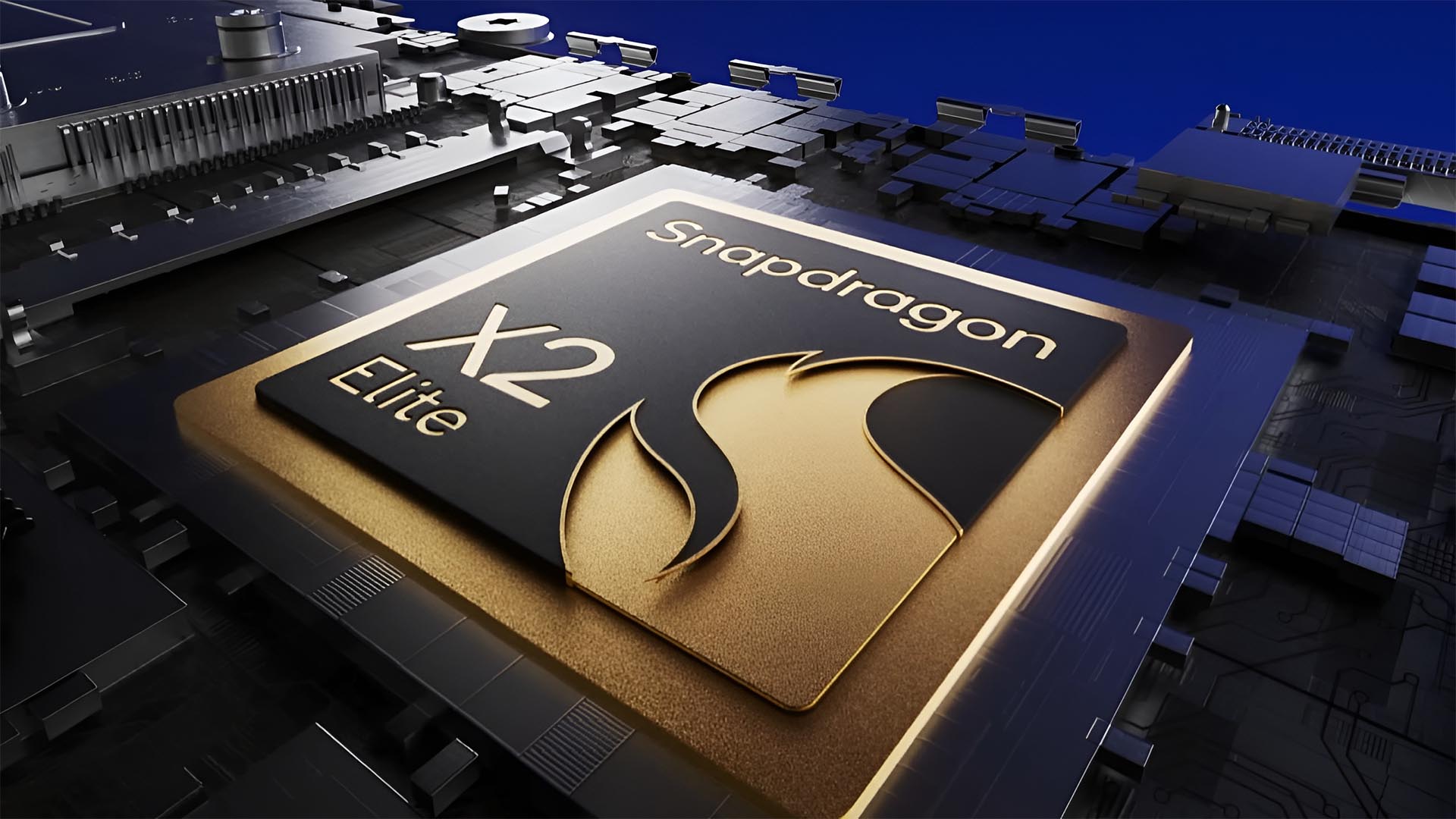
The murmur on the digital streets, specifically a spirited Reddit discussion, suggests Qualcomm’s ambitious foray into the Windows laptop arena with its new Snapdragon X Elite, X Elite Extreme, and X2 Plus chips is, charitably, a work in progress. While the silicon itself reportedly packs a punch, capable of squaring off against Apple’s vaunted M-series, the company’s go-to-market strategy—a tiered approach—is proving to be the Achilles’ heel.
It’s a familiar script, isn’t it? A company with impressive technology finds its path to market littered with self-inflicted obstacles. The core of the critique isn’t about the performance of the chips, which are apparently well-designed to challenge the status quo. Instead, it’s about the product segmentation: a top-tier chip, a slightly lesser one, and then a more budget-friendly option, all launched concurrently. This immediately fragments the narrative and dilutes the impact.
Why is Qualcomm’s Tiered Approach a Problem?
The argument is stark and, frankly, makes market sense. By trying to serve multiple segments at once with different chip SKUs, Qualcomm appears to be prioritizing immediate profit margins over building critical mass and user trust. The current model favors higher margins per unit, a classic strategy for established players entering a new space, but here, it’s a dangerous gamble against entrenched giants like Intel, AMD, and, of course, Apple.
The market dynamics are unforgiving. Consumers, particularly those eyeing premium Windows laptops, are acutely aware of value. When a Snapdragon-powered machine carries a premium price tag, any hint of compatibility issues or the need for constant troubleshooting—problems that AMD and Intel machines, despite their own quirks, often seem to suffer from less conspicuously—becomes a deal-breaker. The anecdote of an ASUS Vivobook S15 owner left scrambling with no software updates since June 2025, a machine presumably running a less premium Snapdragon variant, illustrates this point painfully.
A premium price on Qualcomm’s Snapdragon-powered laptops won’t make sense if these machines continue to ship with compatibility issues.
This isn’t just about a bad review; it’s about market perception and the delicate process of building an ecosystem. When a brand is trying to establish itself against a dominant competitor, the playbook often involves a laser focus on the absolute best, creating aspirational products that define the category. Apple itself followed this path with the M1, M1 Pro, and M1 Max, initially dominating the high-end before gradually expanding. Qualcomm seems to be doing the inverse, starting broad rather than deep.
Can Qualcomm Recover Its Windows Laptop Momentum?
The path forward suggested by the critique is clear, albeit potentially painful for Qualcomm’s short-term financials. The company needs to swallow its pride and its profit projections for a period. Lowering chipset prices across the board, even for the initial flagship models, is essential for encouraging adoption. This isn’t about giving away the farm; it’s about strategic investment in building a user base and developer support that can then fuel future generations.
Imagine the narrative shift. Instead of a fragmented lineup of chips, Qualcomm could focus its marketing and engineering resources on making the Snapdragon laptop experience phenomenal. This means not only top-tier silicon but also a commitment to software updates and hardware optimization that feels as polished as the competition. The fear of compatibility issues and a perceived lack of after-sales support for lower-end models will invariably push potential customers to safer, more established alternatives.
This isn’t a radical idea. It’s basic market entry strategy, often seen in semiconductor history. Early adopters are crucial, and they are drawn to the cutting edge, the best-of-the-best. If Qualcomm’s top-tier offering is perceived as anything less than stellar, especially when compared to a $589.99 MacBook Neo found on Amazon—a stark reminder of Apple’s aggressive pricing and market penetration—then the entire enterprise is on shaky ground.
The company’s stated goal is likely long-term dominance in the ARM-based Windows laptop space. But if longevity is the true aim, then absorbing a temporary financial hit to cultivate trust and widespread adoption is not just a suggestion; it’s a necessity. Right now, Qualcomm’s tiered approach seems to be sacrificing the very adoption it needs to achieve that long-term vision, all in the name of immediate margin. It’s a classic case of mistaking a tactical advantage for a strategic win.
🧬 Related Insights
- Read more: PC Shortages Are About to Ruin Your Upgrade Plans, IDC Warns
- Read more:
Frequently Asked Questions
What does the Snapdragon X Elite chip do? Qualcomm’s Snapdragon X Elite is a series of system-on-chips (SoCs) designed for Windows laptops, aiming to compete with Apple’s M-series chips and Intel/AMD processors.
Will Qualcomm’s strategy help Windows laptops gain market share? Critics argue that Qualcomm’s tiered approach, focusing on higher margins over broad adoption, may hinder its ability to gain significant market share against established competitors.