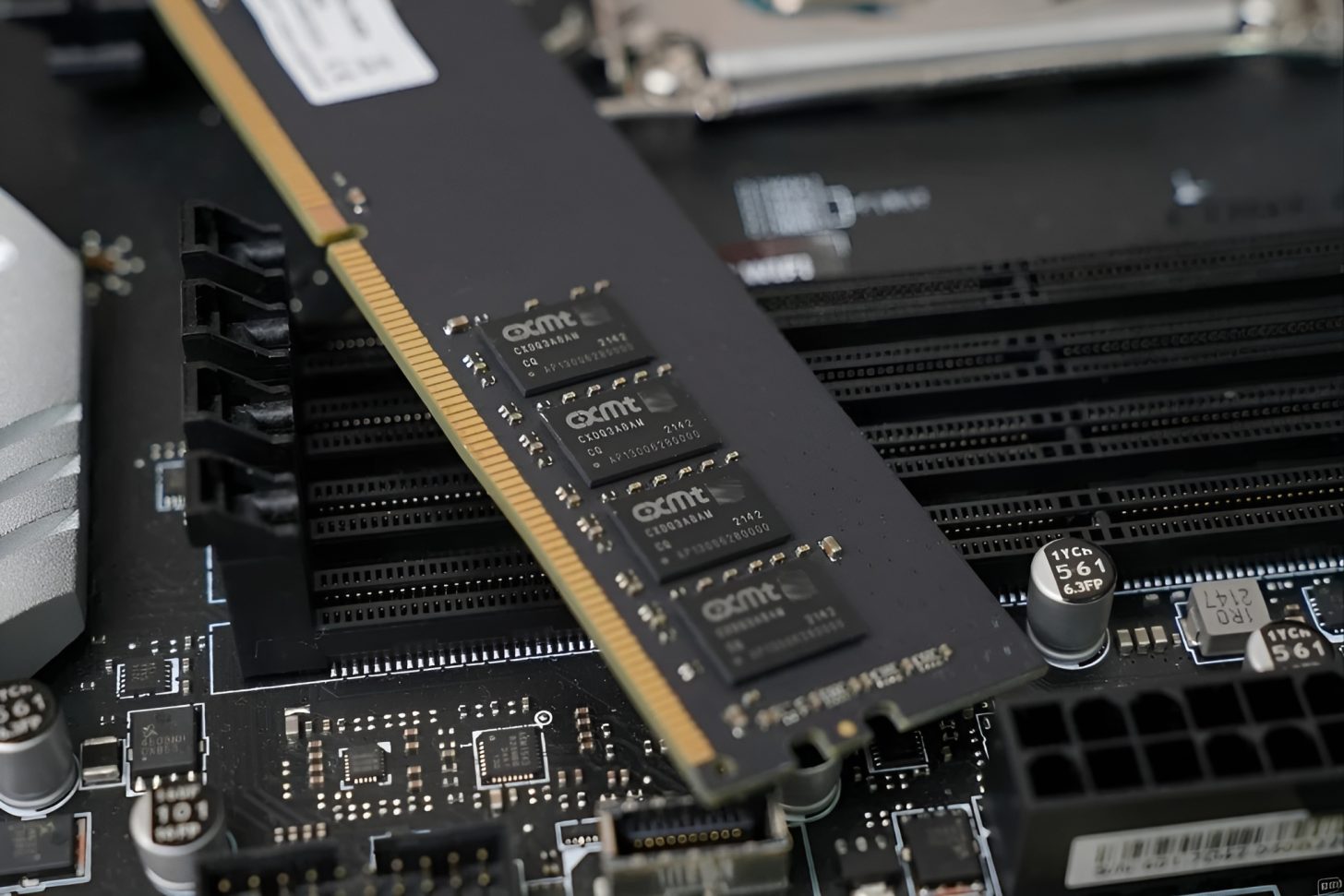
Has the thrill of building a new PC, or upgrading an existing one, been irrevocably tainted by the creeping suspicion that what you’re buying might not be entirely… real? It’s a question no enthusiast ever wanted to ask, but with memory prices continuing their ascent, the PC DIY and retail sectors are now confronting a particularly insidious threat: counterfeit DDR5 memory modules. These aren’t just slightly underperforming sticks; we’re talking about modules packed with plastic chips and adorned with disingenuous labels, masquerading as legitimate hardware.
Asian markets, a frequent nexus for both innovation and, unfortunately, shadow commerce, are the primary sighting grounds. Retailers, both online and brick-and-mortar, are reportedly stocking these fakes. At a glance, they might pass muster for the average consumer, presenting a familiar form factor. But peel back the marketing veneer — or, more accurately, peer closely at the silicon — and the deception becomes apparent. We’re not just seeing mislabeled DIMMs; some are equipped with what amounts to little more than plastic blanks, devoid of actual DRAM functionality, and others feature power circuitry that’s, charitably, a mess.
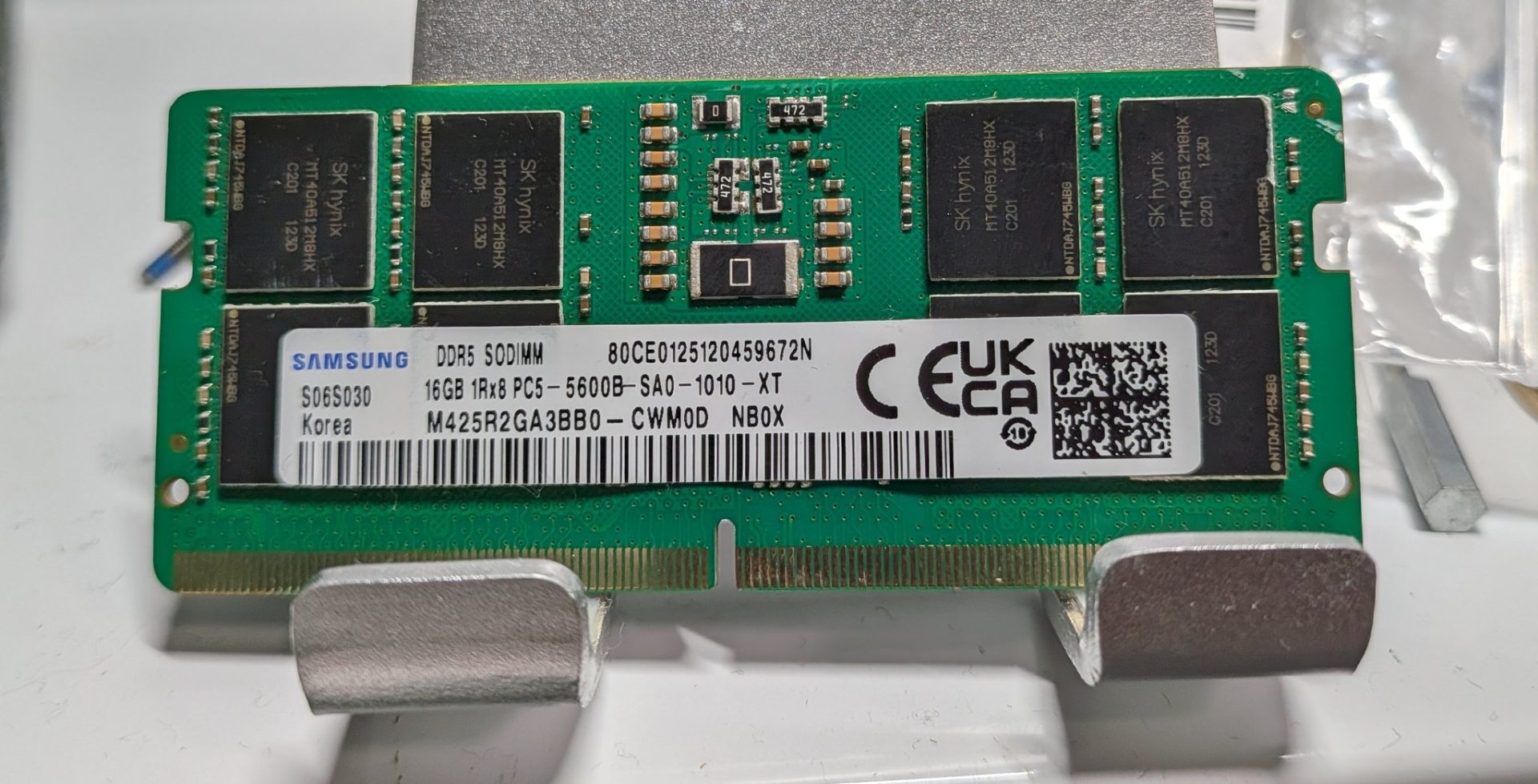
One particularly stark example emerged from a Japanese user on X, detailing a supposed 16GB DDR5 SO-DIMM from Samsung. The reality? A module that looked “off” from the jump. The contact fingers, those crucial gold traces that interface with the motherboard, displayed unusual characteristics – rounded edges, a distinct lack of precision. And the deception compounded: the actual memory chips bore the SK Hynix branding, not the Samsung label plastered on the sticker. This isn’t subtle fakery; it’s a blatant attempt to pass off inferior or non-existent components as premium hardware.
And here’s the kicker: for the seasoned builder, spotting these fakes can still be a challenge. For the casual buyer, it’s practically a guessing game. Desktop RAM often sports heatsinks, a cosmetic and functional addition designed to dissipate heat. But that very shroud, meant to enhance performance and aesthetics, effectively becomes a cloak for deception. You won’t know you’ve been had until the system refuses to POST, leaving you with no signal and a sinking feeling.
The Broader Ecosystem of Deception
This isn’t an isolated incident confined to RAM. We’ve seen this play out before with graphics cards and processors. The current hardware landscape, marked by elevated component prices and persistent supply chain anxieties, creates a fertile ground for such scams. Scalpers, notorious for buying up available stock and reselling it at inflated rates, are one layer of this problem. But then there are the more brazen operators, those who source discarded or faulty PCBs from less regulated markets, slap on counterfeit chips and labels, and push them out as fully functional units. The original article even hints at a disturbing secondary market for some of these components, repurposed by AI firms for server applications. We’ve seen fake Ryzen CPUs surface; now, memory joins the ignominious list.
The advice is simple, though the execution requires diligence: scrutinize sellers. Dive deep into their history, check reviews, examine previous listings. Trust is a commodity increasingly in short supply when it comes to PC hardware, and when memory prices are this volatile, the temptation to cut corners—or prey on those who are—becomes immense.
Why Does This Matter Beyond a Few Bad Actors?
This trend signals a worrying architectural shift in how hardware is being counterfeited. It’s moving beyond cosmetic alterations or minor component substitutions to outright fabrications. The motivation is clear: profit margins are astronomical when you’re selling plastic for silicon. It erodes consumer trust, devalues legitimate manufacturers, and, at its worst, could introduce unstable or even dangerous components into user systems. Imagine a fake power delivery circuit on a RAM module – not ideal for motherboard longevity, or anything else connected to it.
The current market dynamics, where demand outstrips supply and prices are seemingly recalibrated upwards with alarming regularity, are the perfect storm for this kind of illicit activity. It’s a stark reminder that as technology advances, so too do the methods of those looking to exploit its complexities for personal gain.
We have already seen fake GPUs and CPUs being sold online. Prices are high for every single component that goes into DIY and OEM PCs. Scalpers are already taking advantage of the situation by hoarding these components and selling them at even higher rates.
Ultimately, vigilance is the only defense. For the sake of the DIY community and the integrity of the PC hardware market, this is a battle that needs continuous attention, both from consumers and, one hopes, from regulatory bodies and platform providers who can help stem the tide of these deceptive products.
🧬 Related Insights
- Read more: Nvidia’s 2026 AI Roadmap: Who’s Left Holding the Bag?
- Read more: FEM Unlocks Transformer’s Hidden Chaos
Frequently Asked Questions
What does fake DDR5 RAM actually do? Fake DDR5 RAM often contains plastic chips or non-functional silicon instead of actual DRAM. It can range from completely non-operational to causing system instability and potential damage.