Nan Pao’s Material Ambitions
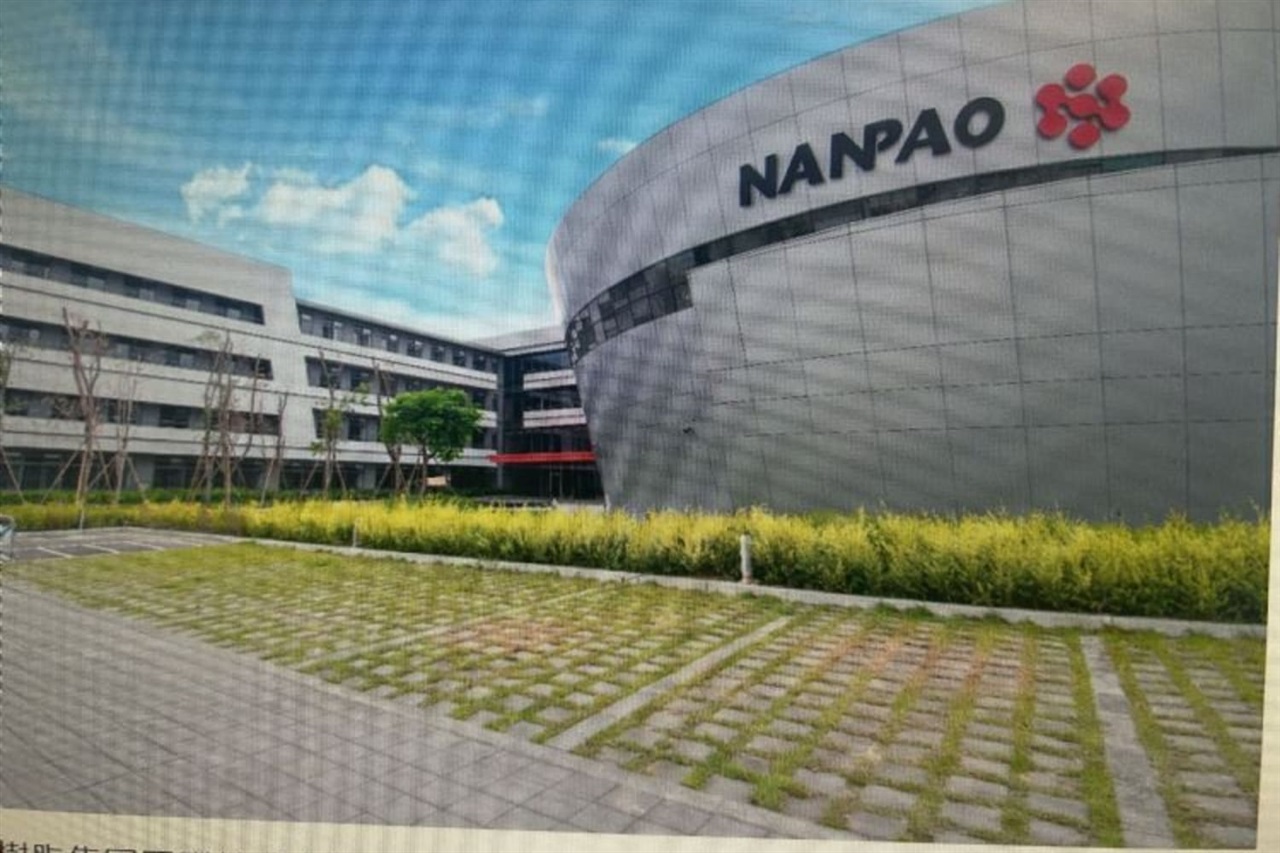
Nan Pao Resins Chemical Group has a shiny new record for April revenue: NT$2.285 billion, up 15%. For the year so far, they’re sitting pretty at NT$8.122 billion. That’s a 7.7% bump. Numbers. Good numbers. But what’s really behind the shine? The company is laser-focused on semiconductor specialty materials. A move that’s as predictable as a Fab’s cleanroom air filter change, and just as necessary if they want to play in the big leagues.
This isn’t some bolt out of the blue. For years, the chip industry has been gobbling up materials like a ravenous beast. Wafers, chemicals, gases – it’s a constant churn. Nan Pao’s shift isn’t just opportunistic; it’s a strategic dive into a market that’s less about manufacturing sheer volume and more about precision engineering and proprietary formulations. They’re eyeing the higher-margin, high-tech segment. Think less commodity, more bespoke. It’s a gamble, sure, but one that aligns with the broader industry’s move towards specialization.
Is This Just More Corporate Spin?
Let’s be honest, every company likes to talk about “specialty materials.” It sounds sophisticated. It sounds profitable. But for Nan Pao, this seems to be more than just a buzzword. Their investment in R&D and specific product lines aimed at chip fabrication suggests a genuine commitment. The question is whether their existing infrastructure and expertise can truly translate into the stringent quality and purity demands of semiconductor manufacturing. It’s one thing to make resin for furniture; it’s another to make it for a nanometer-scale transistor. The stakes are considerably higher.
Consider the history. Companies that successfully pivot into semiconductor materials often do so by either acquiring deep expertise or by having a foundational understanding of complex chemistry. It’s not a jump you make lightly. Nan Pao’s revenue growth is a good sign, but it’s a lagging indicator. The real test will be in their ability to innovate and consistently deliver materials that meet the exacting standards of foundries and chip designers. If they can manage that, their record April revenue might just be the opening act.
April revenue rose 15.0% year on year to NT$2.285 billion (US$72.77 million), a record for the month, while cumulative revenue for January to April 2026 reached NT$8.122 billion, up 7.7% from the same period in 2025.
What’s the play here? It’s about diversifying revenue streams and capturing a larger share of the semiconductor value chain. Instead of just supplying general chemicals, they’re aiming for the critical components that go into making the actual chips. This is where the real money is, and where the barriers to entry are also significant. It demands a level of technical proficiency that sets it apart from more generalized chemical manufacturing. Nan Pao is signaling it’s ready for that challenge.
It’s a tough market. Giants like Dow, BASF, and Merck KGaA already dominate. Nan Pao isn’t going to dethrone them overnight. But they can carve out a niche. Their existing customer base in industrial coatings and resins might offer a bridge, providing insights into material performance and client relationships. However, semiconductor clients demand a whole different level of engagement – rigorous qualification processes, long lead times, and absolute reliability. It’s a marathon, not a sprint, and April’s revenue is just the first mile marker.
Why Does This Matter for the Chip Supply Chain?
More players in the semiconductor materials space are generally a good thing for the overall supply chain resilience. While Nan Pao is a smaller entity compared to the established behemoths, any diversification reduces dependence on a few key suppliers. This is especially important in a geopolitical climate where supply chain security is paramount. If Nan Pao can successfully establish itself as a reliable provider of specific specialty materials, it could contribute to a more strong and perhaps even more cost-effective ecosystem. The industry needs suppliers who can adapt and innovate, and Nan Pao’s pivot suggests they’re trying to be one of them.
Ultimately, this is about Nan Pao trying to climb the value ladder. Moving from general industrial chemicals to high-purity, high-performance materials for semiconductors is a significant undertaking. Their record April revenue is a positive signal, but the real story will unfold in their ability to execute on their specialty materials strategy. It’s a space with immense potential, but also one that doesn’t suffer fools gladly. We’ll be watching.