Arm's $1T TAM Gambit: A Swiss Identity Crisis?
Arm's ambition to capture a $1 trillion total addressable market means it's no longer just a neutral IP provider. The implications for its customers, and the rise of RISC-V, are seismic.
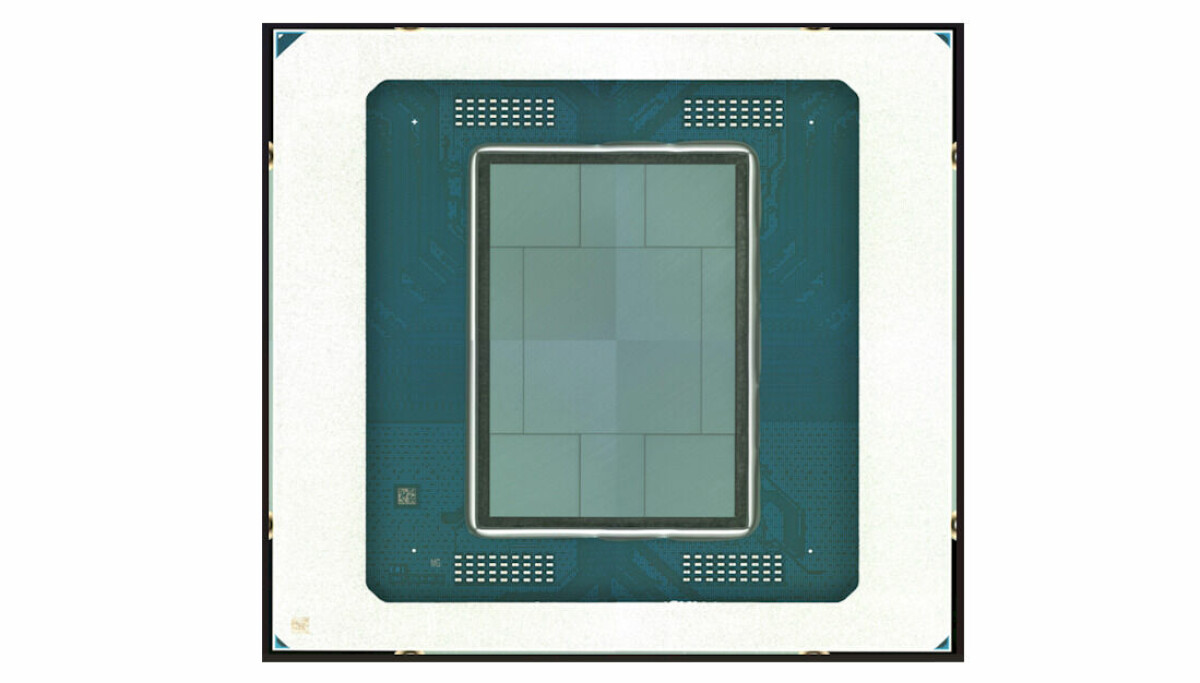
The world's thirst for LLM tokens is insatiable, and traditional GPU serving is hitting a wall. Groq's new paper rips open their black box, revealing a clever — and potentially seismic — shift away from reliance on HBM.
Arm's ambition to capture a $1 trillion total addressable market means it's no longer just a neutral IP provider. The implications for its customers, and the rise of RISC-V, are seismic.
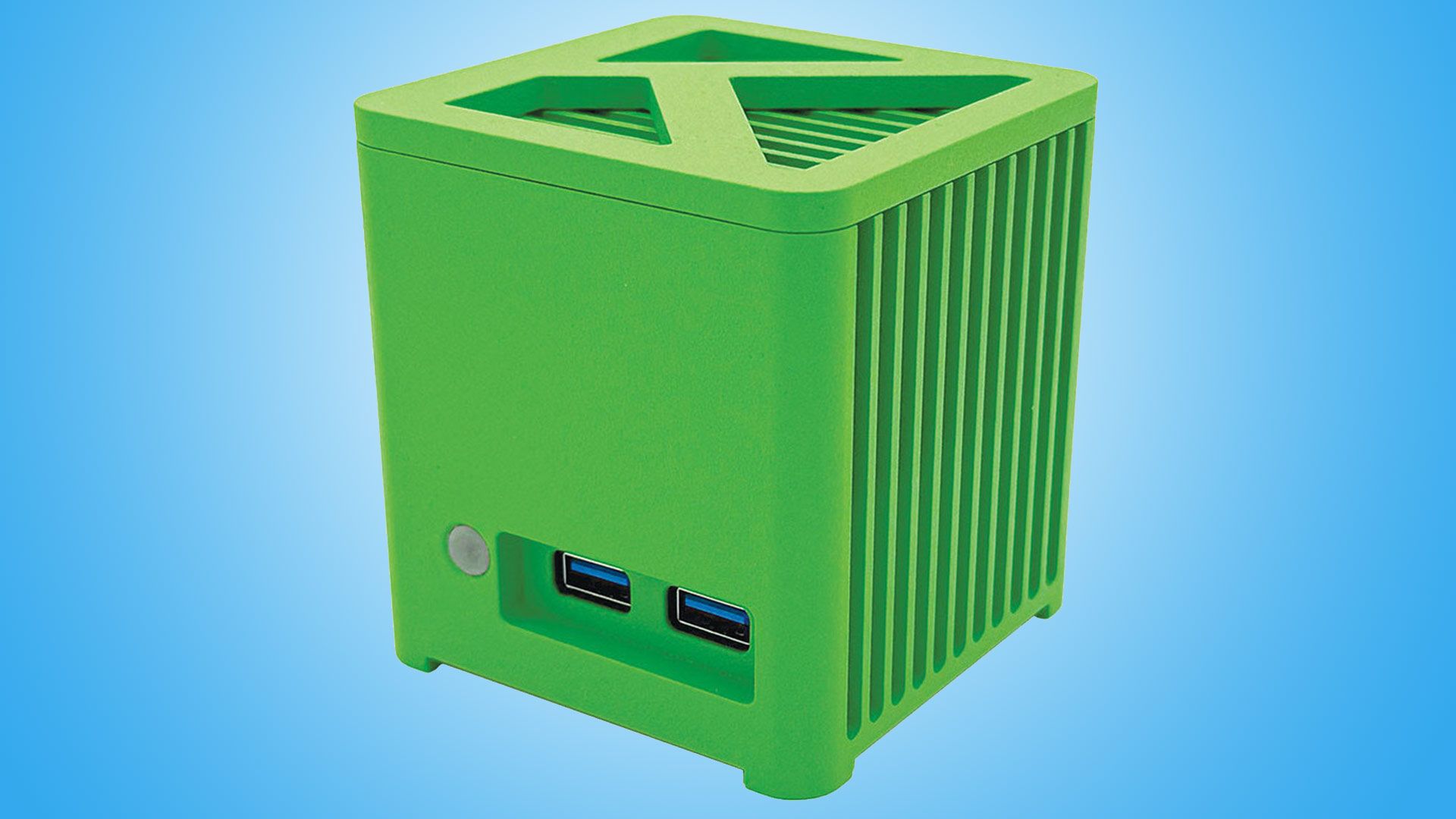
The silent PC market just got a lot louder – visually, at least. Kubb's new Mini PCs, powered by Intel's Twin Lake chips, arrive in a rainbow of hues, challenging the drab aesthetic of passive cooling.
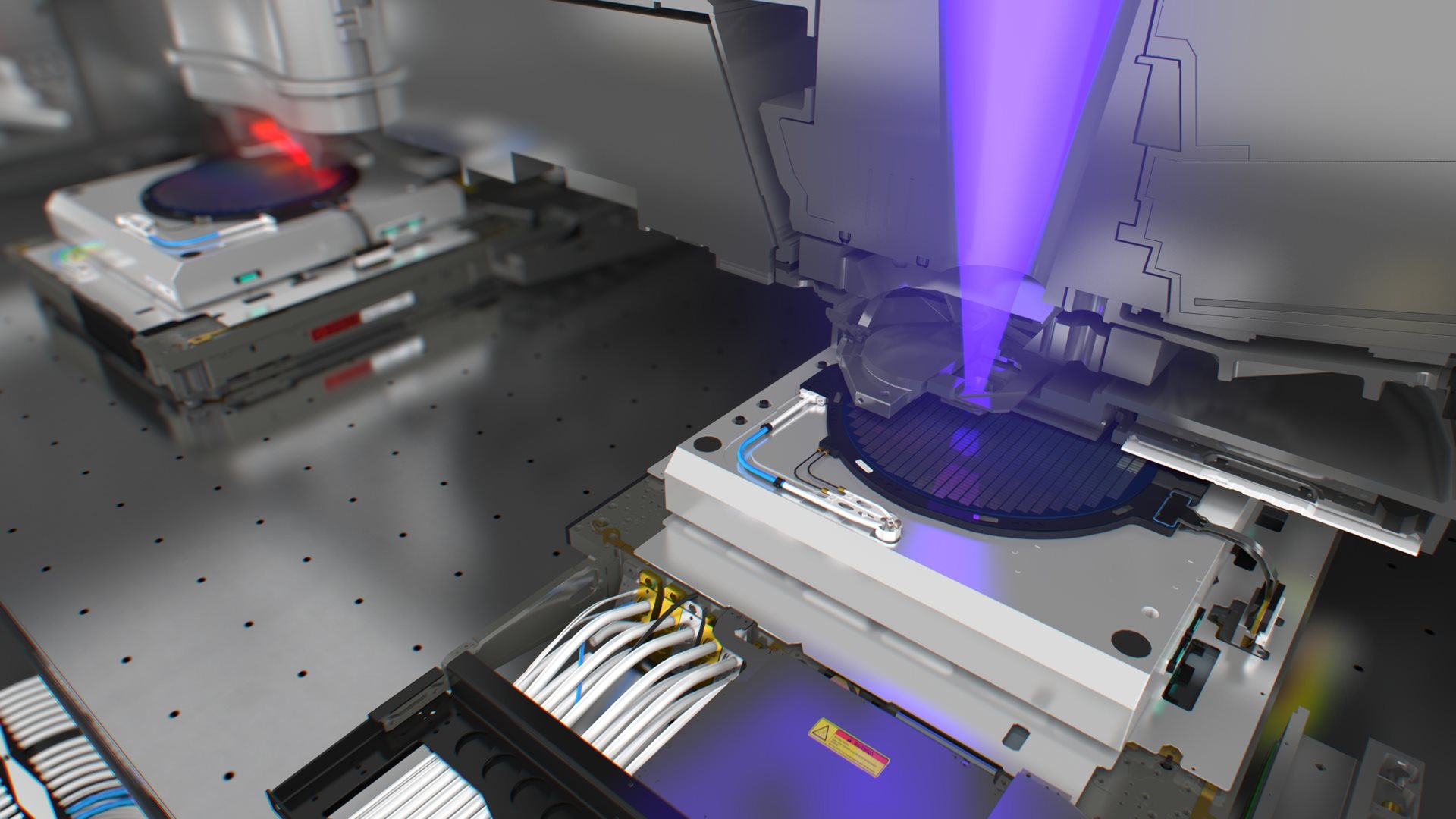
Is China's semiconductor ascent about to hit a brick wall? New US legislation aims to sever its lifeline to critical ASML equipment, potentially reshaping the global chip landscape.
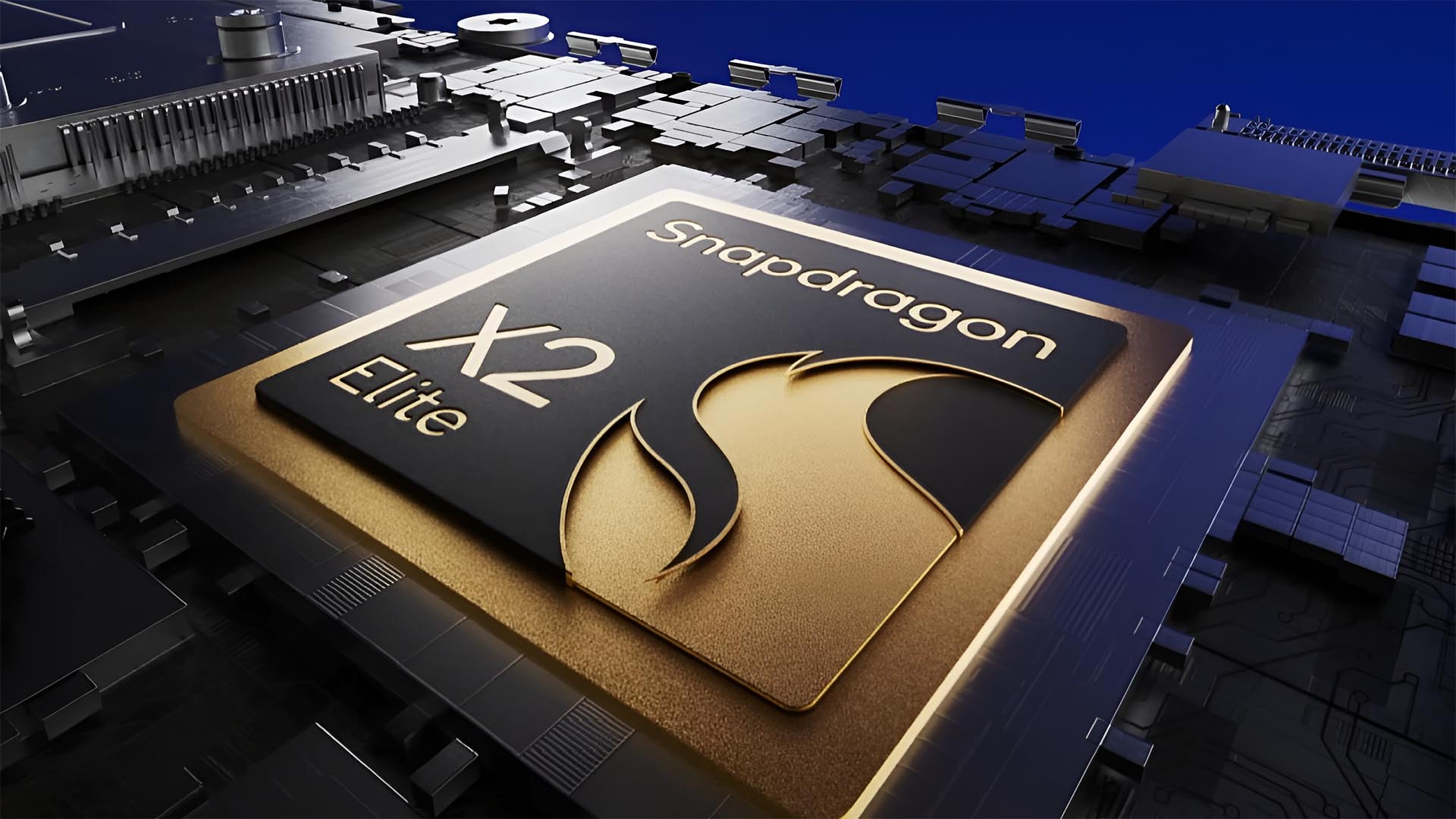
The silicon is ready, the apps are trickling in, but the laptops running Qualcomm's new Snapdragon X Elite are hitting the market with a price tag that could choke an ecosystem before it truly breathes.
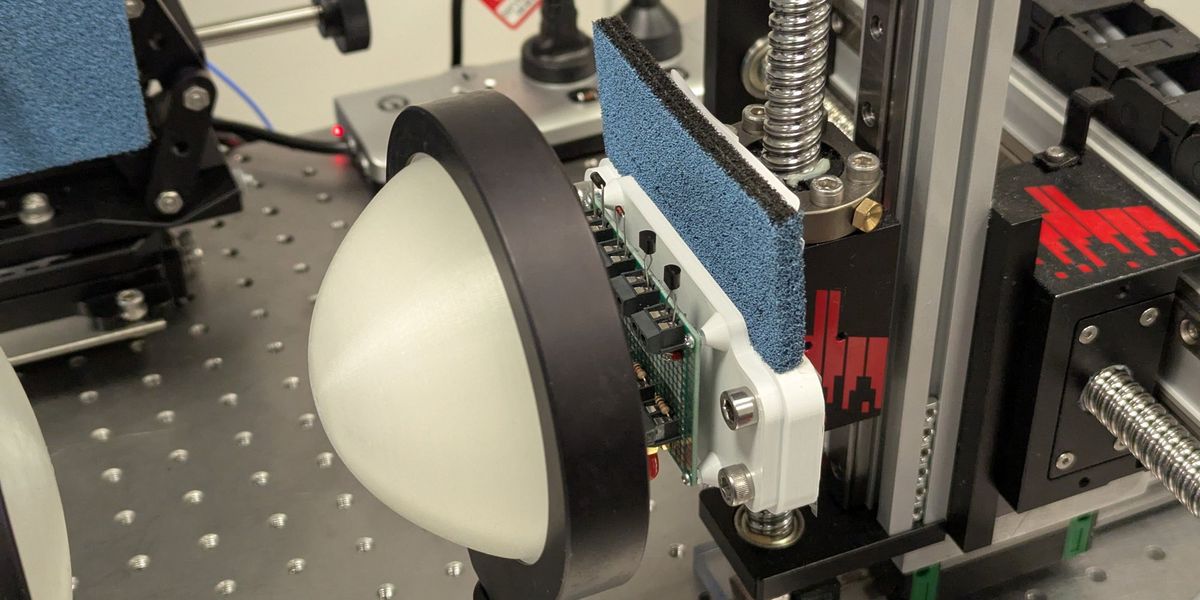
What if you could watch a chip's inner workings, its transistors firing away, without so much as touching it? Scientists at Adelaide University are claiming just that, using terahertz waves to peer inside silicon.
Struggling with stutters on your 8GB GPU? Valve's Natalie Vock just fixed Linux's dumb VRAM sharing, forcing browsers to the sidelines so games hog the fast memory they deserve.
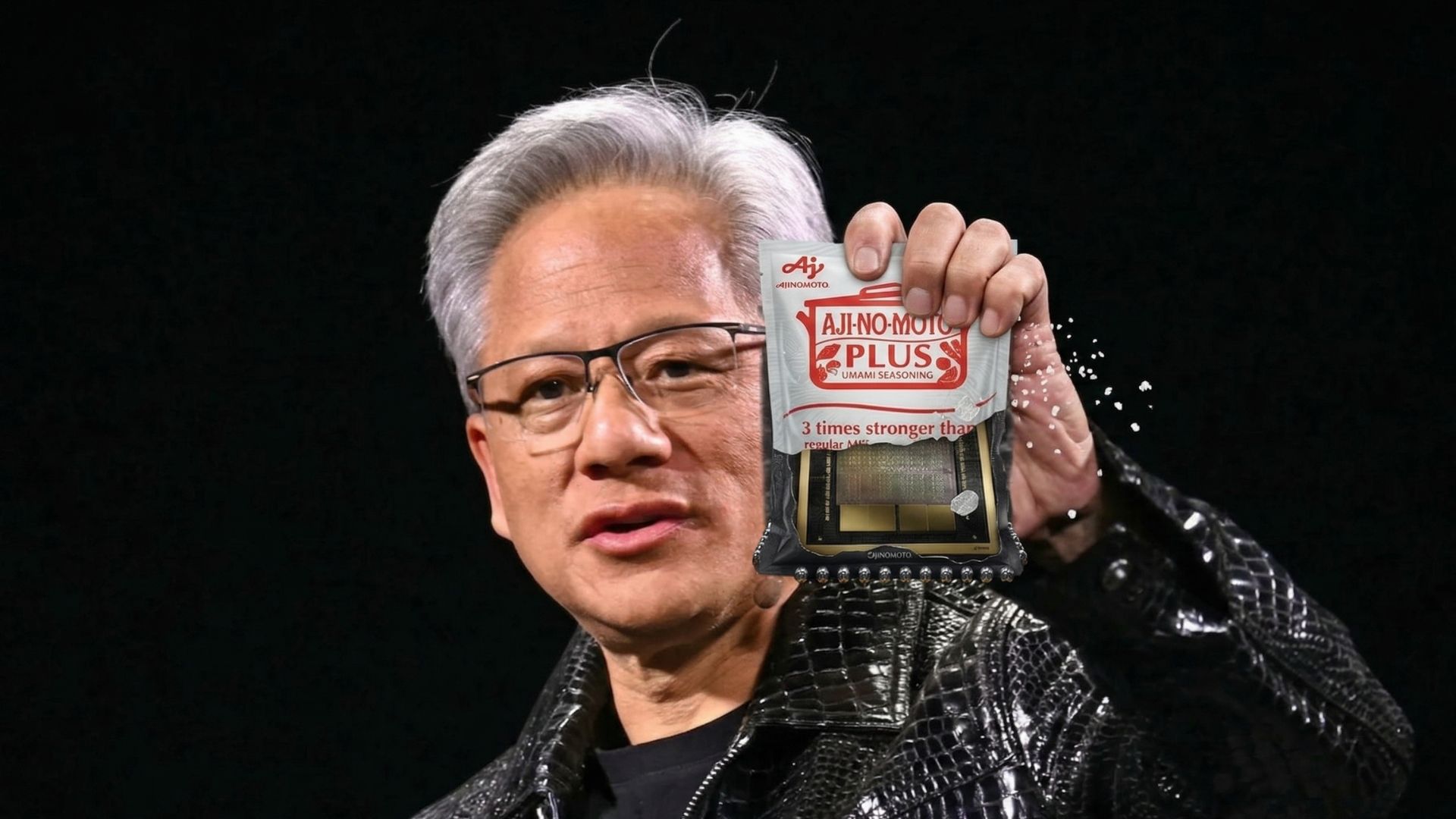
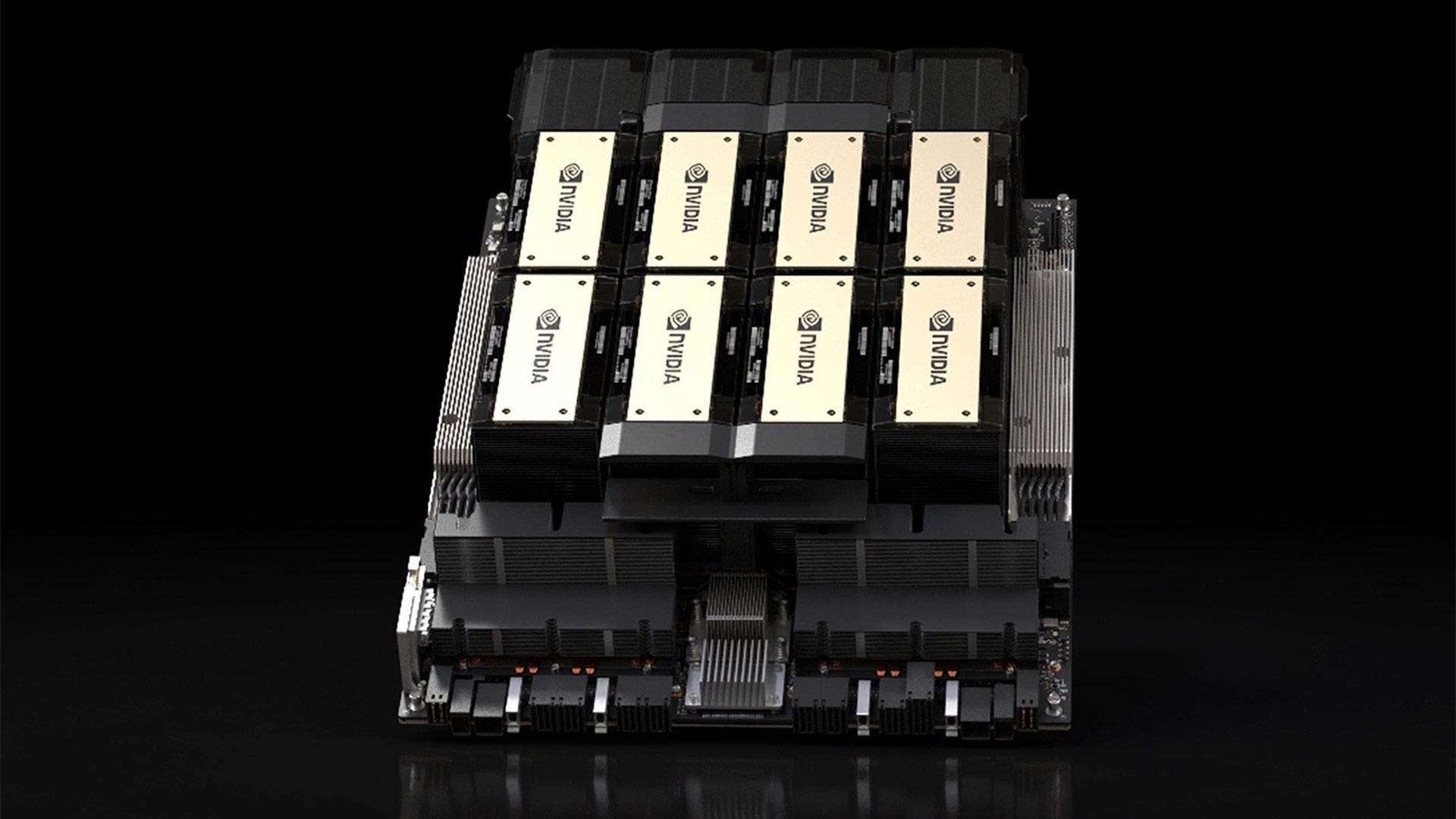
NVIDIA's Blackwell chips guzzle 15-18 times more ABF substrate than older GPUs. The catch? A Japanese food seasoning company holds the keys—and it's running dry.
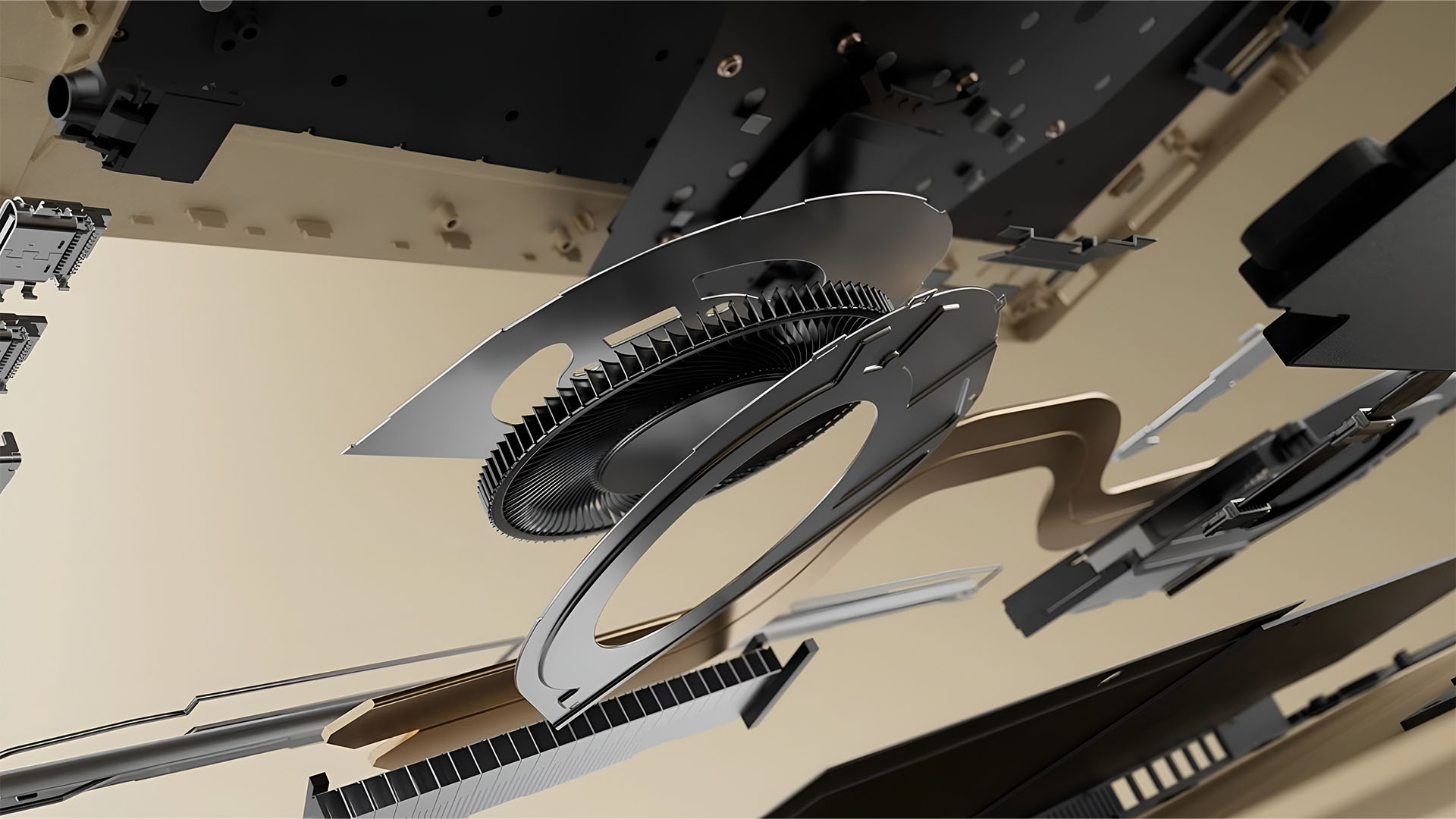
Everyone figured Apple's M5 chips would dominate laptops with effortless efficiency. But ASUS's Zenbook A16, powered by Snapdragon X2 Elite Extreme, flips the script with superior cooling that delivers real sustained performance—exposing Apple's thermal shortcomings.
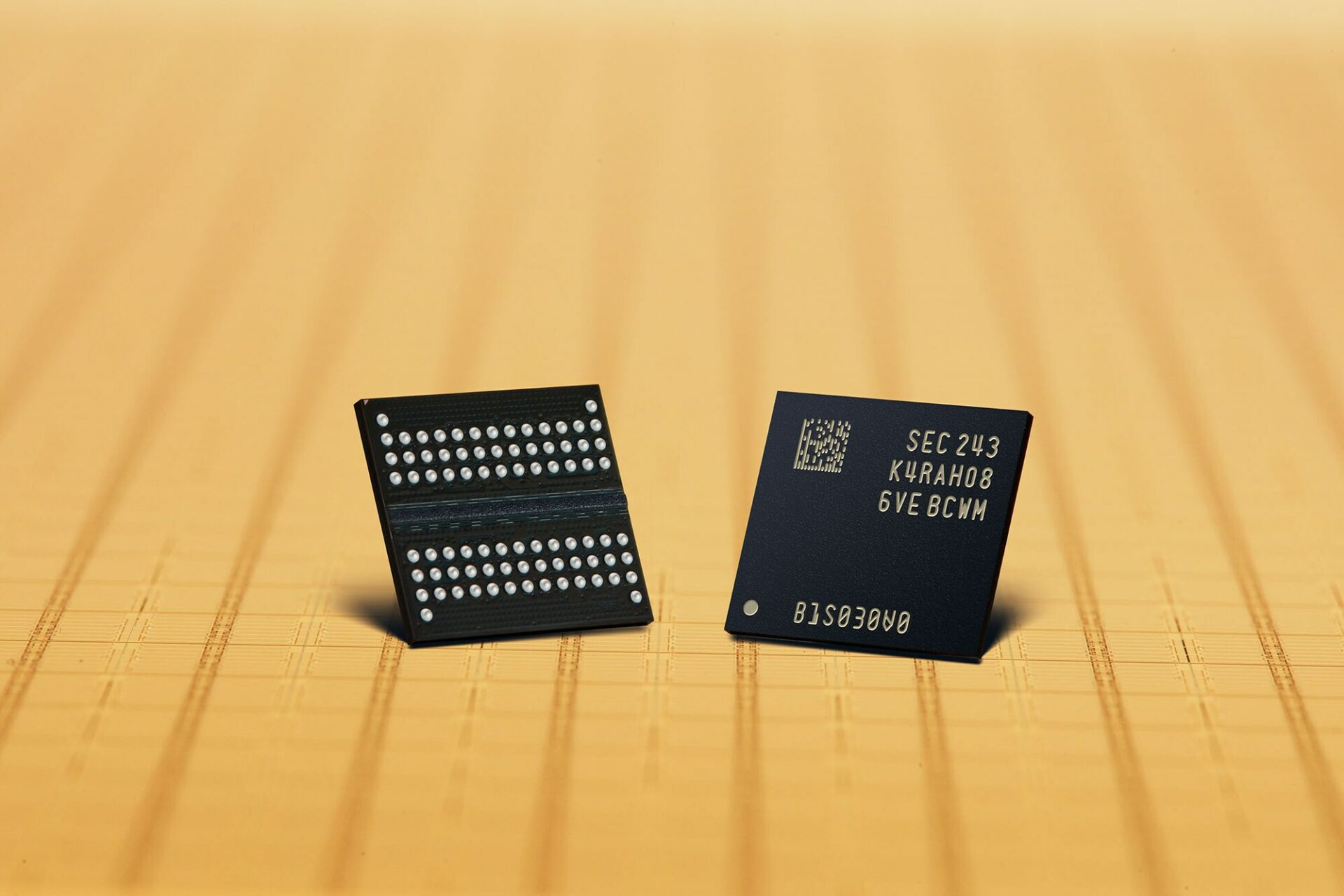
Your AI-powered phone, cloud storage, data center dreams—they all hinge on memory chips. Samsung's DRAM unit just posted $37 billion in Q1 revenue, eclipsing Amazon and Microsoft's operating profits.
DRAM now eats 35% of an entry-level phone's bill of materials. Qualcomm's move with China's CXMT could ease the pain—or ignite bigger risks.
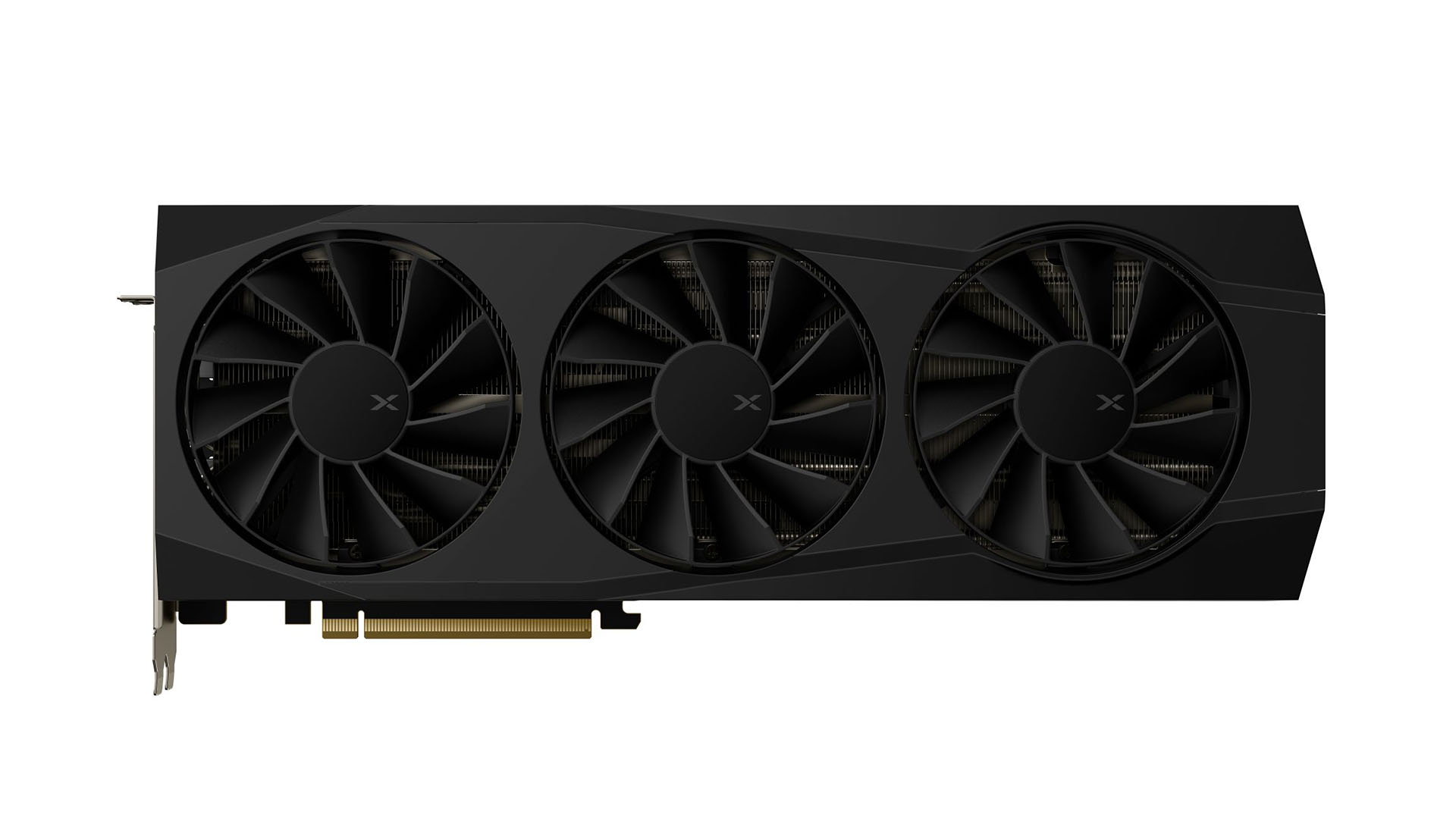
AMD's RX 9070 XT just got a $110 haircut on Amazon, landing at $720. But is this the GPU steal that buries NVIDIA's overpriced Ti models, or just temporary bait?
Invoice leaks reveal Sharetronic snapping up nearly 300 servers packed with banned Nvidia AI chips for $92 million. Shares tank 20% amid Super Micro smuggling bust—signaling Washington's export controls are cracking under pressure.