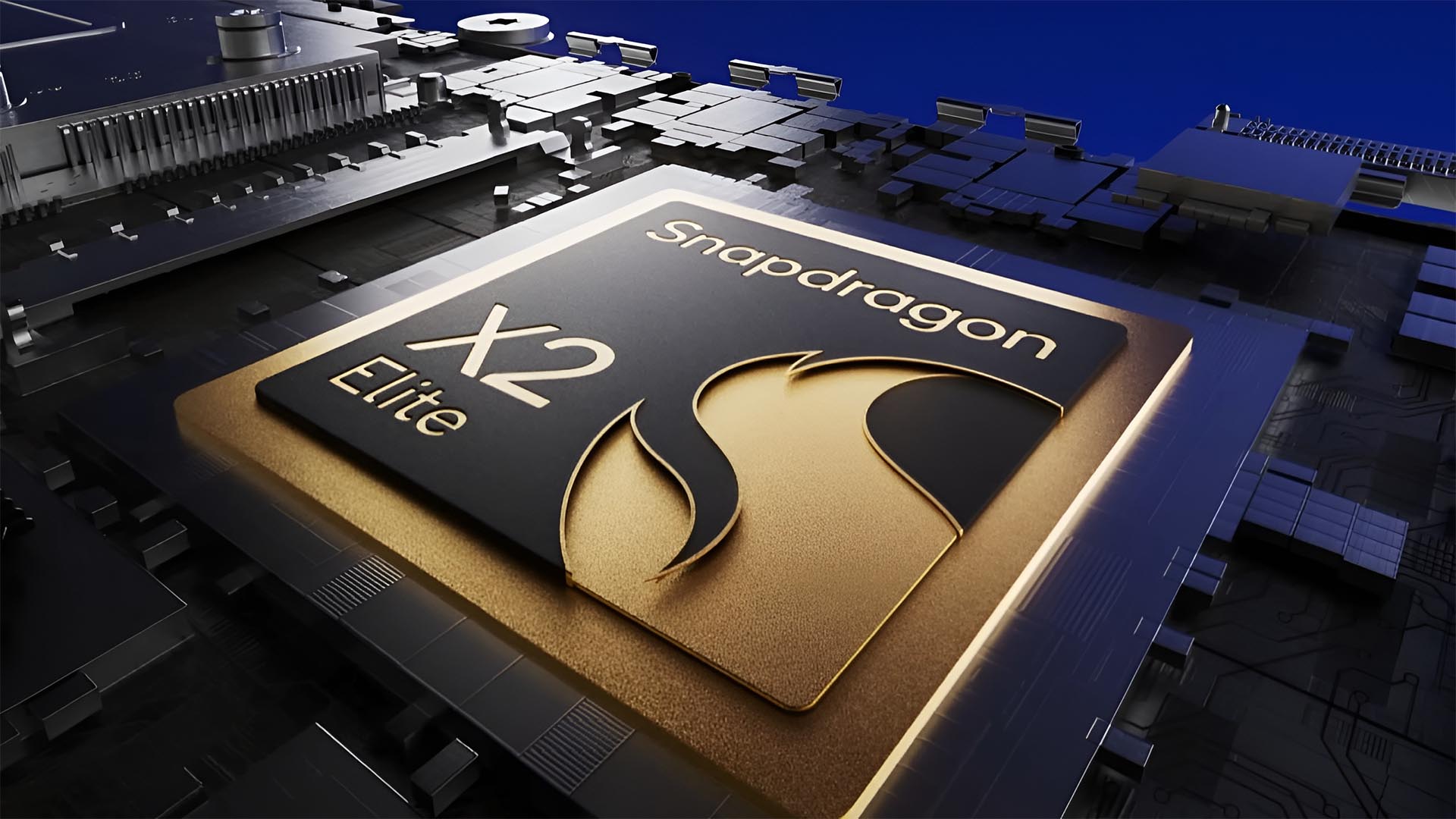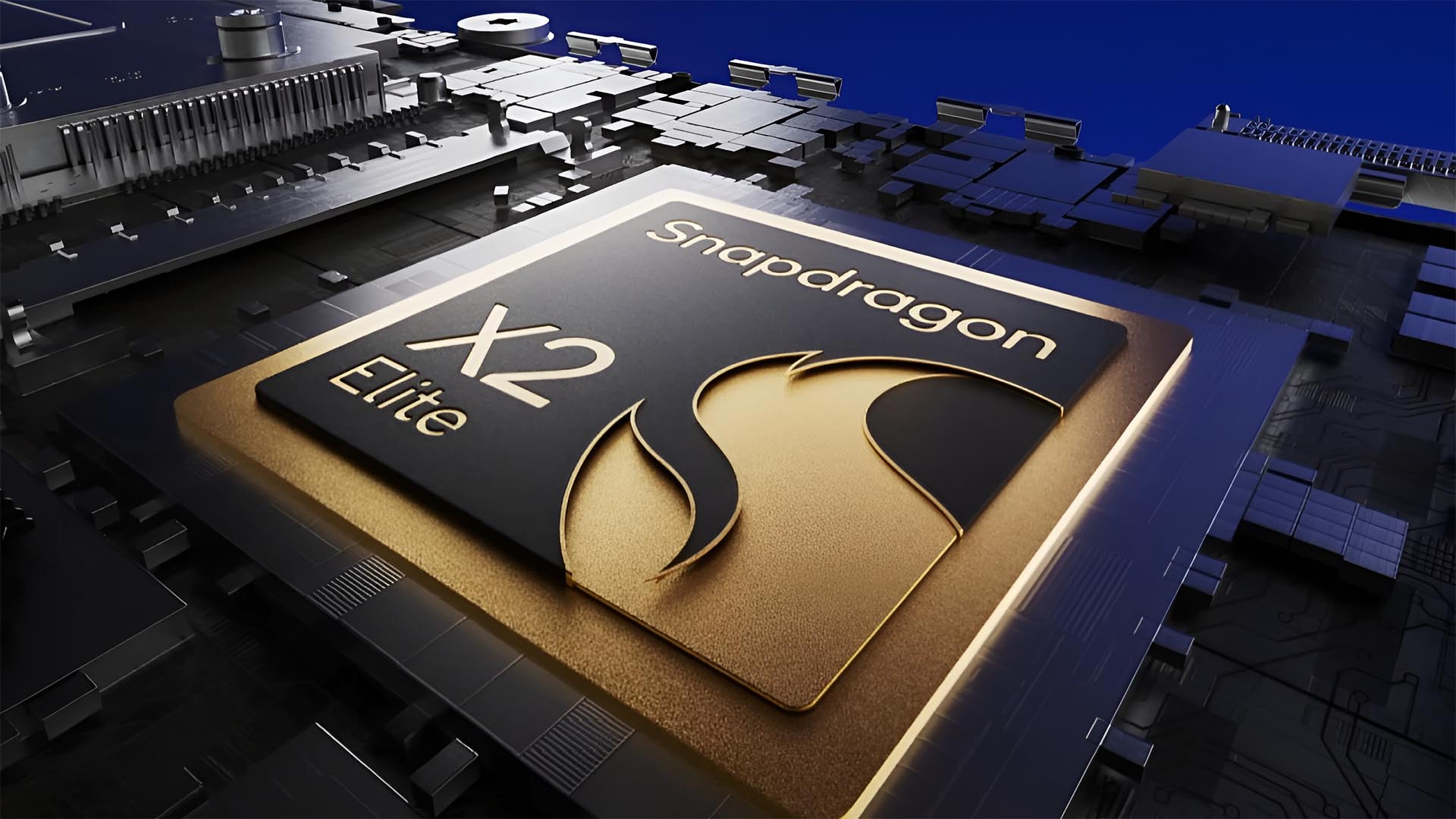
Let’s talk about a number: $1,599.99. That’s the entry point for ASUS’s Zenbook A16, a machine ostensibly built to usher in a new era for Windows on ARM, powered by the much-hyped Snapdragon X Elite. And then, almost immediately after reviews dropped praising its value, ASUS slapped on an extra $100. It’s a move that encapsulates the fundamental, almost maddening, strategic misstep plaguing Qualcomm’s ambitious push. This isn’t just about one SKU; it’s a signal flare for the entire Windows on ARM ecosystem, flashing a warning sign straight to developers.
Here’s the thing: the Snapdragon X Elite itself is a legitimately impressive piece of silicon. For the first time in a long time, Qualcomm has a chip that doesn’t just compete with Apple’s M-series silicon or even the x86 giants—it challenges them on their own turf. Native app support on Windows has seen a renaissance, a critical factor that finally gives developers a real reason to care. They’re seeing a decent footing, a place to invest their precious time and resources. The technical foundation for a thriving Windows on ARM platform? It’s arguably there.
The OEM Premium Trap
But then we see this $1,600-plus pricing strategy. It’s baffling. Notebook manufacturers, instead of embracing this nascent ecosystem with open arms and accessible entry points, are treating these devices like luxury goods. They’re targeting short-term profit margins, essentially asking early adopters and developers to foot the bill for an unproven future. This isn’t how you build an ecosystem; it’s how you starve one at birth.
Redditors, bless their digital hearts, are the ones sounding the alarm. User Large_Bear_6962 articulates the frustration: “Notebook manufacturers who price their machines out of reach for the majority of buyers are ultimately creating a difficult barrier to entry.” It’s a cold, hard truth. If users can’t afford these machines, developers won’t see the user adoption necessary to justify the optimization work.
Developers are less likely to invest their time and effort in an architecture if user adoption is limited.
This cyclical problem is as old as computing itself. New architectures need broad adoption to attract developer interest, and broad adoption requires accessible hardware. When you price the hardware out of reach, you kill the cycle before it even begins.
Qualcomm’s Share of the Blame
It’s too easy to point the finger solely at the OEMs. Qualcomm, it appears, isn’t exactly subsidizing the dream. Rumors suggest the company charges a pretty penny for its cutting-edge chipsets. And with Qualcomm being the sole provider for Windows on ARM laptops, they’ve got a captive audience—one they seem to be exploiting with hefty premiums instead of strategic price cuts to actually undercut the competition. Why would an OEM price aggressively low if their primary cost component is already stratospheric? It creates a cascade of high prices.
Furthermore, whispers persist about Qualcomm not pushing its partners hard enough for timely software updates. This leads to buggy experiences, a tarnished user perception, and yet another nail in the coffin for widespread adoption. A powerful chip means little if the software experience is a frustrating mess.
The Apple Comparison We Can’t Ignore
This entire situation screams missed opportunity, especially when juxtaposed with Apple’s own journey. We’re seeing Snapdragon X Elite Extreme notebooks priced at parity, or even higher, than Apple’s M5 and M5 Pro options. Imagine being a consumer: you’re staring down a similarly priced Windows on ARM laptop and a MacBook. The MacBook already boasts a mature, strong software ecosystem and years of proven performance. Which do you choose? For most, the answer is obvious, and it’s not the shiny new Windows device.
The critical missing piece isn’t raw processing power or even decent app support; it’s a coherent, long-term strategy that prioritizes ecosystem growth over immediate profit. It requires a symbiotic relationship between Qualcomm and its OEM partners, a unified front dedicated to making Windows on ARM a compelling, affordable choice. Right now, it looks more like a disjointed scramble for the quickest buck, and that’s a gamble Windows on ARM likely can’t afford to lose.
🧬 Related Insights
- Read more: NVIDIA’s Slurm-Kubernetes Hack Powers 8,000-GPU AI Beasts
- Read more: Broadcom’s Tomahawk 6: 102.4 Tbps Beast Ships — But Who’s Really Cashing In?
Frequently Asked Questions
What does the Snapdragon X Elite actually do for Windows laptops?
It’s a powerful ARM-based processor designed to offer performance competitive with Apple’s M-series chips and traditional Intel/AMD CPUs, while also improving power efficiency for longer battery life on Windows laptops. It aims to enable a new generation of thinner, lighter, and more capable ARM devices for the Windows ecosystem.
Will these new Windows on ARM laptops replace my current PC?
Potentially, yes. If you’re looking for a device with excellent battery life, good performance for everyday tasks and increasingly supported applications, and a thin, light form factor, a Snapdragon X Elite laptop could be a viable replacement. However, compatibility with older or niche software still running on x86 architectures might be a consideration.
Why are Windows on ARM laptops so expensive?