Picture this: the tech world buzzing with Apple hype, M5 MacBooks poised as untouchable efficiency kings, their fans (or lack thereof) a badge of silicon superiority. We’d all bought the story—Arm chips so clever they barely break a sweat. Then bam, ASUS drops the Zenbook A16 with Snapdragon X2 Elite Extreme, and suddenly it’s clear: cooling isn’t a footnote, it’s the make-or-break for sustained performance.
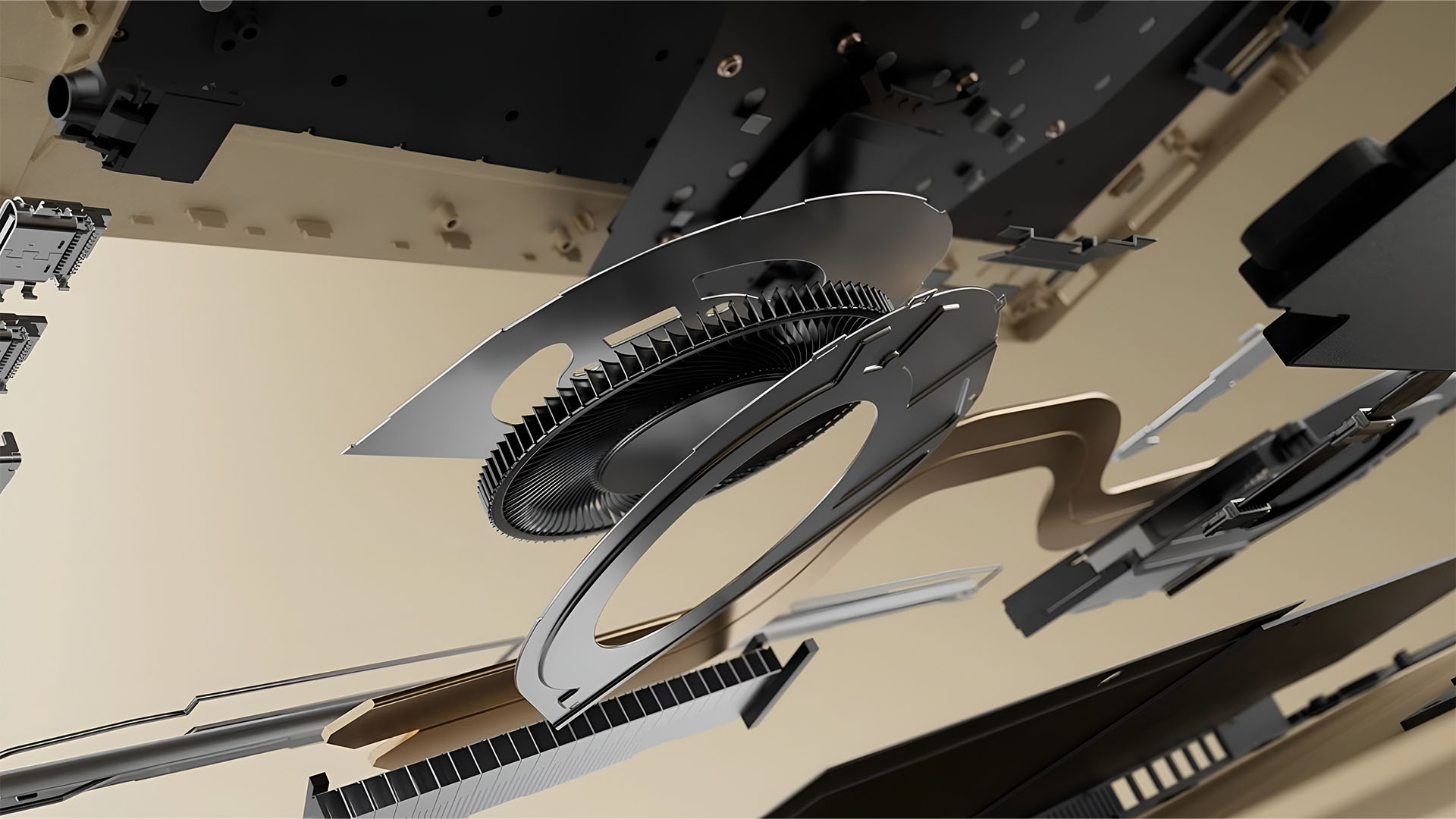
This isn’t just another laptop teardown. It’s a manifesto on why premium silicon demands premium chill. Notebookcheck cracked open the Zenbook, revealing a dual-heatpipe, dual-fan beast that keeps the Snapdragon roaring without throttling into oblivion. Apple? Their base M5 MacBook Pro limps along with one puny fan. One.
“Notebooks shipping with elaborate cooling solutions is exactly the path manufacturers should take so customers actually obtain the performance that they’ve paid a premium for.”
That’s the raw truth from the original scoop—customers shell out top dollar, only to watch heat choke their dreams.
Why Does ASUS Zenbook A16’s Cooling Crush Apple’s M5?
Look, Apple’s M5 Pro and Max get two fans, sure—but paired with a single, flat heatpipe? It’s like trying to cool a rocket engine with a desk fan. The 14-inch MacBook Pro throttles hard, leaving gigflops on the table. ASUS, facing no such tiny-chassis squeeze in their 16-incher, goes full throttle: two heatpipes snaking heat away, two fans whirring in harmony.
And here’s my unique spin—remember the PowerPC era? Apple’s early 2000s Macs choked on heat too, until Intel’s arrival forced a rethink. History rhymes: Snapdragon’s Windows-on-Arm push could jolt Apple into a thermal renaissance, just like x86 did. Bold prediction? M6 Pros will sprout extra pipes, or risk Qualcomm eating their lunch in creative workflows.
But wait—ASUS isn’t perfect. They nailed the cooling core, yet squandered space. Removable PCIe NVMe Gen 4 SSD? Genius—swap in 8TB when prices dip. Yet, peek inside: empty real estate screaming for longer heatpipes, or a beefier battery shoved lower. Weight paranoia, maybe? It’s like building a Ferrari but skimping on the tires.
Still, daily driving this Zenbook feels like future unlocked. Sustained loads—video edits, 3D renders—don’t sputter. Apple’s single-fan base model? A hot potato after 10 minutes.
Can Apple Steal These Snapdragon Cooling Tricks?
Absolutely. Cupertino’s PR spins M5 as ‘fanless magic’ (base model vibes), but that’s hype masking mediocrity. Thinner isn’t always better if it means performance cliffs. Imagine an M5 Pro with Zenbook-style dual pipes—sustained Cinebench scores rivaling desktops, battery life intact.
ASUS proves it: Snapdragon X2 Elite Extreme isn’t just hype; it’s a thermal beast demanding respect. Apple could adapt this for thinner Pros, ditching the flat-pipe folly. And that removable storage? Apple won’t go there (soldered loyalty), but cooling? Non-negotiable.
Space waste nags me, though. ASUS could’ve extended pipes into those fan-zone voids, or relocated the mobo for better flow. Constraints? Nah, 16-inch freedom begs bolder moves. It’s good—great, even—but whispers of untapped glory.
This shifts paradigms. AI’s platform leap (think on-device models churning forever) hinges on cooling. No more bursty benchmarks; we crave endurance. ASUS gets it. Apple? Take notes—or watch Snapdragon laptops redefine ‘pro’.
The enthusiast in me geeks out: vivid heatpipes like arteries in a digital heart, fans as lungs pumping cool air. It’s poetry in engineering, turning raw watts into wonder.
What If Cooling Becomes the New Chip Wars Battleground?
Forget raw transistor counts. Future laptops win on thermals. Qualcomm’s X2 Extreme, cooled right, sustains multi-threaded mayhem where Apple falters. Prediction: by 2026, Windows Armbooks outsell Macs in pro creative niches, forcing Apple’s hand.
Critique time—Apple’s ‘efficiency first’ spin ignores user pain. Premium tax for throttled dreams? No thanks.
Zenbook A16 isn’t flawless. Battery could’ve ballooned. Pipes could’ve multiplied. But it’s lightyears ahead, proving elaborate cooling delivers paid-for power.
Apple, listen up.
🧬 Related Insights
- Read more: Ajinomoto’s ABF Shortage Could Delay NVIDIA’s Next AI Chip Wave by Months
- Read more: 3D Stacking HBM on GPUs: Imec’s Thermal Wake-Up Call
Frequently Asked Questions
What makes the ASUS Zenbook A16’s cooling better than Apple M5 MacBooks?
Dual heatpipes and dual fans sustain Snapdragon X2 Elite Extreme performance; Apple’s base M5 uses one fan, causing quick throttling.
Can I upgrade storage in Zenbook A16?
Yes, removable PCIe NVMe Gen 4 SSD lets you swap for 4TB or 8TB drives.
Will Apple improve MacBook cooling like ASUS?
Likely—history shows competition forces thermal upgrades, especially as Snapdragon challenges M-series dominance.