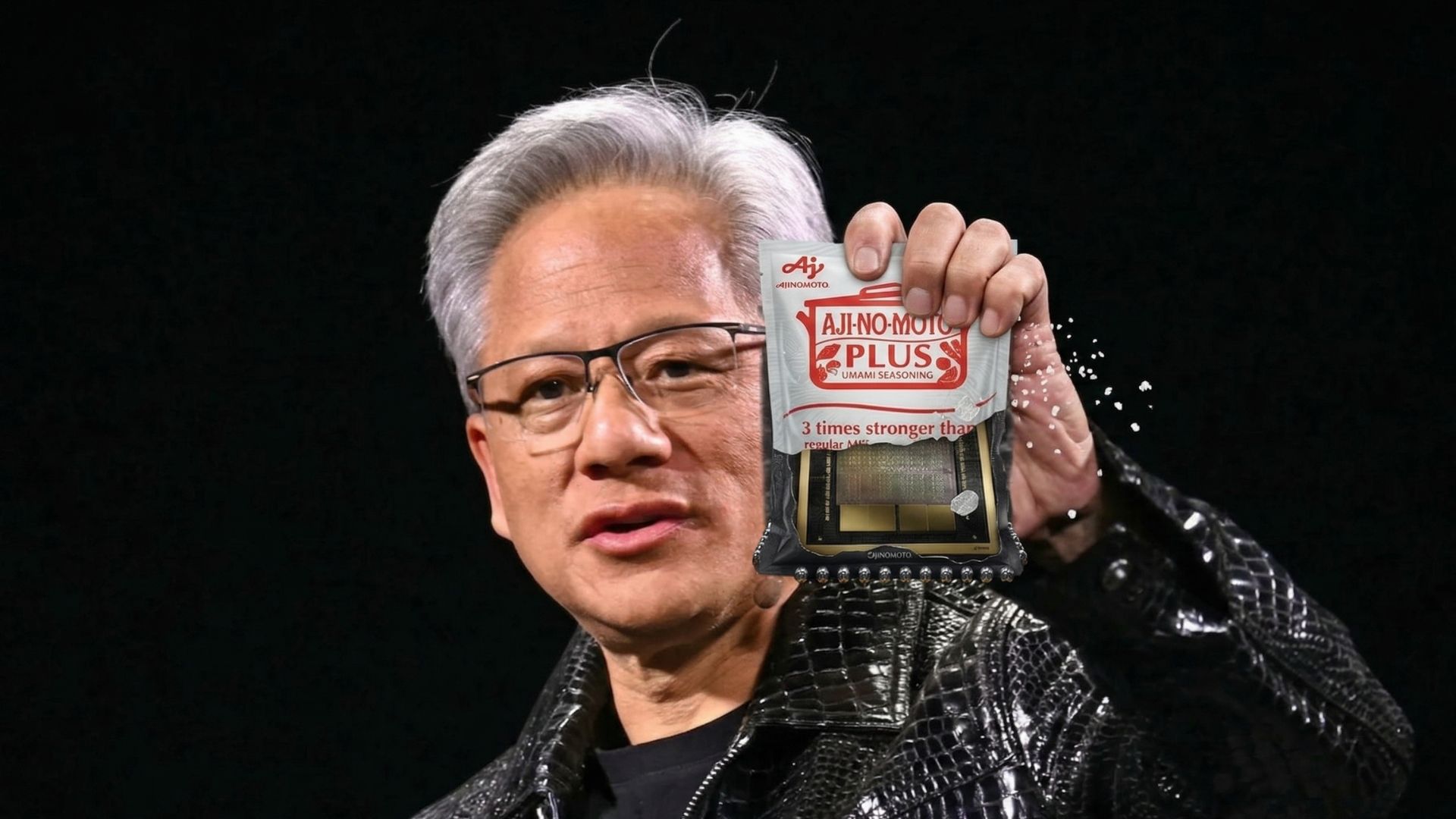
Ajinomoto Fine-Techno shipped just 1,200 tons of ABF film last year. That’s the fuel for NVIDIA’s Blackwell AI monsters—and it’s not enough.
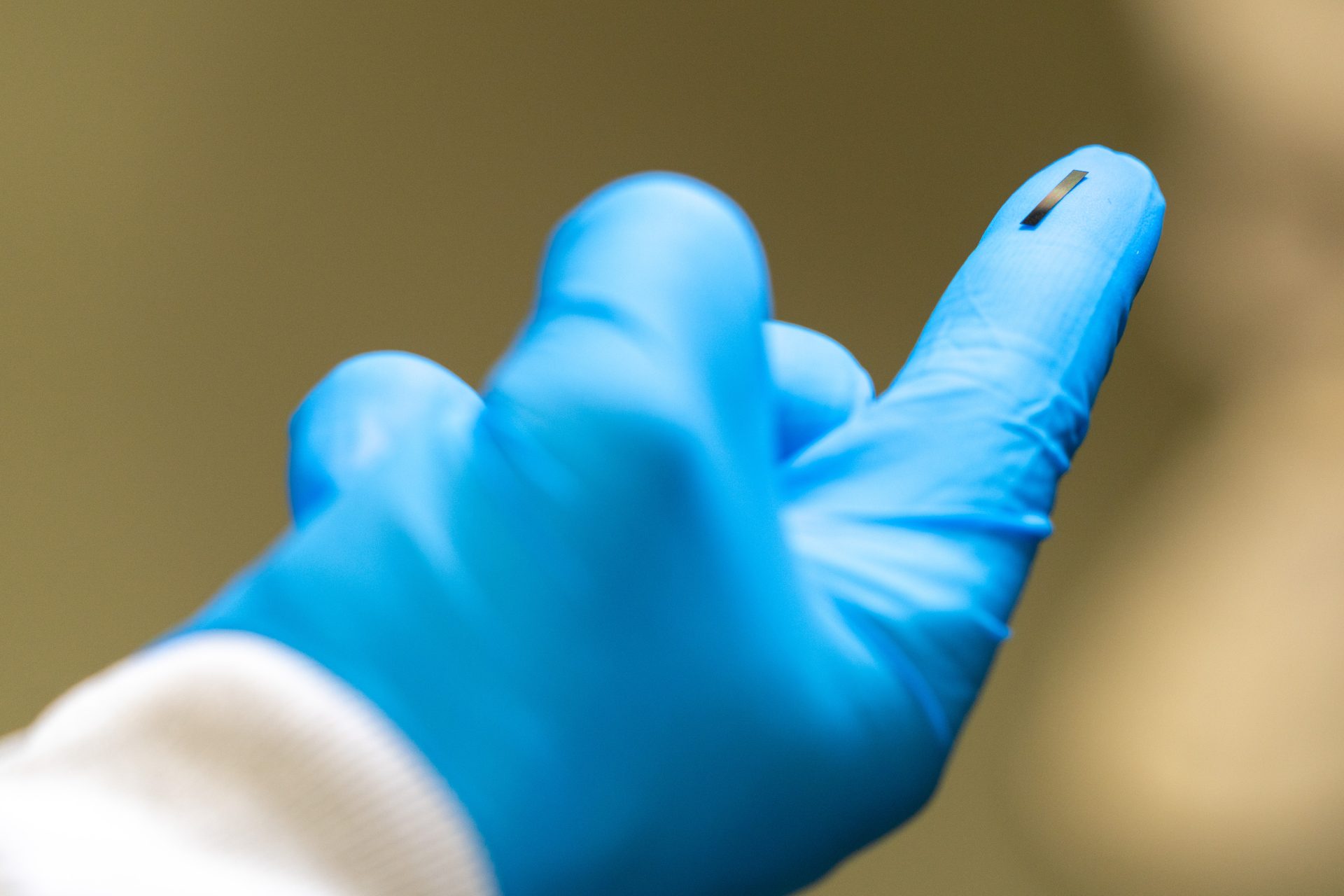
Look, the AI chip frenzy has turned a quiet MSG maker into the supply chain’s unlikely kingpin. Ajinomoto, famous for umami-packed seasonings, cranks out Ajinomoto Build-up Film (ABF), the insulating glue that lets high-end chips like Blackwell or the upcoming Rubin stack layers, cram in I/O density, and hum at multi-gigahertz speeds without frying. Without it, no advanced packaging. No GPUs. No datacenter dreams.
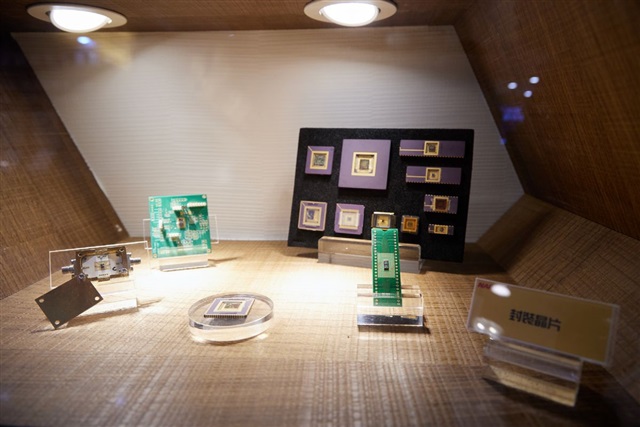
Here’s the thing. Traditional GPUs might need a layer or two. AI beasts? Eight to 16-plus layers, scaling with die size. Rubin Ultra could push that higher. Demand explodes 15-18x per chip versus legacy stuff. And Ajinomoto? They’re the sole film supplier in a chain that funnels through Ibiden for substrates, then Unimicron and others for final assembly.
Why Is ABF the Silent Killer in AI Supply Chains?
Picture this: Hyperscalers like Microsoft and Google, burning billions on AI buildouts, hit a wall. Not silicon. Not HBM memory (though that’s tight too). Nah—thin insulating film from a food company.
Ajinomoto’s ramping production, sure. New lines in Japan, maybe Thailand. But scaling ain’t simple. Raw materials? Proprietary. Process? Finicky, with semi-additive patterning (SAP) risking yields on those multi-layer stacks. Overcommit, and you flood the market post-boom—like the 2019 smartphone slump that left substrate makers nursing excess inventory for years. Remember that? Ajinomoto does. They’re capping supply to avoid it.
Substrate giants like Ibiden plead for more film. Can’t get it. Result? Rationing. Prices spike—DigiTimes pegs double-digit demand growth through a three-year cycle. That’s your delay on Blackwell ramps, Rubin shipments slipping into 2026.
“ABF demand is forecast to grow by double digits, we expect a three-year demand cycle, which means supply will remain constrained for a long time.”
That’s from the supply chain watchers at DigiTimes, spotlighting ABF as a ‘quieter’ but brutal bottleneck.
And here’s my take—the unique bit you’re not reading elsewhere. This echoes the 2018 memory crunch, when Samsung and Micron hiked DRAM prices 300% amid crypto/server demand. But ABF’s worse: no real second source. Ajinomoto’s 90%+ market share (per industry whispers) means no quick diversification. Hyperscalers are prepaying millions for priority—Amazon’s reportedly locked in long-term deals. Smaller players? Screwed. Expect a two-tier AI market: Big Tech feasts, everyone else starves.
Can Ajinomoto Scale Fast Enough for Blackwell and Rubin?
Short answer: No. Not without risks.
They’re expanding—Fine-Techno plants humming 24/7. But physics bites back. Bigger packages demand thicker stacks, more film per unit. Yields drop on SAP processes; one flaw in layer 12 scraps the whole substrate. Cost per chip balloons. NVIDIA’s already whispering delays to partners, sources say.
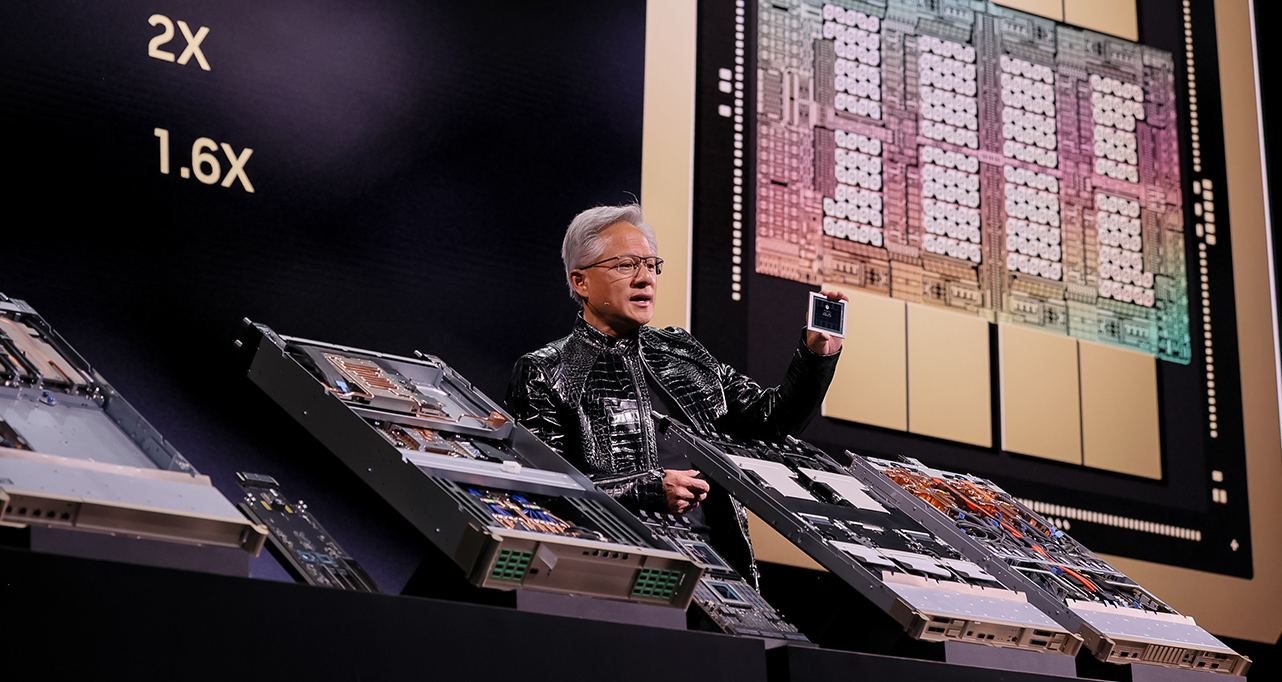
Hyperscalers fight dirty. Prepayments fund new fabs. Long-term contracts lock out rivals. It’s smart capitalism—but it widens the moat. Nvidia CEO Jensen Huang bragged at Computex about Blackwell yields improving. Didn’t mention ABF gating volume.
But wait. Alternatives? Subtle spin from chipmakers. Glass substrates? Years away—Intel’s betting big, but not for 2025. Lamina-specific films? Startups nibble, but Ajinomoto laughs. For now, they’re it.
Supply stays tight. DigiTimes forecasts that three-year crunch. Translate: NVIDIA’s 2025 Blackwell Ultra shipments? Capped. Rubin? Pushed. Datacenter capex? Reallocated to software tweaks while hardware lags.
Sharp-eyed analysts see the parallel to TSMC’s CoWoS bottleneck last year—prepayments galore, yet shortages persisted. Ajinomoto’s playing the same game, but with even less capacity headroom. Bold prediction: By Q4 2025, ABF scarcity forces at least one major hyperscaler to idle server racks, blaming ‘supply constraints’ in earnings calls.
Why Does the ABF Shortage Matter for AI Investors?
Markets shrug—NVIDIA stock’s up 150% YTD. But peek under the hood. Q2 earnings hinted at packaging limits. Blackwell B200s shipping tepidly. Rubin tape-out? On track, but packaging? ABF-dependent.
It’s not hype. It’s math. AI capex hits $200B this year (per AMD estimates). But if 20% of that stalls on substrates? Trillions in datacenter value at risk over quarters.
Ajinomoto’s stock? Tokyo-listed, up 40% on AI buzz. MSG margins fund the pivot—ironic, right? Food to frontier tech.
Corporate spin calls it ‘manageable.’ Bull. It’s a vise. Chipmakers won’t admit it publicly—admitting weakness invites poachers. But whispers from OSATs (outsourced semiconductor assembly) scream shortage.
The fix? Diversify. DuPont, Sekisui chase ABF clones. Success? Dicey—Ajinomoto’s resin recipe’s a black box. Government nudges? Japan’s METI eyes subsidies, but geopolitics loom—China covets the tech.
Bottom line. ABF’s the canary. Ignore it, and AI’s gold rush hits quicksand.
🧬 Related Insights
- Read more: Listen Labs’ Cryptic Billboard Snags $69M to AI-Overhaul Customer Interviews
- Read more: This Self-Healing Chip Laughs at Jupiter’s Radiation Onslaught
Frequently Asked Questions
What is ABF substrate and why is it crucial for AI chips?
ABF (Ajinomoto Build-up Film) is an insulating film bridging silicon dies to PCBs in advanced packages. It enables high I/O density for chips like NVIDIA Blackwell, vital for AI’s speed and power needs.
How bad is the ABF shortage for NVIDIA’s Blackwell rollout?
Demand per AI chip is 15-18x higher than traditional GPUs. Ajinomoto can’t scale fast enough, leading to delays and rationing—hyperscalers prepay for priority.
Will ABF shortages delay the entire AI boom?
Yes, for 2-3 years per forecasts. It’s a key packaging bottleneck, echoing past crunches, potentially idling datacenters and hiking chip costs.