Power Semiconductors: How SiC and GaN Are Transforming Electronics
Wide-bandgap semiconductors are replacing silicon in power electronics, enabling smaller, cooler, and more efficient systems across electric vehicles, renewables, and data centers.
The world's thirst for LLM tokens is insatiable, and traditional GPU serving is hitting a wall. Groq's new paper rips open their black box, revealing a clever — and potentially seismic — shift away from reliance on HBM.
Wide-bandgap semiconductors are replacing silicon in power electronics, enabling smaller, cooler, and more efficient systems across electric vehicles, renewables, and data centers.

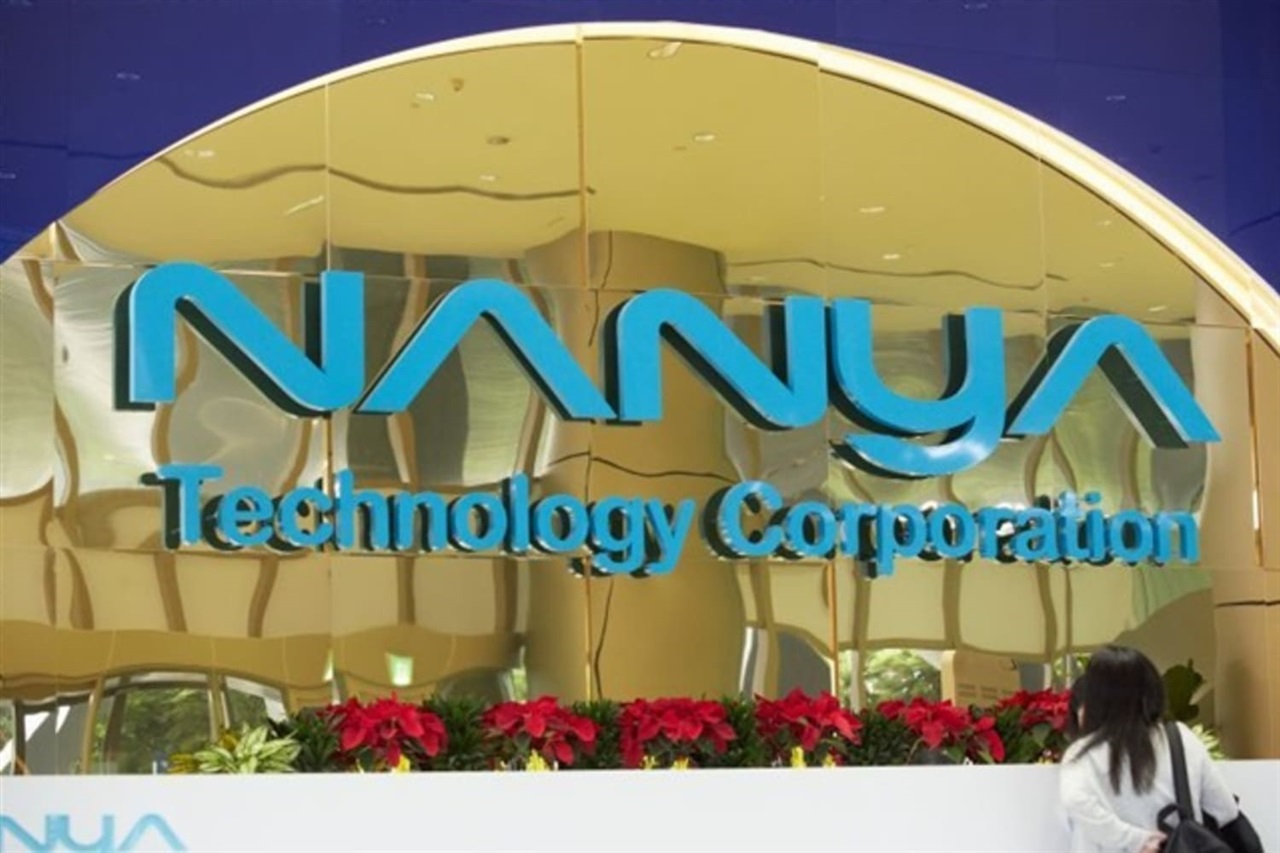
Your next phone or PC just got pricier. Nanya's massive Q1 2026 profit from soaring DRAM prices means consumers pay the bill for AI hype — while chipmakers cash in.
Samsung's Galaxy S26 Ultra just crashed to $1,079 for 256GB on Amazon—a 17% haircut that screams value. But does this future-proof beast justify the spend in a folding-phone world?
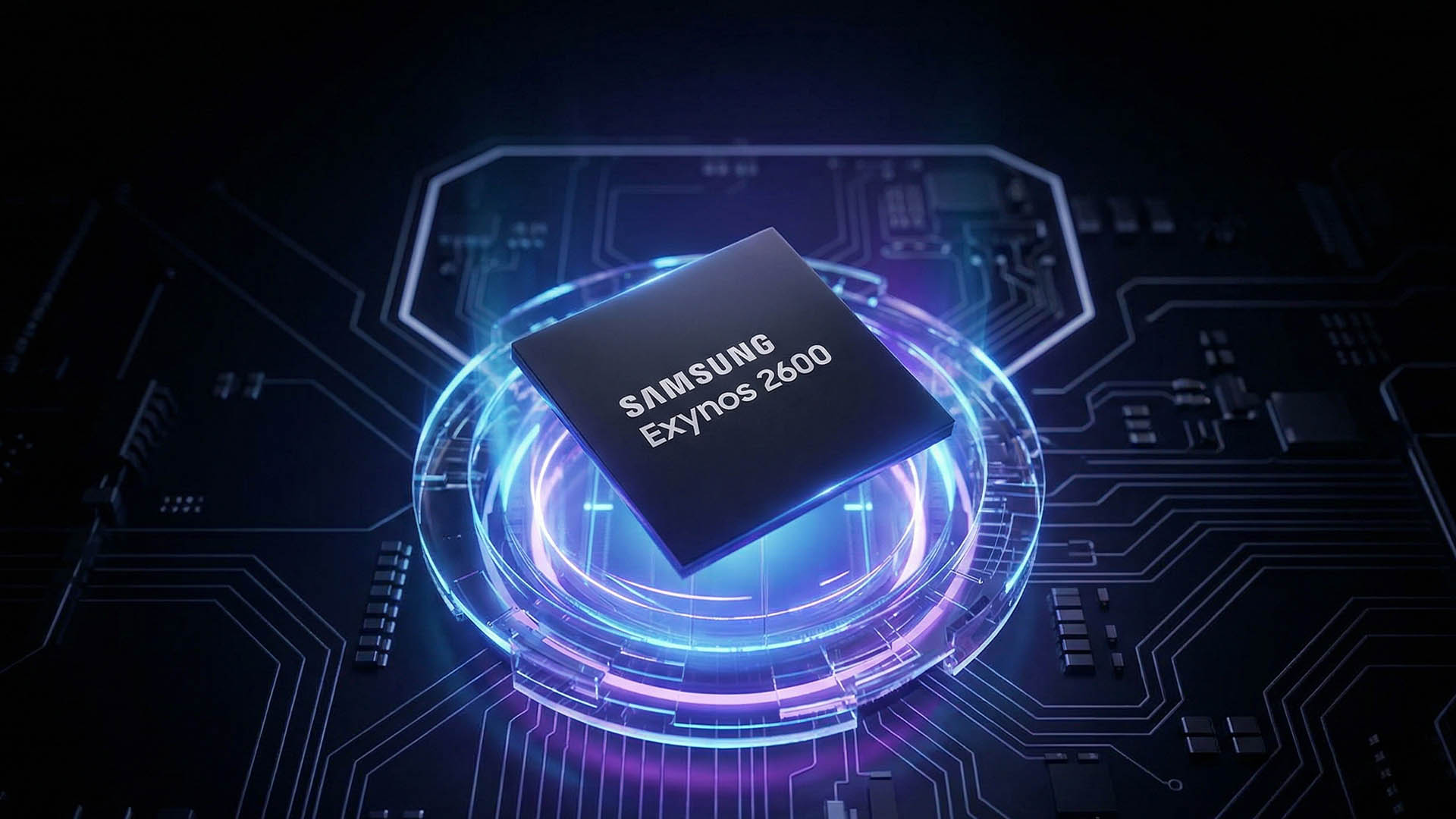
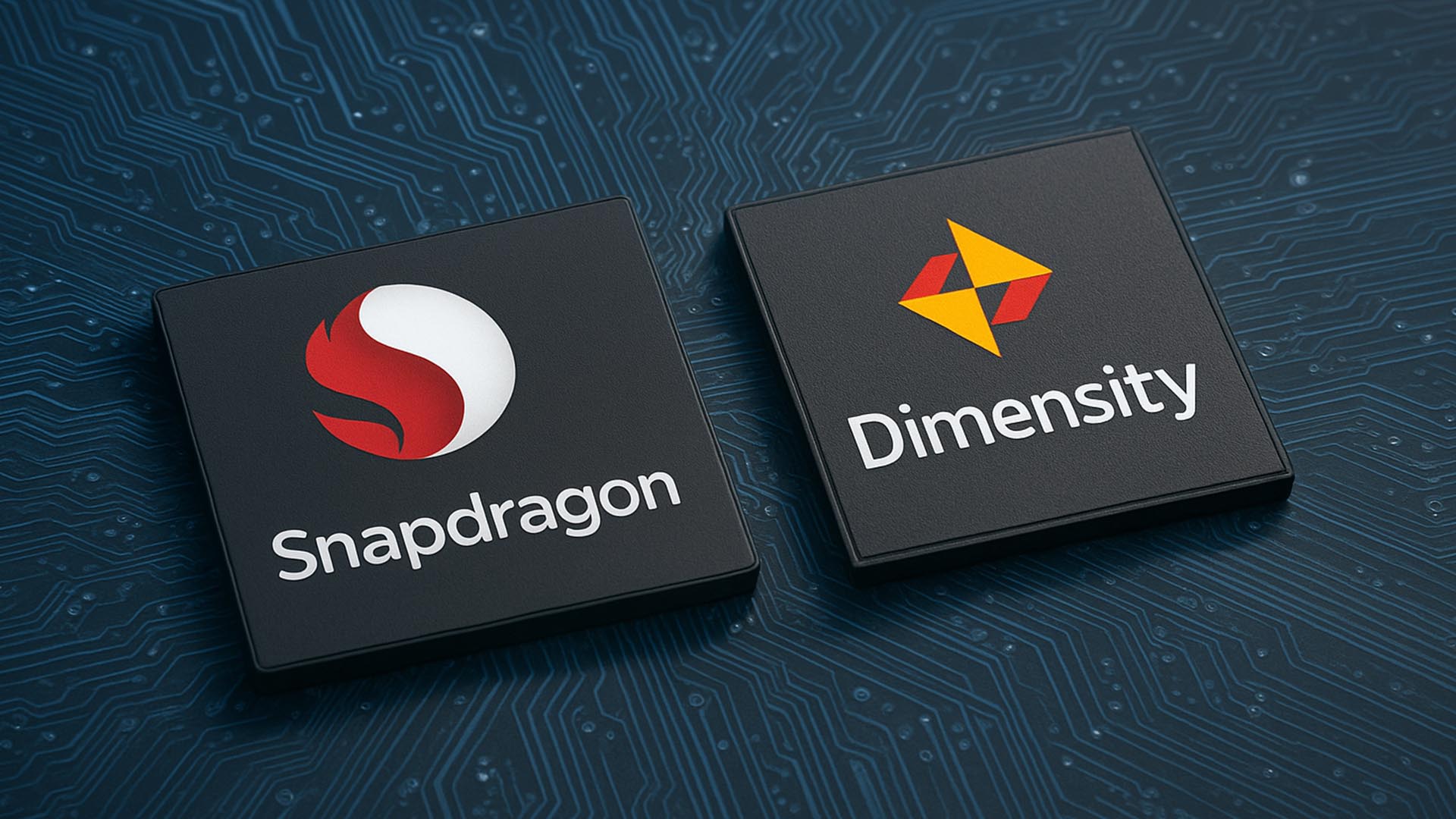
Samsung's Exynos 2600 didn't emerge from innovation — it was forged in the fire of a $3 billion Qualcomm bill. Now, with Galaxy S27 ramping Exynos to 50%, is autonomy worth the risk?
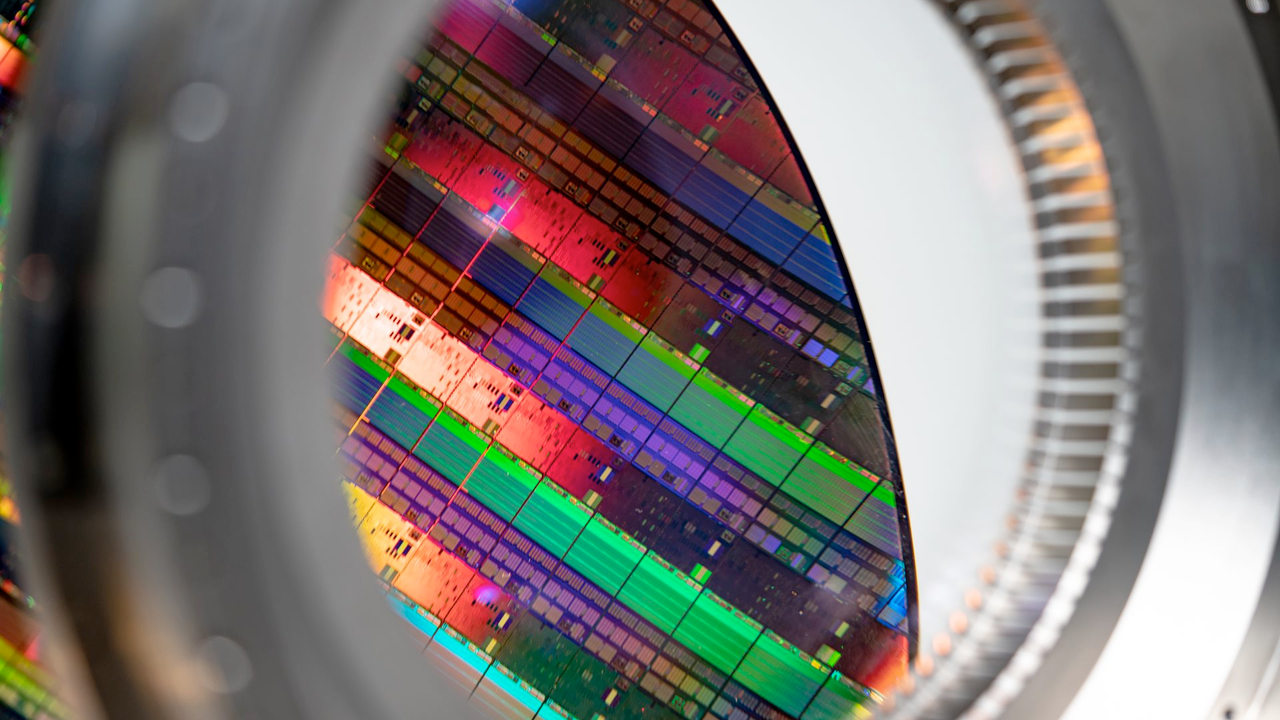
Taiwan Semiconductor Manufacturing Company (TSMC) operates as a pure-play foundry, producing custom-designed chips for other companies. Its intricate semiconductor fabrication process turns raw silicon wafers into the sophisticated integrated circuits that power our digital world.
AI data centers are exploding — but they're bottlenecked by slow builds. Vertiv's $BMarko acquisition just poured rocket fuel on that fire with in-house fabrication mastery.
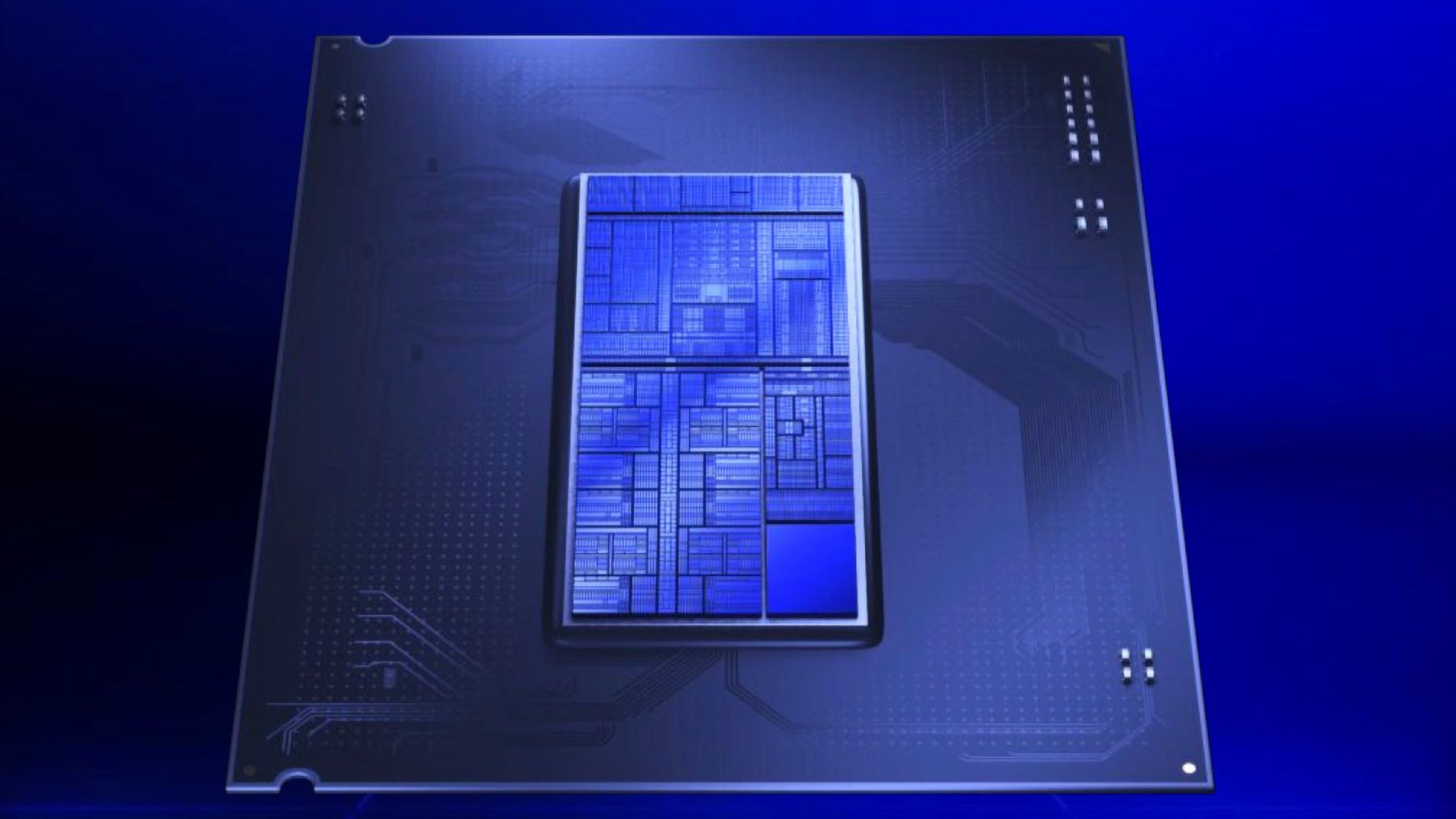
Imagine zapping a running CPU with invisible rays and watching its transistors twitch in real time. That's the wild new trick researchers just pulled off with terahertz radiation — and yeah, it could let hackers steal secrets without touching the chip.
TSMC's eyeing 2 million wafer starts by 2027 for advanced packaging. That's their fix for the AI industry's biggest choke point, with fabs in Taiwan and Arizona ramping hard.
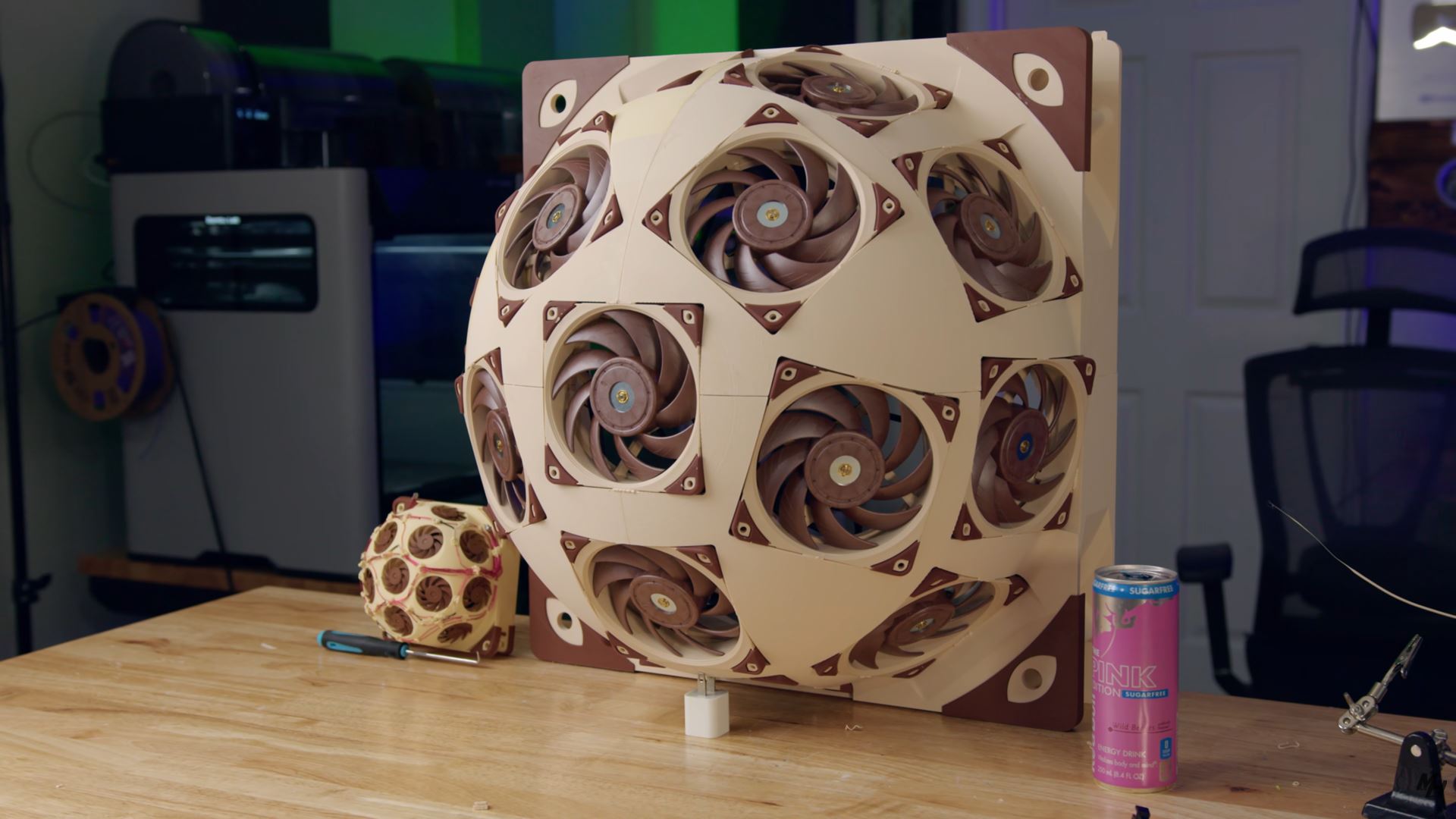
Everyone figured liquid cooling ruled supreme. Then one mad genius built a fan dome that crushes temps by 20°C—without the leaks or pumps.
Why cram AI into a shoebox-sized server when clouds do it cheaper? Supermicro's betting big on edge computing hype with these AMD EPYC 4005 minis, but after 20 years in the Valley, I've seen this movie before.
A leaked SKU list just surfaced, showing Intel's Nova Lake packing 52 cores and massive cache to dethrone AMD's 3D V-Cache kings. But is this the architectural pivot Intel desperately needs?
Computing with photons instead of electrons: the emerging field of photonic processors promises orders-of-magnitude improvements in speed and energy efficiency for specific workloads.