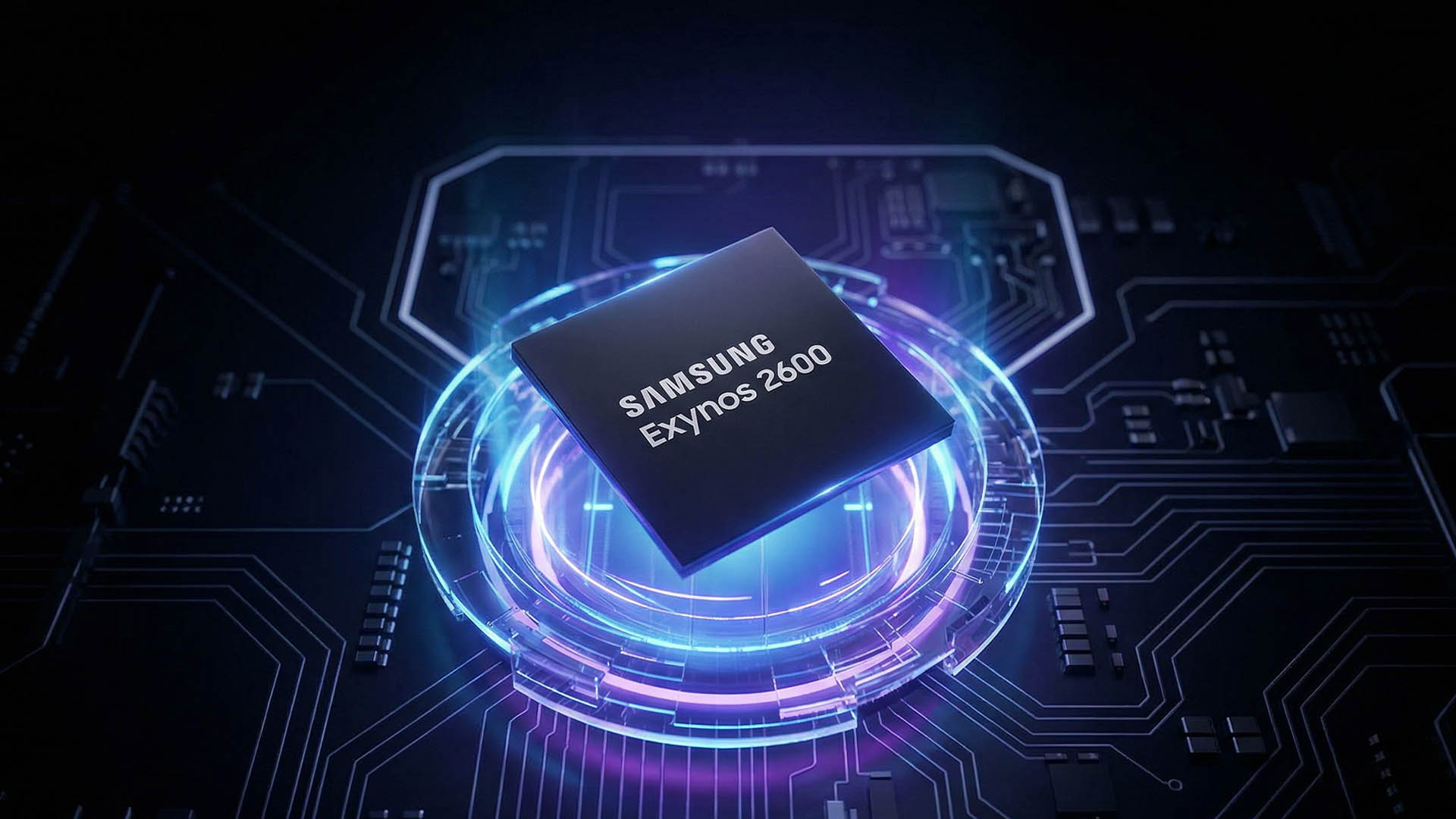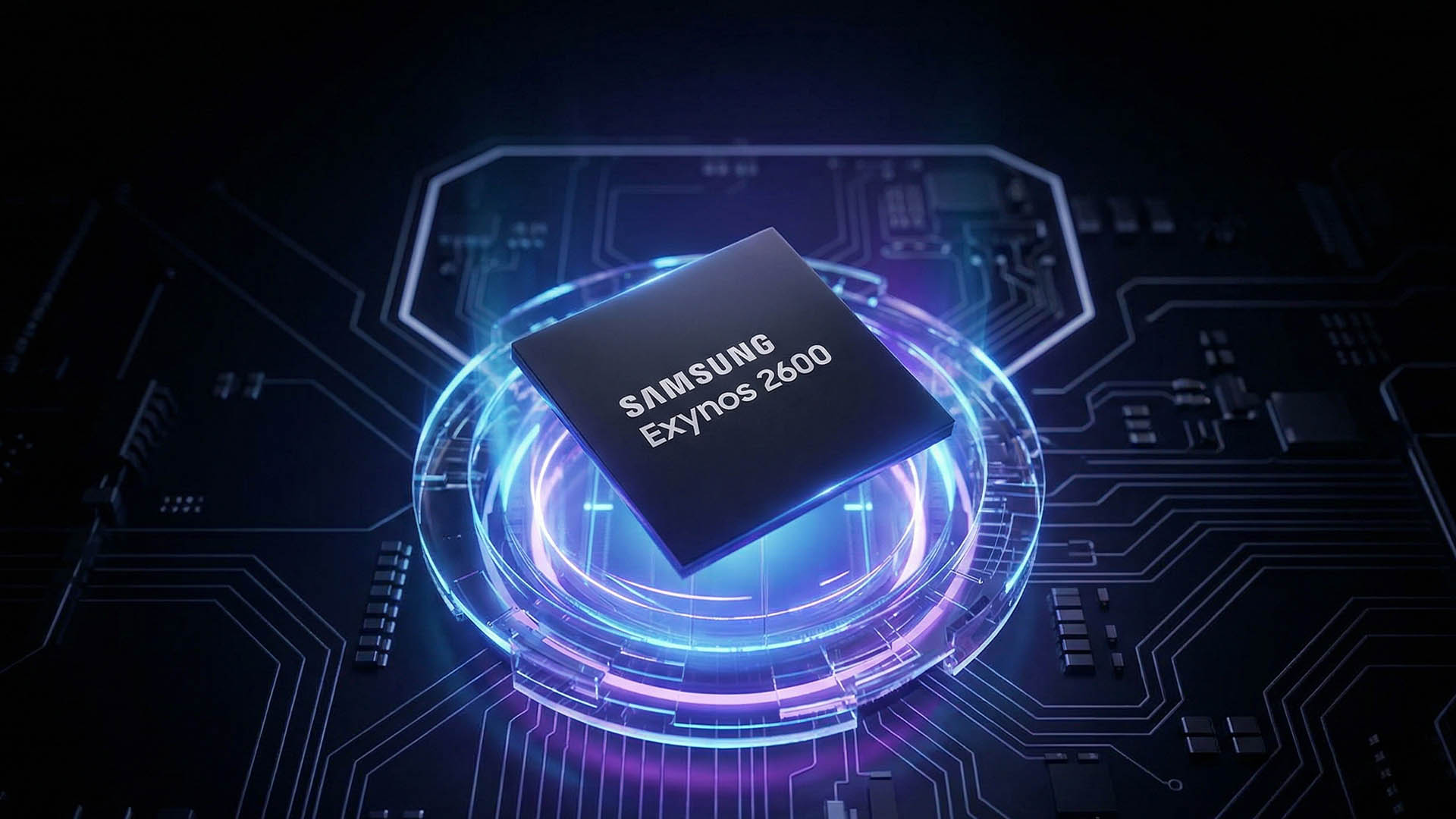
Exynos 2600: necessity’s child.
Samsung shelled out $3 billion last year on Snapdragon 8 Elite chips for the Galaxy S25 series — a brutal hit from their own Exynos misfires. And here’s the kicker: without that financial gut punch, the world’s first 2nm GAA SoC for Galaxy S26 and S26+ models probably wouldn’t exist. They’re pushing silicon independence now, but let’s unpack the market math driving this desperate pivot.
Why Did Samsung Bleed $3 Billion?
Look, Samsung’s been chasing chipset self-reliance since forever — remember the Exynos 2200 flop against Snapdragon 8 Gen 1? Yields tanked, performance lagged, and Galaxy S22 buyers howled. Fast-forward (sorry, can’t help it), and last year’s DRAM crisis plus Qualcomm’s pricing power turned a bad situation catastrophic.
They bought Snapdragon 8 Elite shipments at a premium — estimated $280 per unit — to fill S25 orders. That’s billions evaporated, margins shredded. But — and this is my unique angle — it’s eerily like Intel’s 2010s foundry fumbles, where external dependency on TSMC forced a $20B+ fab binge. Samsung’s not copying homework; they’re rewriting the nightmare.
“The price for not using its own chipsets was certainly a steep one, which is also why Samsung’s Exynos 2700 adoption is reportedly increasing for the Galaxy S27 family.”
That’s from The Elec, nailing how pain births progress. Exynos 2600 now powers 25% of S26/S26+ shipments, sparing some ultra-popular S26 Ultra from full Snapdragon takeover.
Exynos skeptics abound.
Daily drivers gripe — The Elec’s op-ed calls out thermal quirks, battery drain in benchmarks. Fair. But numbers don’t lie: full Snapdragon reliance would’ve jacked S26 prices amid DRAM shortages Samsung should’ve controlled. Customers pay, or margins die. Pick your poison.
Will Exynos 2600 Actually Save Samsung Money?
Short answer? Maybe — if yields hold. 2nm GAA tech (gate-all-around transistors) promises density wins over Qualcomm’s upcoming Snapdragon 8 Elite Gen 6, but costs skyrocket. Projections peg Gen 6 at $300+, pushing Samsung to Exynos 2700 for 50% of Galaxy S27 units.
Here’s the thing. Samsung’s foundry arm lags TSMC by 6-12 months on nodes; Exynos 2600’s timely arrival feels like PR spin masking yield woes. My bold prediction: by 2027, Exynos hits 70% adoption, but only if Samsung poaches TSMC talent aggressively — or risks another billion-dollar detour.
And competition? Qualcomm’s not sleeping. Their AI-focused Elite Gen 6 Pro could eclipse Exynos in on-device gen-AI tasks, where Galaxy’s edge lives. Samsung’s betting farm on internal silicon to dodge 20-30% COGS hikes. Smart? Desperate? Both.
Painful, but necessary.
DRAM crisis lingers — Samsung controls 40% market share, yet couldn’t shield flagships. Exynos ramps cut Qualcomm use, stabilizing prices. Still, S26 Ultra sticks with Snapdragon for a reason: reliability trumps novelty in premium tiers.
Is Samsung’s Exynos Push a Margin Savior or Mirage?
Dig into dynamics. Last year’s $3B was 5-7% of mobile division revenue — ouch. Exynos 2600 at 25% offsets half that, per analyst math. Scale to 50% in S27, and you’re talking $1.5B+ savings annually.
But risks loom. Historical parallel: Apple’s M-series triumph came after ARM licensing freedom; Samsung’s still tethered. If Exynos 2700 stumbles (power efficiency? GPU grunt?), we’re back to Qualcomm begging. Corporate hype screams “autonomy now,” but reality’s a slog — expect hybrid strategies through 2028.
Samsung’s playing 4D chess against Qualcomm, TSMC, even itself.
Why Does Exynos 2600 Matter for Galaxy Buyers?
Prices stabilize. No $100+ hikes from chip wars. Performance? Exynos trails Snapdragons historically by 10-15% in multi-core, but 2nm closes gaps. Battery life could shine — GAA tech aids efficiency.
Skeptical take: it’s no panacea. Ultra gets best-in-class Snapdragon; base models subsidize the dream. Worth it? For Samsung’s survival, yes. For you? Test the S26+ before committing.
🧬 Related Insights
- Read more: Training Humanoid Robots to Walk Rough Terrain on a Single Workstation
- Read more: NVIDIA’s Isaac Gambit: 90% Synthetic Data by 2030, But Robots Still Stumble in the Real World
Frequently Asked Questions
What caused Samsung’s $3 billion loss on chips?
Exynos production failures forced bulk Snapdragon 8 Elite buys for Galaxy S25 at $280/unit premiums.
Will Exynos replace Snapdragon in all Galaxy phones?
No — hybrids persist; Exynos targets 50% of S27 shipments, Ultras stay Snapdragon.
Is Exynos 2600 better than Snapdragon 8 Elite?
Debatable — 2nm edges efficiency, but real-world tests show Snapdragon leading in GPU/AI.