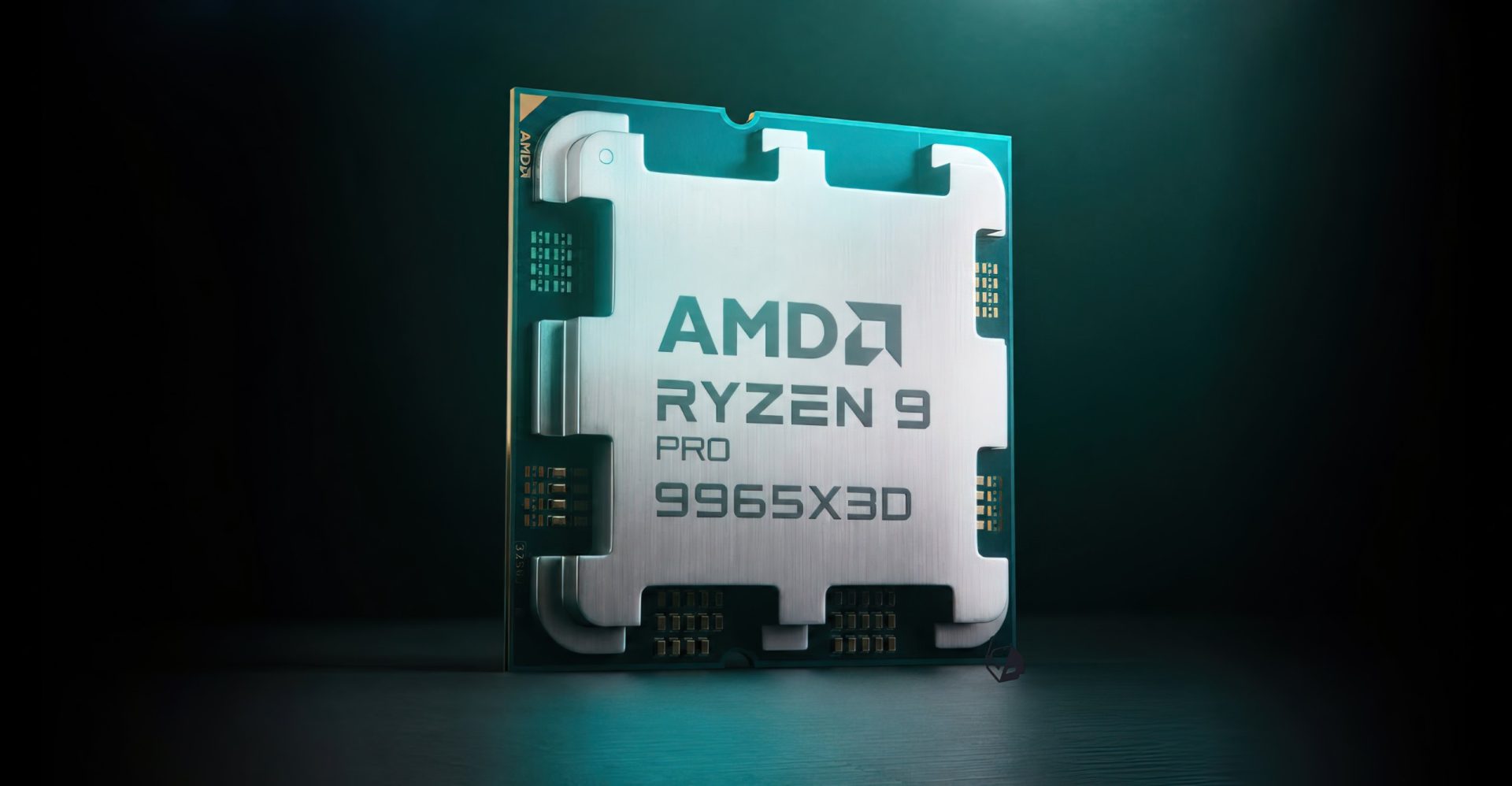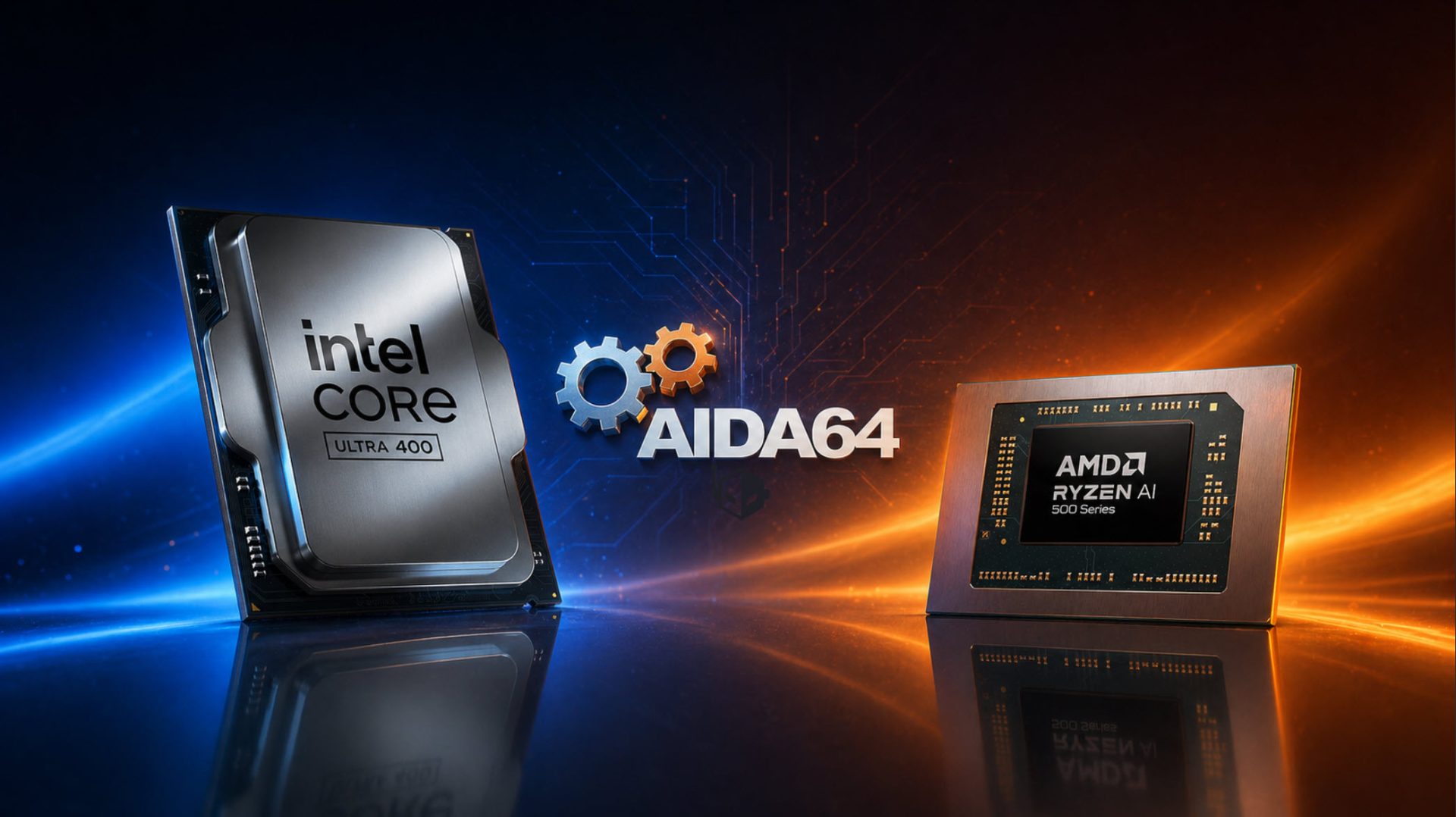
Leaked docs hit the wires yesterday — Intel’s Nova Lake, codenamed Core Ultra 400S, staring down AMD with a 52-core monster and cache stacks that scream ‘game over’ for Zen 6 dreams.
Zoom out: this isn’t just another tick-tock refresh. Intel’s been bleeding gaming crown to AMD’s 3D V-Cache since Ryzen 7 5800X3D dropped four years back, that stacked silicon turning cache into a superpower for frame rates. Now, Nova Lake’s rumored big Last Level Cache (bLLC) — up to 288MB — flips the script, mimicking the density without the yield headaches of vertical stacking.
Here’s the thing. Coyote Cove P-cores and Arctic Wolf E-cores promise 20% IPC gains over Lion Cove and Skymont. Solid. But the real juice? That bLLC, layered horizontally across dual dies in the flagship, slashing latency like AMD’s vertical wizardry but baked into Intel’s tile empire.
Why Is Intel Nova Lake Suddenly Obsessed with Massive Cache?
Cache wars aren’t new — remember Intel’s own Crystal Well back in Broadwell days? (Yeah, that eDRAM experiment on Haswell that flopped commercially but spiked iGPU perf 2x.) Nova Lake revives it at scale, because gaming’s bottleneck isn’t raw clocks anymore; it’s data hunger.
AMD nailed this with 3D V-Cache, stacking L3 vertically to hit 96MB+ without ballooning die size. Intel? They’re going wide — dual-die configs where one tile hauls compute, the other cache. The 52-core beast: 8P + 16E doubled up, plus 4 LP E-cores on the hub die, all fed by 288MB shared L3.
“Nova Lake could deliver a knockout blow to AMD’s upcoming Zen 6 chips with beefy rumored specifications.”
That’s VideoCardz quoting internal partner docs. Unconfirmed, sure — Intel’s tight-lipped — but the SKU table’s too detailed to dismiss: from 8-core entry-level to that 52-core P3DX at 175W TDP.
Look, single-die 28-core skips the bLLC for cost, but dual-die versions stack it on. Smart segmentation. And DDR5-8000? ECC support? That’s enterprise bleeding into gaming rigs, prepping for AI workloads where cache misses kill inference speed.
A single sentence: Power hogs, these — 175W cTDP on flagships.
But unpack the configs. Octa-core MS1: 4P + 0E + 4LP, 65W. Mainstream sweet spot. Scale to Core Ultra 9 28-core P2D/P2K at 125W/65W. Then monsters like 44-core P2DX. Every SKU gets NPU6, 24 PCIe 5.0 lanes, Thunderbolt 5 x2, Xe3 iGPU. Platform-ready for 900-series chipsets with bifurcation and eight SSDs.
Intel’s not reinventing the wheel here — it’s their hub-die recipe from Meteor Lake onward, just supersized. Dual-channel DDR5, CUDIMM compatibility (clocked DIMMs for tighter timings). They’re chasing AMD’s ghost in gaming benchmarks while padding productivity creds.
Will Nova Lake Actually Beat AMD’s 3D V-Cache in Games?
Probably. In theory.
AMD’s Zen 5 X3D already crushes at 1080p/1440p — that 144MB L3 keeps branches predicted, textures resident. Nova Lake’s bLLC matches or exceeds at 288MB, paired with 20% IPC uplift. Simulations from prior Intel cache boosts (Raptor Lake’s 3MB L2 slice-per-core) showed 10-15% gaming gains; scale to L3 and it’s explosive.
Here’s my unique take: this echoes IBM’s Power9 with its 120MB off-chip cache tiles — a modular bet that let them hit supercomputer TOP500 spots before AMD Epyc ate their lunch. Intel’s doing Power9 for consumers, tiling cache separate to dodge monolithic die risks. Bold prediction? Nova Lake flagship hits 20% faster than Zen 6 X3D at same power, but only if Coyote Cove delivers promised IPC — Lion Cove fell short in leaks.
Skepticism time. 175W TDP on 52 cores? Cooling nightmare for desktops, unless LGA1851 boards pack liquid loops stock. And yield on dual-die bLLC? AMD struggled early with V-Cache thermals. Intel’s PR will spin ‘AI-ready gaming behemoth,’ but call the hype: this is catch-up, not leapfrog, born from Arrow Lake’s single-digit gaming losses.
How Does Nova Lake’s Architecture Shift the Desktop Wars?
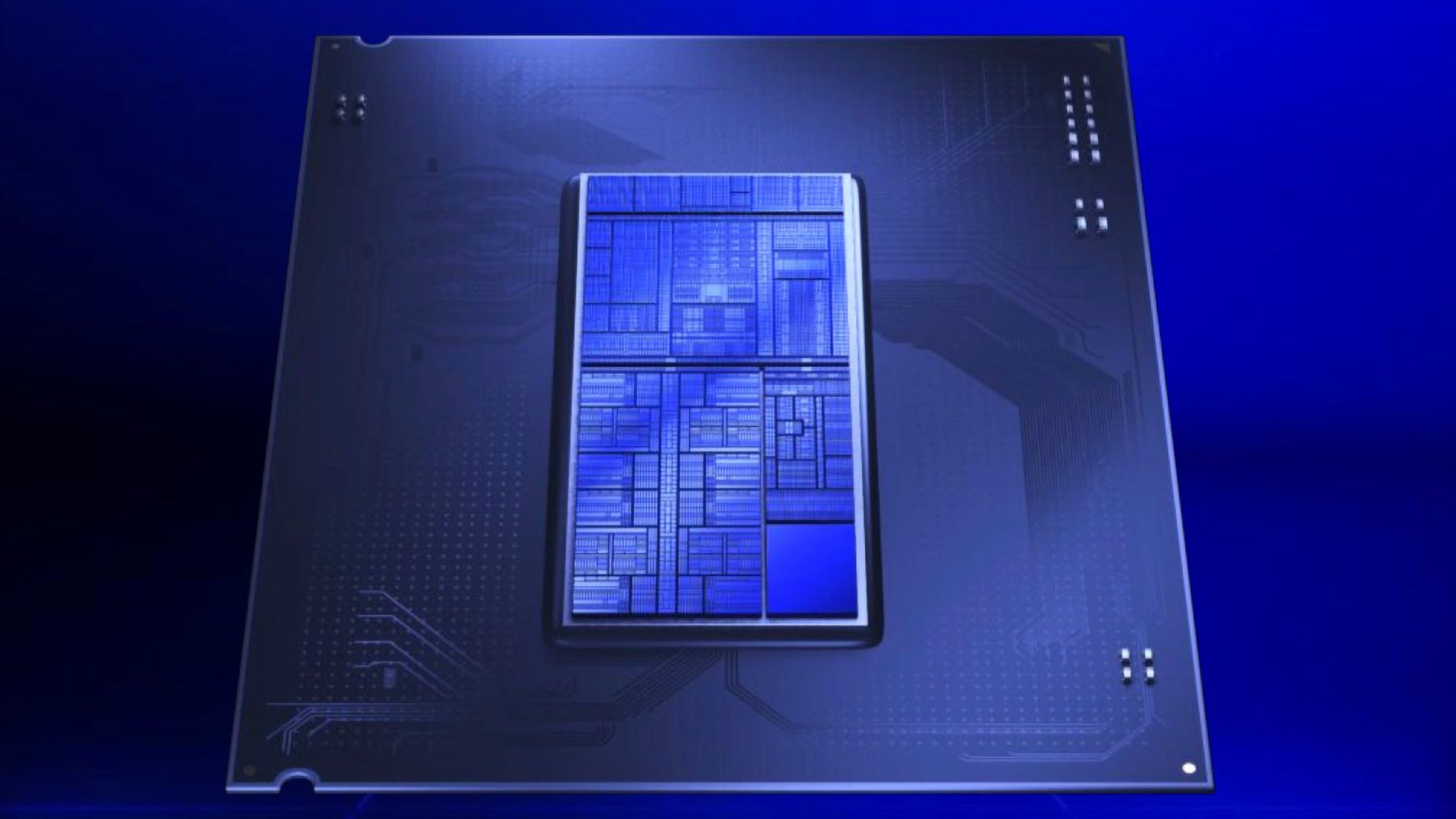
Dual-die mastery. Flagship: two compute tiles (8P+16E each) + cache tile x2? Leak says 8P+16E+Cache x2, implying cache per compute pair. Hub ties it with peripherals.
Versus AMD’s CCD stacking: Intel wins modularity — mix single/dual for price tiers. 16-core single-die skips bLLC for budget kings.
Gaming? Massive L3 means fewer RAM trips, critical as DDR5-8000 hits but latency lags (60ns+). Productivity? 52 cores + NPU shreds multi-threaded sims, video encodes.
But why now? Intel’s desktop share dipped below 50% post-Raptor; Nova Lake’s their ‘all-in’ to reclaim. Historical parallel: like Pentium 4’s netburst folly versus AMD64’s efficiency win — Intel learned, now caches aggressively.
Corporate spin alert — ‘Core Ultra 400S’ branding muddies waters (Series 3 is mobile Panther). Partners get docs early; launch whispers for late 2026.
🧬 Related Insights
- Read more: FEM Unlocks Transformer’s Hidden Chaos
- Read more: yieldHUB’s Live Dashboards: The Real-Time Fix for Chip Yield Nightmares
Frequently Asked Questions
What is Intel Nova Lake?
Nova Lake is Intel’s next-gen Core Ultra 400S desktop CPUs, with Coyote Cove P-cores, Arctic Wolf E-cores, and huge bLLC up to 288MB to rival AMD’s 3D V-Cache.
Does Nova Lake support DDR5-8000?
Yes, leaks show DDR5-8000, ECC, CUDIMM, and CSODIMM support across all SKUs, plus PCIe 5.0 x16 for GPUs and up to eight SSDs.
When will Nova Lake launch?
Unconfirmed, but partner docs suggest 2026, following Arrow Lake Refresh.