ASUS ROG 20th Anniversary GPU: Gold-Black RTX 50 Tease
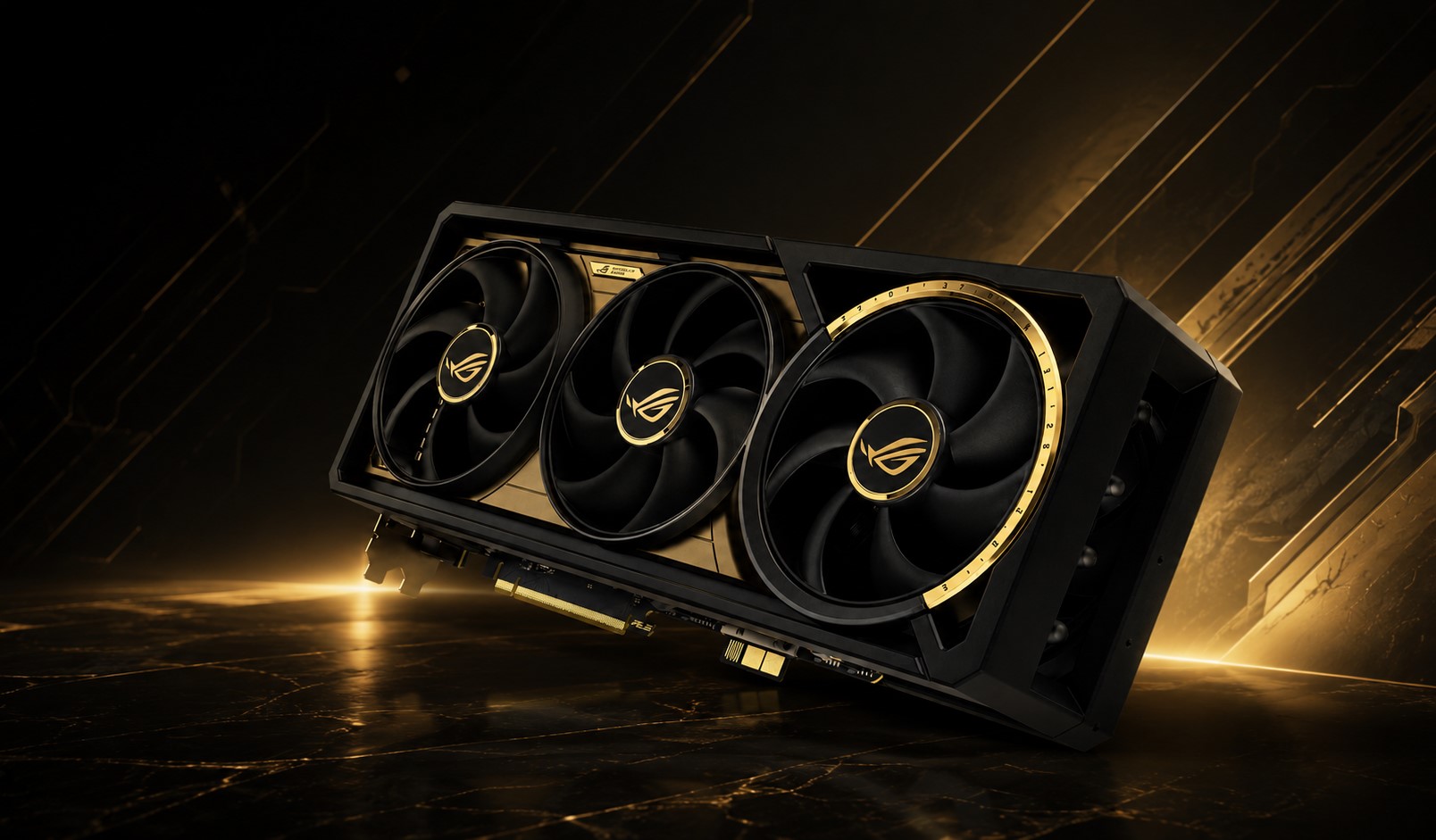
Another anniversary, another limited-edition box of blinking lights. ASUS is dropping hints about a gold-accented RTX 50 series GPU for ROG's 20th, and frankly, I've seen this movie before.
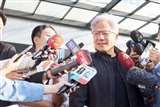
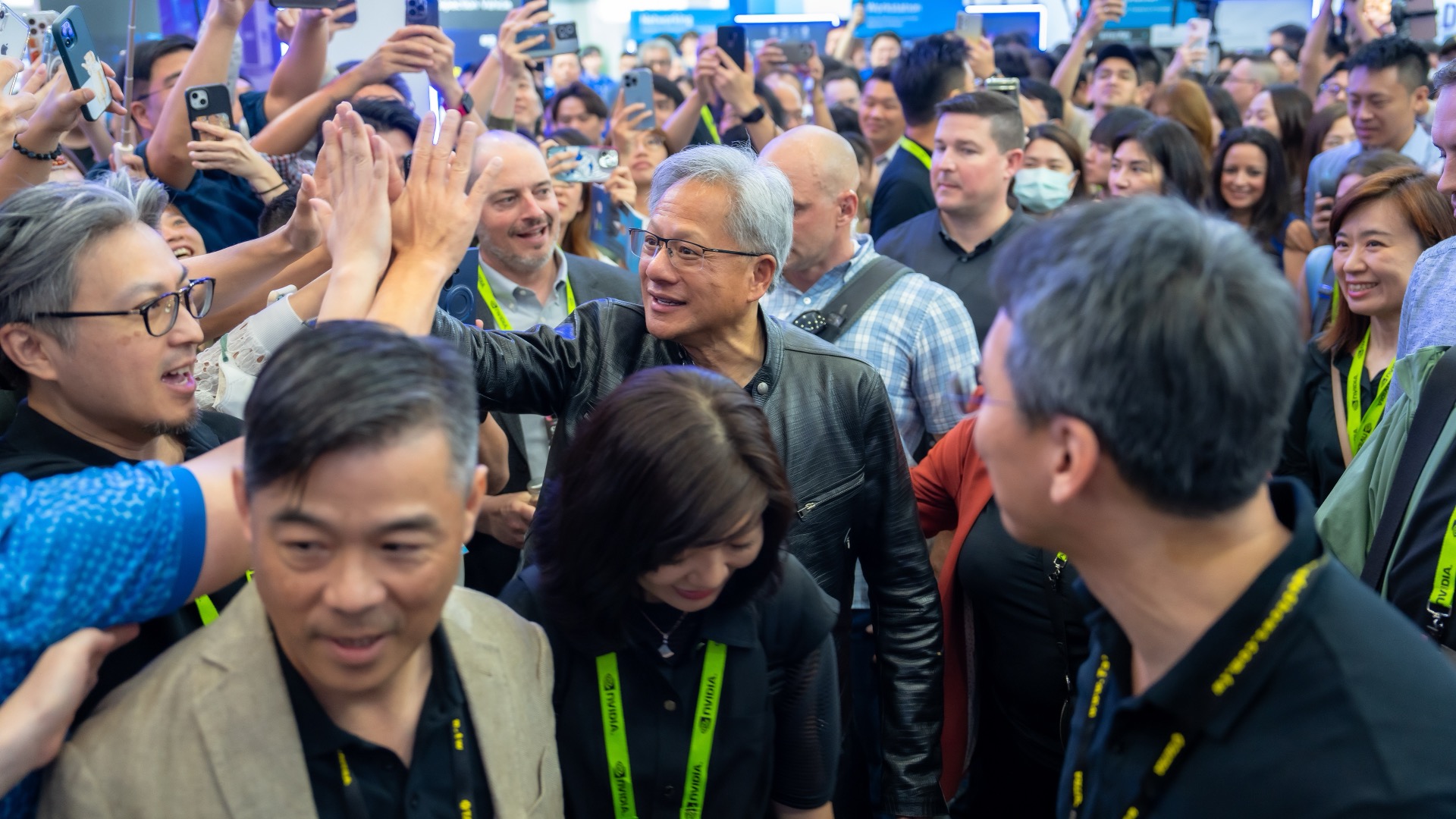
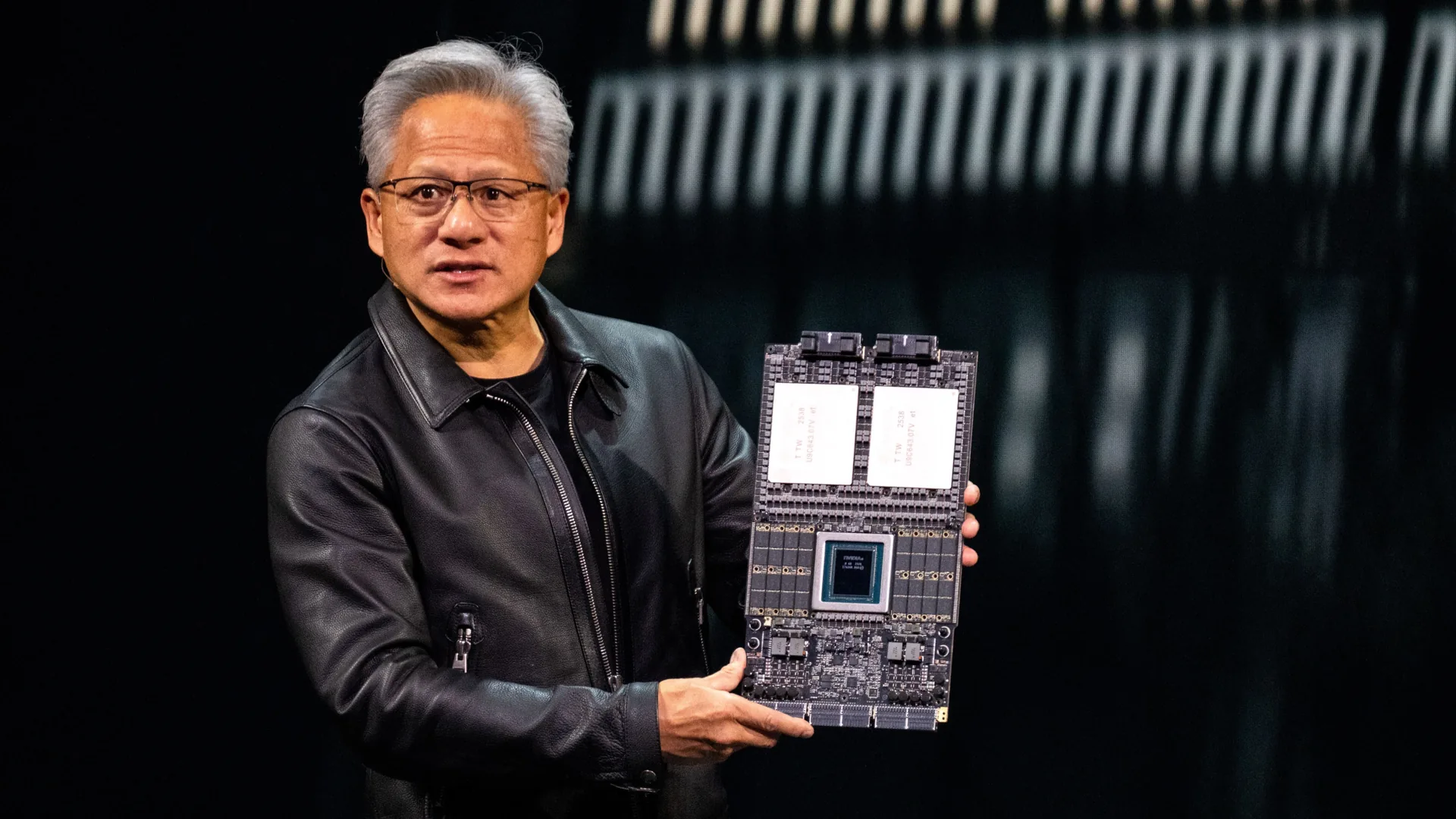
Nvidia's CEO Jensen Huang is calling their next-gen AI server platform, codenamed Vera Rubin, the biggest product ramp in computer history. He made the pronouncement in Taiwan, ahead of COMPUTEX.
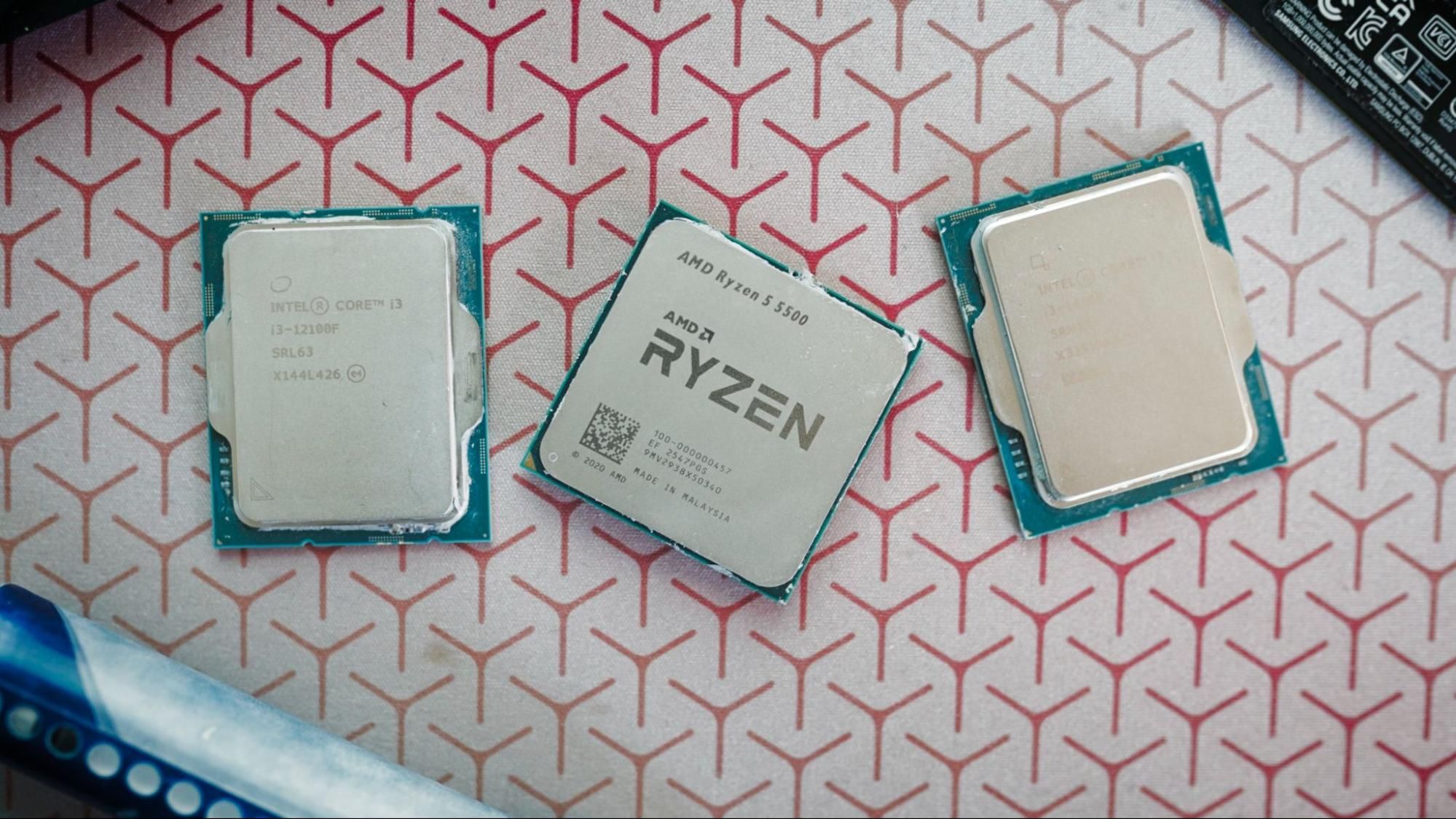
For under a hundred bucks, building a competent gaming PC still feels like a pipe dream. Three chips are vying for your meager budget: AMD's Ryzen 5 5500 and Intel's i3-12100F and the newer i3-14100F.
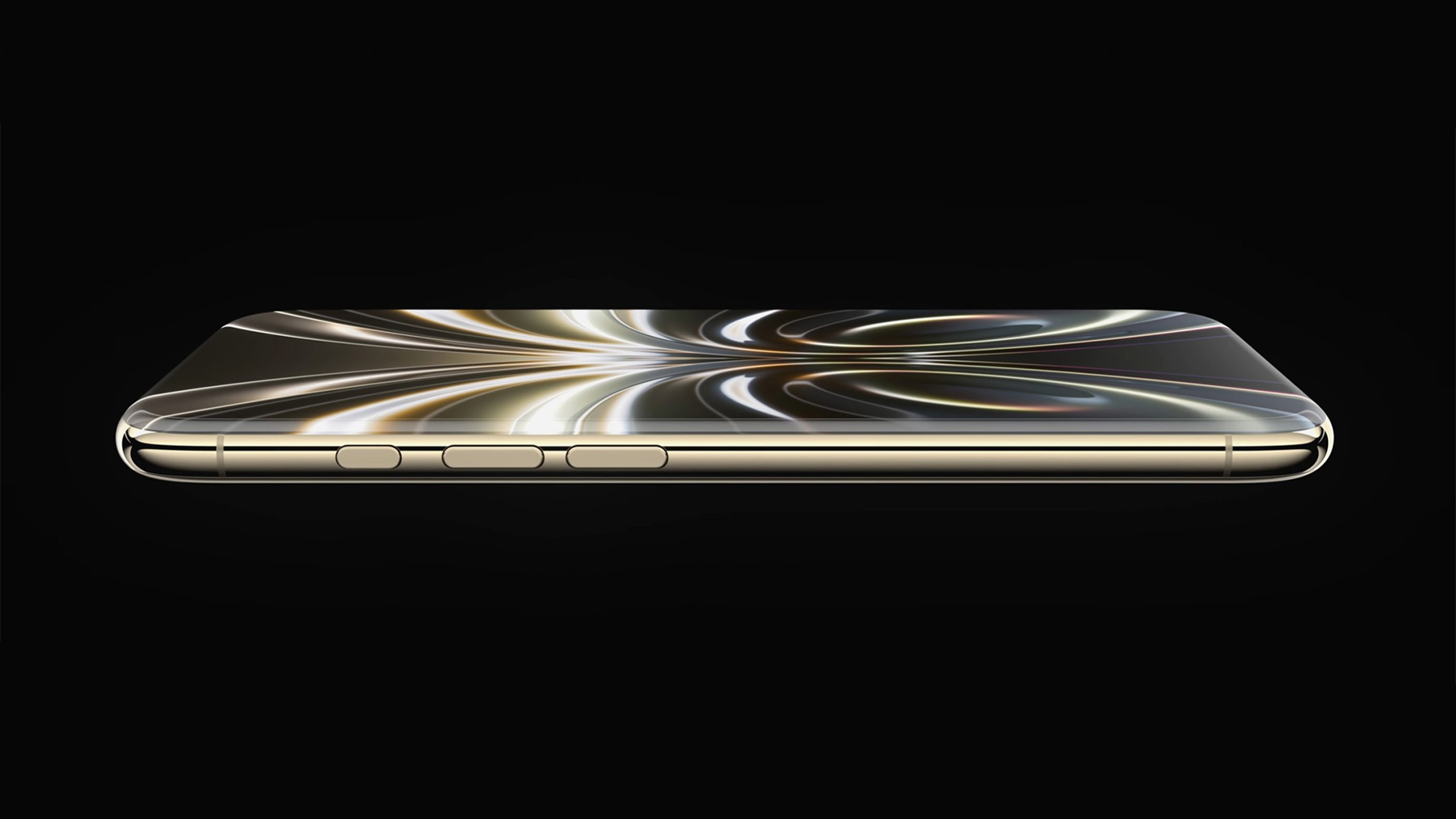
The iPhone 20's next-generation design is reportedly taking shape, with renders showcasing a quad-curved display and internal upgrades like silicon-anode batteries and HBM RAM.
Is the AI revolution truly a GPU-only affair? AMD is betting it's not, pushing its CPUs to the forefront of artificial intelligence computation.
Memorial Day isn't just about mattress sales anymore. This year, the real action is in the silicon, with early glimpses of next-gen tech hitting discount bins.
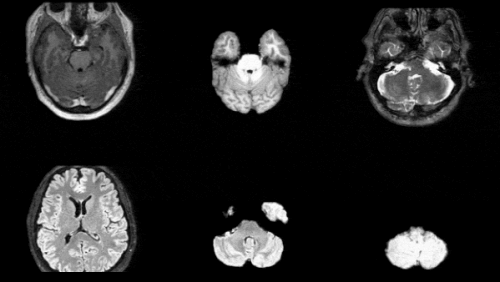
The quest for vast, high-quality medical imaging data is a relentless grind. NVIDIA's latest play, MAISI, promises to churn out synthetic 3D scans, but is it a genuine leap or just more silicon snake oil?
PsiQuantum is set to receive a $100 million boost from the US government, aimed at accelerating quantum computing hardware development and bolstering the American semiconductor industry.
The global semiconductor market just posted its biggest quarterly jump in over 40 years. AI isn't just a buzzword; it's the engine driving a fundamental architectural shift in chip demand.
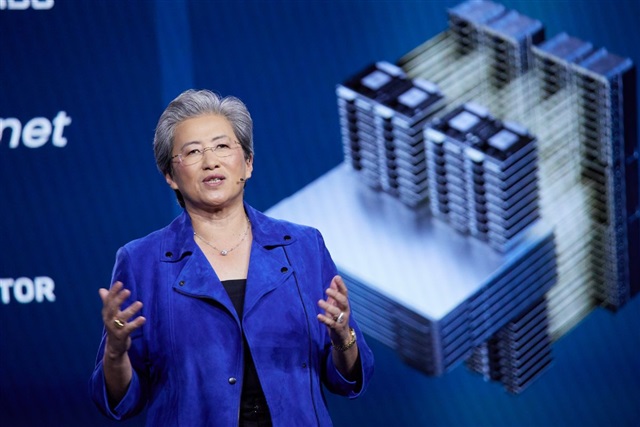
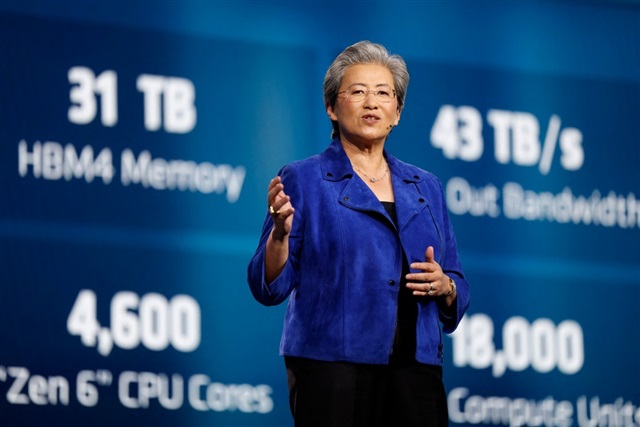
AMD's Lisa Su, a titan in the semiconductor world, just dropped a fresh concern into the already-fraught AI chip landscape. Forget just where to stuff the chips themselves; the real pinch point is emerging from the bits and bytes they need to chug.
Silicon Valley's insatiable hunger for AI chips has turned Taiwan into a global economic powerhouse. Their latest export figures aren't just numbers; they're the fuel for a nation's ambitious industrial reinvention.
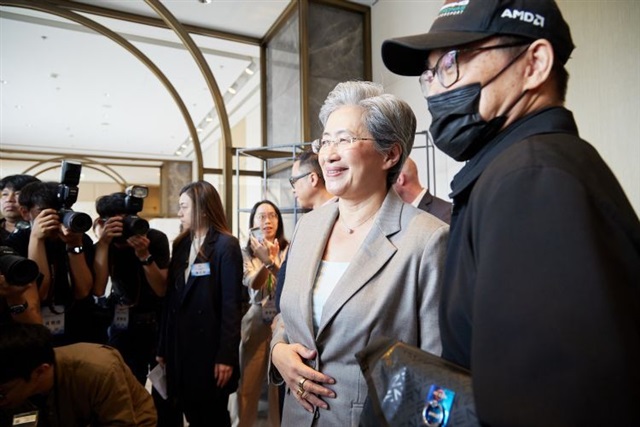
AMD is doubling down on its Chinese manufacturing footprint with a significant expansion of its advanced packaging capabilities in Suzhou. This move signals a strategic bet on the region's indispensable role in the global semiconductor supply chain.
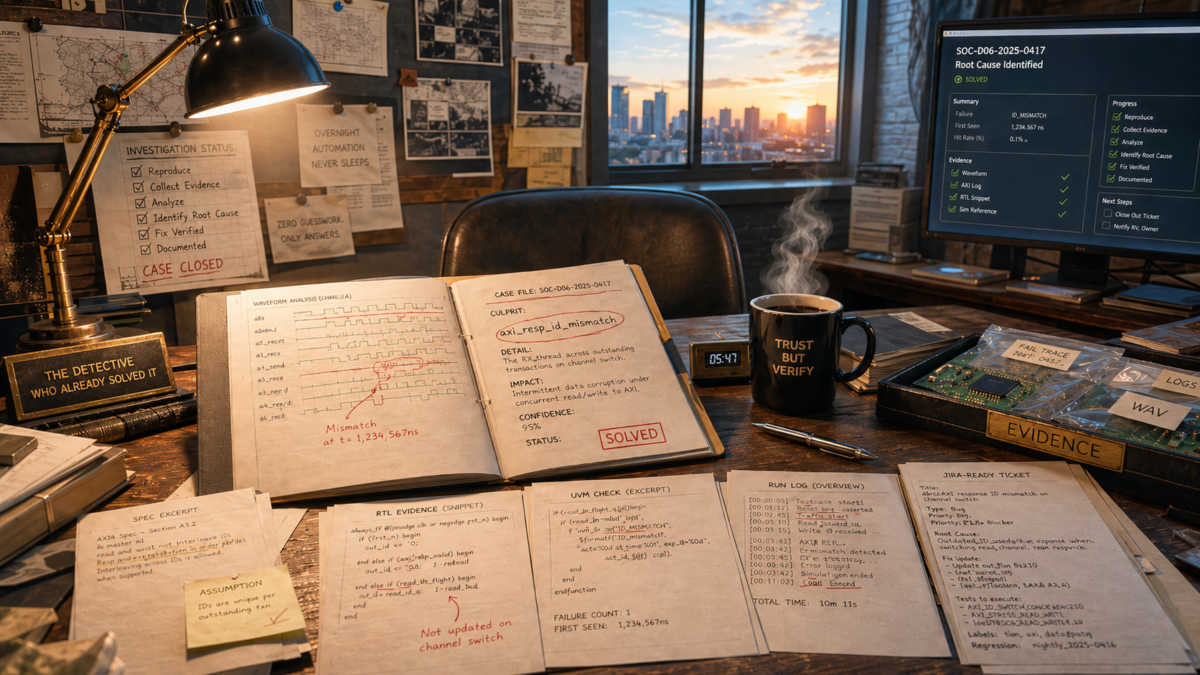
For two decades, I've watched Silicon Valley chase faster chip design. Bronco AI's latest promise: full-chip SoC debug in 15 minutes. It sounds too good to be true, but who's actually making money here?
NVIDIA's COMPUTEX 2026 presence wasn't just about keynotes; it was a hardware victory lap. The Vera Rubin NVL72 AI supercomputer, alongside advancements in robotics and autonomous vehicles, snagged multiple Best Choice Awards, signaling a significant push in scaling AI infrastructure.
Just weeks after tightening sanctions on Russia, the European Union is scrambling to exempt a Chinese chipmaker, a stark admission that geopolitical goals are colliding with industrial necessity. The continent's auto sector is facing a stark choice: comply with sanctions or halt production.
The silicon wafer's silent partner just got a serious upgrade. Tokuyama's new IPA plant in Taiwan signals a massive bet on the sustained chip-making boom.
NVIDIA's established GPU empire is expanding with a bold entry into the CPU market. Their new Vera platform is poised to shatter expectations and redefine the competitive landscape.
Forget whispers; NVIDIA's Vera Rubin AI rack is shouting about the future of AI hardware costs. Memory prices are going nuclear, signaling a seismic shift in what it takes to power the next generation of intelligence.
Forget incremental updates; this is about an AI platform shift. NVIDIA and Google Cloud have just announced a massive, 100,000-strong developer community, signaling a seismic move in how AI gets built.
Sixty-eight years ago, something monumental sparked into existence – the transistor. It wasn't just another gadget; it was the Big Bang of the digital age, and it's now the unsung hero of our AI-powered future.