Let’s cut through the noise. The global semiconductor market didn’t just grow in the first quarter of 2026; it exploded. We’re talking a 25% leap from the previous quarter, hitting a colossal $299 billion. And get this: that same quarter was a jaw-dropping 79% higher than the year before. For context, that 25% quarter-over-quarter surge is the biggest since the World Semiconductor Trade Statistics (WSTS) started keeping records over four decades ago. The previous record? A measly 20% in Q2 2009. This isn’t incremental growth; it’s a tectonic shift, and the seismic activity is centered squarely on Artificial Intelligence.
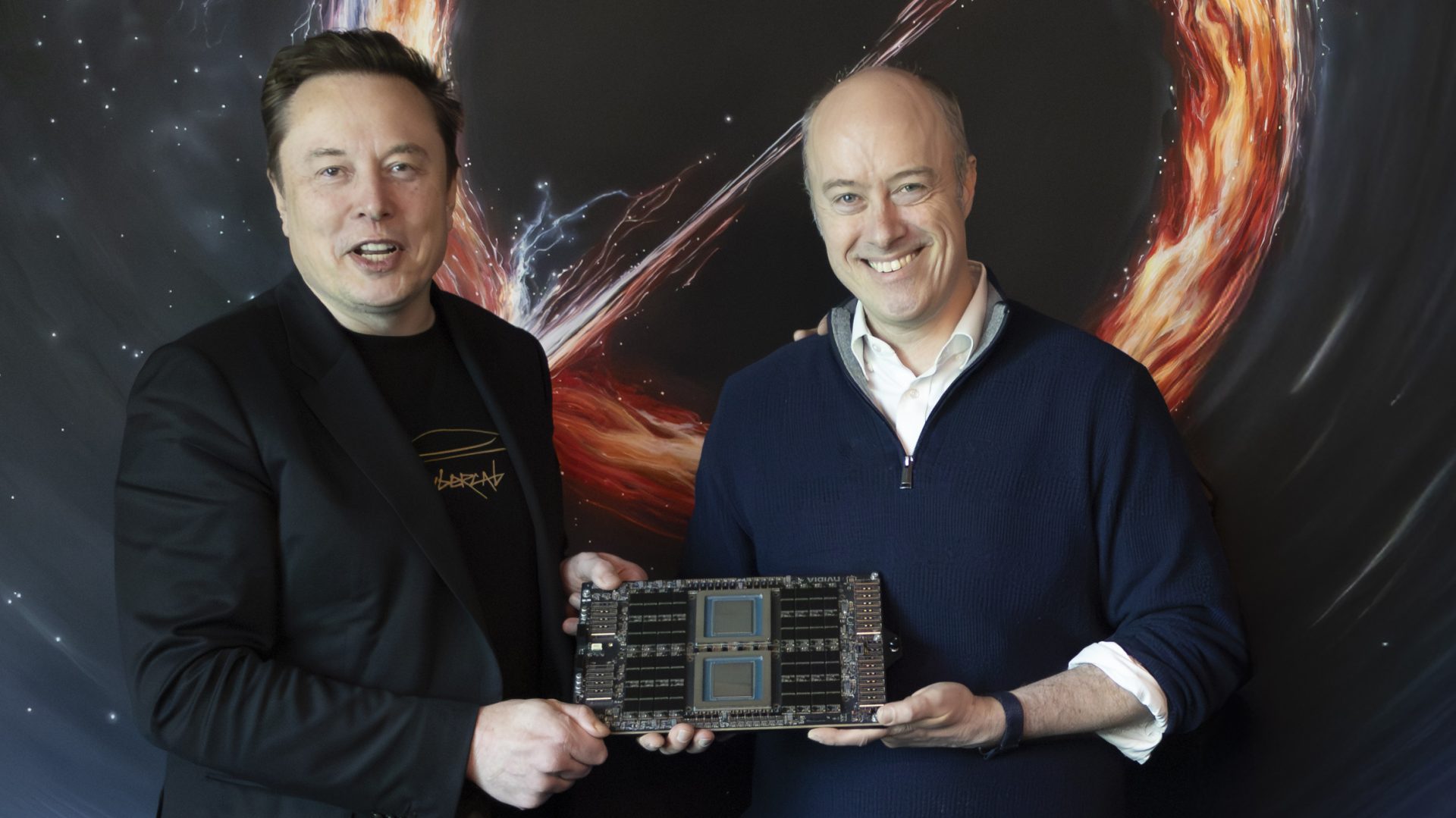
Nvidia, the undisputed king of AI silicon, saw its own revenue climb by 20%. But they’re not alone. The five major memory manufacturers—Samsung, SK Hynix, Micron, Kioxia, and Sandisk—all pointed to AI as the catalyst for their staggering growth. We’re talking SK Hynix up 57% and Sandisk an unbelievable 97% quarter-over-quarter. Combined, Nvidia and these memory giants pulled in $208 billion, a full 70% of the total revenue for the top twenty semiconductor companies. Meanwhile, the rest of the pack? A dismal 1% growth, with giants like AMD and Qualcomm seeing declines. This isn’t just a market peak; it’s a bifurcation, a clear divergence between the AI beneficiaries and the rest.
The AI Data Center Tsunami
Look at the immediate future, and the trend only intensifies. Nvidia anticipates another 12% growth in Q2 2026. The memory players are even more bullish: Micron expects 40%, Kioxia a staggering 75%, and Sandisk 34%. While Samsung and SK Hynix haven’t released specific guidance, they’re all betting on continued AI memory demand. Micron and Kioxia are even explicitly citing rising memory prices—a direct consequence of this AI-fueled demand — as a key revenue driver. The collective revenue for Nvidia and these memory titans is projected to surge by over 30% in Q2 alone. This isn’t a ripple; it’s a tidal wave.
Contrast this with the outlook for other chip segments. Of the eleven other companies providing Q2 guidance, two — Qualcomm and MediaTek — are projecting declines, pointing to weakened smartphone sales exacerbated by memory shortages. Yes, memory shortages. The very component that’s soaring in value for AI data centers is now constraining the less glamorous, but historically massive, smartphone market. Of the remaining nine, most are still leaning on AI-driven data center demand to fuel their modest projected 4% collective growth. It’s a stark picture: the semiconductor industry’s fortunes are now inextricably tied to the insatiable appetite of AI.
PCs and Phones: Collateral Damage?
This AI-driven dominance has created a profound semiconductor scarcity for other applications. Two bedrock pillars of semiconductor demand—Personal Computers and smartphones—are forecast to shrink significantly in 2026. IDC predicts a nearly 13% drop in smartphone unit shipments and an 11.3% fall in PC shipments. These are steep declines, but for the first time, they’re not driven by a lack of consumer desire, but by a fundamental inability of manufacturers to get the chips they need. The supply chain, re-engineered for AI, is leaving other sectors starved.
So, what does this all mean for the rest of the year? The Q1 surge is setting the stage for what could be the most significant annual growth in semiconductor history. Forecasts range from IDC’s 52.8% to Semiconductor Intelligence’s ambitious 80%. Even more conservative estimates from Gartner and others hover around 62-65%. For context, the previous record annual growth, 42% in 1995, coincided with the nascent internet boom. This AI boom, however, feels structurally different. Previous booms—the PC era, the smartphone explosion—had a direct line from the end-user to chip demand. AI applications are more abstract; the demand is driven by massive AI data centers, an infrastructure layer that might grow disproportionately large relative to immediate end-user applications.
This AI-driven market bears a striking resemblance to the dot-com bubble of the late 1990s. The internet’s explosion demanded an unprecedented build-out of communications infrastructure, which in turn ignited semiconductor growth. But remember how that ended? The infrastructure built to support the internet far exceeded what was actually needed at the time. The dot-com bust didn’t kill the internet; it just revealed that the foundational layer had been over-engineered for its then-current use case.
AI can continue to flourish even if there is a correction in the growth of AI data centers. The next few years will certainly be interesting times for the semiconductor industry.
Similarly, AI’s trajectory might continue upward even if the hyperscale data center build-out experiences a recalibration. The architectural shift is undeniable. We’re not just making faster chips; we’re making chips fundamentally designed for new computational paradigms. The question isn’t if AI will continue to grow, but whether the infrastructure supporting it will align perfectly, or once again, overshoot. The semiconductor industry’s dependence on AI is now its greatest strength and, potentially, its most significant vulnerability. The days of broad-based, user-driven semiconductor growth cycles might be behind us, replaced by a more specialized, infrastructure-heavy boom. It’s a fascinating, and frankly, slightly terrifying, pivot point.