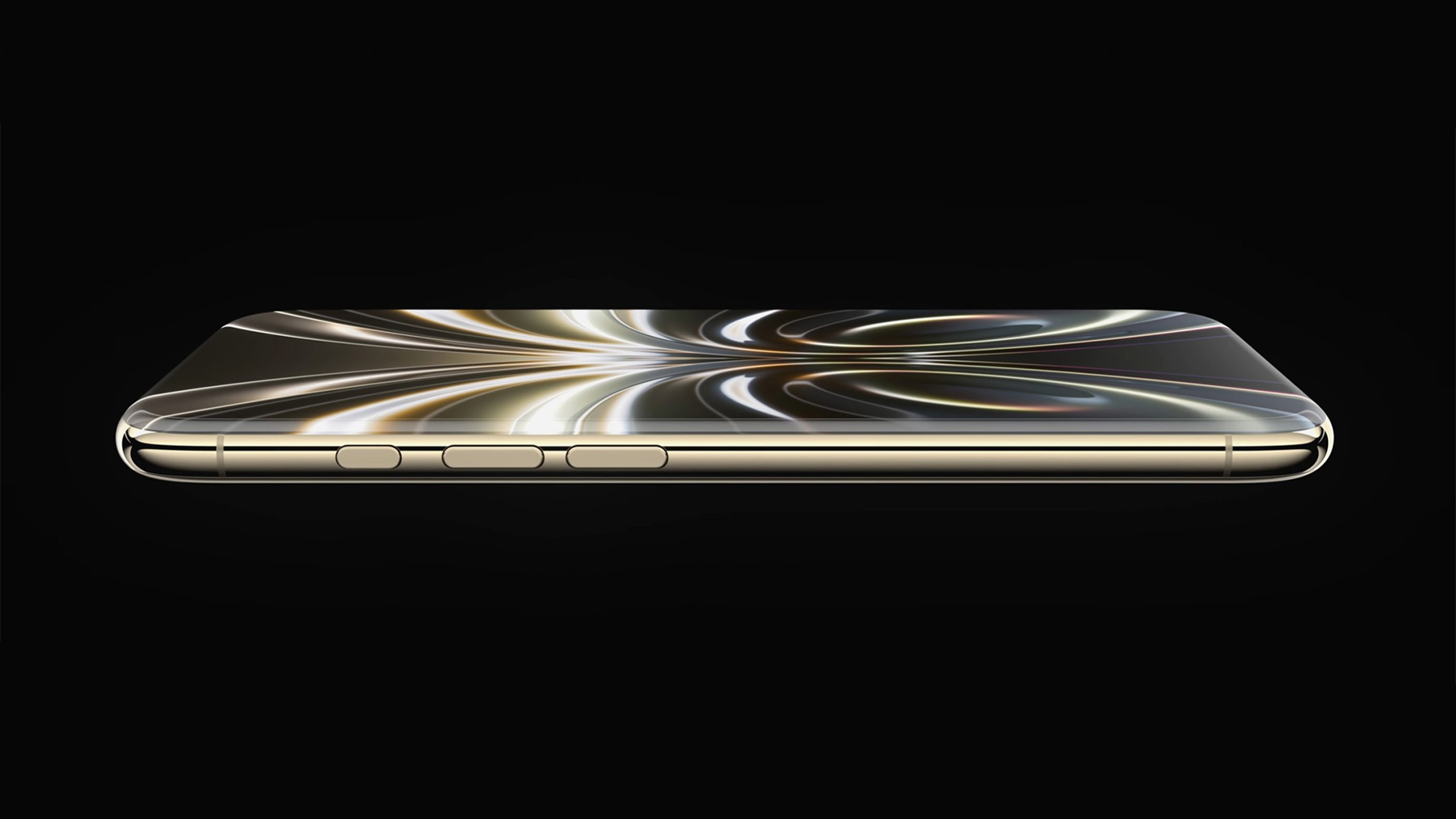
Radical redesign incoming.
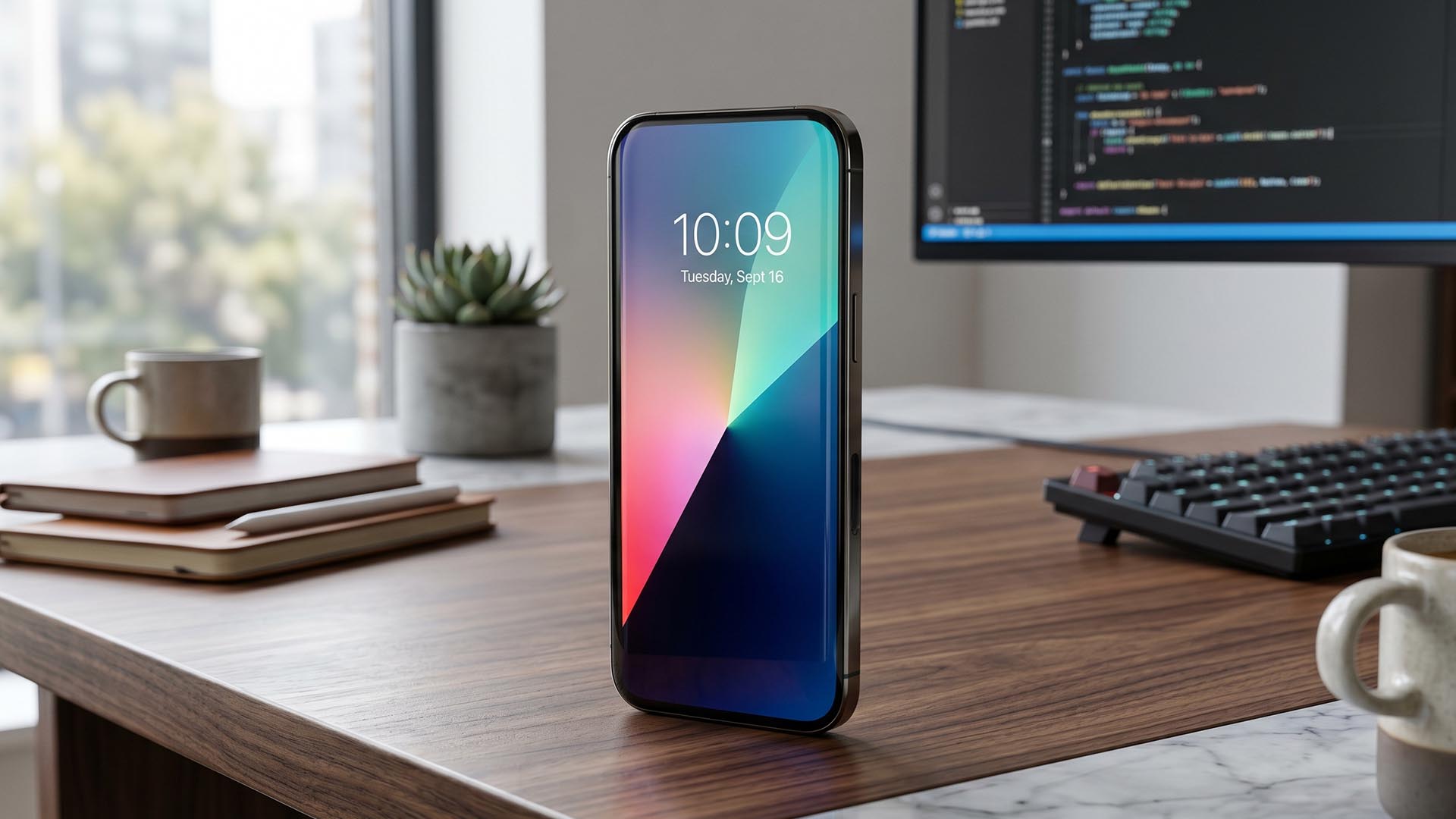
Forget incremental updates; the whispers around the iPhone 20, slated for its 20th-anniversary year, point to a seismic shift. Latest renders, unearthed from the rumor mill, are painting a picture of a quad-curved display, a departure from Apple’s long-held design language. This isn’t just about aesthetics, though. Beneath the surface, the device is rumored to be packing some serious technological muscle, hinting at a future where smartphone battery life is measured less in hours and more in days.
Powering the Future: Silicon-Anode Batteries and the A21 Chip
The most significant under-the-hood upgrade appears to be Apple’s rumored pivot away from traditional lithium-ion batteries. The move to silicon-anode technology, as suggested, could allow for substantially higher energy density. What does that mean in plain English? A bigger battery, or at least a much longer-lasting one, crammed into the same physical space. For anyone who’s ever experienced the creeping dread of a low battery indicator midway through the day, this is music to their ears.
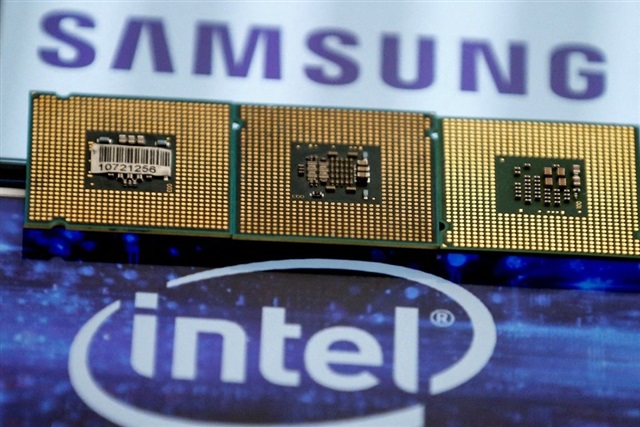
Paired with this battery evolution is the expected debut of the A21 chipset. While Apple has a storied history of in-house silicon prowess, there’s an interesting wrinkle: the possibility of Intel manufacturing the A21. This would represent a significant foundry shift for Apple, a move that market watchers will be scrutinizing closely. Foundry partnerships are increasingly becoming strategic battlegrounds, and Intel’s potential involvement here is a narrative worth tracking.
“Apple has been exploring this DRAM upgrade to elevate its on-device AI experience, and wouldn’t you know it, Samsung has found a way to implement this memory beyond servers using complex and complex packaging.”
High-Bandwidth Memory: AI’s New Frontier?
But the real headline grabber for AI enthusiasts—and let’s be honest, that’s increasingly everyone—is the rumored integration of High-Bandwidth Memory (HBM). This isn’t your typical mobile DRAM. HBM is designed for massive parallel processing, the kind of task that powers sophisticated AI models. If true, this move signals Apple’s intent to push the boundaries of on-device AI capabilities far beyond what current chipsets can handle alone. It’s a bold bet that suggests the company sees AI processing as a primary differentiator, and is willing to invest in the hardware to make it happen.
This isn’t just a hypothetical. Samsung, a consistent Apple supplier, has reportedly been working on bringing HBM technology to the mobile space. A partnership here, especially for the iPhone 20, seems plausible and would align with both companies’ strategic interests. The implication is clear: Apple wants its next flagship to be an AI powerhouse, not just a competent one.
The Camera Conundrum: Less is More?
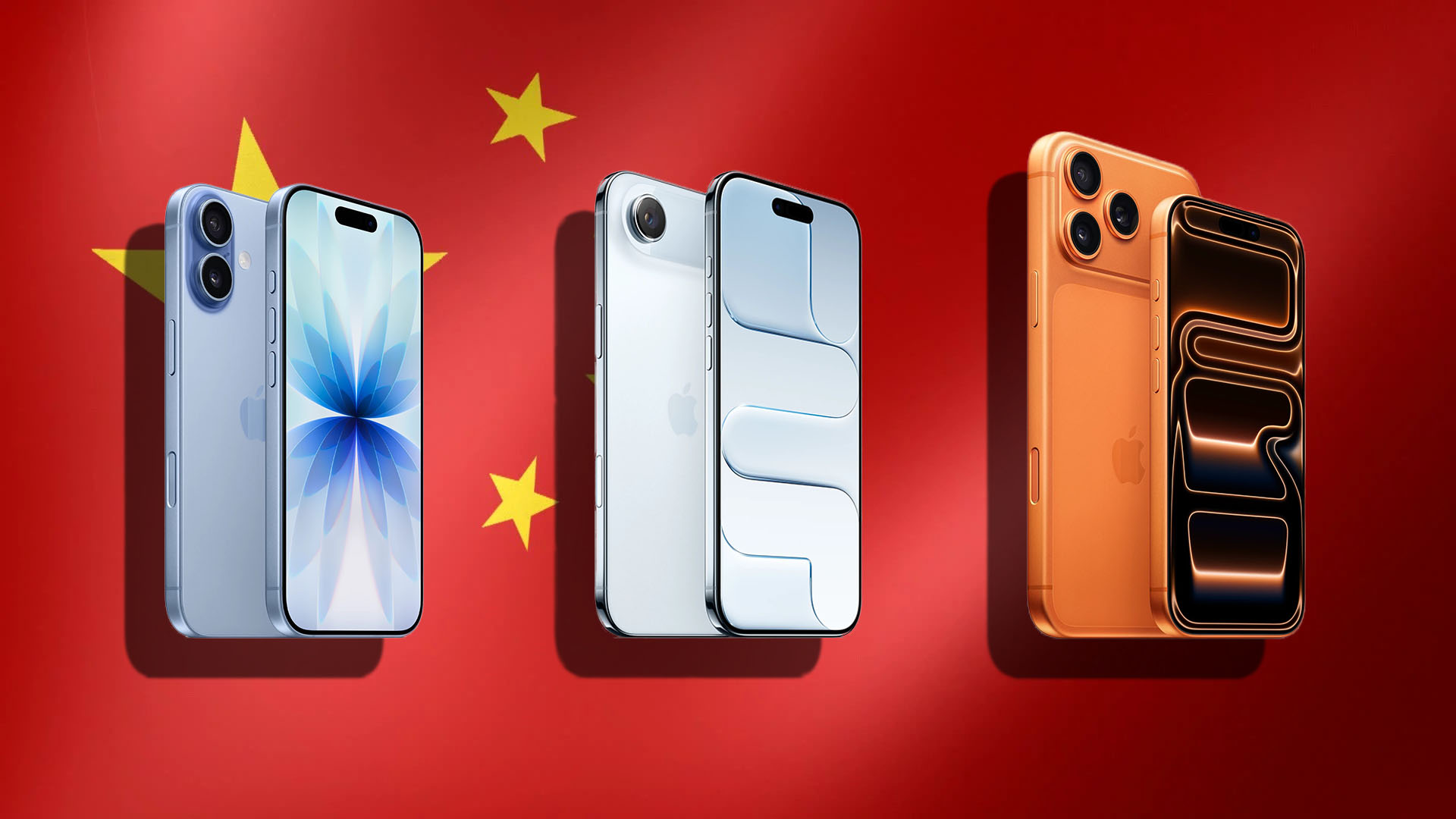
Curiously, the renders also depict a dual-camera setup on the rear of the iPhone 20. This stands in contrast to Apple’s recent top-tier flagships, which have sported triple-lens systems. Does this indicate a broader design philosophy change, perhaps extending the quad-curved display and dual-camera to base models? Or is it a simplified approach for the anniversary edition? The lack of a definitive answer fuels speculation, but it does suggest a potential reevaluation of camera hardware strategy.
This whole package—the radical new display, the advanced battery tech, the potent A21, and especially the HBM integration—paints a picture of an iPhone that’s not just iterating, but aiming to redefine user experience. The market dynamics are shifting rapidly, with AI integration and power efficiency at the forefront. Apple’s alleged roadmap for the iPhone 20 appears to be a direct response to these trends.
My Take: A Bold Gamble or Calculated Evolution?
The strategy behind these rumored upgrades is clear: to reclaim perceived leadership in innovation and, critically, to push the envelope on AI. The move to HBM, if it materializes, is particularly telling. It suggests Apple understands that future mobile computing will be heavily reliant on specialized memory architectures to handle the computational demands of advanced AI. This is a more aggressive stance than just boosting NPU cores; it’s about fundamentally altering the hardware foundation for AI processing. However, relying on Intel for A21 production, should that rumor hold water, introduces a variable that bears watching, given Intel’s historical foundry challenges. It’s a high-stakes play, designed to capture both imagination and market share in an increasingly competitive landscape.