KAOHSIUNG, TAIWAN – The air here practically hums with the promise of silicon. And now, a crucial ingredient for that silicon is getting a serious jolt of new capacity. Tokuyama Corporation, a titan in chemical manufacturing, just announced it’s doubling down on high-purity isopropyl alcohol (IPA) production in Taiwan, a move that ripples far beyond the immediate chemical market and directly into the heart of the global semiconductor supply chain.
This isn’t just another factory opening; it’s a strategic play on a scale that dwarfs previous expansions. Imagine a bustling metropolis where every single skyscraper needs a specific, ultra-pure liquid to solidify its foundations. That’s the semiconductor industry right now, and IPA is that foundational liquid. It’s used in cleaning wafers at multiple stages of fabrication, a role so critical that even a whisper of a shortage can send shockwaves through the entire tech ecosystem. Tokuyama’s decision to pour more resources into its Kaohsiung facility, a joint venture with the formidable Formosa Plastics, is essentially them saying, ‘We see the future, and it’s built on a steady, abundant supply of ultra-pure chemicals.’
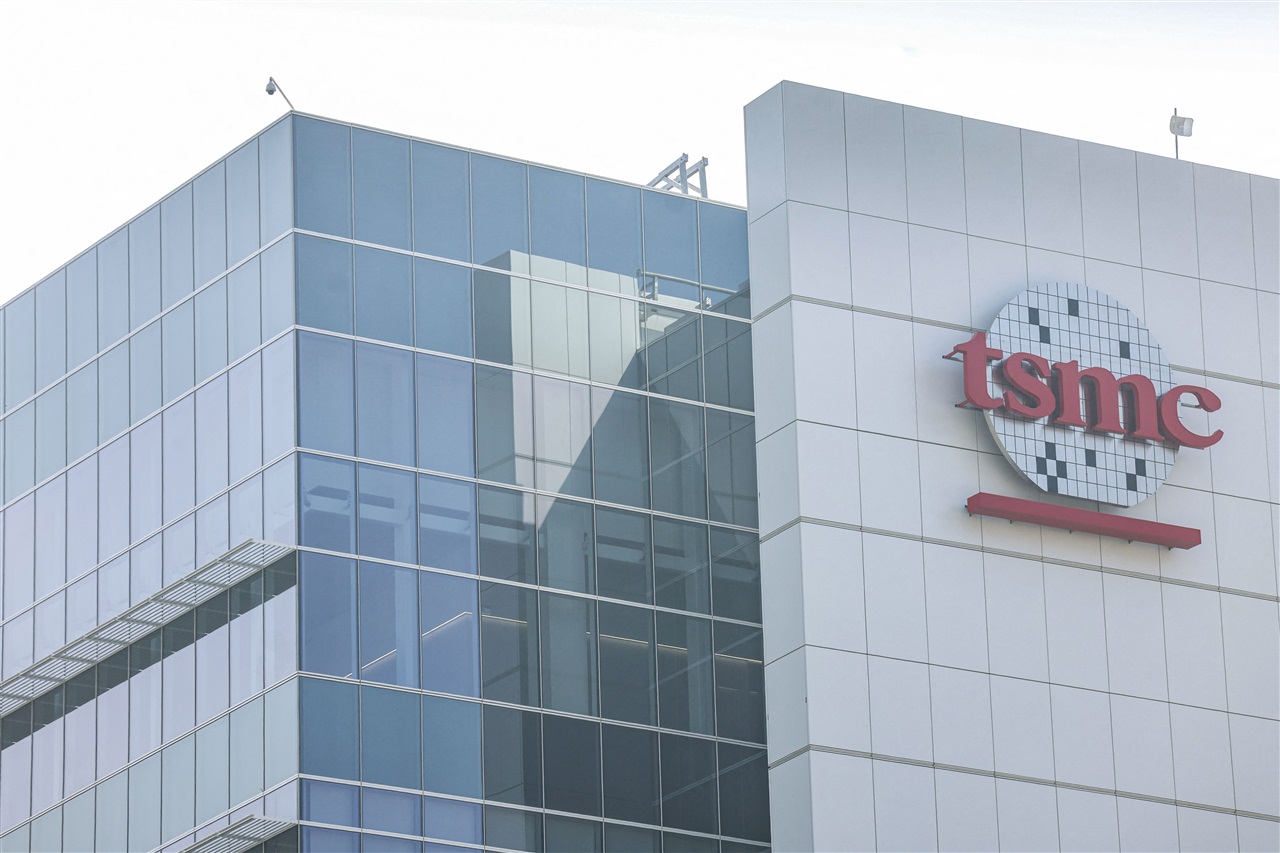
Why Taiwan? Because it’s the epicenter. TSMC, the undisputed king of contract chip manufacturing, operates its most advanced foundries here. Proximity is not just about logistics; it’s about instantaneous response, about cutting down lead times to near zero. When you’re dealing with processes that require nanometer precision, having your essential chemical suppliers practically next door is less a convenience and more a necessity. It’s like a Michelin-star chef insisting their truffle supplier is just a five-minute drive away – the quality and freshness (or in this case, purity and availability) are non-negotiable.
The original press release from Tokuyama was, as expected, a masterclass in corporate understatement. But behind the measured words, a monumental shift is occurring. They’re not just building capacity; they’re investing in the long-term viability of an industry that underpins everything from our smartphones to our self-driving cars. The stated aim? To strengthen global semiconductor supply chains. That’s a polite way of saying they’re building a bulwark against the kind of shortages that have crippled industries worldwide.
The IPA Imperative
So, what is this magical IPA and why is it so darn important? Isopropyl alcohol, in its common form, is your friendly neighborhood disinfectant. But the stuff Tokuyama is making? It’s in a league of its own. We’re talking about parts-per-billion purity levels, meaning contaminants are virtually nonexistent. This level of purity is absolutely essential for semiconductor fabrication. Any stray particle, any metallic impurity, can render an entire wafer—and the hundreds or thousands of chips on it—useless. Think of it like trying to build a perfect crystal lattice; even a single misplaced atom can ruin the whole structure.
Tokuyama’s second IPA plant in Kaohsiung will significantly boost its production capabilities, aiming to meet the escalating demand driven by the ongoing boom in chip manufacturing. This isn’t just about satisfying current needs; it’s about anticipating future demand. We’re not talking about a gradual uptick; we’re talking about an exponential curve, fueled by AI, 5G, and the ever-increasing digitization of our lives. The world’s appetite for processing power is insatiable, and that requires an equally insatiable demand for the materials that make those processors possible.
“The second IPA plant, slated for completion by fiscal year 2026, will utilize Tokuyama’s proprietary purification technology, ensuring the highest quality and stable supply of high-purity IPA to meet the growing global demand.” – Tokuyama Corporation Press Release
This quote, while dry, is packed with significance. “Proprietary purification technology” is the secret sauce. It’s what allows them to achieve those mind-boggling purity levels. And the “stable supply” part? That’s the real headline for anyone in the semiconductor business. Instability in material supply is the Achilles’ heel of modern manufacturing.
A Bet on the Unstoppable AI Train
My take? This is more than just a response to current chip shortages. This is a foundational investment in the AI era. Artificial intelligence, in all its current and future forms, is an incredibly data-hungry and computationally intensive beast. Training large language models, powering sophisticated AI services – these all require vastly more processing power than previous technological waves. And more processing power means more advanced chip fabrication, which means an even greater, more urgent need for ultra-pure materials like IPA.
Tokuyama isn’t just building a chemical plant; they’re essentially laying down more strong pipes for the AI revolution. They’re enabling the very infrastructure that will power the next decade of technological advancement. It’s a bold, visionary move that underscores how interconnected our digital future is with the seemingly mundane world of chemical engineering.
The investment in Taiwan, specifically, is telling. It signals a deep trust in the island’s manufacturing prowess and its central role in global chip production. While geopolitical tensions are a constant backdrop, this move suggests a pragmatic approach: build where the demand is, and where the ecosystem is already established. It’s a vote of confidence in Taiwan’s ability to continue as the linchpin of the semiconductor world, at least for the foreseeable future.
What this means for the average consumer is a more consistent supply of the electronic devices we’ve come to rely on. Fewer delays for smartphones, faster availability of next-gen gaming consoles, and ultimately, the continued rollout of technologies that are still in their nascent stages. It’s the often-invisible infrastructure that keeps the digital world spinning.
And for the industry itself? It’s a breath of fresh air. A dedicated, massive expansion of a critical material source reduces uncertainty. It allows chipmakers to plan with greater confidence, to invest in new fabs and R&D without the nagging worry that a vital chemical might dry up. It’s akin to a city government ensuring a constant, clean water supply before embarking on a major population boom – an absolute prerequisite for growth.
Will this single plant solve all the world’s semiconductor supply chain woes? No, of course not. The industry is a complex web of interdependencies. But it’s a significant, powerful stride in the right direction. Tokuyama’s commitment here is a signal flare, indicating that the high-purity chemical backbone of the semiconductor industry is being strengthened, one meticulously purified molecule at a time. The future of computing is being built, and Tokuyama is ensuring the foundation is solid.
Why Does This Matter for Foundries?
For semiconductor foundries, this expansion is a lifeline. The ability to secure a stable, high-quality supply of IPA is paramount. It directly impacts yield rates and the overall efficiency of their fabrication processes. With demand for advanced chips skyrocketing, especially for AI applications, the pressure on foundries to maintain production is immense. Tokuyama’s commitment to increased capacity alleviates a significant bottleneck, allowing foundries to operate at higher utilization rates and potentially accelerate their own expansion plans. It’s the kind of foundational support that allows the entire ecosystem to thrive.
What is High-Purity IPA Used For?
High-purity isopropyl alcohol is primarily used in the semiconductor manufacturing process as a cleaning agent. It’s critical for removing contaminants from silicon wafers at various stages of fabrication, including photolithography and etching. Achieving extremely high purity levels (often parts-per-billion) is essential to prevent microscopic defects that could render chips non-functional. Think of it as the ultimate precision cleaner for the most sensitive manufacturing process on Earth.
Will This Fix the Chip Shortage?
While Tokuyama’s expansion is a significant positive step and a major boost to a critical material’s supply, it’s important to remember that the global chip shortage is a multifaceted issue. It involves complex production cycles, diverse material dependencies, geopolitical factors, and fluctuating demand across various sectors. This IPA plant will certainly alleviate one pressure point and contribute to more stable supply chains, but it won’t single-handedly resolve all the challenges. It’s a crucial piece of the puzzle, but not the entire picture.