China's Chip Downfall? US Eyes ASML DUV Ban
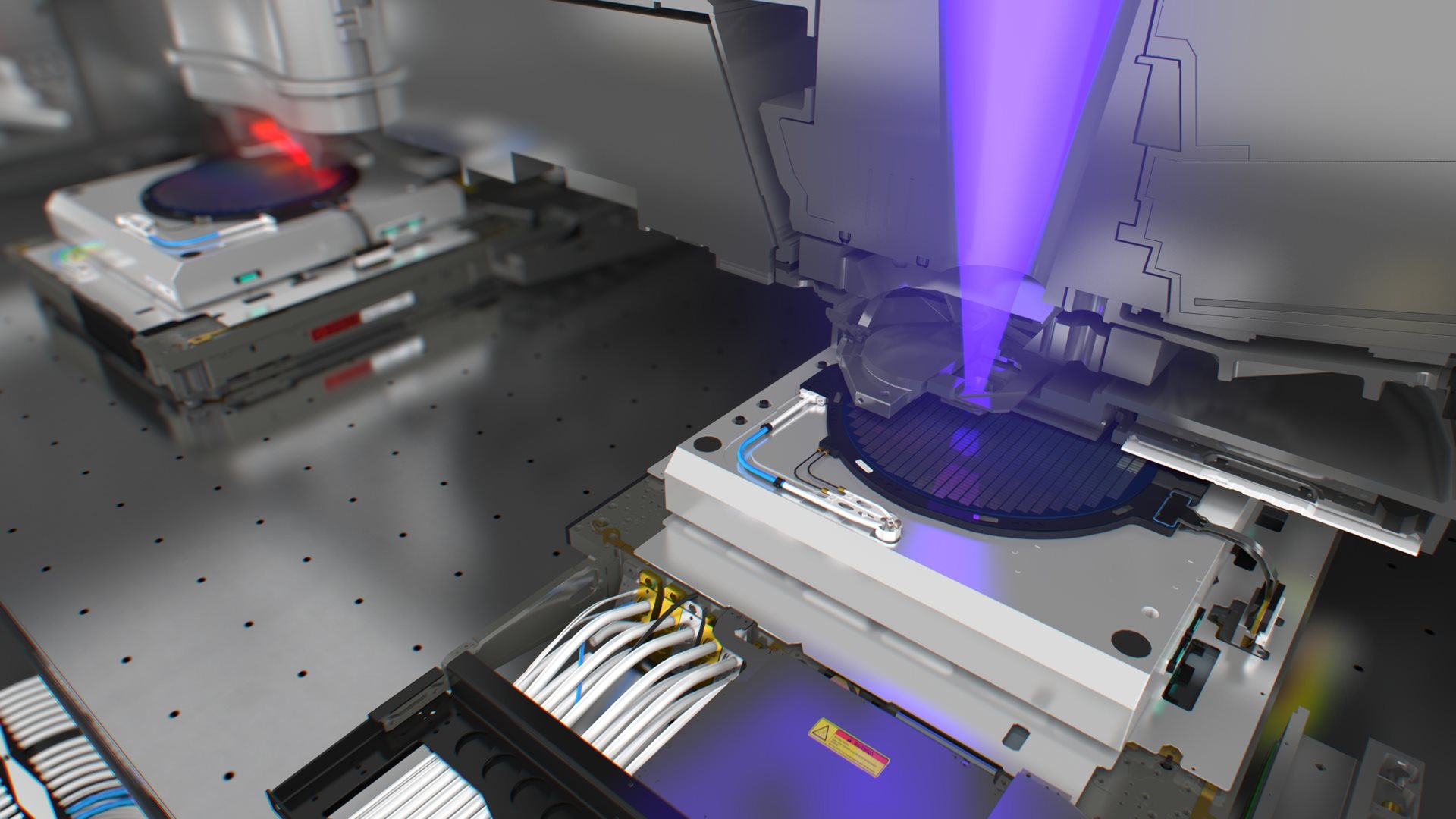
Is China's semiconductor ascent about to hit a brick wall? New US legislation aims to sever its lifeline to critical ASML equipment, potentially reshaping the global chip landscape.
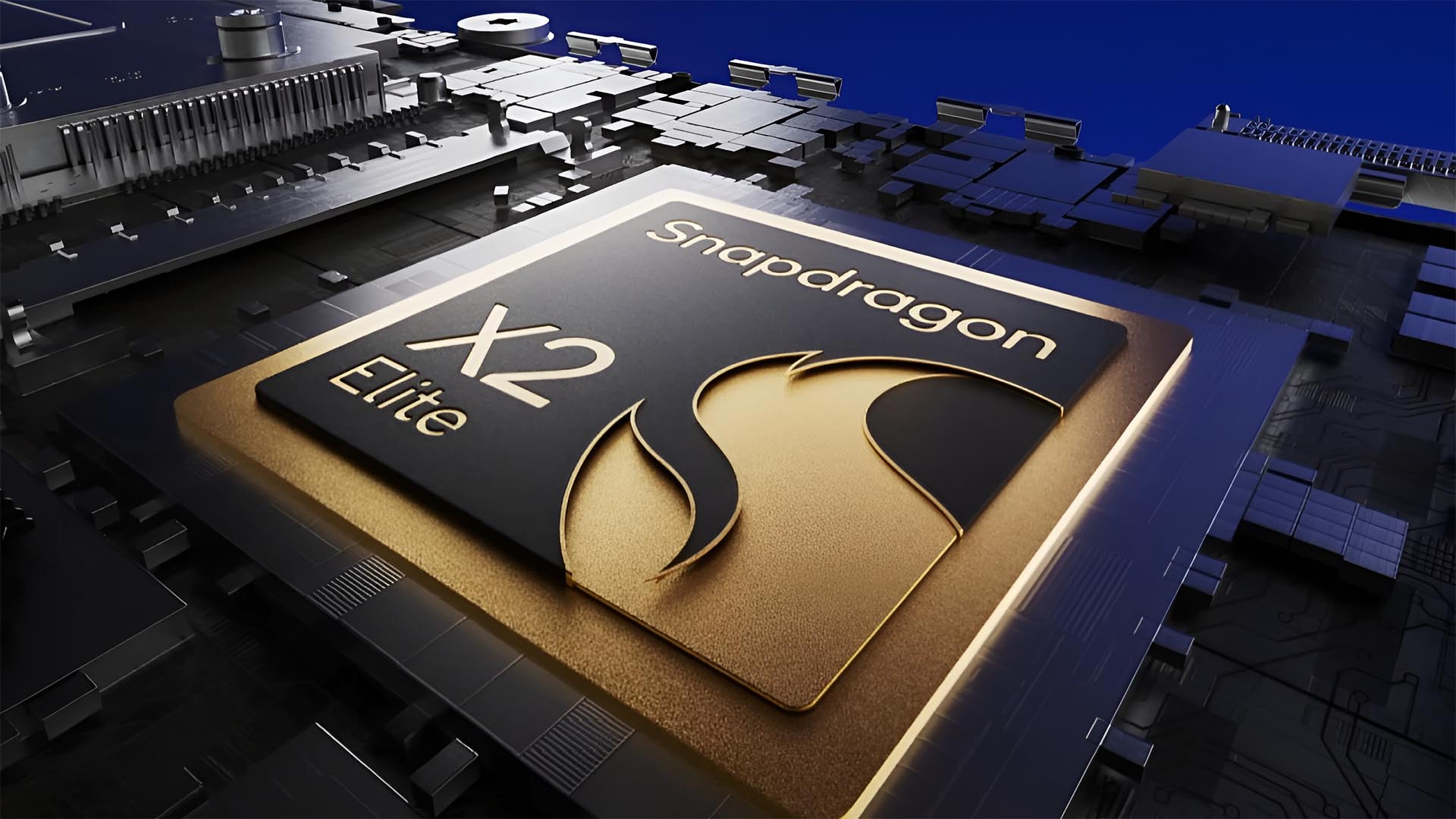
The silicon is ready, the apps are trickling in, but the laptops running Qualcomm's new Snapdragon X Elite are hitting the market with a price tag that could choke an ecosystem before it truly breathes.
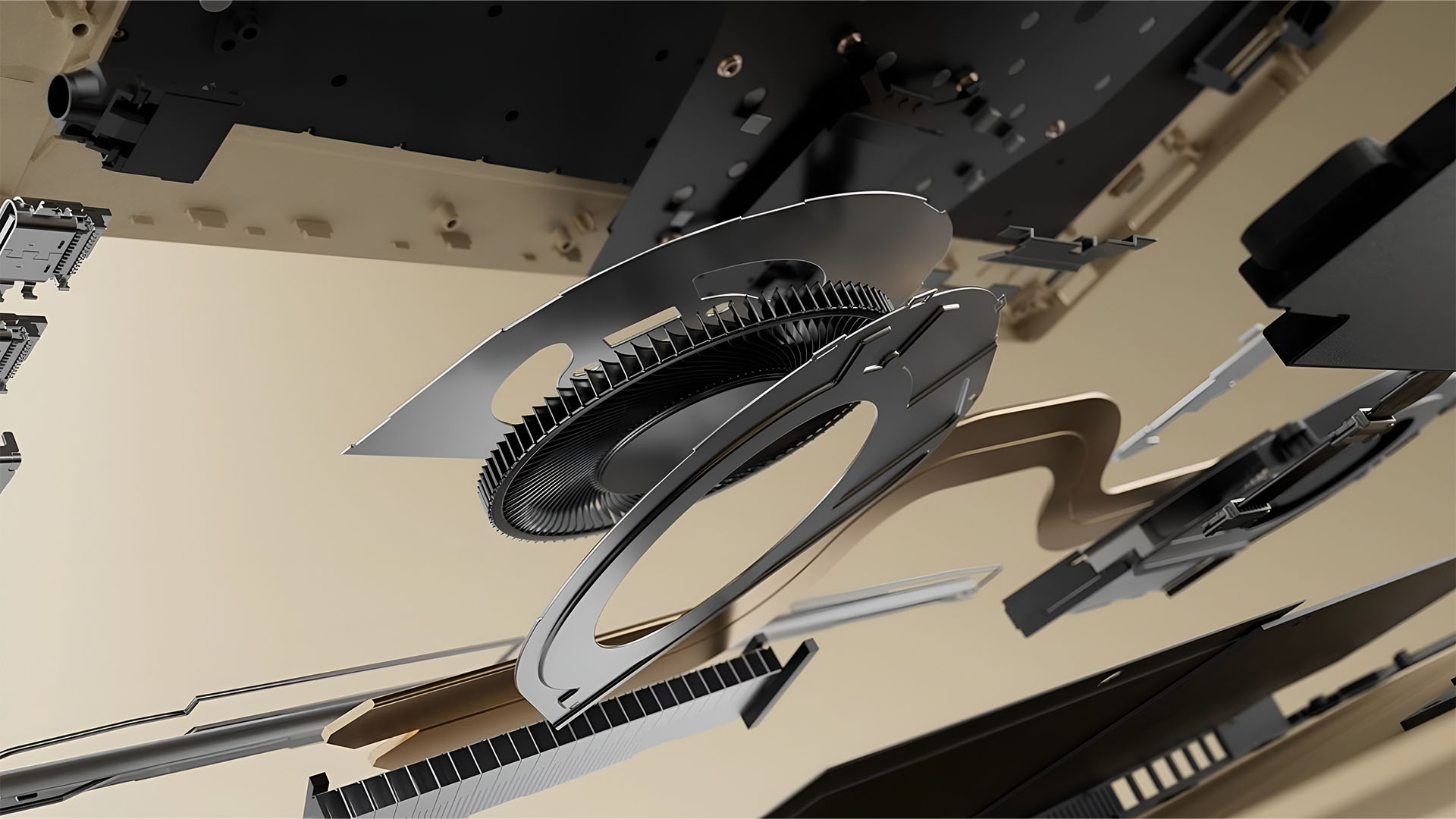
Everyone figured Apple's M5 chips would dominate laptops with effortless efficiency. But ASUS's Zenbook A16, powered by Snapdragon X2 Elite Extreme, flips the script with superior cooling that delivers real sustained performance—exposing Apple's thermal shortcomings.
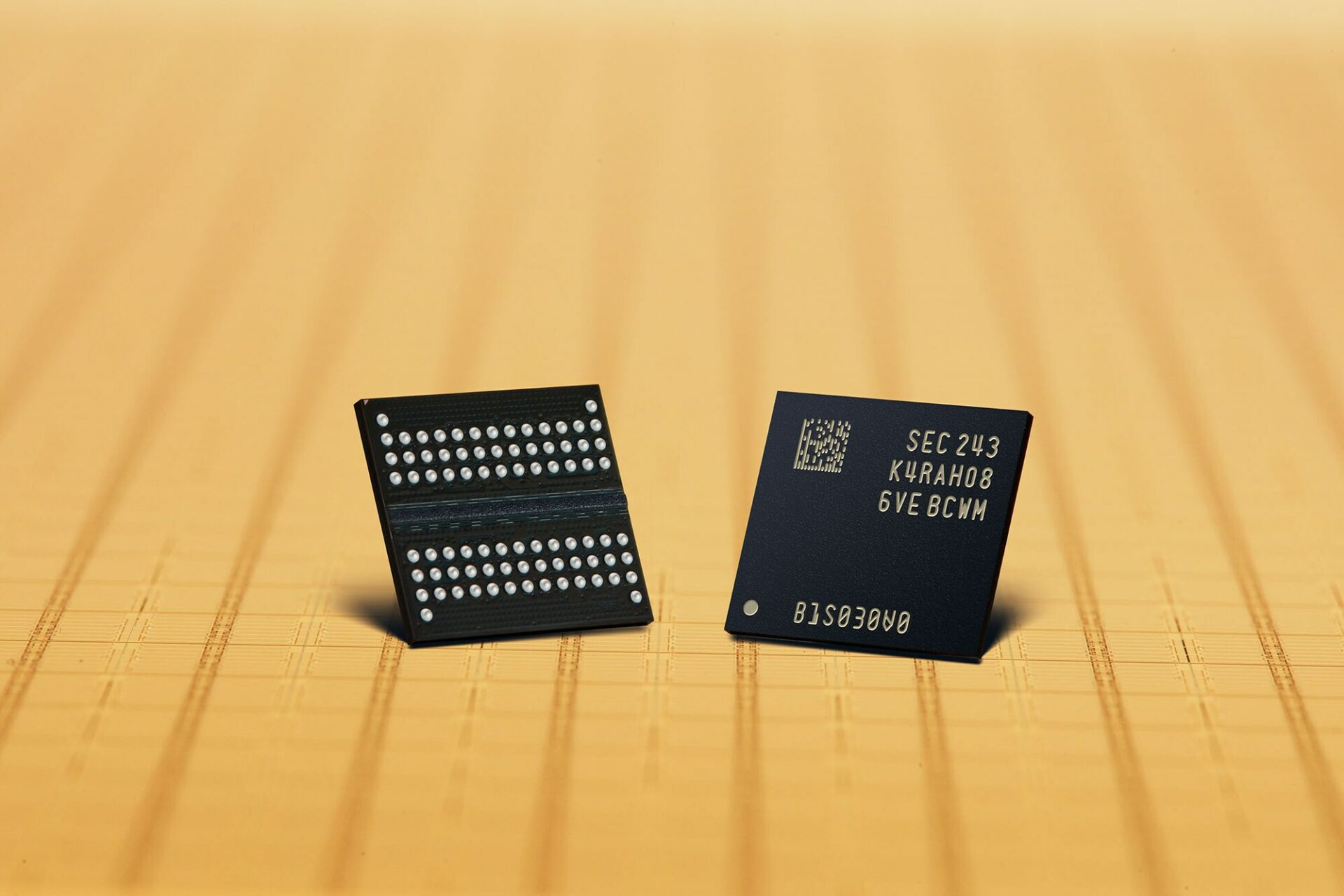
Your AI-powered phone, cloud storage, data center dreams—they all hinge on memory chips. Samsung's DRAM unit just posted $37 billion in Q1 revenue, eclipsing Amazon and Microsoft's operating profits.
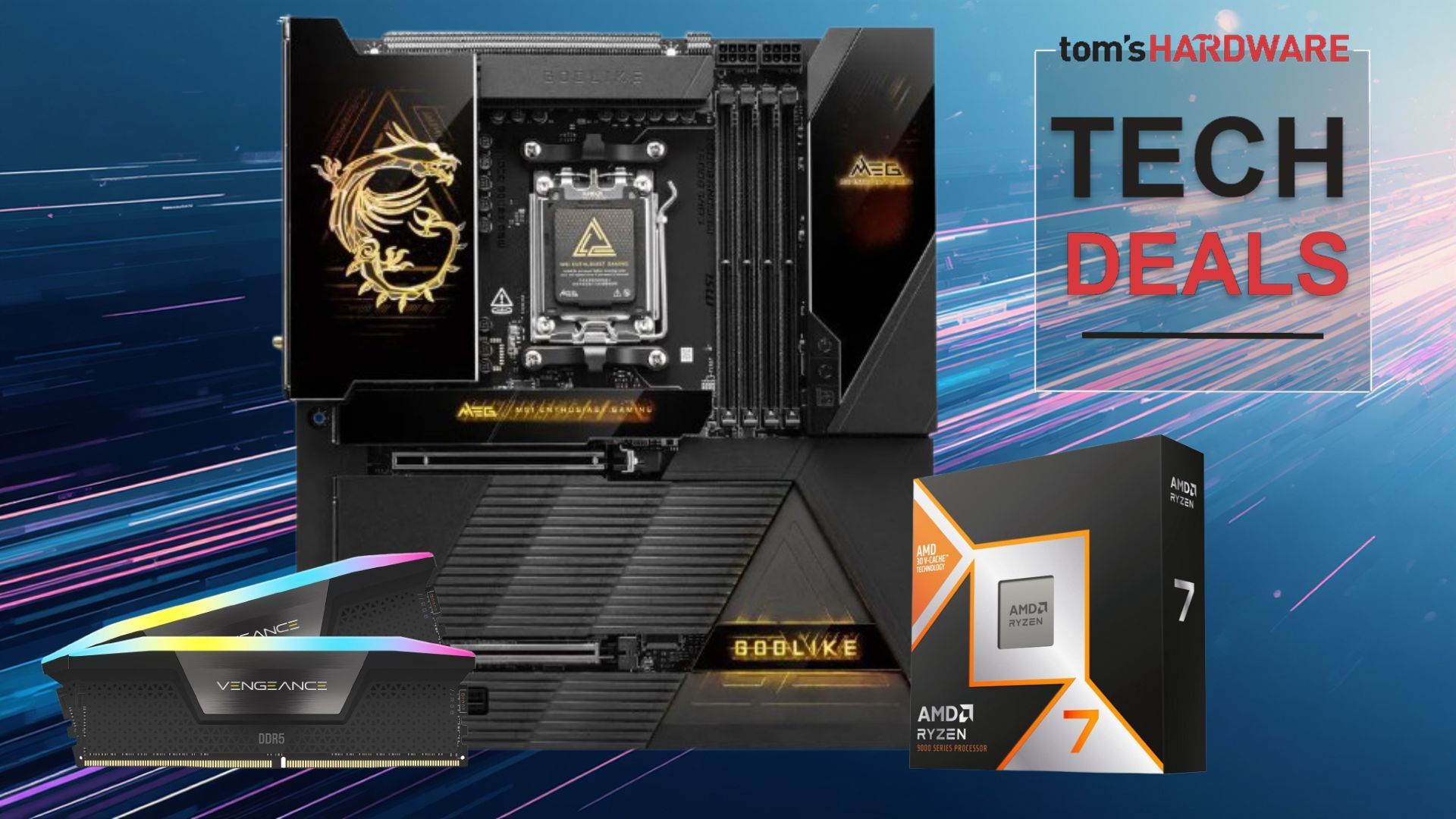
Picture this: 32GB of speedy Corsair DDR5 for pocket change in a bundle that packs a gaming CPU monster and MSI's absurdly loaded Godlike board. But at $1,625, is it a bargain or a brag?
Picture MI6 spies debugging code mid-mission, as fluent in Python as in Putin's playbook. New chief Blaise Metreweli's vision remakes espionage for an AI-armed world.
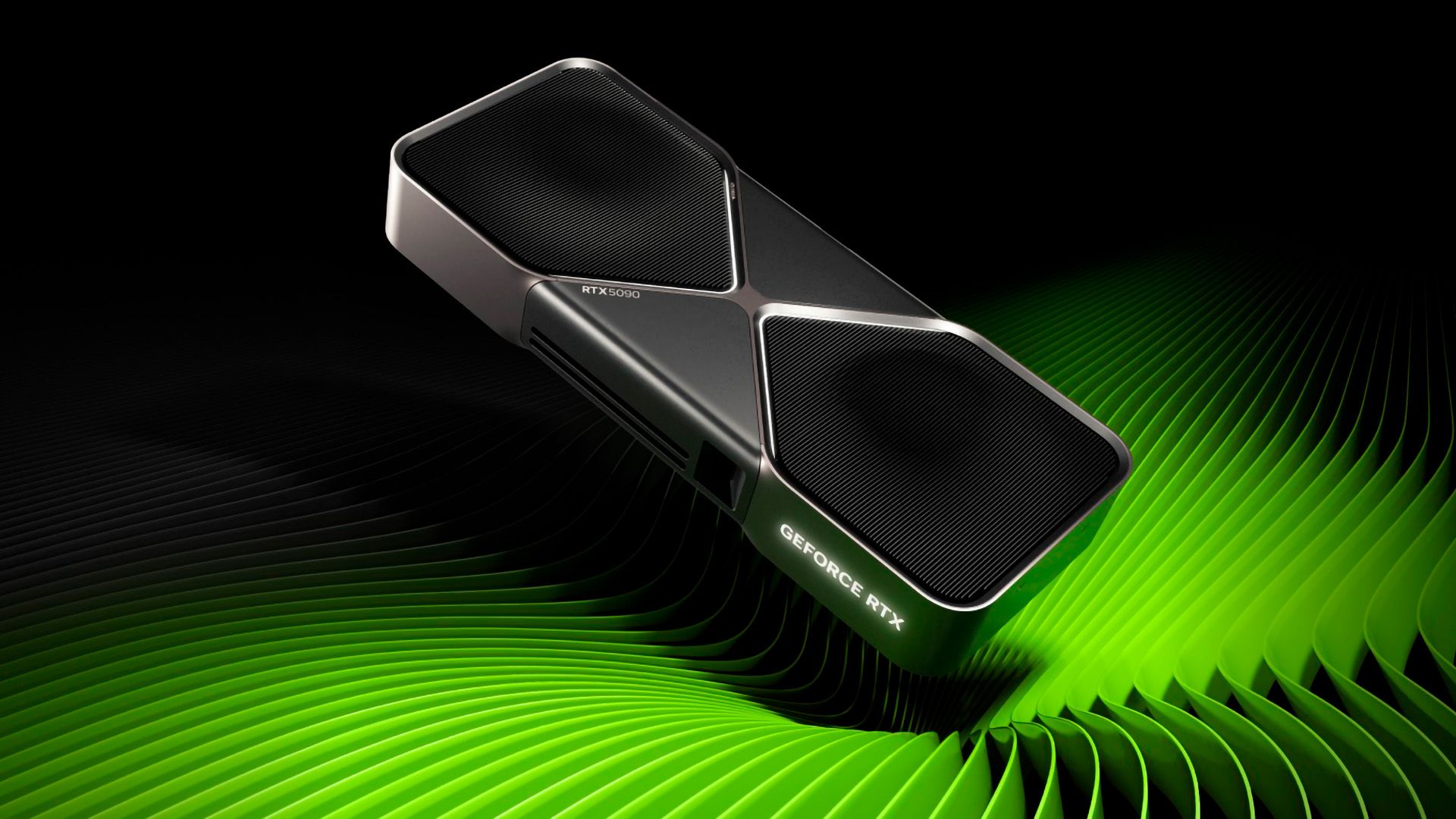
Forget the AI gold rush. A lone RTX 5090 just embarrassed two $30,000 datacenter titans in brutal password-cracking tests. Gaming rigs win again.
Arm's finally baking its own server CPUs — the AGI chip for AI datacenters. But who's really winning here: Meta, SoftBank, or the same old licensees?
Nutanix CEO Rajiv Ramaswami eyes VMware's carcass like a vulture. GPU virtualization? It's their shiny new lure — but enterprises might choke on the wait.
Every second an Nvidia GPU idles costs a fortune. And with metadata devouring 20% of I/O in AI superclusters, old storage can't keep up—time for a rethink.
AWS chips hit a $50 billion annual run rate. CEO Andy Jassy's letter reveals near-sold-out AI capacity and customers begging for every Graviton server.
Gold's at $4,000 per ounce. Nvidia's latest Blackwell GPU? A measly $330. Time to stop treating chips like bullion.
Google's doubling down on Intel's SmartNICs—aka IPUs—for its datacenters. It's a pragmatic move in the AI era, but whispers of Arm's rise linger.
What if your chip fab could spot yield-killing glitches the instant they happen? yieldHUB's new Live platform does exactly that, turning static data into a pulsing nerve center for semiconductor production.
Picture this: Japan, not shying from Trump's bold AI vision, links arms with US labs and Nvidia to forge supercomputers that could unlock fusion energy secrets. While Europe frets over Big Tech reliance, Tokyo races ahead.
Silicon Valley's been buzzing for HBM4 to rescue starving AI bandwidth. Synopsys just linked it up in silicon — first full-path validation at 9.2 Gbps. But does this fix the real bottlenecks?
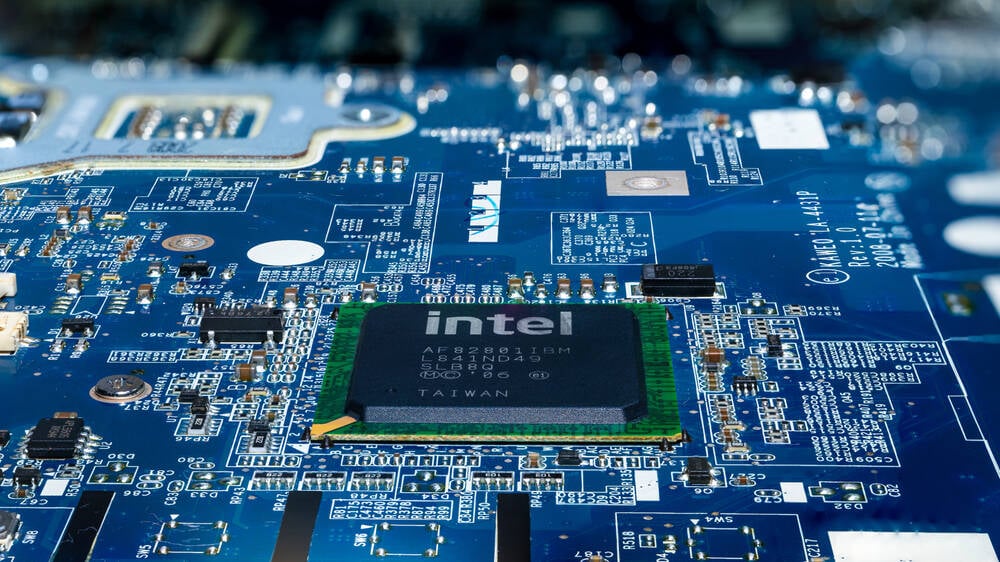
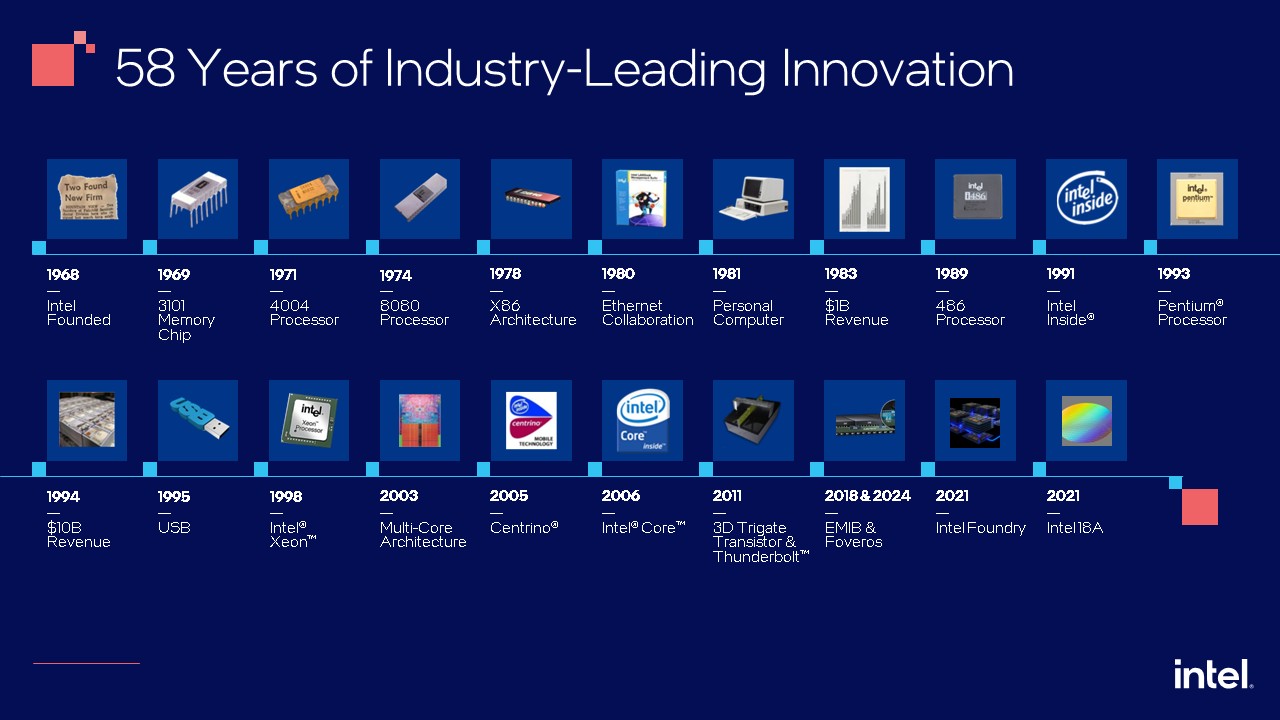
Fortune just slapped a gold star on Intel: one of America's Most Innovative Companies. From the first microprocessor to AI-ready 18A nodes, they're firing on all cylinders again.
Everyone figured US export controls would kneecap China's AI dreams forever. Huawei's Ascend production ramp says otherwise — they're building die banks and leaning on TSMC holdovers, with HBM as the lone bottleneck.
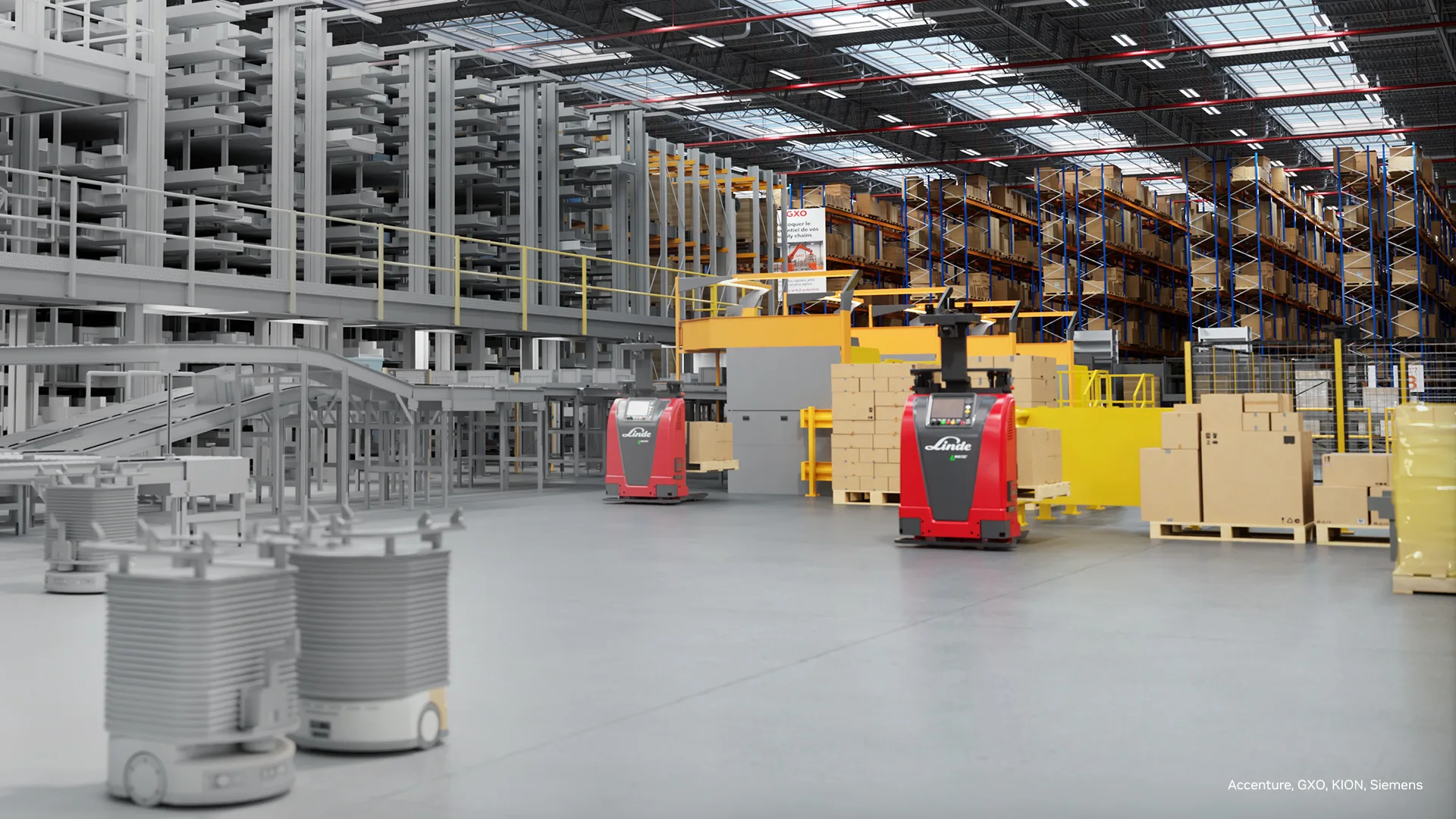
NVIDIA's cracking open Omniverse with libraries that let you bolt on physical AI without swallowing the whole stack. Smart move—or sly retention play?
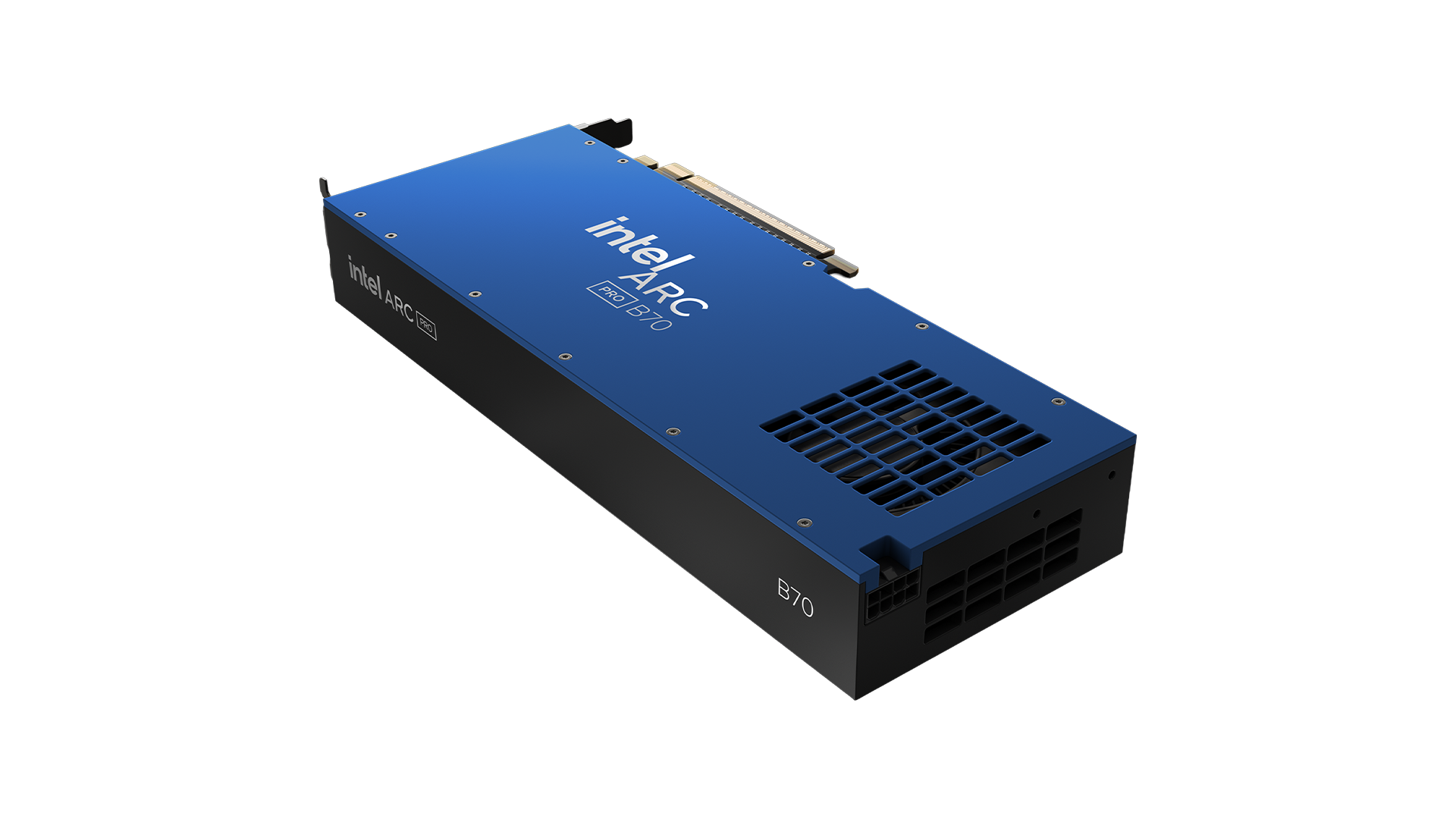
Intel's latest MLPerf Inference v6.0 scores have the Arc Pro B70 flexing 1.8x faster than its predecessor. Progress, sure — but in Nvidia's world, is this a win or just catching up?