Intel clings on.
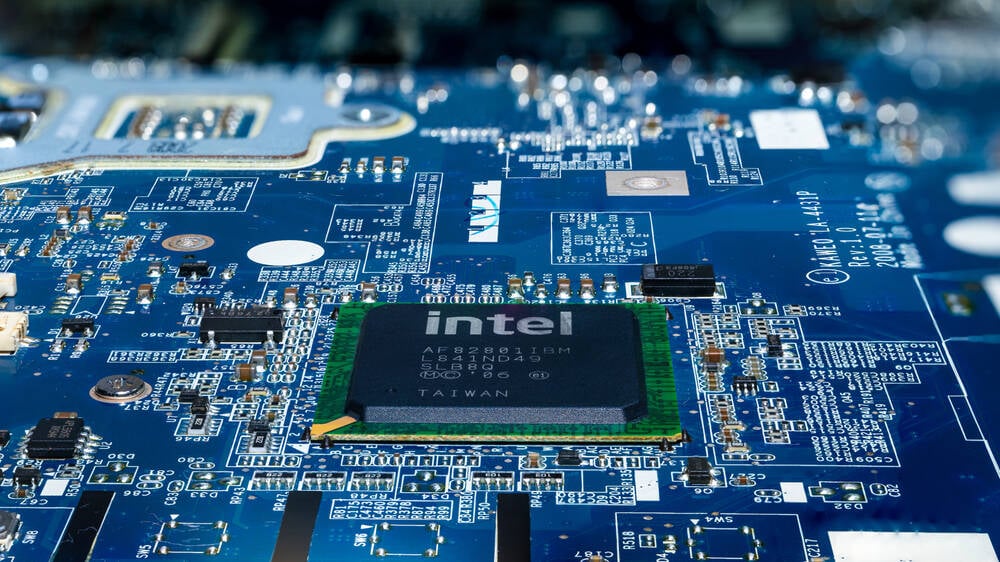
Google’s latest move screams pragmatism in a world gone mad for custom silicon. They’re expanding their deal with Intel for more infrastructure processing units (IPUs)—SmartNICs, if you prefer the street name—to juice up datacenter efficiency. No blazing their own trail like AWS with Nitro. Instead, they’re handing Chipzilla the keys to offload networking, security, storage grunt work, freeing CPUs for the real AI heavy lifting.
Here’s the raw deal: back in 2022, Google tapped Intel for Mount Evans, an ASIC-based IPU that shipped with C3 instances. Fast-forward — or don’t, since Intel hates that phrase — and now they’re cooking up next-gen versions. Intel’s press release drips with relief, announcing this on a Thursday like it’s salvaging their Datacenter and Networking rep.
“The company’s custom ASIC biz grew more than 50 percent in 2025 and exited Q4 at an annualized revenue run rate above $1 billion.”
That’s Intel CFO David Zinsner, spilling during January’s earnings call. A billion bucks a year from custom ASICs? Not chump change for a firm bleeding from PC woes and foundry fumbles.
But why Google? Why not join the custom parade?
Why Google Skips Custom IPUs Like AWS?
Hyperscalers love control. Amazon’s Annapurna Labs spits out Nitro NICs; Microsoft’s FPGA wizardry handles the offloads. Google? They’ve got TPUs for AI glory, Axion Arm CPUs brewing. Yet they stick with Intel.
Look. Speed matters in AI clusters — those monster GPU farms slurping electrons for training. Mount Evans clocks 200 Gbps. Next ones? Bet on 400 or 800, chasing Ethernet’s arms race. Intel’s fabs crank these out faster than Google could spin up a team (they tried ASICs before, remember?). It’s architecture shift: IPUs aren’t just NICs; they’re mini-computers, programmable for security enclaves, load balancing, even light storage virt.
And the why underneath? Cost. Time. Intel’s IPU game matured post-Altera buyout — that FPGA heritage shines in flexible ASICs. Google gets proven silicon without the R&D bleed. Smart, skeptical play.
Short answer: they’re not married to x86 forever, but for networking? Intel’s the frenemy that delivers.
Google Cloud runs Xeons too — Nvidia’s DGX refs have rocked them since H100 days. Axion Arm? It’s there, internal and customer-facing. But x86 sticks for compatibility, perf tuning, pricing wars with AMD. No ejection imminent.
Can Intel’s IPUs Save Its Datacenter Soul?
Chipzilla’s hurting. PC market? Battered by tariffs, wars, whatever. Elon’s megafab dreams? Delusional traps. Yet this Google nod — and Xeons in AI orchestration — buys time.
My unique angle: echo the 90s. Remember Intel crushing MIPS, SPARC via volume, ecosystem lock-in? Hyperscalers now flip the script, but IPUs mirror that — commoditizing the offloads, letting Intel nibble at the pie AWS/Microsoft hoard. Bold prediction: if Intel nails 800G IPUs with AI-specific accelerators (think tensor offloads), they snag 20% of hyperscaler networking spend by 2027. PR spin calls it “expanded collaboration”; reality’s a lifeline tossed amid Arm’s creep.
But here’s the wander: Xeons orchestrate agents, run code from GPUs/TPUs. Best CPU? Whatever’s idle at cloud scale. Epyc, Axion, Xeon — fungible. Intel reassures on AI Xeons, but it’s business as usual, not revolution.
Skepticism peaks. Intel’s release reads desperate — “Google won’t quit Xeons!” Like shouting into void. Datacenter networking? Booming for AI, sure. But custom ASIC run rate at $1B? Peanuts next to Nvidia’s trillions.
Dig deeper. SmartNICs evolve — BlueField from Nvidia, Mellanox roots; Pensando’s eaten by AMD. Intel’s Mount Evans? Solid, but undifferentiated sans Ethernet king status. Google picking them signals trust in fabs, not love.
And Arm? Graviton, Cobalt nibble Xeons. Axion same. Customers crave x86? Yeah, legacy drags. But agentic AI — that emergent coding beast — favors efficiency. Idle Axion wins over hot Xeon.
What Happens When AI Clusters Demand 1.6T Ethernet?
Networks bottleneck first in scale-out AI. IPUs must scale — not just speed, but fabric intelligence. Intel’s edge? E-core integration, QuickAssist tech for crypto offloads. Google likely specs for TPU coherency, Gemini inference plumbing.
Critique the hype: Intel touts this as validation. Nah. It’s hyperscaler math — buy what’s ready, iterate later. AWS Nitro? Years in making. Google avoids that sinkhole.
One punchy truth. Intel survives by niches: IPUs today, maybe optical tomorrow.
Long view. Datacenters morph — disagg storage, CXL memory pools, IPUs as edge nodes. Intel’s ASIC biz? Rocket fuel if they ship. But PC pain lingers; foundry dreams falter.
Google-Intel tango? Pragmatic. Skeptical eyes see stall tactic versus Arm/x86 exodus.
🧬 Related Insights
- Read more: H100 Humiliates GB200 NVL72: Benchmarks Expose Power Hog and Flop Factory
- Read more: Broadcom’s Tomahawk 6: 102.4 Tbps Beast Ships — But Who’s Really Cashing In?
Frequently Asked Questions
What are Intel IPUs used for?
They’re SmartNICs offloading networking, security, storage from CPUs in datacenters — key for AI efficiency.
Why did Google choose Intel over custom chips?
Faster time-to-market, proven performance at scale; beats building from scratch like AWS.
Does this mean Intel Xeon is safe in Google Cloud?
For now, yes — compatibility and pricing keep it relevant, but Arm Axion gains ground.