A robotics dev in a dimly lit lab, fingers flying over a keyboard, integrates PhysX sims into his legacy app without Omniverse’s bloated runtime hogging his GPU.
NVIDIA Omniverse Libraries hit early access, promising to weave physical AI—that’s perceiving, reasoning, acting in simulated worlds—right into your existing apps. No more ripping out your codebase for their full platform. ovrtx for RTX rendering, ovphysx for physics, ovstorage for data pipelines. Headless-first C APIs, with Python and C++ bindings. Sounds tidy, right?
But here’s the thing.
NVIDIA’s been pushing Omniverse hard at GTC—digital twins, robot validation, all that jazz. Monolithic stacks? Fine for demos, hell for scaling factories. These libraries fix that: embed sims directly, dodge CI/CD nightmares. Yet, it’s early access. APIs might shift. Feedback via GitHub, Discord. They’re tuning GPU use, adding sensors. Production later this year, they say.
“Core Omniverse components—RTX rendering, PhysX‑based simulation, and data storage pipelines—are being exposed as standalone, headless‑first C APIs with C++ and Python bindings: ovrtx, ovphysx, and ovstorage.”
That’s straight from NVIDIA. Punchy promise. But let’s poke it.
Why Slap Libraries on Omniverse Now?
Industrial teams hate rewrites. Robotics? Forget it—ROS stacks, custom pipelines everywhere. These libs let you call RTX path-tracing for synthetic data, PhysX for real-time control loops, without the UI cruft. ovstorage hooks your PLM/PDM without migrations. Plugs into OpenUSD, SimReady assets. Neat table in their announcement spells it out:
ovrtx: high-fidelity rendering for perception. ovphysx: USD-native physics, hardware-accelerated. ovstorage: data pipelines for distributed mayhem.
NVIDIA’s eating their own dogfood. Isaac Lab ditching Kit framework for these—deterministic sims, headless hordes. Omniverse DSX Blueprint for AI factories. Rigorous testing first. Good sign. Or PR spin?
Look, CUDA did this a decade ago. Exposed GPU guts as libs, hooked everyone. Omniverse libraries? Same playbook for sims. But prediction: they’ll fragment. Devs cherry-pick ovphysx, skip the rest. NVIDIA’s empire cracks—open source vibes incoming.
Short version: overdue fix.
Can NVIDIA Omniverse Libraries Ditch the Bloat for Real?
Monoliths scale poorly. Headless deploys? Nightmares. Libraries embed everything—your process, your rules. No Omniverse container overlord. For robotics training, multimodal sensors, it’s gold. But early access means breakage. Migration notes promised. Feedback loop open.
And MCP servers? Omniverse for LLMs. Model Context Protocol schemas let Claude, Cursor call sim ops—load USD, step physics. Docker quickstart: set API key, build wheels, docker compose up. Kit USD agents manipulate scenes from natural language. Fancy. But does your agent trust unstable APIs?
Skeptical me wonders: is this true modularity, or a gateway drug to full Omniverse? Libraries plug back into their ecosystem—OpenUSD, Kit. Lock-in lite.
NVIDIA’s internal shift screams confidence. Isaac Lab modular now—explicit control, no UI deps. DSX Blueprint demos factory twins. Enterprise-ready, they claim. History says CUDA worked because it was simple, performant. These? PhysX is battle-tested, RTX shines. Potential there.
But dry humor alert: if your sim crashes mid-training because ovrtx flipped an API, don’t blame me.
Is Physical AI Hype or Hardware Destiny?
Physical AI’s the future—or so NVIDIA chants. Robots reason in sims before factories. Validate policies sans real-world wrecks. Omniverse libraries accelerate that. No full stack adoption barrier.
Critique time. Corporate hype calls it transformative. Really? It’s incremental. ROS2, Gazebo still rule open-source robotics. These libs tie you to NVIDIA GPUs—RTX, PhysX optimized for them. Cross-platform dreams? Nah. And early access? Beta testers as free QA.
Unique angle: echoes DirectX vs. OpenGL wars. NVIDIA pushes proprietary sim stack, but libs lower entry. Bold call—by 2026, 40% robot sims run ovphysx headless. Factories flock. Or indie devs bolt it to Unity, dilute the moat.
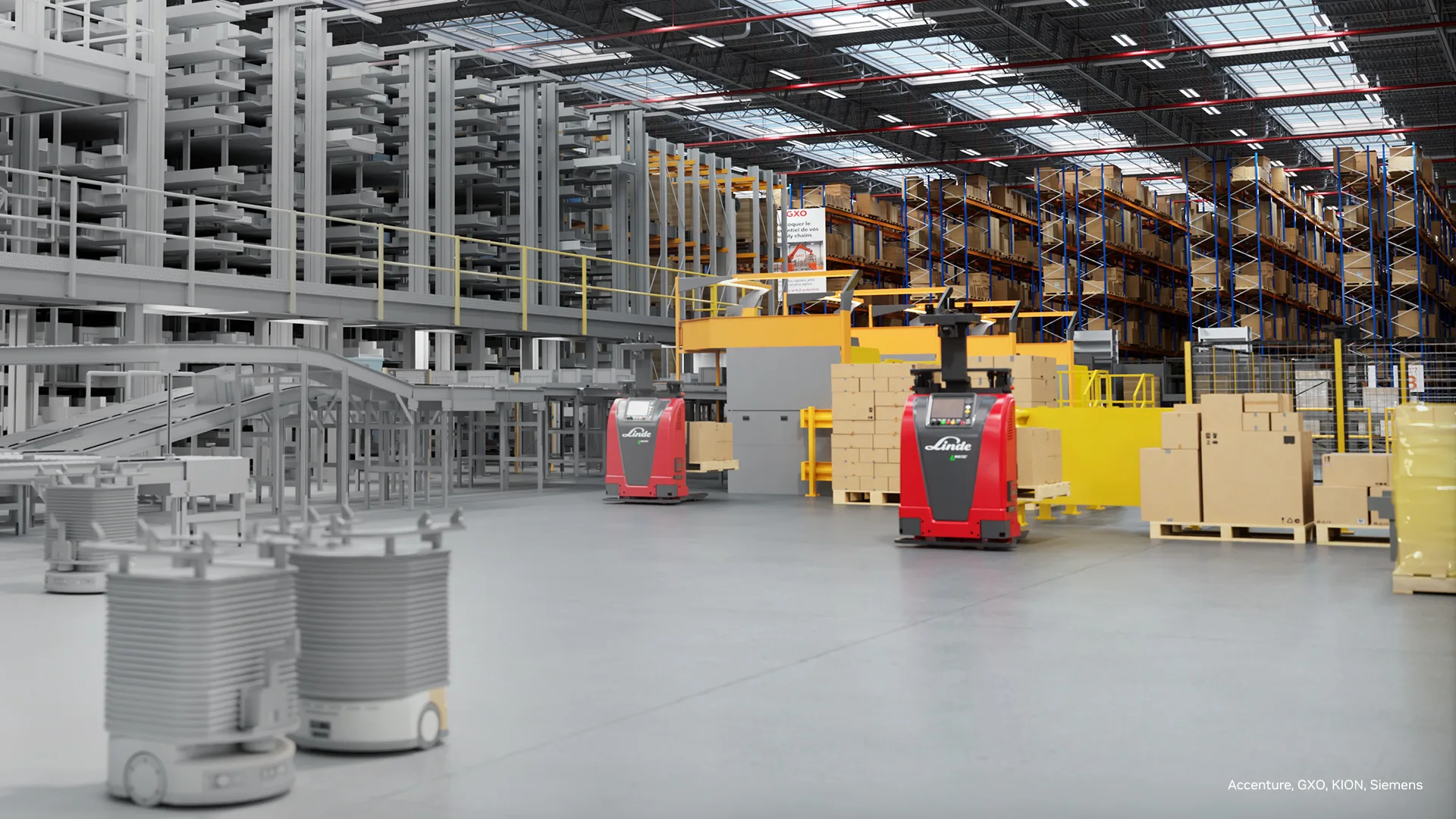
Dense bit: imagine scaling 1000s of sim instances for RL training—ovphysx’s high-speed exchange, GPU accel, USD-native. Pairs with Isaac Lab. Your CI/CD loves it. No more Omniverse sprawl eating cycles.
Punchy truth: better late than never.
They even tease LLM agents browsing APIs, generating code. Kit MCP servers for UI tweaks. Docker-local. Set NVIDIA_API_KEY, fire up. If you’re agent-curious, it’s catnip.
Wrapping the snark: solid step. Fixes real pains. Watch for stability.
🧬 Related Insights
- Read more: Abaco’s VP892 FPGA Supercharges Rugged Real-Time Compute
- Read more: Snap’s GPU Pivot: Crushing A/B Test Crunch with NVIDIA’s cuDF Magic
Frequently Asked Questions
What are NVIDIA Omniverse Libraries?
Standalone APIs (ovrtx, ovphysx, ovstorage) for RTX rendering, PhysX sims, data pipelines—integrate physical AI into apps without full Omniverse.
How to access NVIDIA Omniverse Libraries early?
GitHub, NGC catalogs. Early access builds; join Discord for feedback. Production with stable APIs later 2024.
Do NVIDIA Omniverse Libraries work headless?
Yes—designed for it. Embed in services, scale sims without UI, perfect for CI/CD and robotics training.