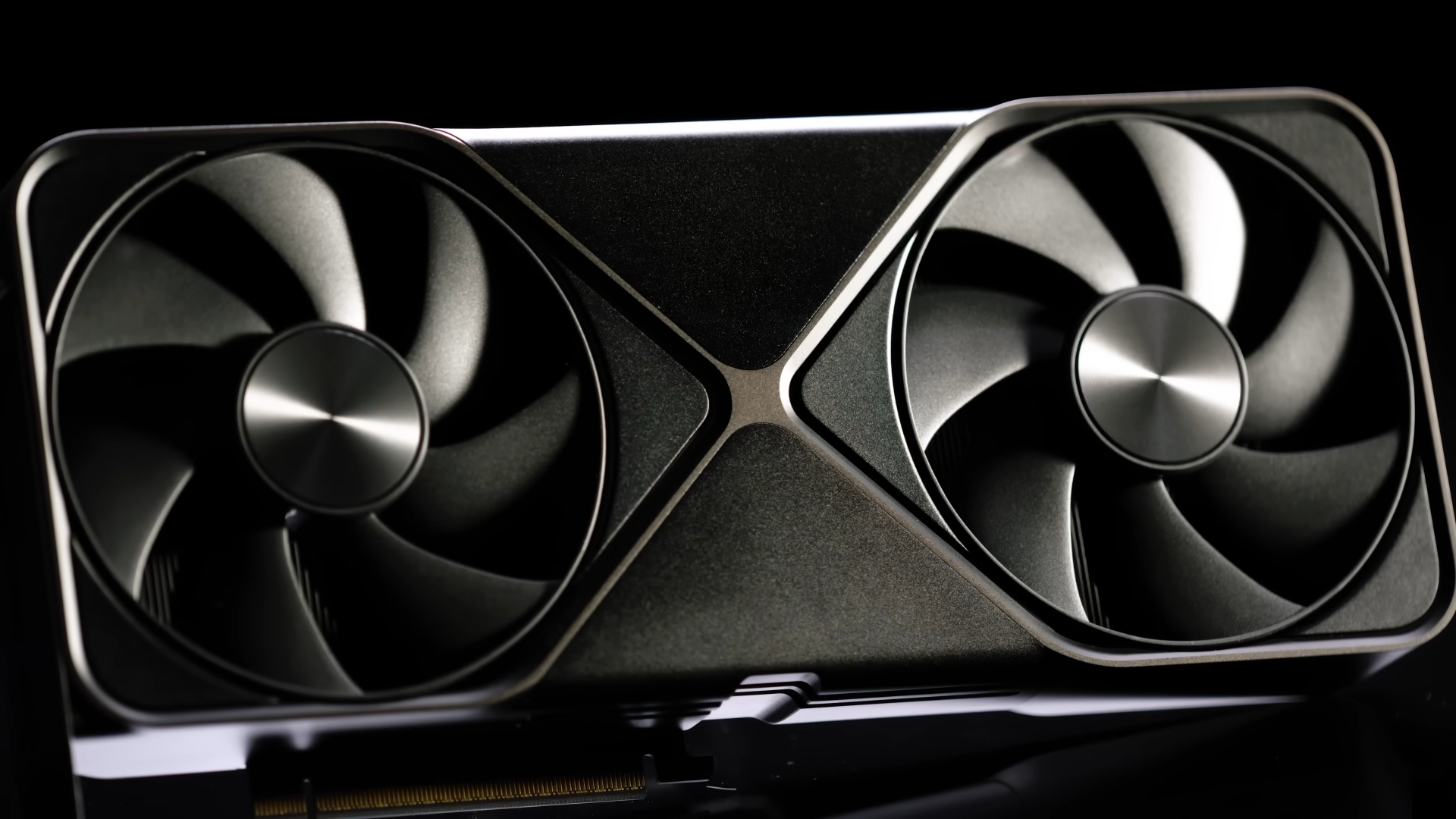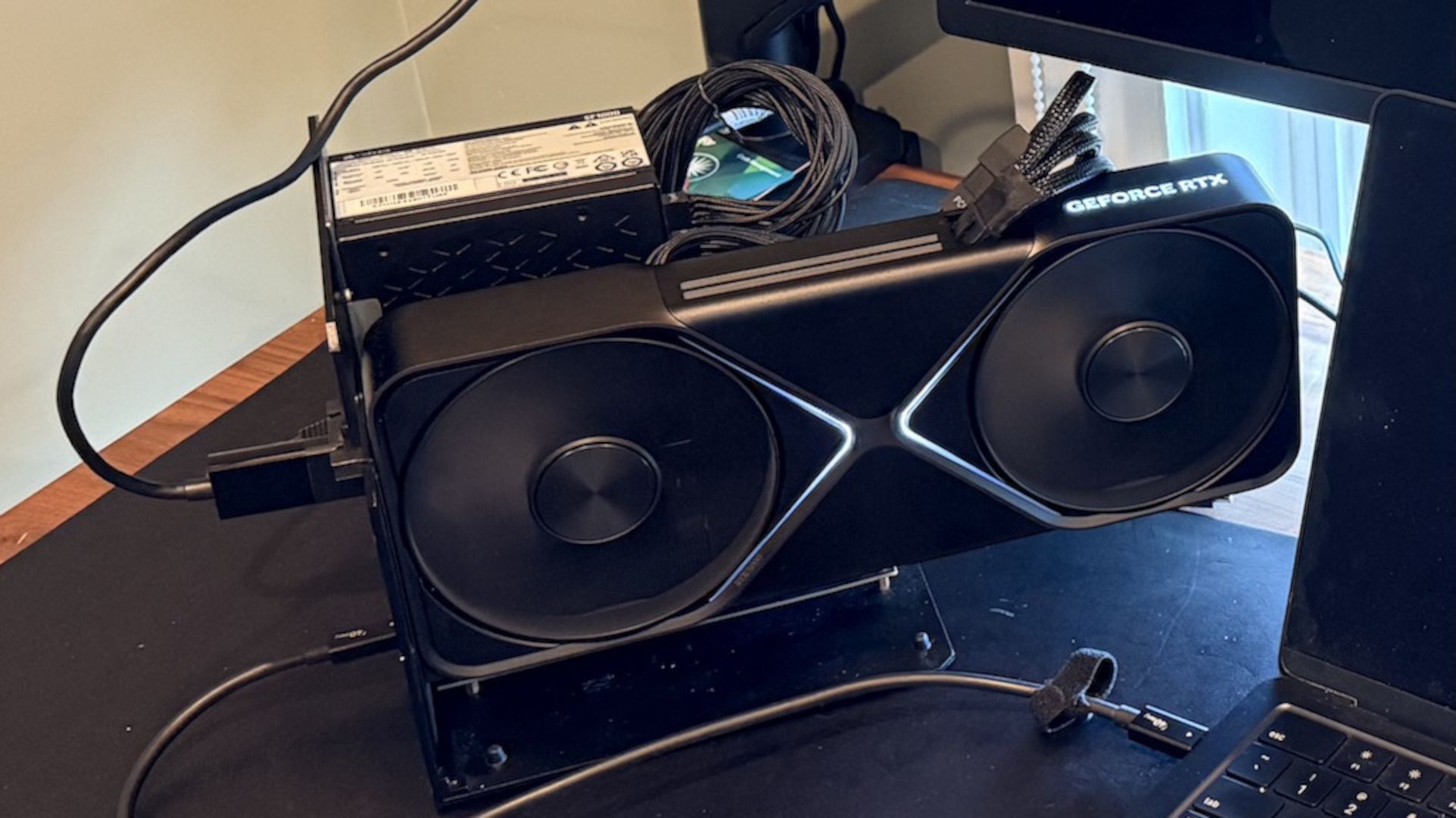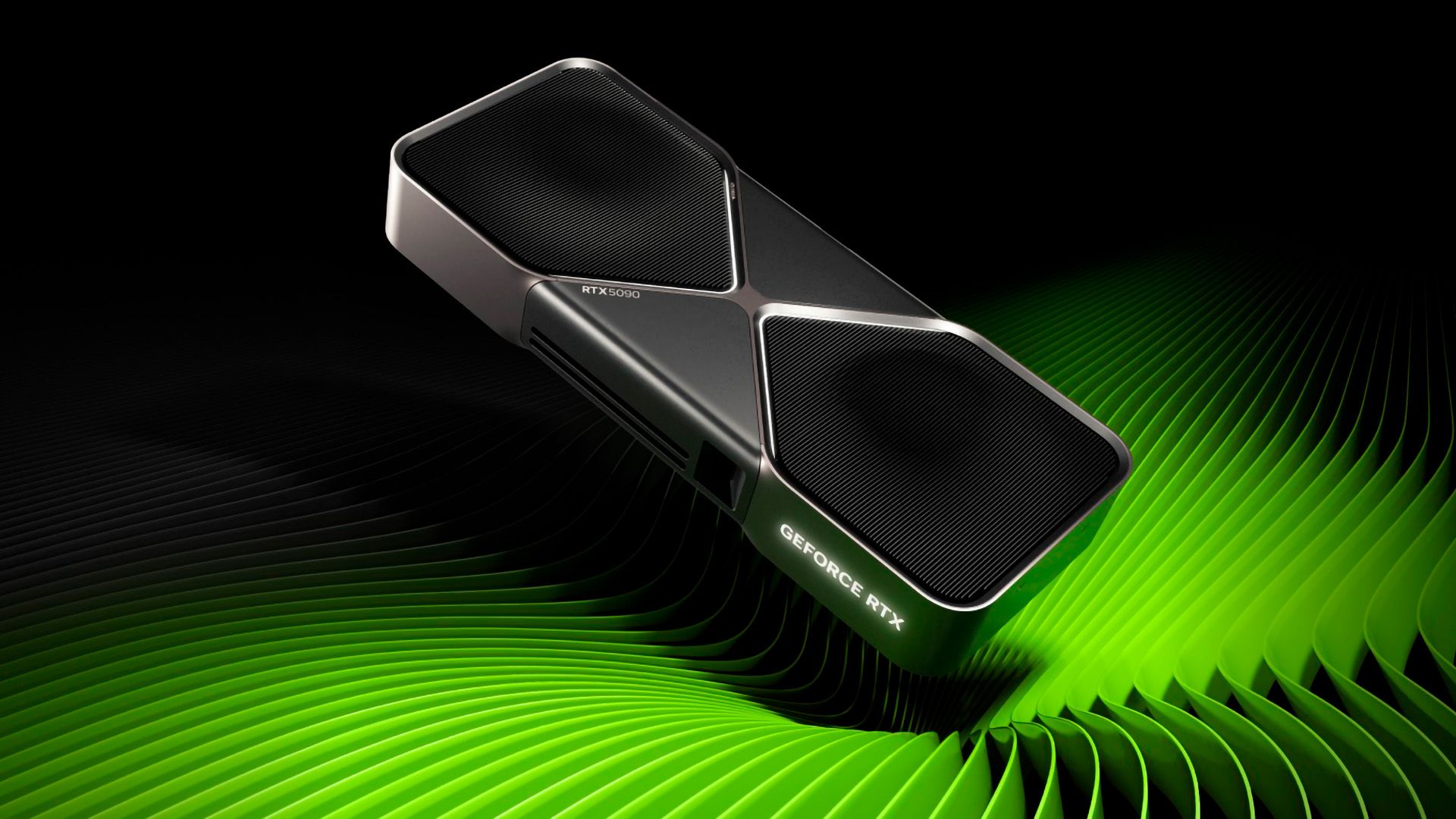
Smoke curls from an overclocked fan in a cluttered Taipei lab. There, under fluorescent buzz, researchers pit Nvidia’s mighty H200 against a cheeky RTX 5090 in the unglamorous art of password cracking.
RTX 5090 password cracking benchmarks expose the dirty secret: those $30,000 AI GPUs? Total duds. Specops ran the numbers using Hashcat on MD5, NTLM, bcrypt, SHA-256, and SHA-512. The results? Laughable.
Behold the Beatdown
Here’s the table that should make Nvidia and AMD execs choke on their lattes:
Algorithm H200 MI300X RTX 5090 MD5 124.4 GH/s 164.1 GH/s 219.5 GH/s NTLM 218.2 GH/s 268.5 GH/s 340.1 GH/s bcrypt 275.3 kH/s 142.3 kH/s 304.8 kH/s SHA-256 15092.3 MH/s 24673.6 MH/s 27681.6 MH/s SHA-512 5173.6 MH/s 8771.4 MH/s 10014.2 MH/s
On average — yeah, we’re averaging the embarrassment — the RTX 5090 laps the MI300X by 20%. Against the H200? A crushing 63.7%. Peak humiliation: 93.5% faster on SHA-512. Oof.
But wait. These aren’t just numbers. They’re a neon sign screaming specialization gone wrong. AI GPUs chase tensor magic — FP4, BF16, those low-precision floats that make ChatGPT dream. Password cracking? That’s brute-force 32-bit integer hell. Hashcat thrives on it. Datacenter beasts skimp on INT32 cores to hoard tensor real estate.
The H200? Half the INT32 muscle of its FP32 side, because who needs integers when you’re inferencing cat videos? MI300X boasts raw INT32 grunt — more than the 5090, even — but Nvidia’s Hashcat tweaks (shady optimizations, anyone?) keep AMD in the dust.
Why Do AI GPUs Suck at This?
Simple. They’re built for one trick: matrix multiplications in the cloud. Not grinding hashes in some ethical hacker’s rig. Remember Bitcoin mining? GPUs ruled, then ASICs crushed them. Now AI’s the new crypto bubble. When it pops — and it will, mark my words — these racks of H200s and MI300Xs? Digital paperweights. Except paperweights crack passwords slower than a GeForce.
My hot take, absent from the original fluff: this mirrors the CUDA monopoly’s dark side. Nvidia locks Hashcat tight with proprietary sauce, hobbling rivals even on paper specs. AMD’s MI300X should dominate INT32 workloads, yet here it wheezes. Coincidence? Please. It’s the same playbook that turned gaming GPUs into AI darlings — and now exposes the emperor’s birthday suit.
Specops calls it streamlined. I call it brittle. These GPUs can’t pivot. Consumer cards? Versatile workhorses. Gamers buy RTX 5090s for ray-traced explosions; hackers repurpose for cracks. Datacenter dinosaurs? Pray for eternal AI demand.
Short version: don’t bet your server farm on hashspeed side hustles.
Is the RTX 5090 the Ultimate Cracking King?
Not quite. It’s a beast — Blackwell architecture, GDDR7 memory gobbling hashes like candy. But context matters. This isn’t a fair fight; AI GPUs guzzle gigawatts for training behemoths. The 5090 sips power, fits in your desk, costs peanuts (under $2K rumors). Efficiency king.
Bcrypt laughs at them all, though — slow as molasses across the board. Real-world reminder: salt your passwords, folks. Even RTX fury takes ages on tuned hashes.
And here’s the kicker — irony drips like bad code. AI firms hype “general compute,” but tests prove otherwise. H200’s tensor cores? Useless for cracking. It’s like buying a Ferrari for grocery runs; sure, it moves, but a Civic laps it in the parking lot.
What Happens When AI Demand Dries Up?
Bold prediction: resale apocalypse. Post-bubble, cloud providers dump fleets of these. Miners tried repurposing Ethereum rigs for gaming — flop city. AI GPUs? Even worse. No drivers for grandma’s Photoshop. No Hashcat glory. Straight to e-waste heaven.
Meanwhile, your RTX 5090? Still slaying Cyberpunk, folding proteins, cracking WiFi if you’re naughty. Versatility wins. Specops nails it: “Datacenter AI GPUs prioritize these instructions over other instructions.” Translation: they’re screwed elsewhere.
Nvidia spins H200 as inference champ. Fine. But don’t peddle it as a compute Swiss Army knife. That’s PR vaporware.
Three sentences in, you’re hooked. Now imagine the boardroom panic.
Corporate hype meets cold silicon reality. Gamers smirk.
Password Security Real Talk
Hackers love Hashcat — legal or not. These benches scream: beef up auth. Multi-factor. Long passphrases. AI won’t save you; neither will overpriced GPUs.
For pentesters? Stockpile consumer cards. Cheap, fast, future-proof.
🧬 Related Insights
- Read more: NVIDIA CloudXR 6.0: XR Streaming’s WiFi Savior or Bandwidth Bust?
- Read more: CERN Burns AI Straight into Silicon to Crush LHC Data Tsunami
Frequently Asked Questions
Does RTX 5090 crack passwords faster than H200 or MI300X?
Yes, by 20-93% across major algorithms, per Specops tests.
Why are AI GPUs bad at password cracking?
They optimize for AI’s floating-point ops, skimping on integer compute Hashcat craves.
Best GPU for Hashcat benchmarks?
RTX 5090 leads this round; consumer gaming GPUs rule for versatility.