Your next laptop might boot faster, thanks to Intel’s self-proclaimed innovation throne. Or it might not. Fortune just named Intel one of America’s Most Innovative Companies, a pat on the back for semiconductors and AI pushes that sound impressive on paper.
But here’s the rub for real people: you’re still waiting for those promised AI wonders while your current rig chugs along on yesterday’s silicon. Intel’s legacy microprocessor? Sure, it kicked off the PC era. Now? It’s scrambling to convince us its future bets aren’t fool’s gold.
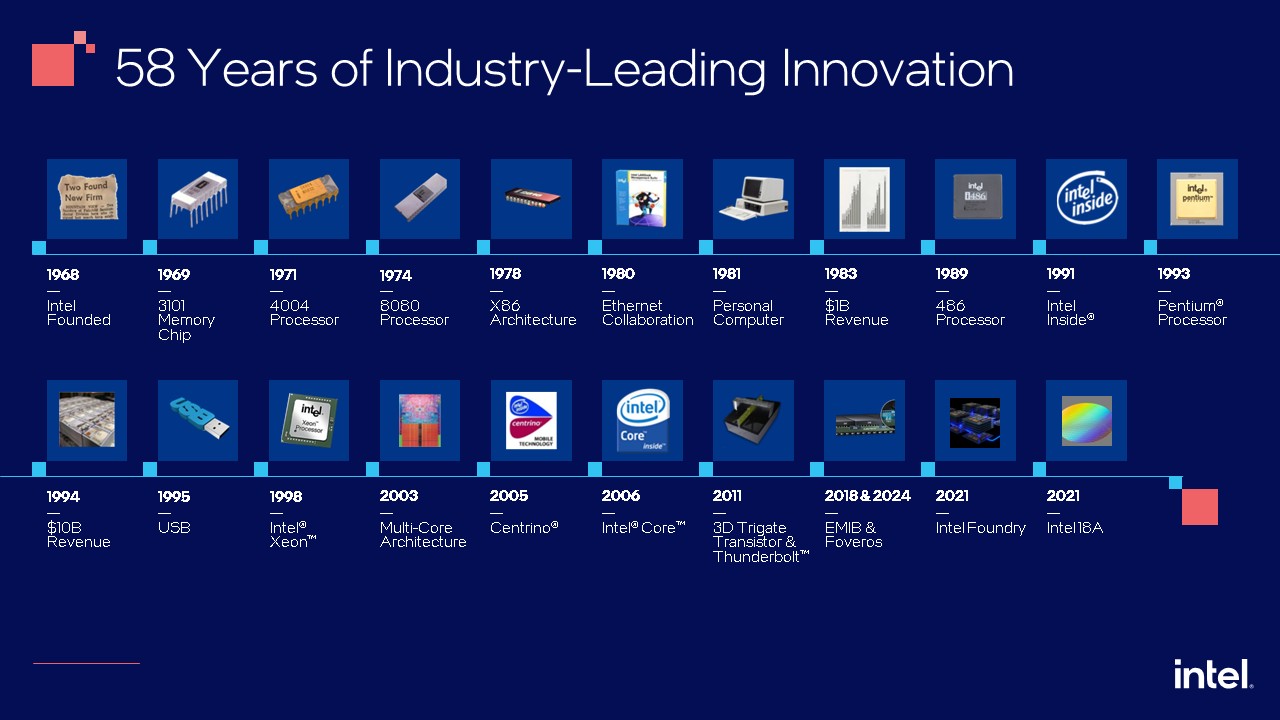
58 years of ‘leadership.’
Over 64,000 patents. Powers 70% of desktop and laptop microprocessors. Numbers that scream dominance. Except the market whispers otherwise—AMD nipping at heels, Arm rising, Nvidia owning AI. Intel’s bragging rights feel a tad hollow when your stock’s been bleeding.
“Intel has been named one of Fortune’s Most Innovative Companies, recognizing the company’s long-standing leadership in semiconductor innovation and its continued momentum in advancing artificial intelligence, computing and global semiconductor manufacturing.”
Straight from the release. Polished. Corporate. But let’s dissect those ‘5 Intel Innovations Shaping the Industry.’
Why Does Intel Need This Fortune Nod Now?
Timing’s everything. Intel’s foundry ambitions? A $20 billion gamble on 18A process tech hitting in 2025. RibbonFET transistors, PowerVia delivery—fancy terms for ‘please trust us to lead again.’ Remember 2010s process node fumbles? They handed TSMC the crown. This list drop smells like PR armor ahead of earnings whispers and analyst side-eyes.
x86 architecture endures, evolving for AI clouds and edges. Core Ultra processors promise built-in AI accelerators for your premium PC. Advanced packaging like EMIB and Foveros crams more dies into packages, chasing Nvidia’s GPU supremacy. Solid tech. Yet Intel’s transformation reeks of desperation—US manufacturing push amid CHIPS Act cash, screaming ‘buy American silicon!’
One paragraph wonder: History repeats. Intel invented the microprocessor in 1971, much like IBM dominated mainframes before PCs ate their lunch. Bold prediction: If 18A flops, Intel becomes the next Kodak—patent hoard gathering dust while rivals feast on AI workloads.
Is Intel’s AI Push Actually Delivering for You?
Scale AI through open systems? x86 as the intelligence era’s CPU king? Trusted US foundry? Words. Meanwhile, consumers buy Qualcomm Arm laptops for battery life, enterprises flock to Nvidia for training behemoths. Intel powers 70% of PCs? Great—until AI PCs demand NPUs that don’t quite match the hype.
Zoom to the ‘what’s next’ pillars. Heterogeneous platforms mixing CPUs, GPUs, NPUs. Sounds collaborative. Feels like hedging—Intel admitting it can’t do it all alone. And that ‘largest leading-edge capacity in the US’? Subsidized resilience, sure, but at what cost to your wallet via pricier chips?
Critique the spin: ‘Underscoring long-standing legacy.’ Translation: Cling to past glories while fabs bleed red. Fortune’s list validates history, not tomorrow. Real people care if their next Core chip crushes Copilot+ rivals or joins the Meteor Lake meh pile.
But credit where due. Intel 4004 digitized industries. x86 built the compute backbone. Core processors redefined efficiency. Now, chiplets and backside power could flip the script—if execution matches bravado.
Skepticism reigns. Intel’s ‘bottom line’ boasts full-stack innovation for AI confidence. Investors? Less convinced—shares down 60% in three years. Everyday users? Stick with what works until proven otherwise.
What Happened to Process Leadership?
18A looms large. Gate-all-around transistors, power efficiency for AI. Critical milestone, they say. Echoes of old Intel: node-beating bravado. But TSMC’s 2nm whispers by 2026. Intel’s foundry pivot? Ambitious. Risky. US-based? Geopolitical win, taxpayer-funded loss if yields tank.
Paragraph sprawl: Advanced packaging bridges multi-die worlds, essential as monolithic chips hit physics walls; EMIB connects disparate tech like 2024’s Foveros stacking; this isn’t revolution—it’s necessity, as AI servers demand HBM mountains and power sips that Intel’s chasing, not inventing, with echoes of Broadcom’s tiling tricks refined in-house.
Dry humor aside, Intel’s story isn’t dead. It’s vital. Fortune’s nod reminds: giants stumble, but patents and fabs endure.
US manufacturing matters.
In a Taiwan quake away from shortage hell, Intel’s bets secure supply. For you? Stable prices, maybe. For geopolitics? Checkmate to China’s silicon dreams.
Wrapping the acerbic lens: Innovation lists flatter. Real test? Ship the chips. Deliver the AI. Or join the footnotes.
🧬 Related Insights
- Read more: Nanya’s NT$26B Q1 2026 Profit: DRAM Surge 70% [Analysis]
- Read more: Intel Core Ultra 270K: Killer Specs, Murderous Market
Frequently Asked Questions
What innovations got Intel on Fortune’s list?
Microprocessor (1971), x86 architecture, Core processors, advanced packaging (EMIB/Foveros), and 18A process tech—bedrocks for AI and computing scale.
Will Intel 18A restore process leadership?
Promising with RibbonFET and PowerVia, targeting 2025 production; success hinges on yields versus TSMC’s roadmap.
Does this mean better AI PCs for consumers?
Core Ultra brings NPUs for local AI; expect efficiency gains, but competition from Qualcomm and Apple intensifies.